Choosing flooring
Laminate or vinyl plank: which suits your home?
Modern Wood Flooring team · Published November 2, 2026

Choose luxury vinyl plank if the floor will see water: kitchens, bathrooms, basements and busy rentals. Choose laminate if you mainly want a hard, scratch-resistant wood look in dry rooms and like a firmer feel underfoot. Both are photographic floors that cannot be refinished, so the room and its moisture usually decide.
What is the difference between laminate and vinyl plank?
The two look similar in a showroom, but they are built from different materials.
Laminate is mostly wood fiber. A typical plank has a high-density fiberboard core, a printed image layer that gives the wood look, and a clear, very hard melamine-based wear surface on top. It almost always installs as a floating floor with click-together edges.
Luxury vinyl plank, or LVP, is built from PVC-based layers. The core may be flexible vinyl or a rigid core such as stone-plastic (SPC) or wood-plastic (WPC), with a printed layer and a clear vinyl wear layer on top. LVP installs floating or glue-down. Our guide to SPC, WPC and LVT explains the core types in more detail.
Laminate vs LVP at a glance
| Laminate | Vinyl plank (LVP) | |
|---|---|---|
| Core material | Wood fiber (high-density fiberboard) | PVC-based: flexible vinyl, SPC or WPC |
| Water | Spills are fine if wiped up; water in the joints can swell the core unless the product is rated water-resistant | The planks themselves are not harmed by water; subfloor moisture still matters |
| Scratch resistance | Usually very good; the surface is hard | Good; depends on the wear layer |
| Dents | Hard surface, but the core can chip at edges if struck | Rigid-core products generally resist dents well; flexible vinyl less so |
| Feel underfoot | Firm and hard | Slightly softer and quieter, depending on core and pad |
| Sound | Can sound hollow or clicky without a good underlayment | Usually quieter, though floating floors still benefit from a pad |
| Installation | Almost always floating | Floating or glue-down |
| Refinishing | No; replace damaged planks | No; replace damaged planks |
| Cleaning | Dry or damp mop only | Damp mop; tolerates more moisture |
Which handles water better?
Vinyl plank does. PVC does not absorb water, so a spill, a wet dog or a leaking dishwasher will not swell the planks. Water can still get underneath through edges and gaps, so the subfloor and perimeter matter, but the flooring itself is not damaged by getting wet.
Standard laminate is different. Its fiberboard core can swell if water gets into the seams and sits there, and swollen edges usually do not go back down. Many newer laminates are sold as water-resistant, with treated cores and tighter joints. Those products are a real improvement, but the protection varies a lot from one product to the next. Read exactly what the warranty covers, such as how long standing water is allowed and whether full bathrooms are included, before you rely on it.
For bathrooms and basements, vinyl is the safer default. See our guides to waterproof bathroom flooring and basement flooring in Brooklyn for more.
Which is more scratch resistant?
Laminate usually has the edge here. Its top layer is very hard and is designed to resist scratches and scuffs from everyday use. Laminate durability is often described by an AC rating, a European scale from AC1 to AC6 based on the EN 13329 standard, where a higher number means the surface is rated for heavier use. Not every manufacturer uses AC ratings, and North American laminate standards do not, so compare like with like.
Vinyl plank resists scratches well too, but its protection comes from a clear vinyl wear layer, and thicker wear layers generally hold up better in busy homes. Our guide to wear layers explains what the numbers mean for vinyl. With either floor, felt pads under furniture and a mat at the door do more than any rating.
How do they feel and sound?
Laminate feels firm and hard, a little closer to the feel of a wood floor over a solid base. Some people like that. Others find it sounds hollow or makes a clicking sound under hard shoes, especially when it floats over a thin pad.
Vinyl plank feels slightly softer and is often quieter underfoot, particularly rigid-core products with an attached pad. Both floors sound better with a suitable underlayment, and in many apartment buildings an underlayment is a requirement, not an option. Our guide to underlayment types covers foam, cork, rubber and attached pads.
Laminate or LVP in a Brooklyn home
Where you live shapes the choice as much as the material does.
- Apartments over concrete: both can float over a concrete slab with the moisture protection the manufacturer requires. Many co-ops and condos require sound-control underlayment and board approval, so check your alteration agreement before choosing either.
- Basements and below-grade rooms: vinyl plank is usually the better fit, because concrete below grade can be damp and laminate cores do not tolerate moisture well.
- Kitchens and bathrooms: vinyl is the safer choice, unless a laminate's warranty clearly covers the room you have in mind.
- Rentals and turnovers: many landlords prefer vinyl plank because damaged planks are easy to replace and spills between tenants are less of a worry. Our guide to flooring for rental apartments goes further.
- Bedrooms, living rooms and home offices: either works. Laminate's hard surface is a plus where scratches are the main concern and water is not.
- Steam heat and dry winters: laminate's wood-fiber core can react to big swings in humidity, so follow the product's acclimation and humidity guidance closely. Vinyl is less sensitive, though rigid-core floors still need their expansion gaps.
Installation requirements, room limits and warranty terms vary by product. Always check the specific product's installation instructions and warranty, especially for bathrooms, basements and floors over radiant heat.
What about engineered wood?
If you like the look of laminate or vinyl but want real wood, engineered hardwood is the step up. It has a real wood top layer, can often be refinished depending on its thickness, and suits apartments over concrete. It needs more care around water than vinyl. Our comparison of LVP and engineered hardwood covers that choice.
Most of our online catalog is vinyl plank, LVT and wood. If you are leaning toward laminate, ask us what we can show you. You can browse vinyl flooring online, or call (718) 252-6177 to compare samples in the showroom.
Common questions
Is laminate or vinyl plank better for a kitchen?
Vinyl plank is usually the safer choice for a kitchen because the planks are not harmed by water. Some water-resistant laminates are rated for kitchens, so check the specific warranty if you prefer laminate.
Is laminate more scratch resistant than vinyl plank?
Usually, yes. Laminate's top layer is very hard. Good vinyl plank also resists scratches well, and felt pads and door mats help either floor.
Can laminate go in a bathroom?
Standard laminate is generally not recommended for full bathrooms because water can swell the core. Some water-resistant laminates allow it, so read the warranty carefully. Vinyl plank is the usual choice.
Can laminate or vinyl plank be refinished?
No. Both have a printed image under a clear wear surface, so they cannot be sanded. Damaged planks are replaced instead, which is why it helps to keep a few spare boxes.
Which is quieter in an apartment?
Vinyl plank is often quieter underfoot, especially rigid-core products with an attached pad. Either floor should go over the underlayment your building requires.
Sources
Floors this guide covers
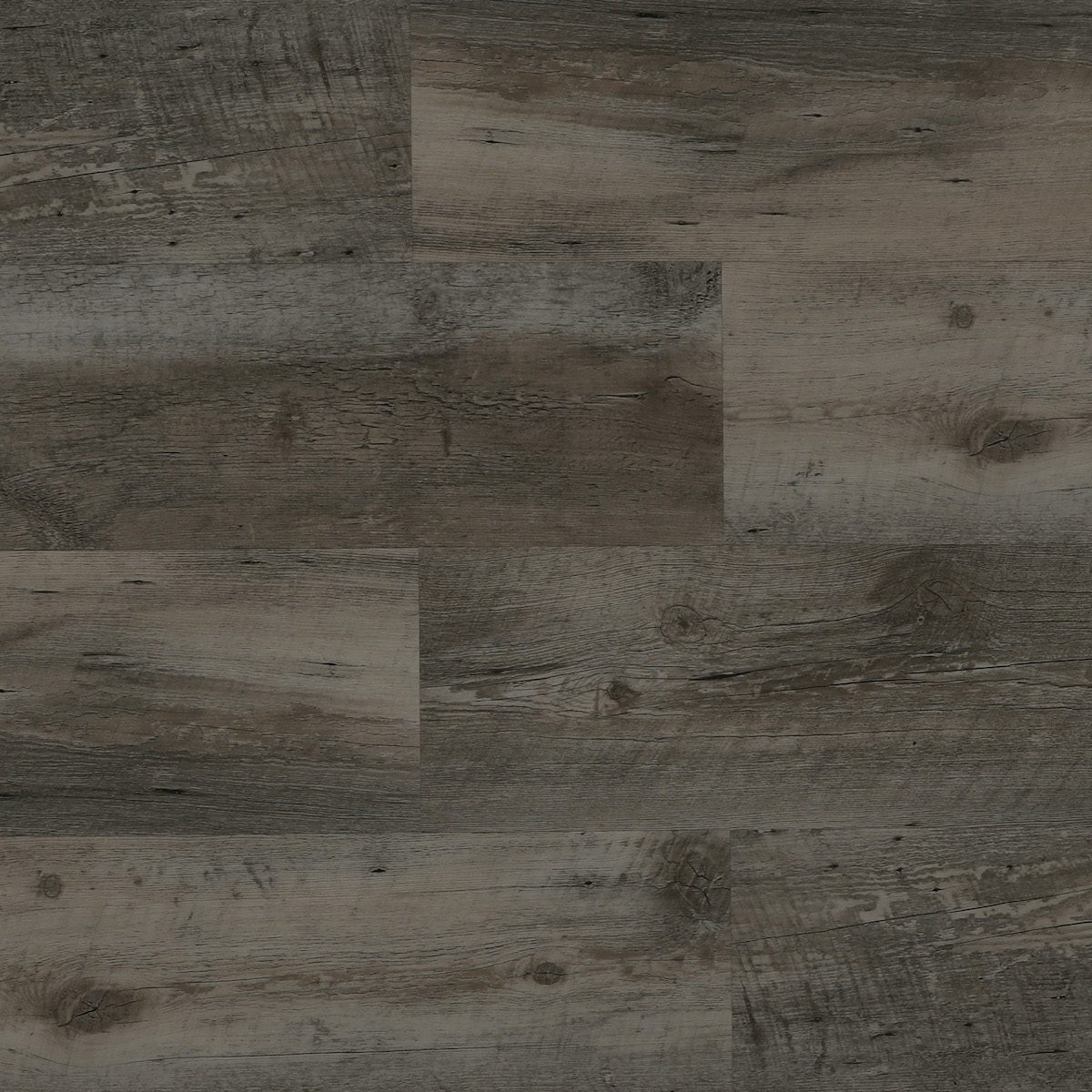
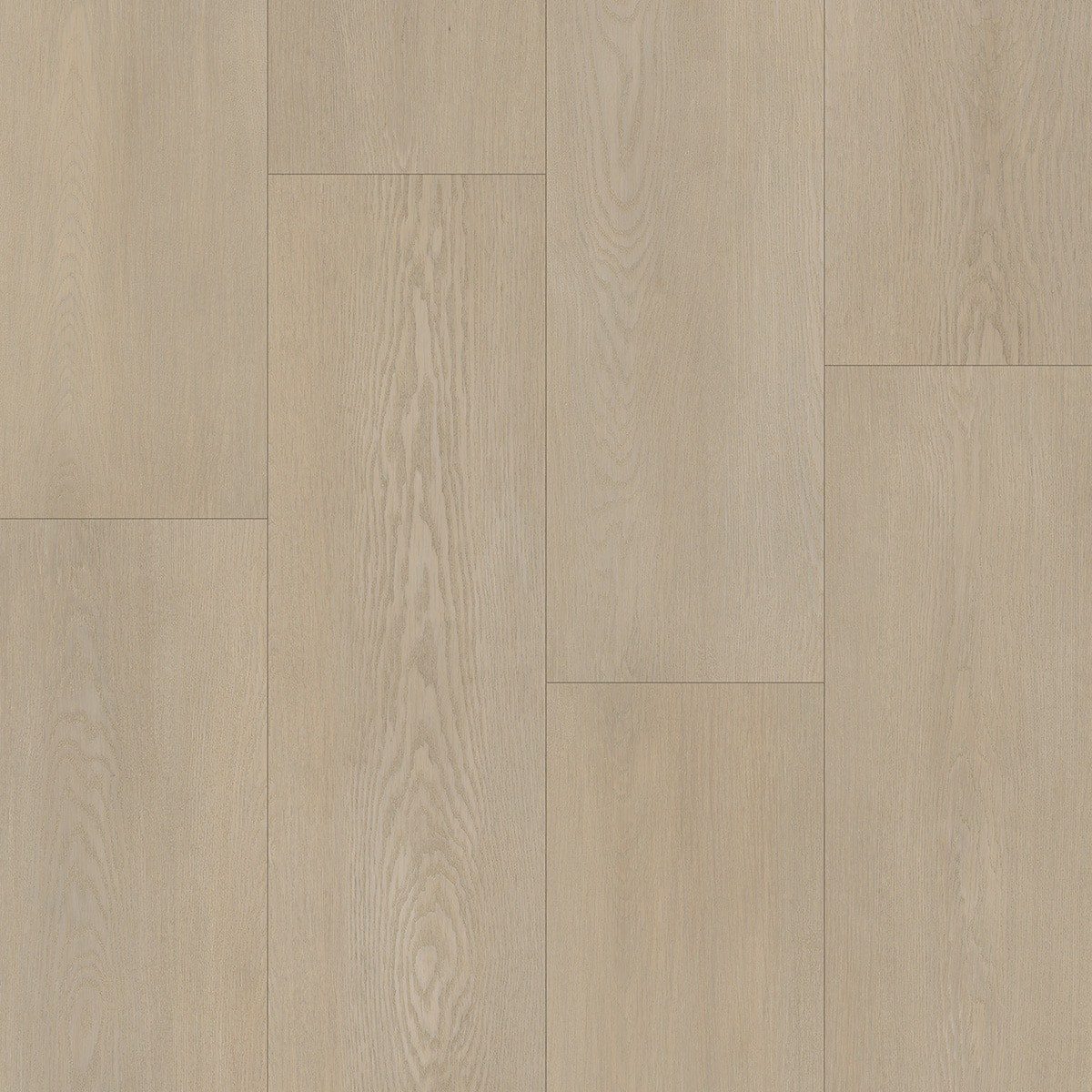
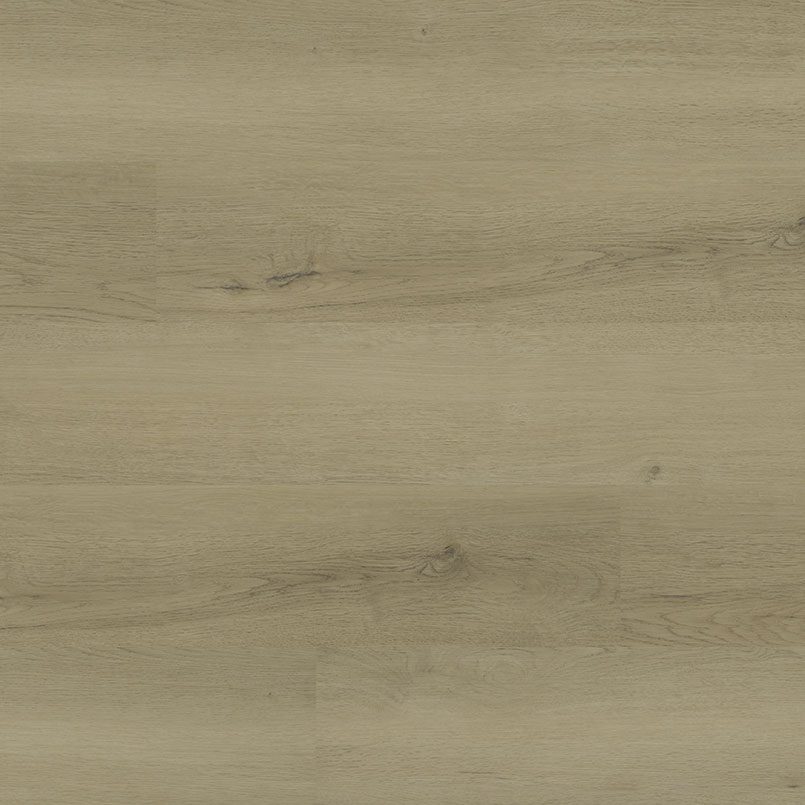
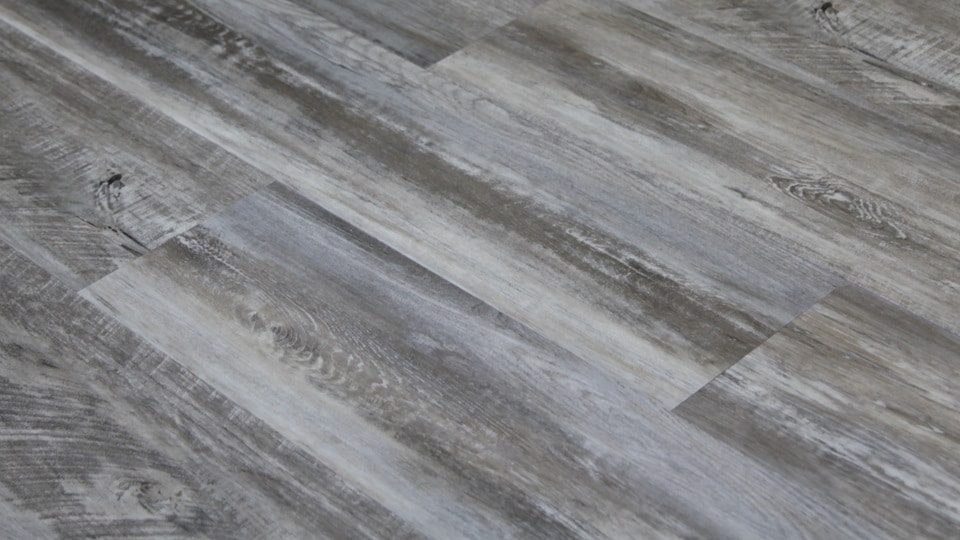


Examples from the current catalog in these material families; specifications on each product page are as listed by the manufacturer.
Related guides
All guides