Choosing flooring
Basement flooring in Brooklyn: what works below grade
Modern Wood Flooring team · Published October 16, 2026

For most Brooklyn basements, luxury vinyl plank or tile is the safest choice, because it tolerates moisture from the concrete slab below. Some engineered hardwood is approved for below-grade use if the slab tests dry enough. Solid hardwood is generally not recommended below grade. Whatever you choose, test the slab for moisture first.
Basements are the hardest rooms in a house to floor well. The problem is rarely the floor itself. It is the concrete under it, the ground under that, and in some parts of Brooklyn, the risk of water coming in from outside. This guide covers how to judge your basement and match the floor to it.
Why are basements different?
"Below grade" means the floor is below the level of the ground outside. Most below-grade floors sit on a concrete slab poured directly on soil. Concrete is porous. Moisture from the ground moves up through it as vapor, even when the slab looks and feels dry. Basements also tend to be cooler and more humid than the rest of the house, and they are where water collects if there is a leak, a backed-up drain, or a storm.
That combination affects every floor type. Wood swells and cups when it absorbs moisture. Adhesives can fail if the slab is too wet. And any floor laid over a damp slab can trap moisture underneath it, which can lead to odor or mold.
Why is solid hardwood not recommended below grade?
Solid hardwood is a single piece of wood, so it moves a lot as humidity changes. Over a concrete slab, it is exposed to constant moisture from below and higher humidity around it. It is also usually nailed down, which needs a wood subfloor, not concrete. For these reasons, solid hardwood manufacturers and industry guidance generally advise against installing it below grade. Check the specific product's instructions, but in practice we steer basement customers toward other options.
What flooring works in a basement?
| Rigid-core LVP or LVT | Glue-down LVT | Engineered hardwood | Solid hardwood | |
|---|---|---|---|---|
| Below grade | Commonly approved | Commonly approved | Some products, check instructions | Generally not recommended |
| Moisture tolerance | Surface typically waterproof | Surface typically waterproof; adhesive has moisture limits | Limited; slab must test within the product's limits | Low |
| Typical installation | Floating | Glued to the slab | Floating or glued | Nailed to a wood subfloor |
| After a minor leak | Planks can often be lifted to dry the slab | Harder to lift; may need replacing | Often needs replacing | Often needs replacing |
| Feel | Firm; can feel cool | Firm and quiet | Real wood | Real wood |
Luxury vinyl plank and tile
Vinyl is the most common basement choice for good reason. The surface is typically waterproof, and rigid-core products click together as a floating floor that does not need to be glued or nailed. Some include an attached pad. Glue-down LVT is thinner and very stable, but the adhesive must be rated for the slab's moisture level. Browse our vinyl plank and luxury vinyl tile collections, and check that the product you pick is approved below grade.
"Waterproof" describes the planks, not the room. Water that gets under the floor, from the slab or from a leak, still needs a way to dry out.
Engineered hardwood
Engineered wood is more stable than solid because of its layered core, and many products allow below-grade installation, usually floating or glued down. It still reacts to moisture. It only makes sense in a basement that is consistently dry, with a slab that tests within the manufacturer's limits and a vapor retarder if the instructions call for one. It is a poor choice in a basement with any history of water.
Below-grade approval varies by product. Before you buy, read the installation instructions and warranty for the exact product. Installing a floor somewhere the manufacturer does not approve can void the warranty.
How do you test a basement slab for moisture?
Testing tells you whether the slab is dry enough for the floor and adhesive you want. Many flooring manufacturers specify both the test method and the limit. The common methods are:
- In-situ relative humidity testing (ASTM F2170). Probes are placed in holes drilled into the slab and read after they settle. Many manufacturers now prefer this method.
- Calcium chloride testing (ASTM F1869). A test kit measures how much moisture comes out of the slab surface over a set period.
- A plastic sheet test. Tape a square of plastic to the slab for a day or two and look for condensation or darkened concrete underneath. It is a rough indicator only, not a substitute for the tests above.
Your installer or a testing company can run the proper tests. Results change with the seasons, so test close to installation and after the basement has been at normal living temperature for a while.
Do you need a vapor barrier?
Often, yes. A vapor retarder, commonly a polyethylene sheet laid over the slab with overlapped and taped seams, slows moisture moving up from the concrete into the floor. Some floating floors require a separate sheet. Others have a pad with a built-in barrier. Glue-down floors may use a moisture-control adhesive or a sealer applied to the slab. Follow the product's instructions so you do not double up in a way the manufacturer does not allow, or skip a layer it requires.
What should you fix before installing?
A floor cannot solve a water problem. Before installation, look for the source of any moisture and deal with it.
- Check for water stains, white powdery deposits (efflorescence) on walls or slab, and musty smells.
- Make sure gutters, downspouts and the grading around the house carry water away from the foundation.
- Repair cracks and check that floor drains and any sump pump work.
- Run a dehumidifier, especially in summer.
- Check that the slab is flat. Many floating floors need the surface flat within a tight tolerance, and low spots may need leveling compound.
What about flood-prone parts of south Brooklyn?
Parts of south Brooklyn near the water, including areas around Coney Island, Sheepshead Bay, Gerritsen Beach and Canarsie, flooded during Hurricane Sandy in 2012, and some areas also see water from heavy rain. If your basement is in a mapped flood zone or has flooded before, plan for the floor to get wet at some point.
- Look up your address on the city's flood maps to understand the risk.
- Favor floors that tolerate water and can be removed and replaced in sections.
- Avoid wood floors, including engineered, in basements that have flooded.
- After any flood, lift the floor and let the slab dry fully. Floodwater can carry contaminants, so many manufacturers advise replacing flooring it soaked.
Building, insurance and use rules for basements in flood zones can be complex. Check with the city or a licensed professional about your property before you finish a basement.
Brooklyn basements: other things to know
Many detached and semi-detached houses in south Brooklyn have full basements on concrete slabs. Older row houses may have uneven or patched slabs, low ceilings, and pipes or radiators near the floor, so the thickness of the new floor and underlayment matters. Plan transitions at stairs and doorways, and leave the expansion gaps the instructions require around walls and columns.
If you are working with a contractor, send us the room size and the slab test results and we can suggest products approved for the conditions. You can also call us at (718) 252-6177 to ask about samples.
Common questions
Can I put hardwood in a basement?
Solid hardwood is generally not recommended below grade. Some engineered hardwood is approved for basements if the slab tests dry enough, but vinyl is usually the safer choice.
Is LVP good for basements?
Yes, rigid-core LVP is one of the most common basement floors. Its surface typically resists water, and it floats over the slab. Check that the product is approved below grade and use a vapor barrier if the instructions call for one.
Do I need to test my basement slab before installing a floor?
Yes. Many manufacturers require a moisture test, such as in-situ relative humidity testing, and set limits for their products and adhesives. Skipping it can affect the warranty.
What happens to LVP if my basement floods?
The planks themselves often survive water, but the slab underneath needs to dry, and floodwater can be contaminated. Floating floors can sometimes be lifted, though many manufacturers advise replacing flooring soaked by floodwater.
Should I glue or float a basement floor?
Both can work. Floating floors are easier to lift if the slab needs to dry out. Glue-down LVT is very stable but depends on an adhesive rated for the slab's moisture level.
Sources
Floors this guide covers
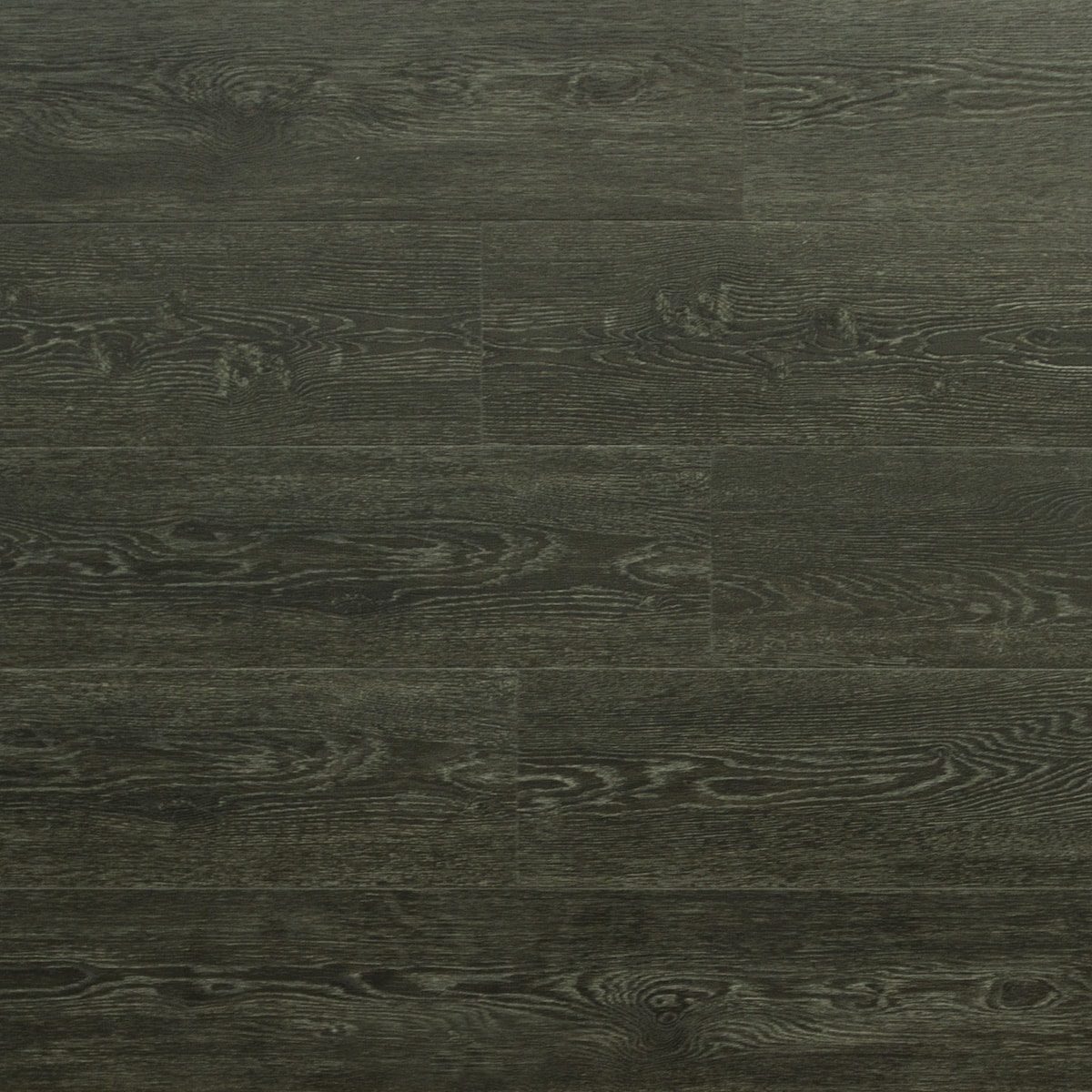
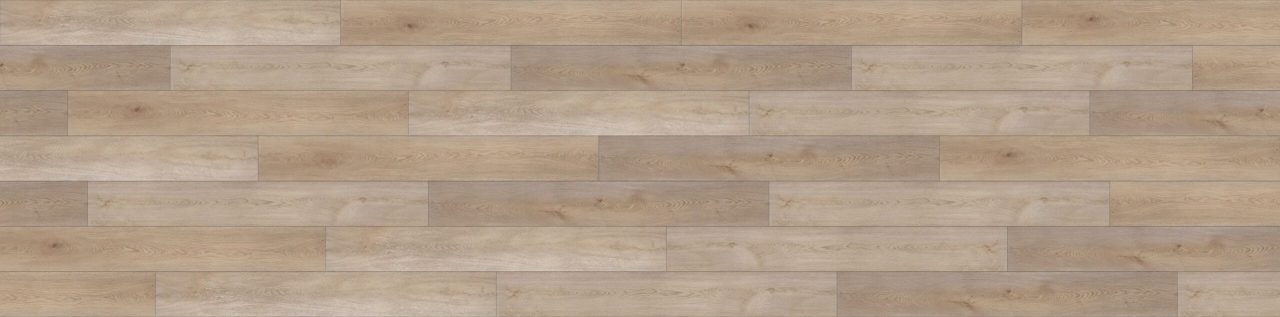
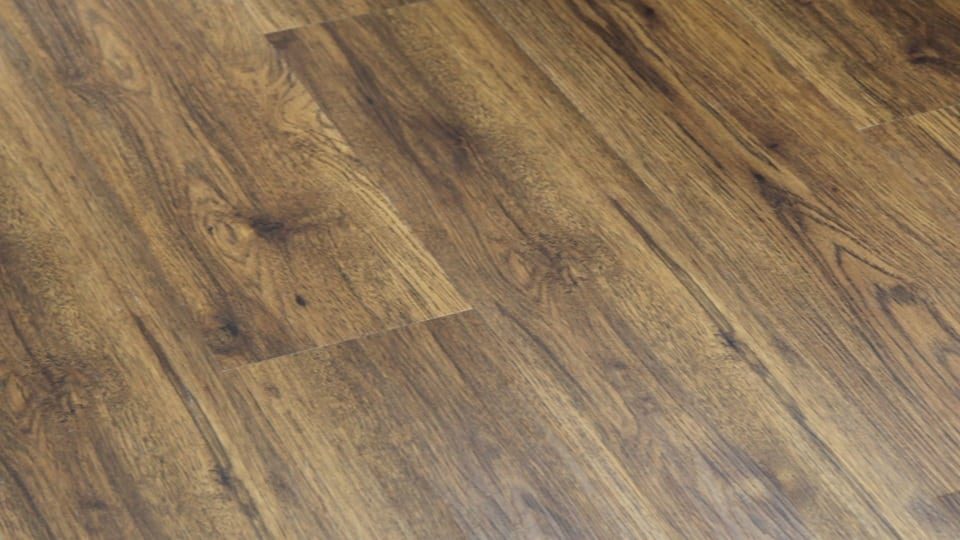
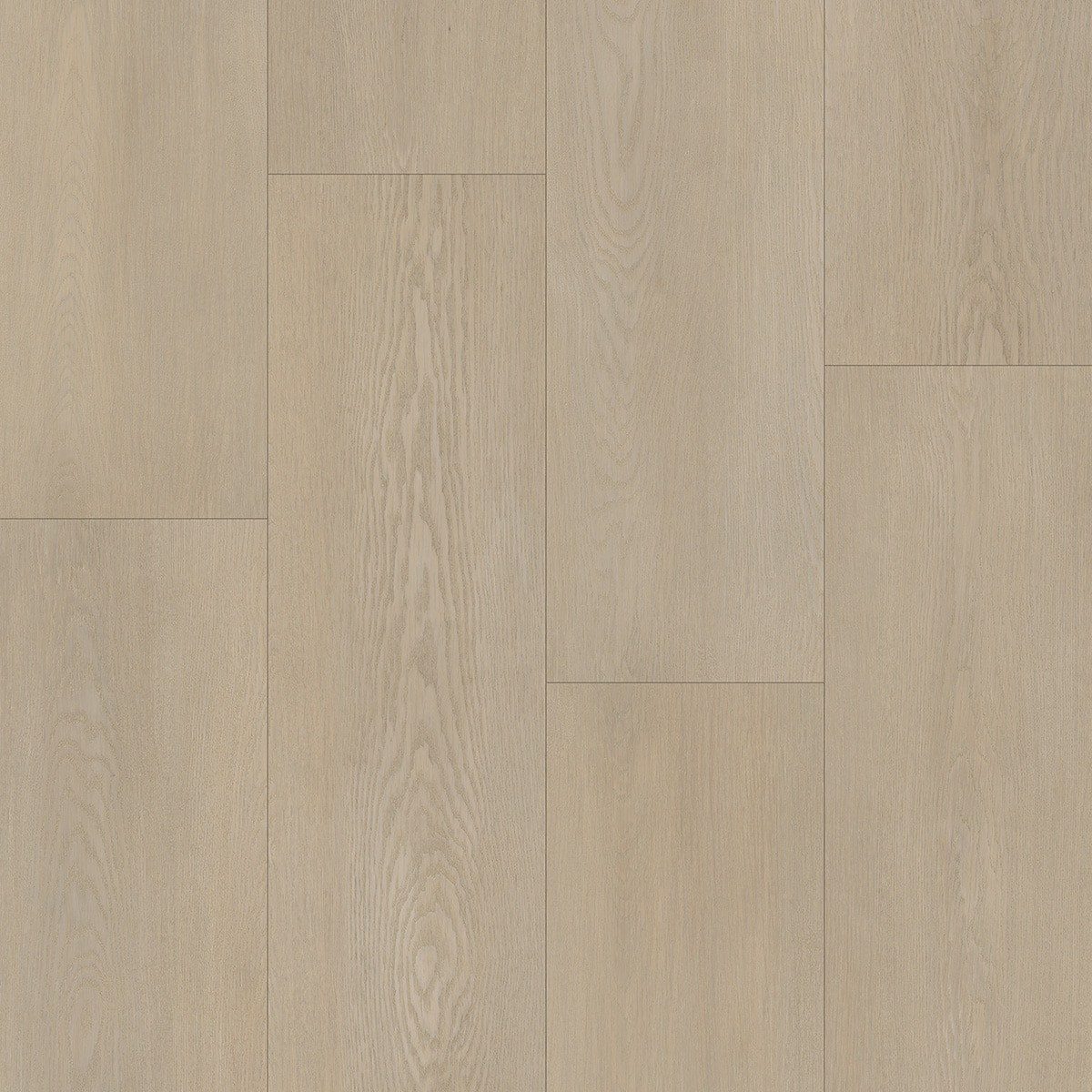


Examples from the current catalog in these material families; specifications on each product page are as listed by the manufacturer.
Related guides
All guides