
Choosing flooring
Types of flooring: a plain guide
Modern Wood Flooring team · Published September 20, 2026

Our catalog is organised into four material families. This guide explains the difference so you can filter with confidence.
Solid hardwood
One piece of wood, typically ¾″ thick, nailed to a wooden subfloor. It can be sanded and refinished many times. Best in dry, stable rooms above grade.
Engineered wood
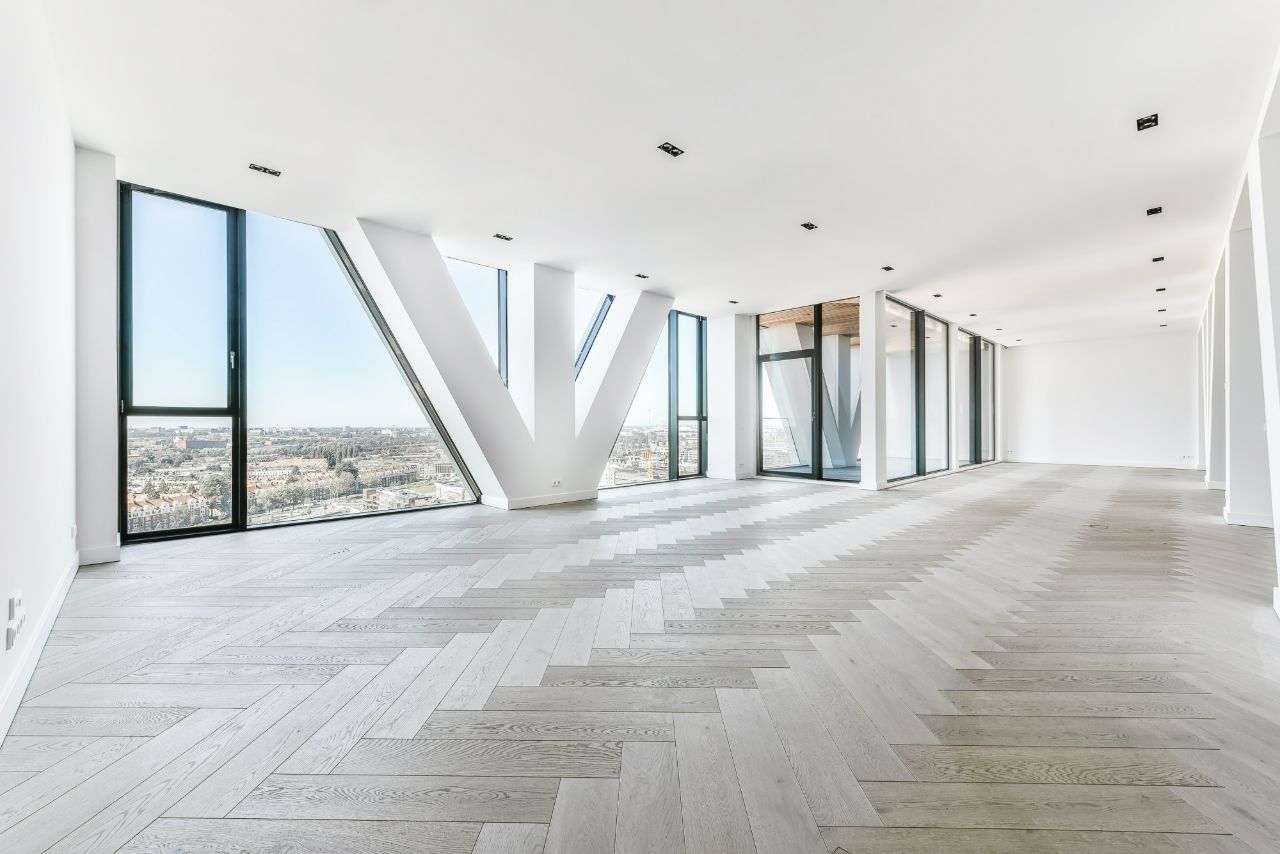
A real wood face on a layered core. More dimensionally stable than solid, suitable over concrete and in apartments, and available in wide planks and patterns such as herringbone. The thickness of the face layer determines how many times it can be refinished.
Vinyl flooring
Resilient plank flooring that resists moisture and wear. A practical choice for kitchens, basements and rentals. Products vary in thickness, core type and wear layer.
Luxury vinyl tile (LVT)
Vinyl in tile or plank format with realistic wood or stone visuals, often with rigid cores. Widely used in bathrooms, commercial spaces and anywhere water is a factor.
Browse each family from the Floors page, or call us to talk through which suits your rooms.
Floors this guide covers
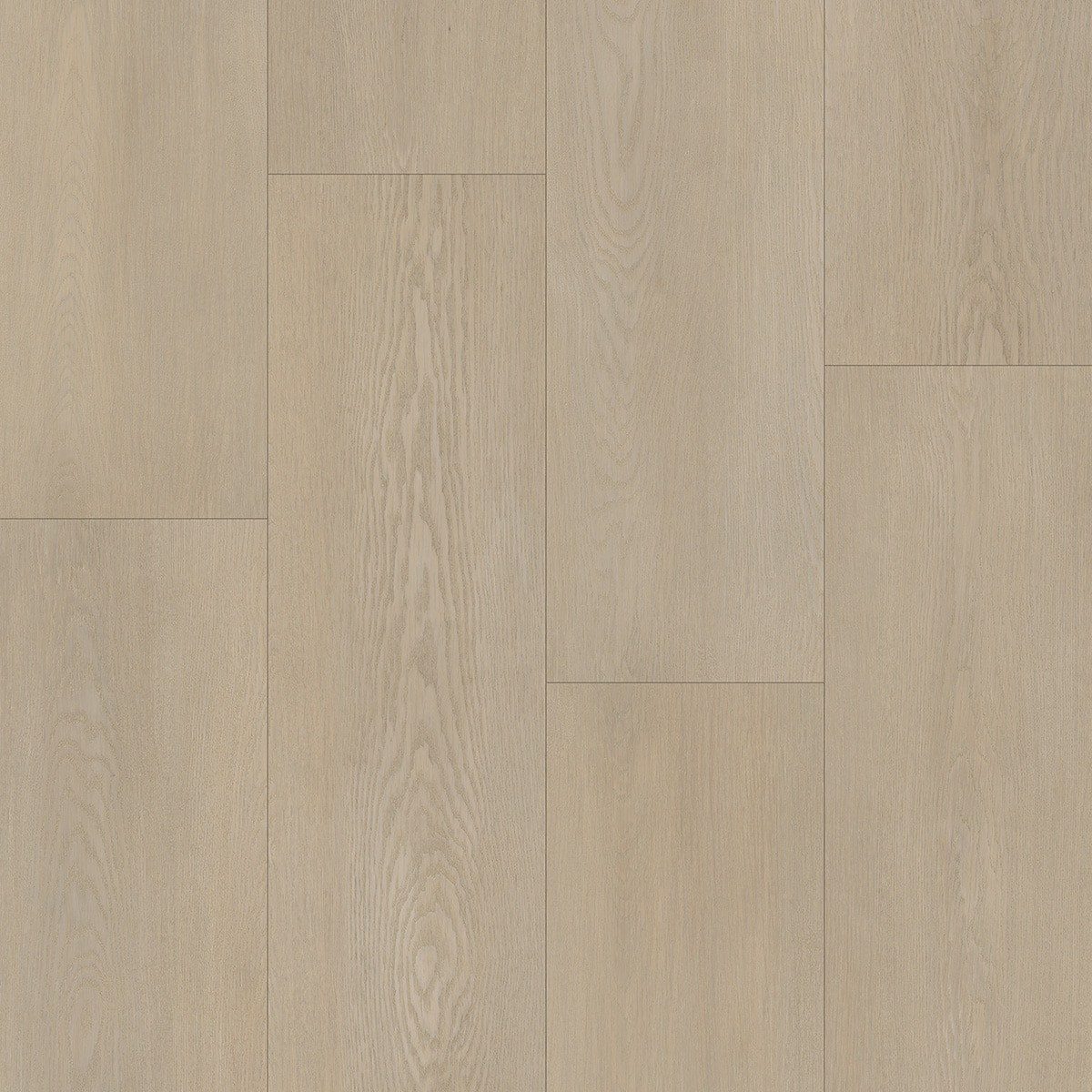
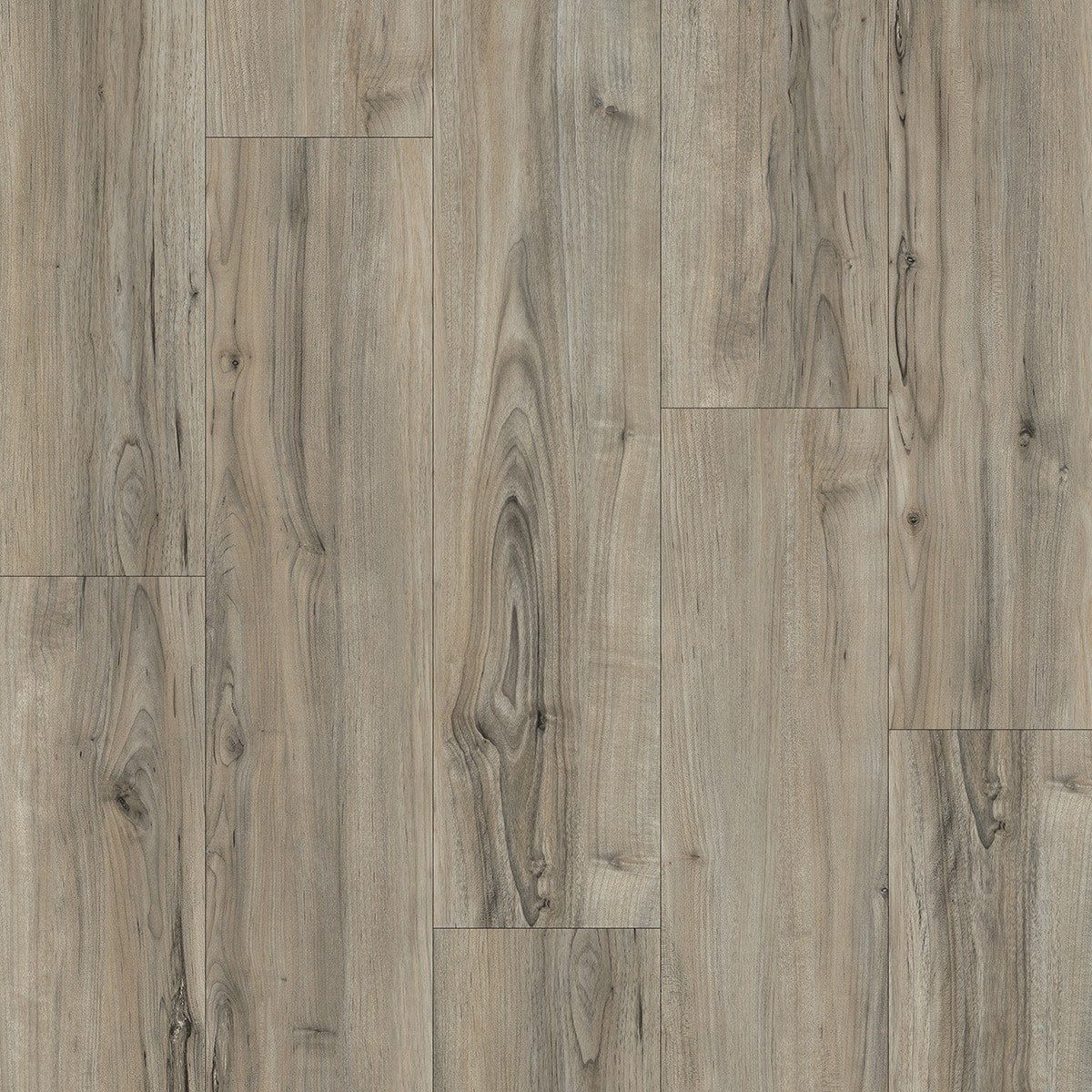
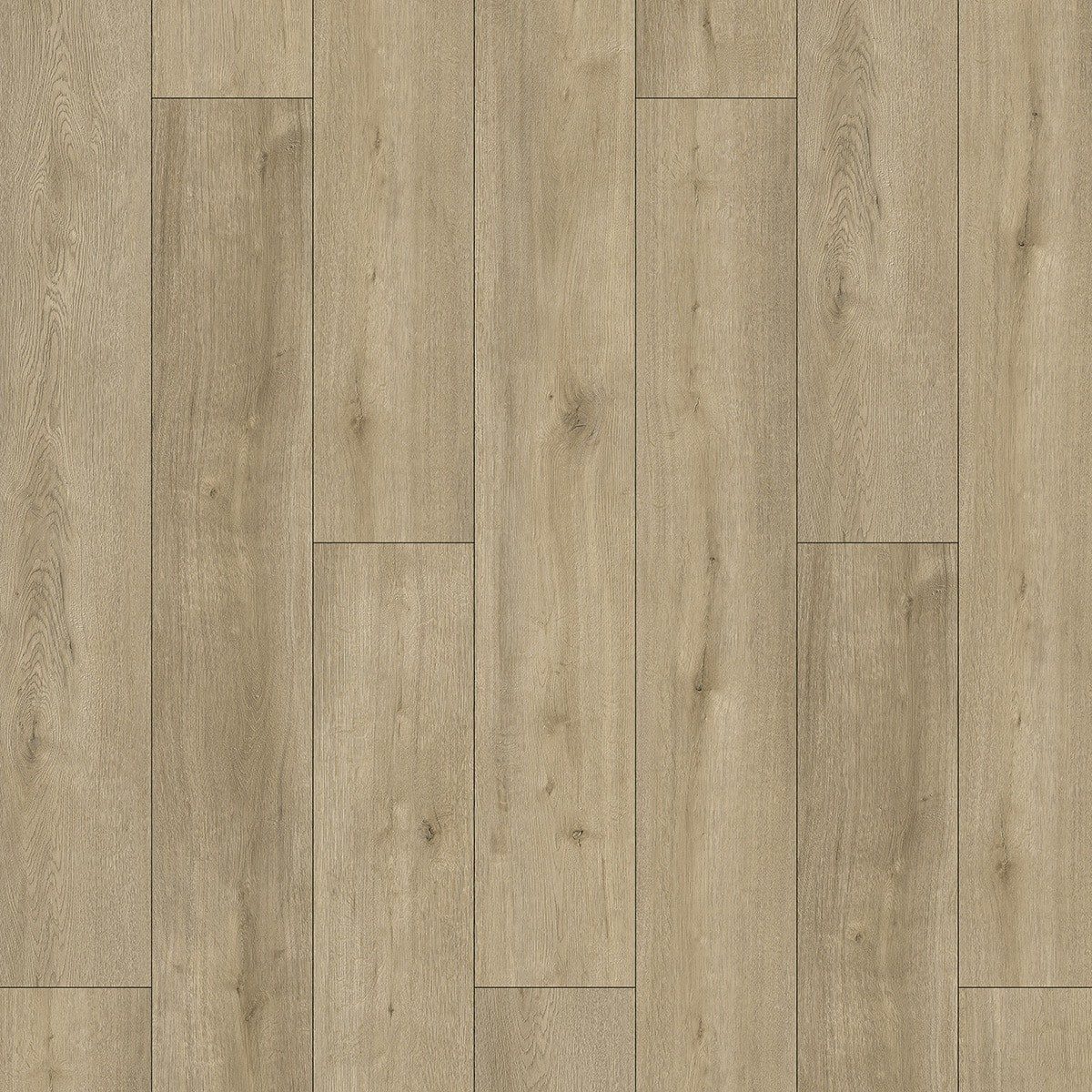
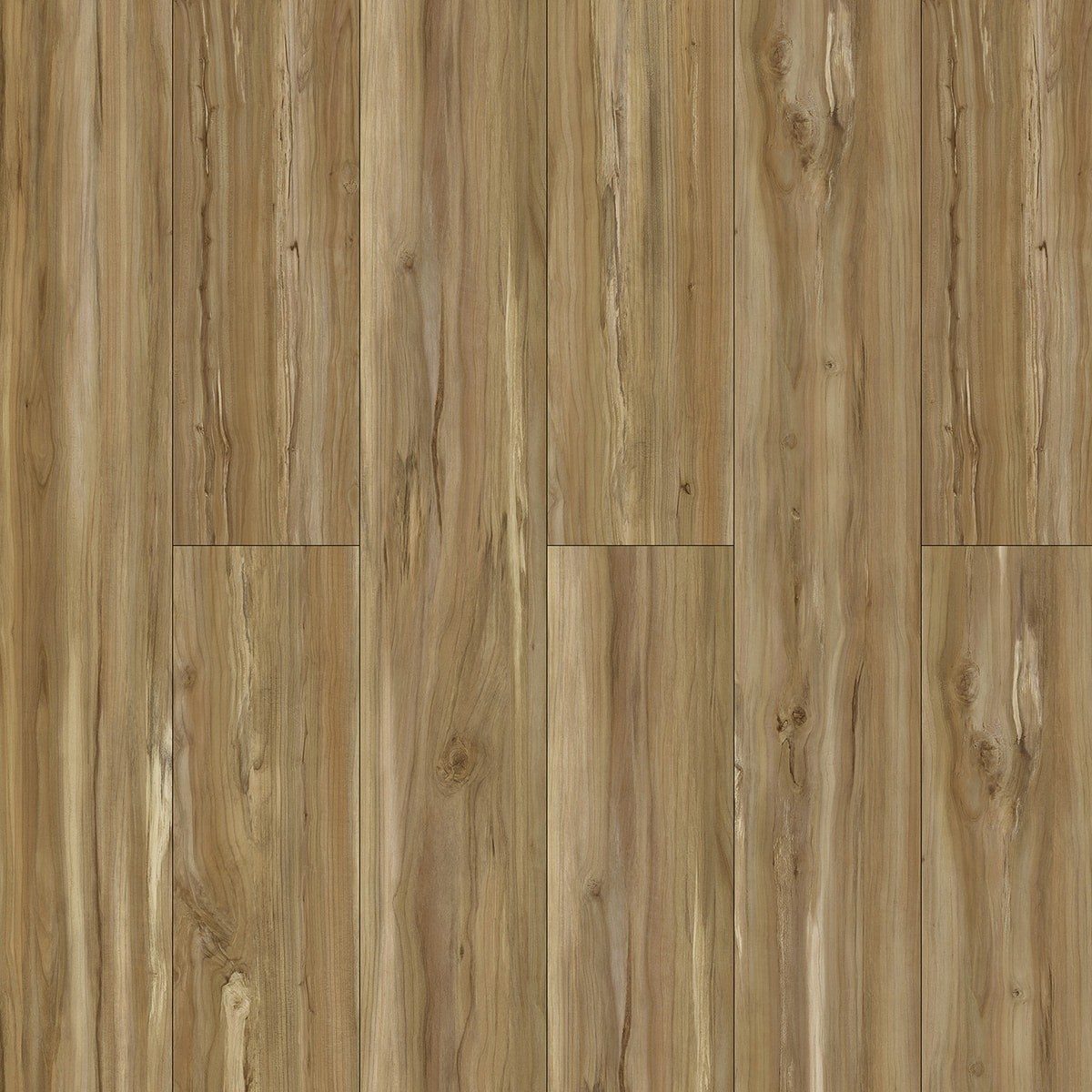


Examples from the current catalog in these material families; specifications on each product page are as listed by the manufacturer.
Related guides
All guides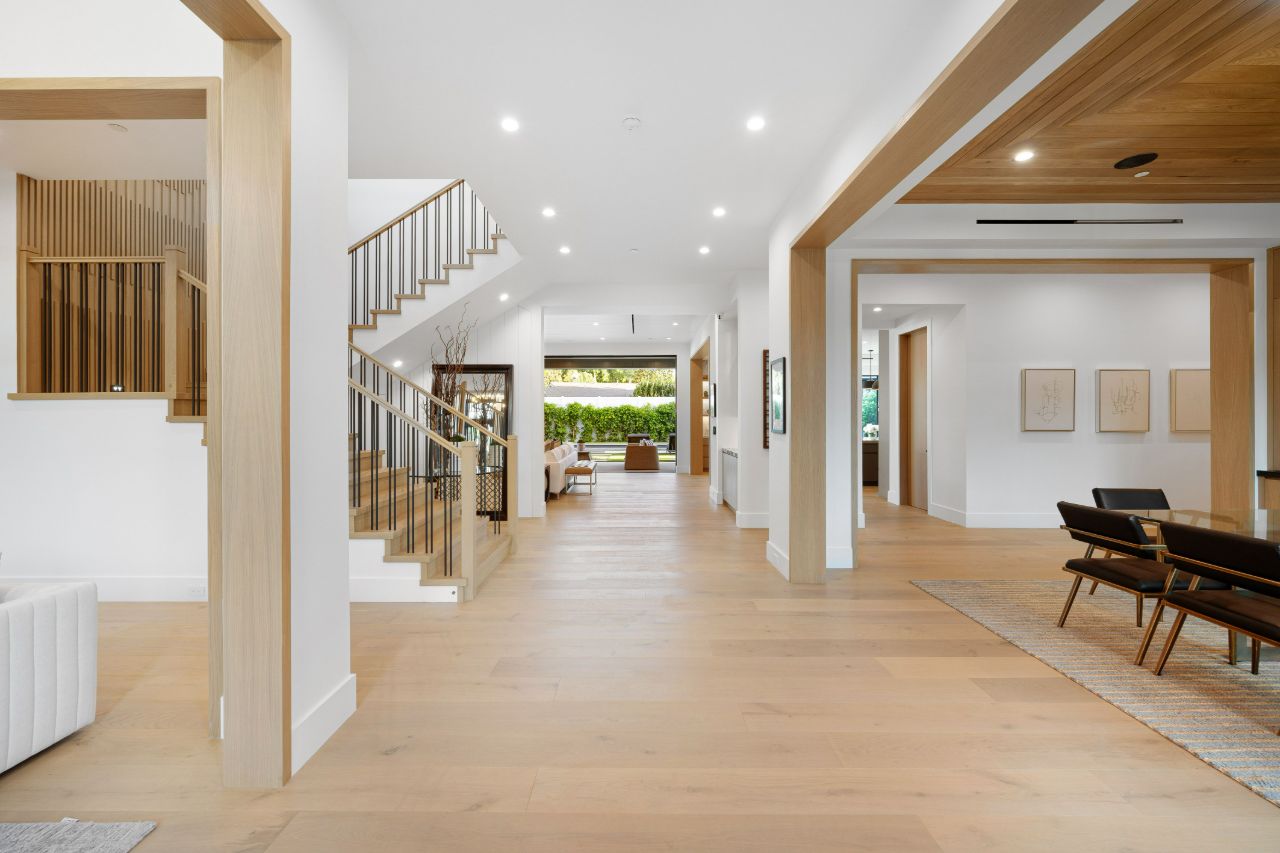
- Planning your projectWhat affects the cost of a flooring projectMaterial is only one line. Preparation, removal, transitions and the building itself shape the total.

