Choosing flooring
SPC, WPC and glue-down LVT explained
Modern Wood Flooring team · Published October 16, 2026

SPC and WPC are both rigid-core vinyl planks that usually click together and float. SPC has a dense stone-plastic core that resists dents and temperature changes; WPC has a foamed core that feels softer and quieter. Flexible glue-down LVT is thin, bonds to the subfloor, and suits commercial spaces and very flat floors.
What do SPC, WPC and LVT actually mean?
All three are luxury vinyl. They share the same top: a clear wear layer over a printed design layer that imitates wood or stone. The difference is the core underneath, and that core decides how the floor feels, how it installs, and what subfloor it tolerates.
- SPC stands for stone-plastic (or stone-polymer) composite. The core is mostly powdered limestone bound with PVC, making it dense and stiff.
- WPC stands for wood-plastic (or wood-polymer) composite. The core is PVC with foaming agents, and in some products wood flour. It is thicker and lighter than SPC for the same stiffness.
- LVT originally meant luxury vinyl tile: thin, flexible vinyl glued to the floor. The term is now often used for the whole category, so check the product's construction rather than the name.
In our catalog, many rigid-core SPC planks are listed in the luxury vinyl tile family alongside tile formats. Each product page shows thickness and installation method where the manufacturer has supplied them.
SPC vs WPC vs glue-down LVT at a glance
| SPC rigid core | WPC rigid core | Flexible glue-down LVT | |
|---|---|---|---|
| Core | Limestone and PVC, dense | Foamed PVC composite, lighter | Flexible vinyl layers, no rigid core |
| Typical install | Floating click | Floating click | Full-spread adhesive |
| Feel underfoot | Firm, hard | Softer, warmer | Thin and firm; takes the feel of the subfloor |
| Sound | Can sound clicky without a good pad | Quieter underfoot | Quiet when fully bonded |
| Dent resistance | High | Moderate; heavy point loads can mark | Moderate; depends on wear layer and subfloor |
| Temperature stability | Good | Fair; more movement in heat and sun | Good once bonded, within adhesive limits |
| Subfloor flatness | Tolerates minor variation | Tolerates minor variation | Needs a very smooth, flat surface |
| Repairs | Disassemble from a wall or cut in a plank | Disassemble from a wall or cut in a plank | Lift and replace a single piece |
When is SPC the better choice?
SPC is the most common rigid core today, and for good reason in city homes. The dense core resists dents from furniture and dropped objects, and it stays stable when a sunny room heats up or a radiator runs hot in winter. It also bridges small subfloor imperfections better than thin vinyl, which helps over older concrete. In older Brooklyn houses, where wood subfloors may have some bounce, and in apartment buildings, where slabs are rarely perfectly flat, that forgiveness is a practical advantage.
The tradeoffs are feel and sound. SPC is hard underfoot and can transmit a clicky sound when floated. An attached pad or a separate acoustic underlayment softens both. Check that the underlayment you choose is approved by the plank manufacturer, because some products do not allow a second pad under an attached one.
When is WPC the better choice?
WPC suits bedrooms, playrooms and anywhere comfort matters more than heavy loads. The foamed core feels softer and warmer, and it absorbs some footfall noise. It is often thicker, which can help over slightly uneven subfloors but may create height issues at doors and transitions.
Because the core is less dense, WPC can dent under concentrated weight, such as a piano leg or a heavy cabinet. It also tends to expand more with heat, so rooms with strong direct sun or large temperature swings need attention to the manufacturer's limits and expansion gaps.
When is glue-down LVT the better choice?
Flexible glue-down LVT, often called dry-back, is the standard in offices, retail and multifamily corridors. Fully bonded to the subfloor, it does not shift under rolling chairs or carts, and a damaged plank or tile can be lifted and replaced on its own. It is thin, which helps where floor height is tight. It also suits rooms with heavy rolling loads, such as office chairs or a kitchen cart on casters.
Its main demand is a smooth, flat subfloor. Thin vinyl shows every bump, crack and trowel ridge underneath, so preparation often includes patching or self-leveling compound. Installation takes more labor and adhesive than a click floor. For residential rooms over a rough slab, a rigid core is usually more forgiving.
Flatness tolerances, adhesive types and approved substrates vary by manufacturer. Use the product's installation instructions, not a general rule, to judge whether your subfloor is ready.
What thickness should you look for?
Total thickness is less telling than it looks. A thicker plank may feel more solid and bridge small dips, but much of that thickness can be core or attached pad rather than wear layer. Compare three numbers on the spec sheet: overall thickness, wear layer in mil, and whether a pad is attached and what it is made of. In apartments, also check the combined height against doors and adjoining floors.
Can rigid-core vinyl handle radiant heat and strong sun?
Many rigid-core products are approved over radiant heat within a maximum surface temperature, and SPC generally handles heat better than WPC. Large windows can warm a floor well above room temperature in summer, and some manufacturers set limits for direct sunlight or recommend window treatments. Our guide to flooring over radiant heat covers heated floors in more detail.
What about water, sound rules and NYC buildings?
All three resist water at the surface, and many rigid-core products are sold as waterproof. As with any floating floor, water can still pass through seams and around edges to the subfloor, so wet rooms need careful perimeter detailing and spills should be wiped up.
In co-ops and condos, the core type matters less than the underlayment. Many buildings require a stated IIC or STC rating, and the tested assembly usually includes a specific underlayment and slab. Ask the manufacturer or your building for the tested assembly before ordering. Our guide to co-op and condo sound rules explains the ratings.
How to choose a vinyl core
- Check the subfloor: rough or slightly uneven points to rigid core; very flat and prepared suits glue-down.
- Consider loads: heavy furniture and appliances favor SPC.
- Consider comfort and sound: bedrooms and family rooms may favor WPC or a good pad.
- Check the room: strong sun or temperature swings favor SPC or glue-down.
- Compare wear layers, which matter as much as the core for scuffs and scratches.
Our wear layer guide covers that last step. To see the difference in feel, it helps to hold an SPC sample and a WPC sample at the same time. Browse vinyl plank to start comparing.
Common questions
Is SPC or WPC better?
SPC is better for dent resistance and temperature stability; WPC is better for comfort and quiet underfoot. Both are water-resistant rigid cores.
Is SPC flooring the same as LVP?
SPC is one type of LVP. LVP describes the plank format; SPC describes the core inside it.
Can rigid-core vinyl go over existing tile?
Often yes, if the tile is sound, flat and the grout lines are within the manufacturer's tolerance. Some products require filling grout lines first; check the instructions.
Does glue-down LVT need a perfect subfloor?
Close to it. Thin flexible vinyl telegraphs bumps and cracks, so most slabs need patching or leveling before installation.
Can I glue down a rigid-core plank?
Some rigid-core products are approved for glue-down installation as well as floating. Use only the methods listed in the product's installation instructions.
Floors this guide covers
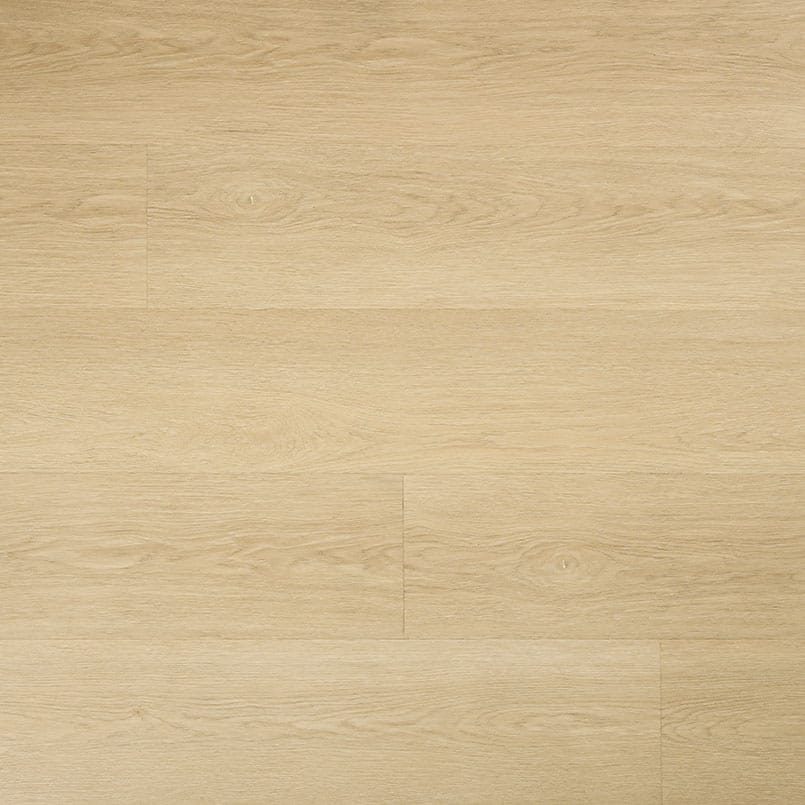
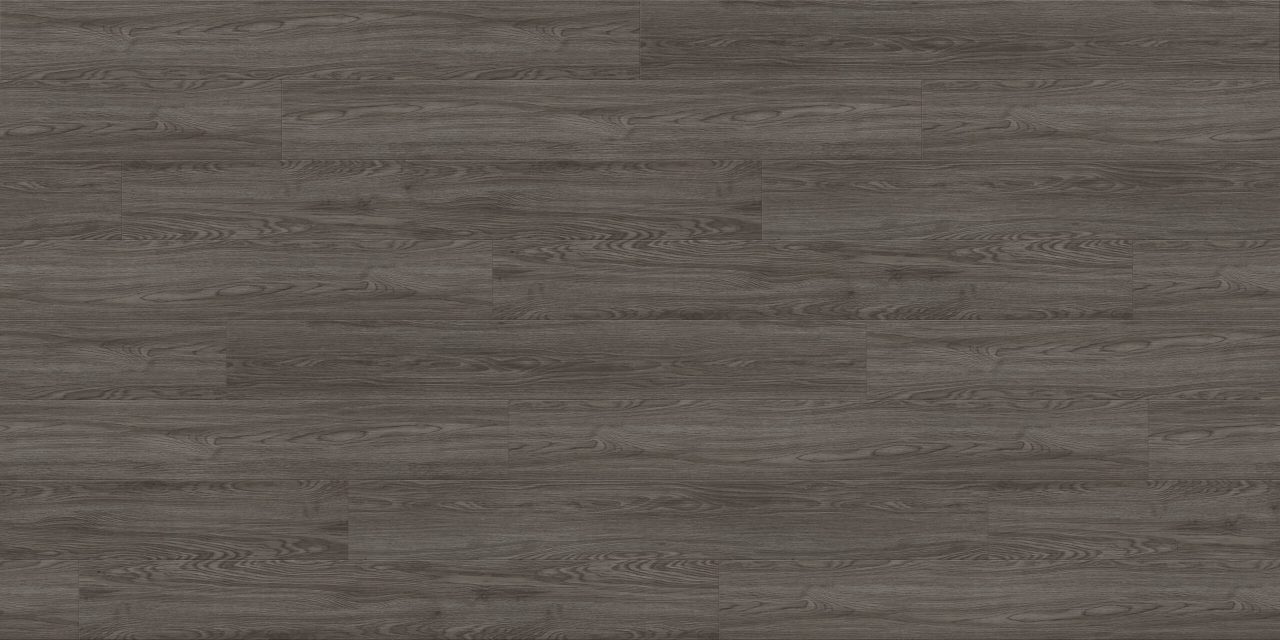

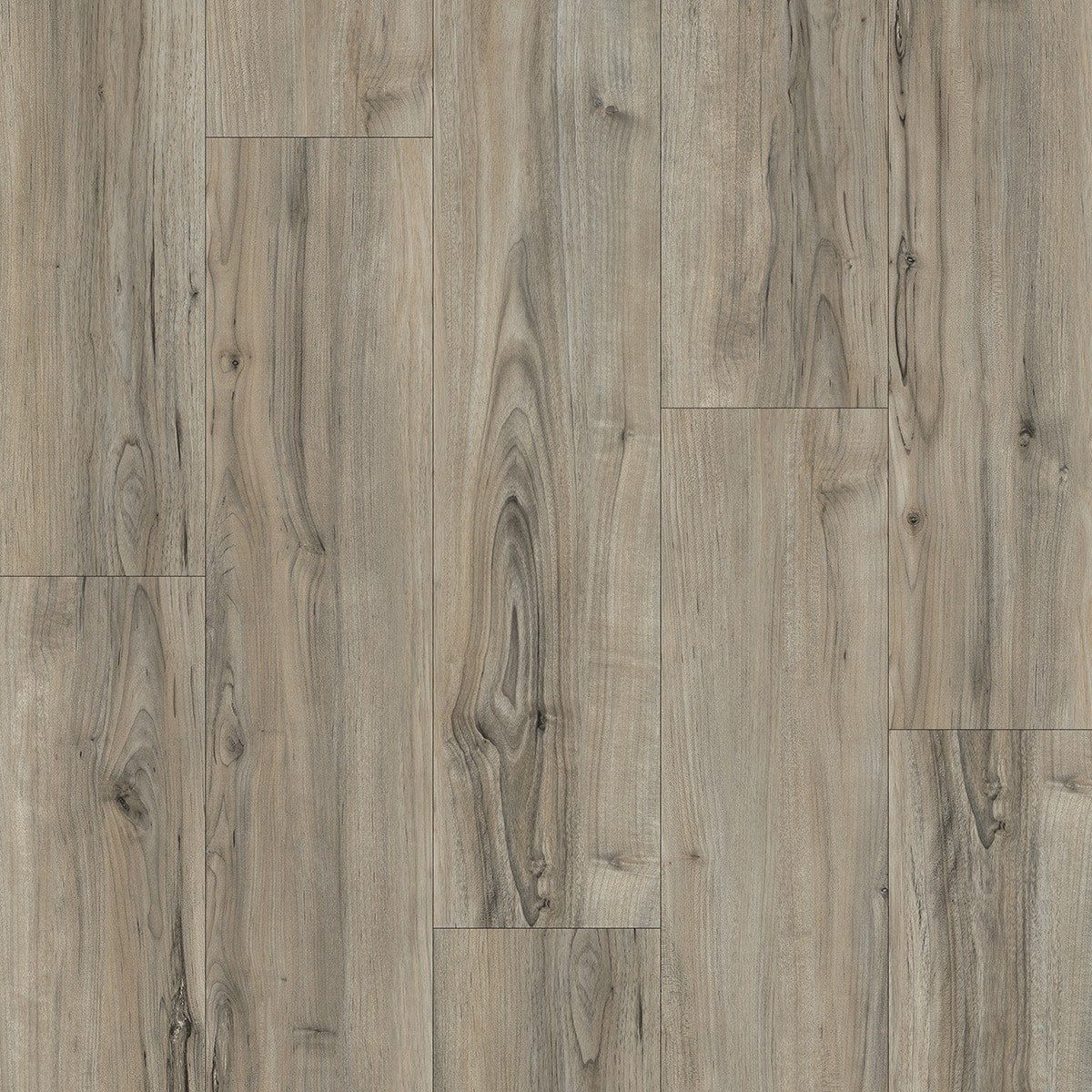


Examples from the current catalog in these material families; specifications on each product page are as listed by the manufacturer.
Related guides
All guides