Planning your project
Which flooring works over radiant heat?
Modern Wood Flooring team · Published October 16, 2026

Engineered wood is usually the first choice over radiant floor heating, and many vinyl plank and LVT products are also approved for it. Solid hardwood can work in some cases but is more prone to gaps and movement. Whatever you choose, keep the floor surface within the manufacturer's temperature limit and change the heat gradually.
Radiant heat and flooring can live together well. Most problems come from a mismatch between the product and the system, or from heat that is turned up too fast or too high. Here is what to know before you choose.
How does radiant floor heating affect flooring?
Radiant systems warm the floor from below. Hydronic systems circulate warm water through tubing, either set in a concrete slab or attached under a wood subfloor. Electric systems use thin heating cables or mats under the floor. Both put the flooring in direct contact with the heat source.
That creates two pressures on the floor. Heat dries the air and the materials close to it, so wood loses moisture and shrinks. And the temperature at the surface rises and falls through the day and the season. Wood, and to a lesser degree vinyl, responds to both. The aim is to keep those swings small and slow.
Which flooring types are generally compatible with radiant heat?
| Flooring | General fit over radiant | Things to watch |
|---|---|---|
| Engineered wood | Usually the best wood option; the layered core resists shrinking and swelling | Confirm the product is approved for radiant use; thinner boards often transfer heat better |
| Solid hardwood | Possible with care, but more prone to gaps, cupping and cracking | Many manufacturers limit width or species, or do not cover radiant use at all |
| Vinyl plank and LVT | Many products are approved for radiant heat | Vinyl can soften or move if overheated; surface limits are often strict |
| Rigid-core vinyl (SPC) | Many products are approved | Check the core's rated temperature limit and underlayment guidance |
| Carpet | Works, but insulates the floor | Thick pad slows heat transfer and lowers efficiency |
Tile and stone are also traditional partners for radiant heat, especially in bathrooms. For the wood and vinyl floors we carry, the most important step is checking that the specific product's warranty covers radiant installation, and on which systems.
What surface temperature can a floor handle?
This is the most important number in any radiant installation. Most flooring manufacturers set a maximum floor surface temperature, often in the range of about 80 to 85 degrees Fahrenheit, which is roughly 27 to 29 degrees Celsius. The National Wood Flooring Association's guidelines limit the surface temperature of installed wood floors to 80 degrees Fahrenheit. Some products allow a little more, and some less.
- Find the exact limit in the product's installation instructions or warranty, and follow it.
- Ask your heating contractor to set the system with a floor-temperature sensor or limiting control, not only an air thermostat.
- If the room needs more heat than the floor can deliver at its limit, plan for supplemental heat rather than running the floor hotter.
- Avoid thick rugs, mats and furniture with solid bases in heated areas where possible. They trap heat, and the floor beneath them can run warmer than the rest of the room.
Temperature limits, approved systems and installation methods vary by product. Check the product's installation instructions and warranty before you buy, and share them with your heating contractor and installer.
Engineered vs solid wood over radiant heat
Engineered wood has a real wood top layer bonded to a core of cross-layered plywood or a similar stable material. The layers resist each other's movement, so the board changes size far less than solid wood when moisture levels drop. That is why many manufacturers recommend engineered wood for radiant systems.
Solid hardwood is one piece of wood, so it shrinks and swells across its width as conditions change. Over radiant heat, that tends to show up as gaps between boards in the heating season. If you want solid hardwood, these choices usually help:
- Narrower boards, which move less in total than wide ones.
- Quarter-sawn or rift-sawn boards, which are generally more stable than plain-sawn.
- Stable species. Some species, such as maple and hickory, are known to move more and are often considered less suited.
- Strict humidity control all year.
Wide planks of either type need extra care, since a wider board shows more movement. Our wide plank flooring guide covers this in more detail.
What should you know about LVP over radiant heat?
Many vinyl plank and LVT products work well over radiant heat. They are thin, they transfer heat reasonably well, and they do not shrink with dry air the way wood does. Their limits are about temperature instead. Vinyl can expand, soften or lose adhesive grip if it gets too hot, so the manufacturer's surface limit matters just as much.
Underlayment matters too. A thick or highly insulating pad slows heat reaching the room. Some manufacturers specify a particular underlayment, or none, over radiant systems. Glue-down installations also depend on an adhesive rated for radiant use.
How should you heat up a new floor over radiant heat?
Gradual is the rule, both before and after installation. Exact steps vary by manufacturer and by system, but a common sequence looks like this:
- If the system is new, especially in a new concrete slab, run it for a period before installation to help dry the slab. Your installer should confirm moisture levels by testing.
- Lower the system, or turn it off, for the period the manufacturer specifies before installation, so the floor goes down onto a moderate surface.
- Install the floor following the product's instructions for radiant subfloors.
- After installation, bring the heat back slowly, often a few degrees per day, until you reach normal operating temperature.
- At the start and end of each heating season, change settings gradually rather than all at once.
Nail-down installation over radiant systems needs special care, since a fastener can puncture tubing. Floating or glue-down is more common over in-slab systems. Our guide to installation methods explains the difference.
What about radiant heat in NYC homes?
Most older Brooklyn buildings are heated by steam or hot-water radiators rather than radiant floors. Radiant heat shows up more often in newer condo developments, gut renovations, and bathroom or kitchen remodels. If you are buying into a newer building, ask whether the floors are heated before you choose a product.
Winter air in NYC is already dry, and radiant heat adds to it. A humidifier that keeps indoor relative humidity in the moderate range your flooring manufacturer specifies will help wood floors stay tight. If you are unsure what kind of heat is under your floor, bring photos or building information to the showroom and we can help you narrow the options.
Common questions
Can hardwood floors go over radiant heat?
Yes, with the right product. Engineered wood is the usual choice. Solid hardwood can work in some cases, but many manufacturers limit width or species or exclude radiant use, so check the warranty.
What is the maximum floor temperature for radiant heat?
It depends on the product. Many manufacturers set a surface limit in the range of about 80 to 85 degrees Fahrenheit, and NWFA guidelines use 80 degrees for wood. Always follow the specific product's limit.
Is vinyl plank safe over radiant heat?
Many vinyl plank and LVT products are approved for radiant heat, as long as the surface stays within the manufacturer's limit. Check the product's installation instructions before you buy.
Do I need a special underlayment over radiant heat?
Often, yes. A thick or insulating pad can block heat, so manufacturers may specify a particular underlayment or none at all. Follow the product's guidance.
Why do gaps appear in my wood floor in winter?
Heat dries the wood and it shrinks. Radiant systems and dry winter air both add to this. Humidity control and gradual temperature changes help keep gaps small.
Sources
Floors this guide covers
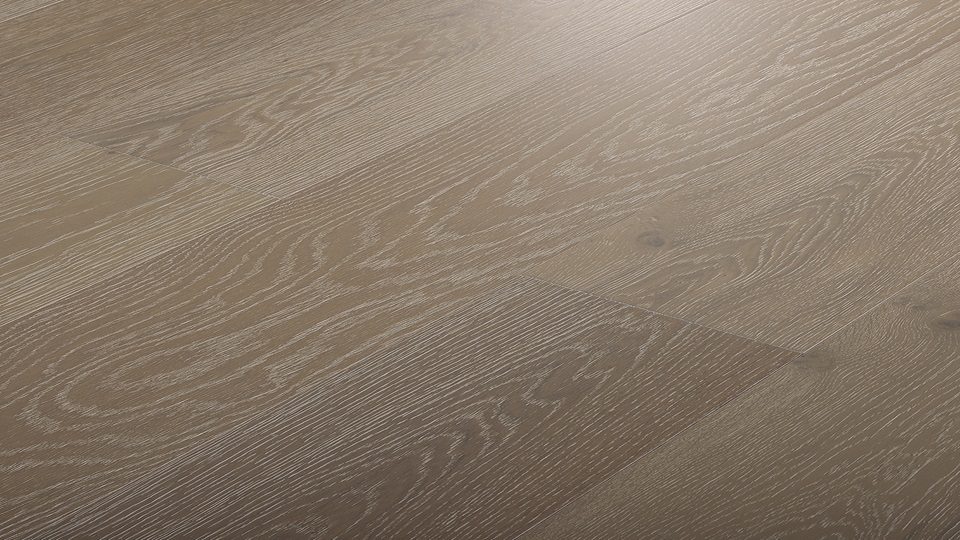
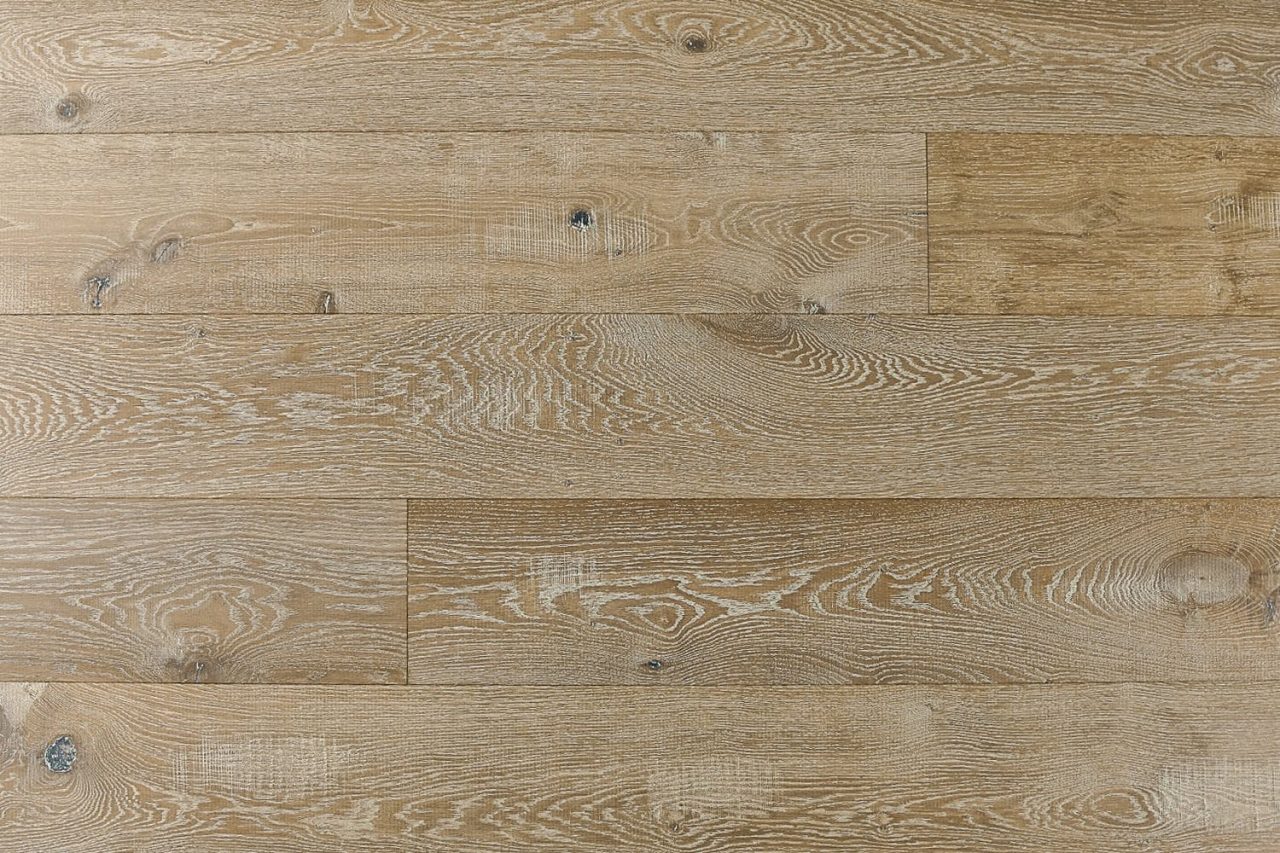
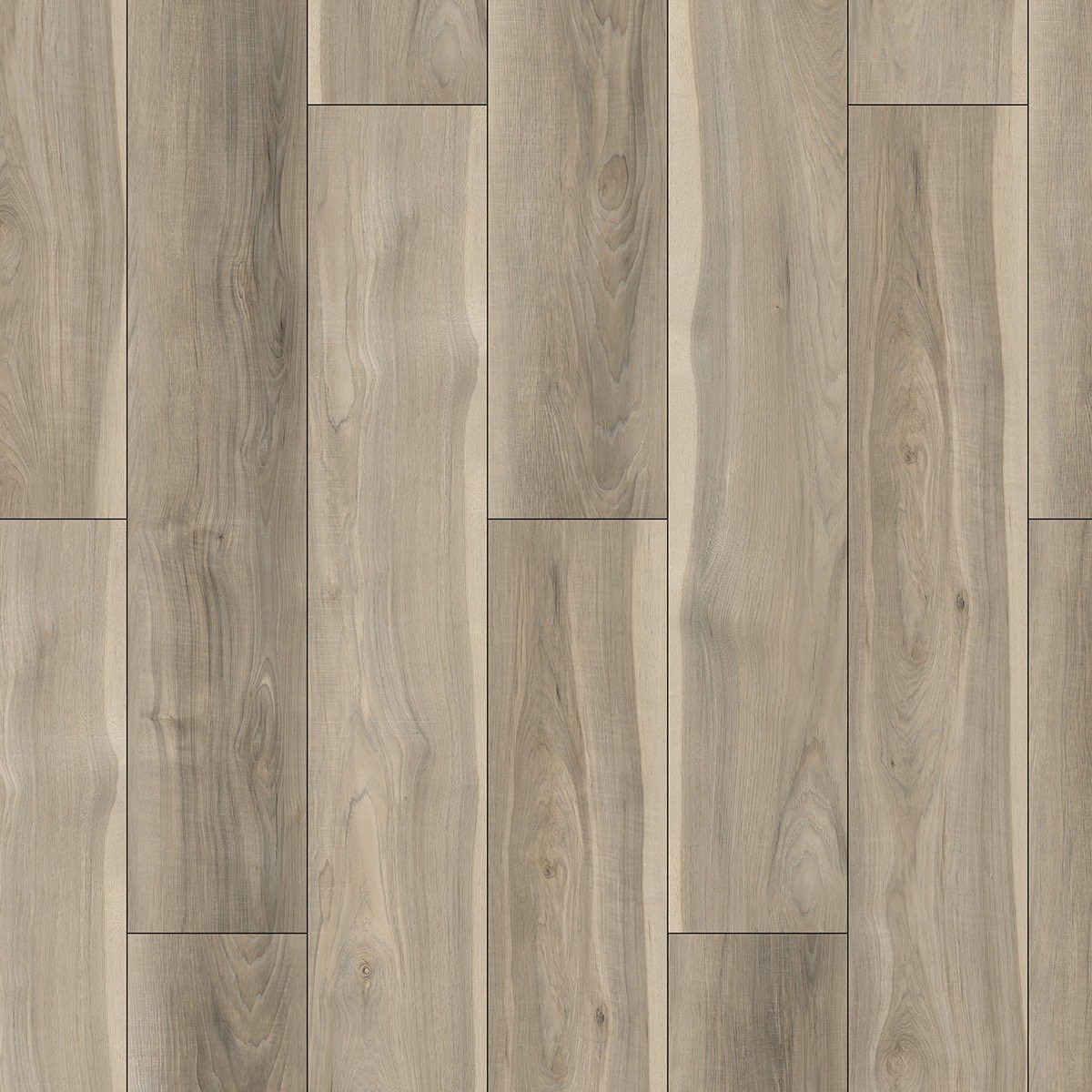
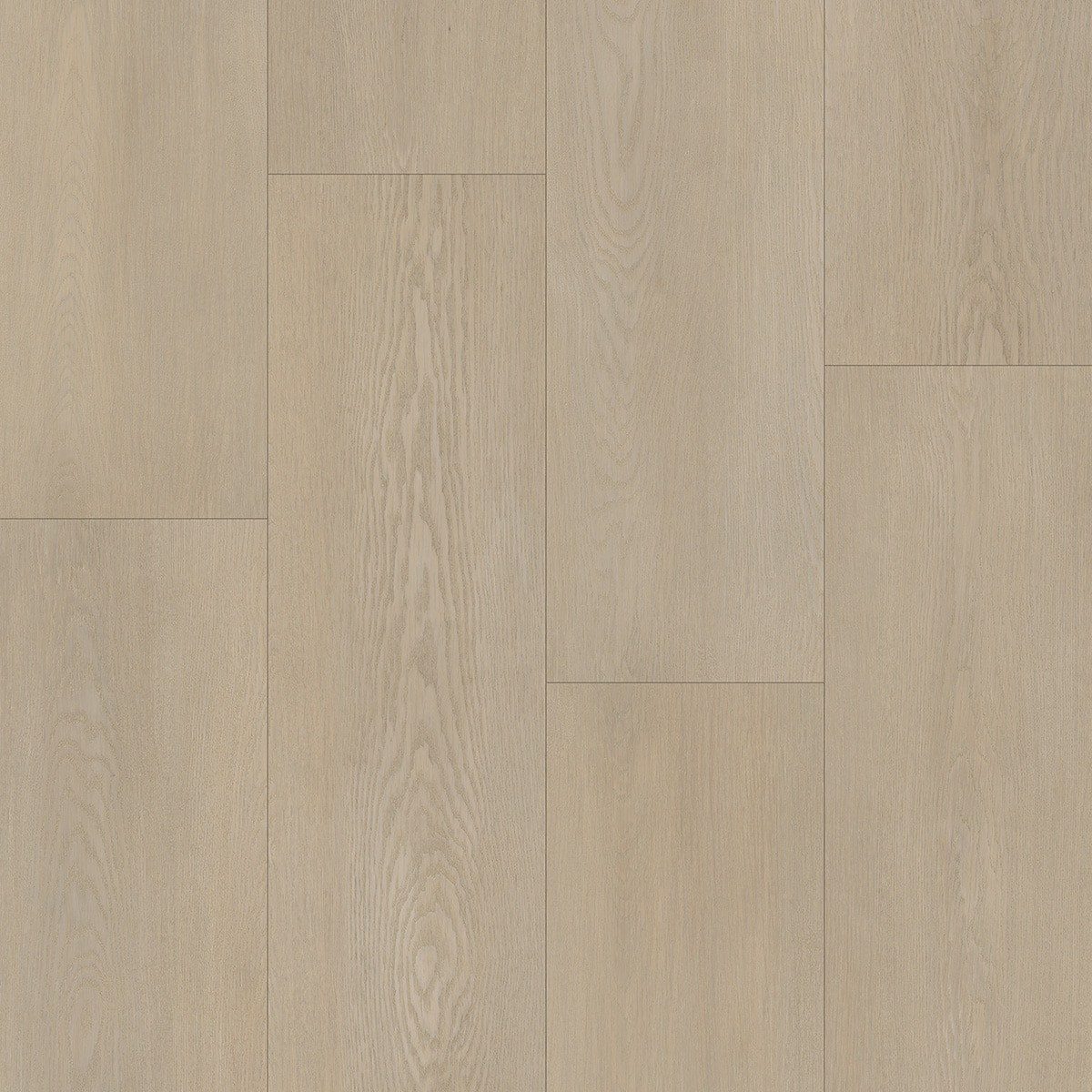


Examples from the current catalog in these material families; specifications on each product page are as listed by the manufacturer.
Related guides
All guides