Choosing flooring
Wide plank flooring: what to know before you choose
Modern Wood Flooring team · Published October 16, 2026

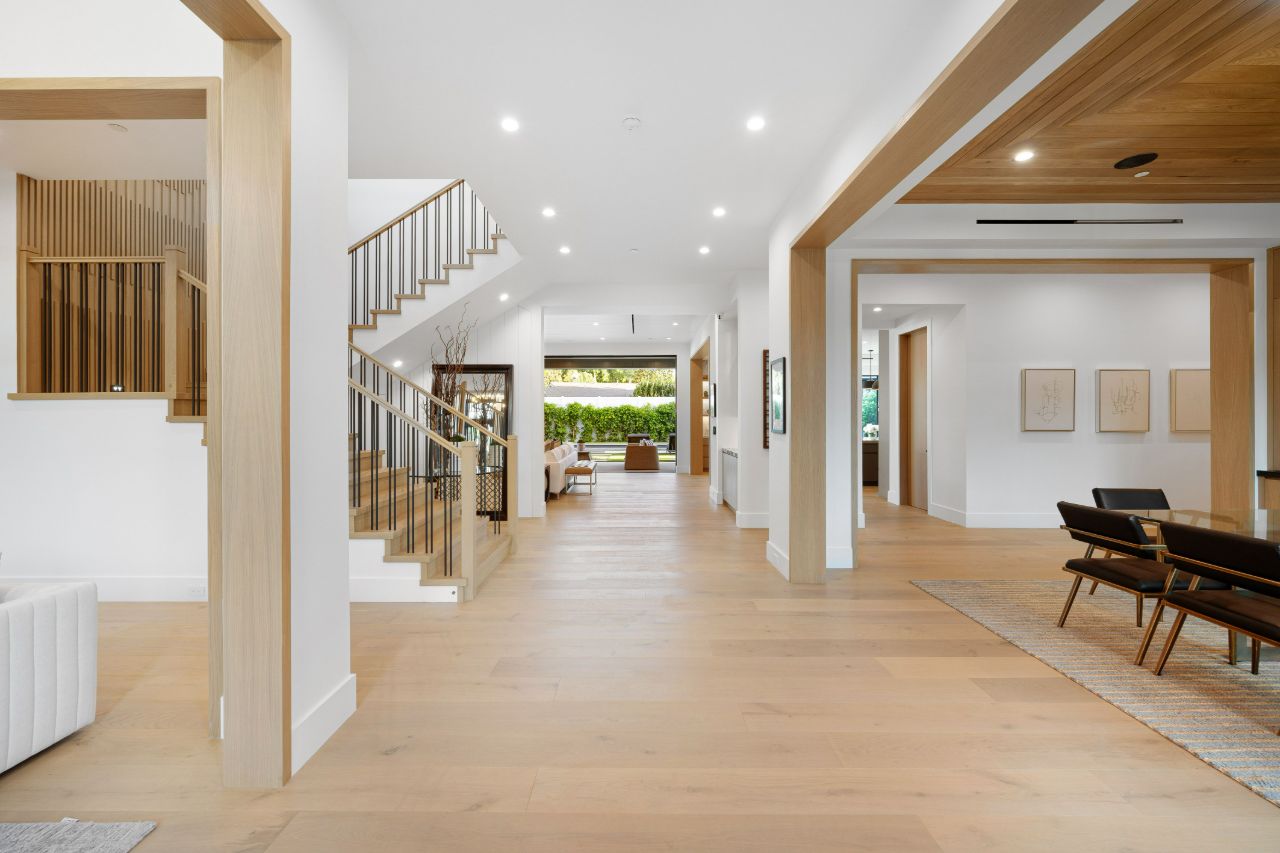
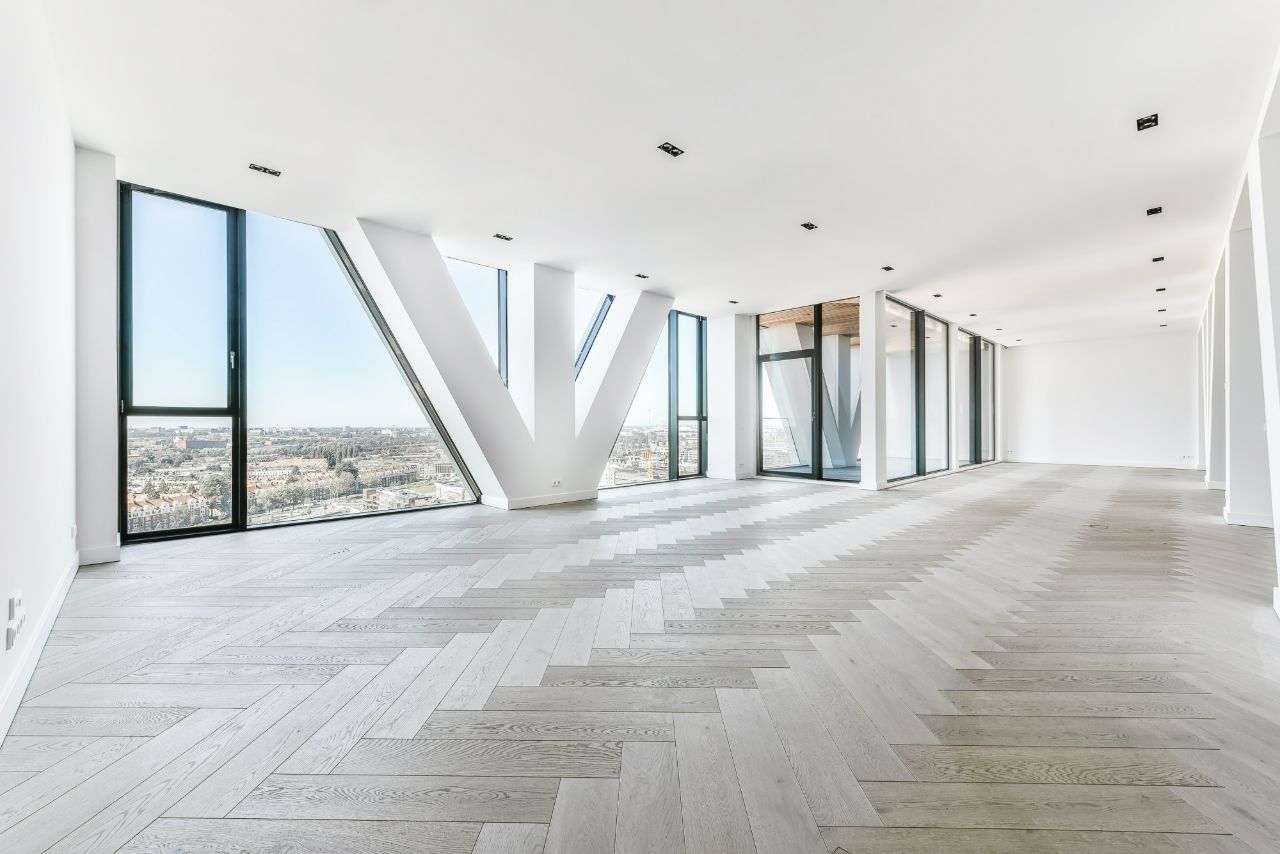
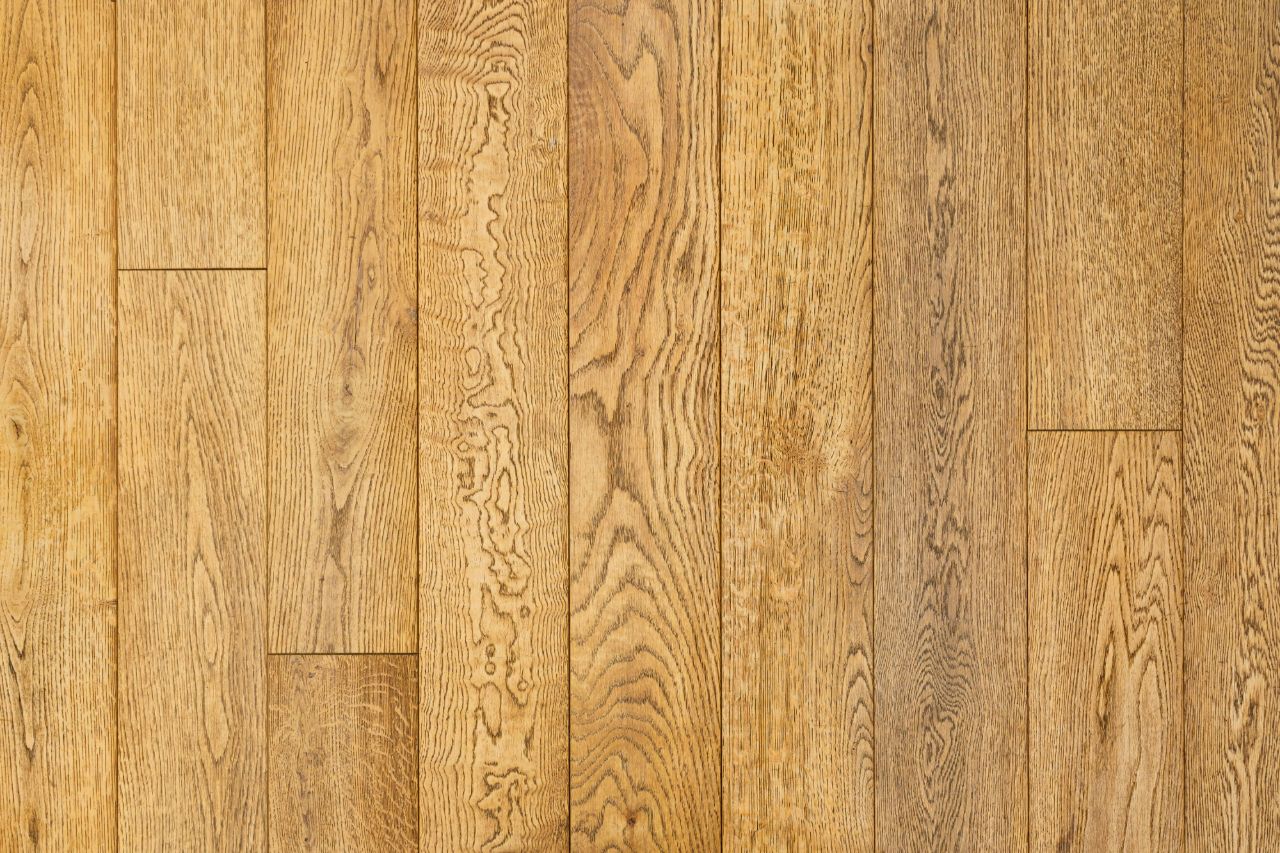
There is no official cutoff, but today most people mean boards around 7 inches wide and up when they say wide plank. Wide boards show more grain and fewer seams. Because wood moves with humidity, and wider boards move more, engineered wood is usually the safer choice for wide planks, especially in New York's dry winters and humid summers.
What counts as wide plank flooring?
The wood flooring industry has long used two simple terms. Strip flooring is narrower than 3 inches, like the classic 2 1/4 inch oak strip found in many older apartments. Plank flooring is 3 inches and wider. That definition is old, though, and boards have grown much wider since.
In everyday use today, the terms usually break down like this. Manufacturers label their own products differently, so treat it as a rough guide.
| Width | What people usually call it | Typical look |
|---|---|---|
| Under 3 inches | Strip | Traditional, busy, many seams; common in older NYC apartments |
| About 3 to 5 inches | Narrow or standard plank | Classic and versatile |
| About 5 to 7 inches | Standard to wide | Calmer, more contemporary |
| About 7 inches and up | Wide plank | Few seams, long grain patterns, a relaxed look |
In our catalog, wide engineered options run to roughly 8 1/2 to 9 1/2 inches, such as Montserrat European Oak Tan Wirebrushed at 9 inches. Check each product page for its exact width and length.
Why is engineered wood preferred for wide boards?
Wood takes on and gives off moisture as the air around it changes. As it does, a board swells and shrinks, mostly across its width. A wider board has more wood to move, so the change at each seam is larger.
Engineered flooring has a real wood top layer bonded to a core made of cross-layered wood plies or other stable material. Because the layers run in different directions, they resist each other's movement. The board still moves, but much less than a solid board of the same width.
| Wide engineered | Wide solid | |
|---|---|---|
| Movement with humidity | Less, thanks to the layered core | More; grows with width |
| Over concrete slabs | Many products can be glued down; check instructions | Generally not installed directly on concrete |
| Installation options | Often glue, nail or float, by product | Usually nailed to a wood subfloor; wider boards often also need adhesive |
| Refinishing | Depends on wear layer thickness | Can usually be sanded several times |
| Risk of gaps and cupping | Lower, though not zero | Higher, especially without humidity control |
Wide solid boards can work well, mainly over a wood subfloor in a home where humidity is kept steady. For a fuller comparison, see engineered vs solid wood in NYC apartments.
What causes gapping, cupping and crowning?
These are the three most common complaints with wide wood floors. All three are mostly about moisture.
- Gapping: gaps open between boards when the air is dry and the boards shrink. In NYC this usually shows up in winter, when heating dries out indoor air. Some seasonal gapping is normal for wood, and the gaps often close again in summer.
- Cupping: the edges of a board rise higher than its center. It usually means the underside of the board took on more moisture than the top, often from a damp subfloor, a basement or a leak.
- Crowning: the center of a board sits higher than its edges. It can happen when a cupped floor is sanded flat before it has dried out, or when the top of the board takes on moisture.
Wide boards make each of these more visible. A seasonal gap that you would not notice on narrow strip flooring is easier to see on a 9 inch board.
Many wood flooring manufacturers state a required indoor humidity range and acclimation steps in their installation instructions and warranty. Read them before you buy, and plan how you will keep humidity in range year round.
How do steam heat and NYC seasons affect wide planks?
Many older New York buildings have steam or hot-water radiators, and they can make indoor air very dry in winter. Summers are humid, and many apartments sit closed up with the air conditioning off for part of the day. That swing is hard on any wood floor and harder on wide solid boards.
- Run a humidifier in winter if the product's instructions call for a humidity range that your home falls below.
- Use air conditioning or a dehumidifier in muggy summers.
- Keep wood away from leaking radiator valves and check them before installation.
- In basements and below-grade rooms, test for moisture and read our basement flooring guide before choosing wood.
Do wide planks suit small rooms?
Yes, often. A common worry is that wide boards will overwhelm a small room. In practice, fewer seams can make a small room feel calmer and less busy. What matters more is proportion and light.
- In a narrow room, a very wide board may show only a few full boards across the width, which can look sparse. Look at a few boards side by side on the floor.
- Longer boards suit wide planks. Very short wide boards can look choppy.
- Light tones and matte finishes help wide boards read calmly in small, dim rooms.
- Busy grain or heavy character, such as many knots, shows more on wide boards.
Which direction should wide planks run?
For looks, most people run planks along the longest wall, or parallel to the main source of light, so seams are less visible. In a long, narrow room, running them lengthwise usually makes the room feel calmer.
Structure matters too. When solid wood is nailed over a wood subfloor on joists, industry guidance generally calls for running the boards perpendicular to the joists, unless the subfloor has been reinforced. That is common in Brooklyn row houses and detached homes. On concrete slabs in apartment buildings, direction is mostly a design decision, within the product's instructions.
Wide boards show an uneven subfloor more than narrow ones. Check the flatness requirement in the product's installation instructions and plan any leveling before the floor goes in.
Is wide plank vinyl a good alternative?
Vinyl plank and LVT come in wide formats, and they do not move with humidity the way wood does. They make sense in kitchens, basements and rentals where water is a bigger concern than refinishing. Many are around 7 to 9 inches wide. You can browse vinyl plank or read LVP vs engineered hardwood to compare.
Common questions
Is wide plank flooring still in style?
Wide boards have been popular for years and work across modern and traditional rooms. Width is one choice among many, along with color, finish and species, so pick what suits your space rather than a trend.
Do wide planks gap more than narrow boards?
Each seam can open wider because each board moves more. Engineered wide planks move much less than solid ones, and keeping indoor humidity steady helps either way.
Can wide plank engineered flooring go over concrete?
Many engineered products can be glued directly to a concrete slab or floated over it, following the manufacturer's instructions for moisture testing and flatness. Solid wood is generally not installed directly on concrete.
Do wide planks make a room look bigger?
They can make a room look calmer because there are fewer seams. Whether it looks bigger depends more on color, light and direction than on width.
Can wide engineered planks be refinished?
It depends on the thickness of the wood wear layer. Some engineered floors can be sanded and refinished, others only screened and recoated. Check the product specifications, or see our guide to wear layers.
Sources
Floors this guide covers
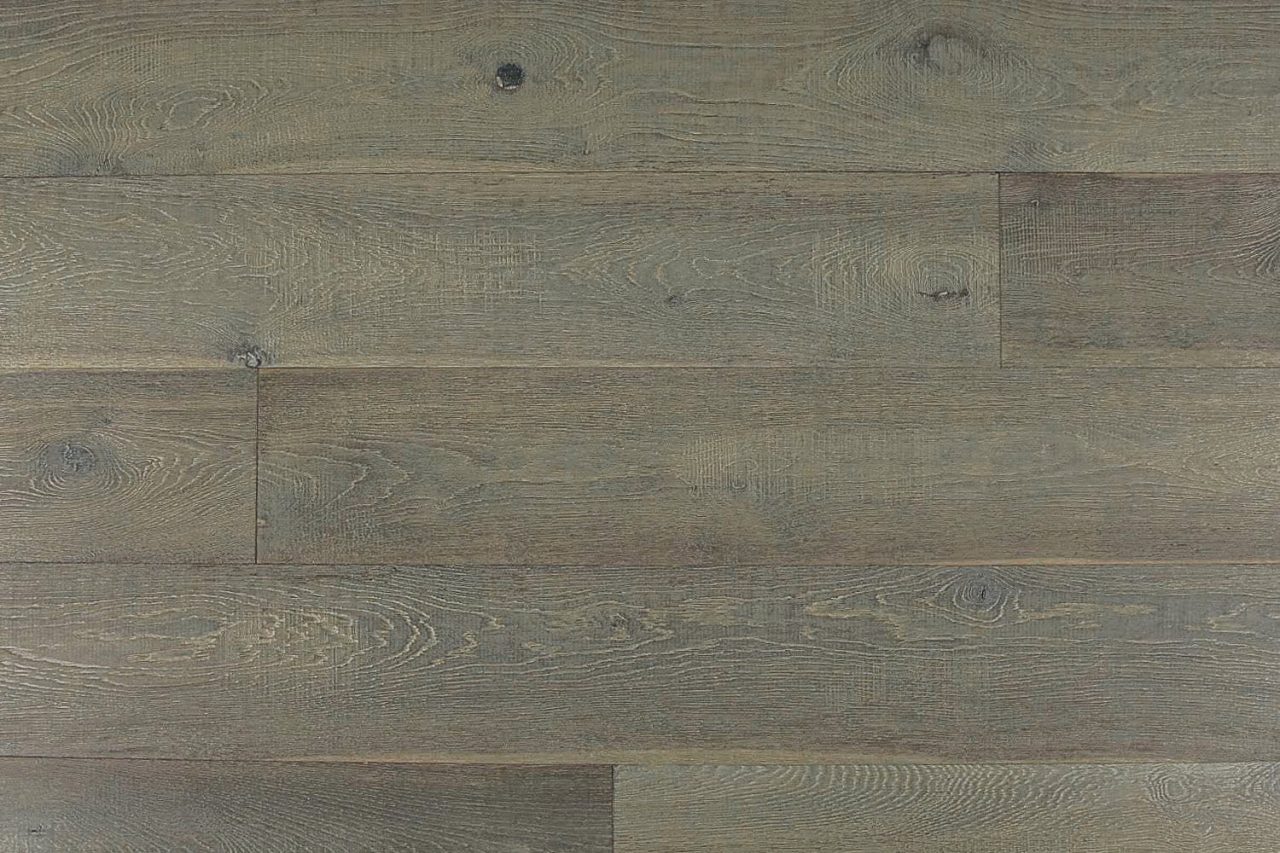
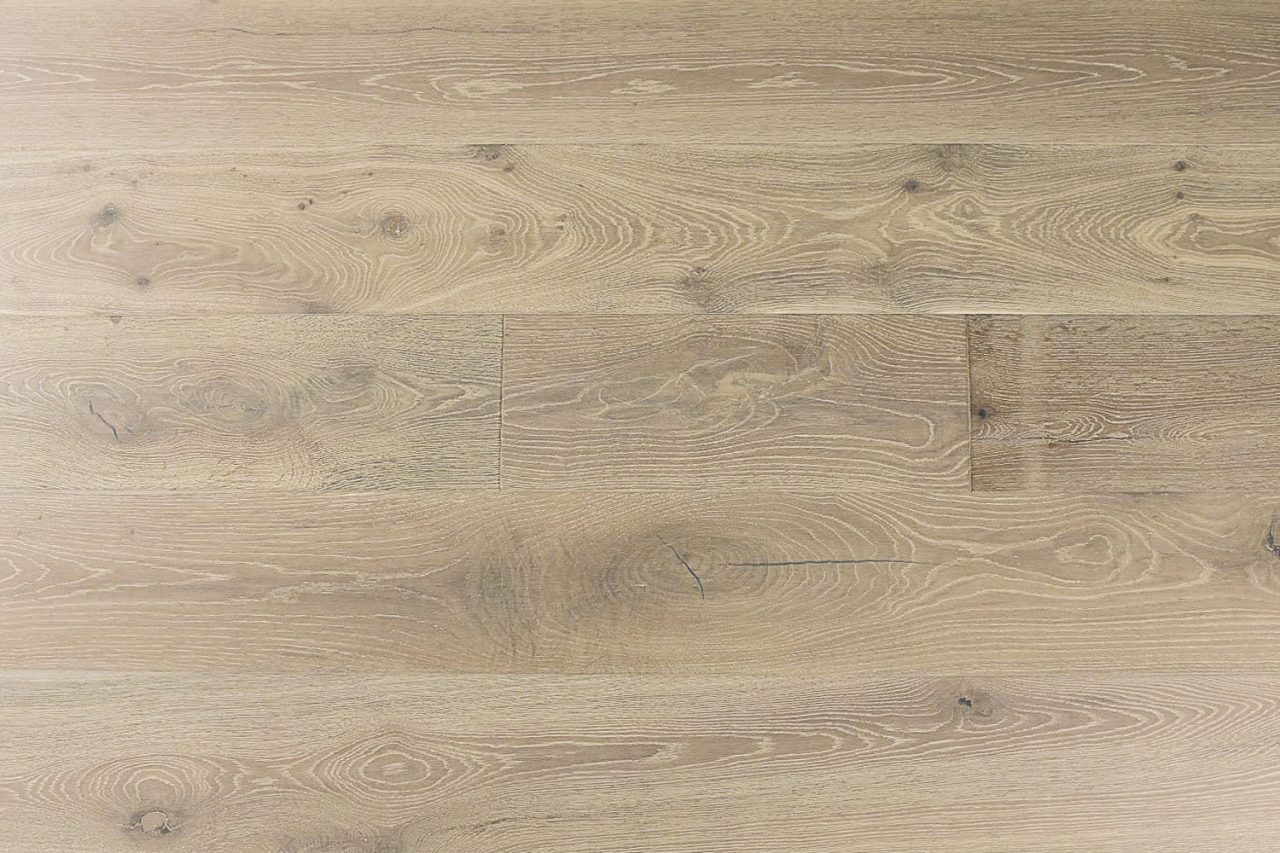
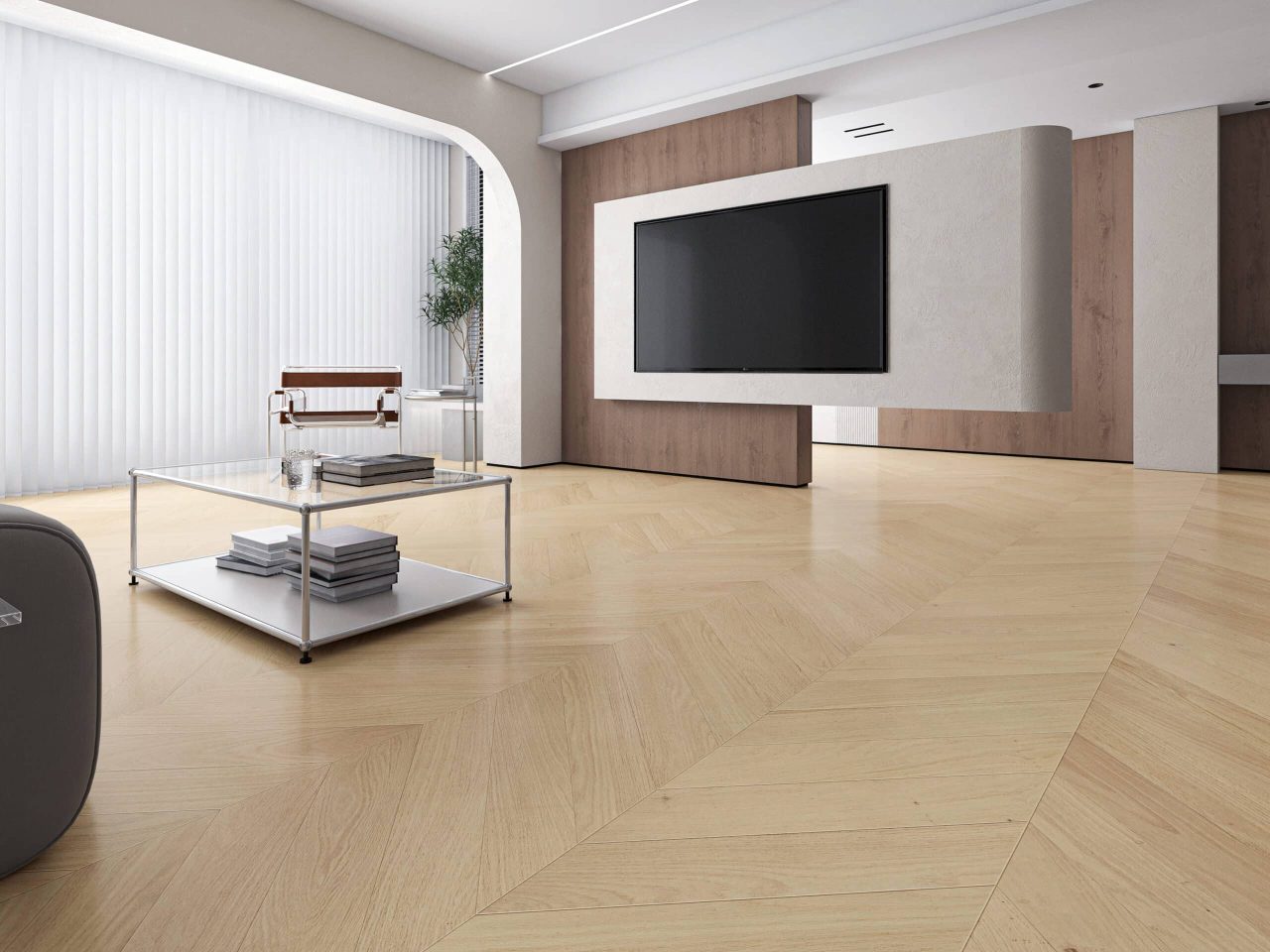
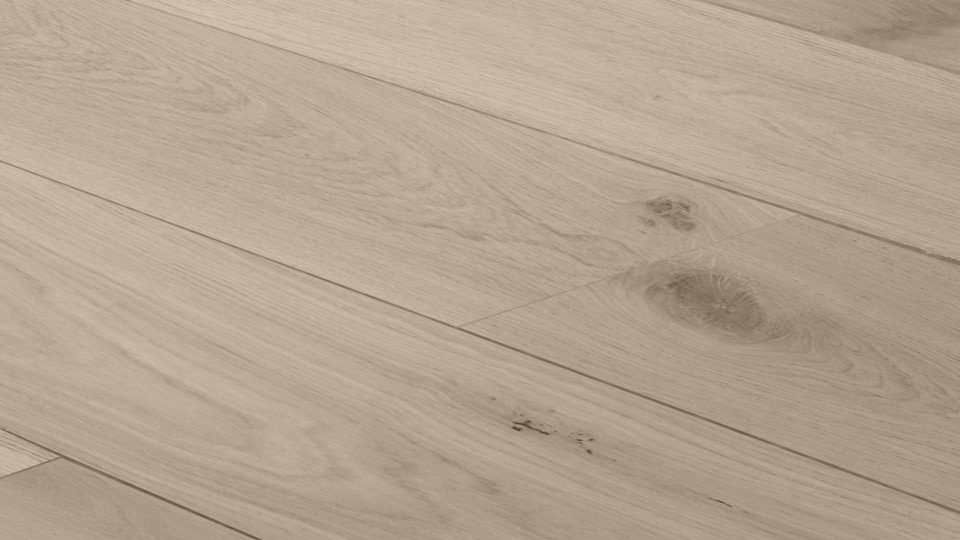


Examples from the current catalog in these material families; specifications on each product page are as listed by the manufacturer.
Related guides
All guides