Choosing flooring
Luxury vinyl plank or engineered hardwood?
Modern Wood Flooring team · Published October 16, 2026

Choose luxury vinyl plank (LVP) where water, pets, heavy traffic or a below-grade room is the main concern. Choose engineered hardwood where you want real wood that feels warm, ages naturally and can usually be refinished. Many Brooklyn homes use both: engineered wood in living spaces and LVP in kitchens, basements or rentals.
What is the difference between LVP and engineered hardwood?
Engineered hardwood is a layer of real wood bonded to a plywood or composite core. What you see and touch is timber, finished with oil or a factory coating.
LVP is a resilient plank. Most current products have a rigid core of stone-plastic composite (SPC) or wood-plastic composite (WPC), a printed design layer that imitates wood, and a clear wear layer on top. Better products emboss the surface texture to follow the printed grain, which is why some vinyl looks convincing from standing height. Our guide to SPC, WPC and glue-down LVT explains the cores.
Vinyl vs wood flooring: a side-by-side comparison
| Engineered hardwood | LVP | |
|---|---|---|
| Surface | Real wood | Printed image under a clear wear layer |
| Water resistance | Sensitive to standing water and leaks | Planks highly water-resistant; many sold as waterproof |
| Scratches | Shows scratches; finish can be renewed | Wear layer resists light scratches; deep cuts are permanent |
| Dents | Softer species dent more | Rigid cores resist dents well; heavy point loads can mark |
| Refinishing | Usually possible, depending on wear layer | Not possible; replace damaged planks |
| Below grade | Only products approved for it | Generally suitable |
| Feel and sound | Warm, solid, natural | Can feel harder or sound hollower, depending on underlayment |
| Sunlight | Wood changes color over time | Generally more color-stable; check UV ratings |
| Installation | Nail, glue or float, by product | Mostly floating click; some glue-down |
Which handles water better?
LVP, clearly. A vinyl plank does not swell when wet, so a dog bowl, a dripping dishwasher or a damp basement will not damage the plank itself. That is why vinyl is common in kitchens, laundry rooms and below-grade spaces.
Two cautions apply. First, waterproof planks do not make a waterproof floor. Water can travel through seams and around the edges to the subfloor, where it can cause mold or damage below. Second, a slow leak under a floating floor can go unnoticed. Wipe spills, seal perimeters in wet rooms where the instructions call for it, and fix leaks quickly.
Engineered hardwood tolerates normal kitchen life if spills are wiped up, and it handles humidity swings better than solid wood. It does not tolerate standing water, flooding or chronic damp.
Which is more durable day to day?
It depends on the kind of wear. A good LVP wear layer resists the fine scratches that grit and pet claws leave on a wood finish, and rigid cores resist most dents. But a dragged appliance or a sharp object can gouge vinyl, and that damage cannot be sanded out. The fix is replacing planks, which is easier if you keep spare boxes from the same batch.
Engineered hardwood will show wear sooner. The difference is what happens next. Surface scratches can be blended, the finish can be screened and recoated, and a floor with a thick enough wear layer can be fully sanded and refinished. Wire-brushed textures and matte finishes also hide everyday marks well. Our wear layer guide explains how wear layers differ between wood and vinyl, because the same term means different things.
Does LVP look and feel like real wood?
From a few feet away, a well-made LVP can look close to wood. Up close, and especially underfoot, most people can tell. Real wood has natural variation from board to board, and no two planks repeat. Vinyl repeats its print every so many planks; better products have more unique designs and fewer visible repeats.
Feel and sound matter too. Wood is warmer to the touch. Floating rigid-core vinyl can sound a little hollow or clicky underfoot, which a quality underlayment reduces. If you are deciding by look, compare samples of each side by side on your own floor.
How long does each one last?
Both can last many years with care. An engineered floor's life is tied to its wear layer: when the finish wears, it can be recoated, and a thick enough face can be sanded back to fresh wood. A vinyl floor's life is tied to its wear layer too, but once that clear layer wears through in a traffic path, the pattern underneath starts to show and the planks need replacing.
Manufacturers state residential and commercial warranty terms for each product, and those terms are a useful comparison point. Read what they exclude as well as what they cover. Keeping spare boxes from the original order helps with either floor, because matching a discontinued print or a wood batch years later can be difficult.
Which is easier to install?
Floating LVP clicks together and goes in quickly over a flat subfloor, which is one reason it is common in renovations on a tight schedule. Engineered wood can also float, but many apartment installations glue it to the slab, which takes more time and care. Either way, the floor is only as good as the subfloor preparation, and acclimation requirements, especially for wood, should be followed.
What matters in a Brooklyn apartment or house?
- Concrete slabs: both work over concrete. Engineered is glued or floated; LVP usually floats. Both need a flat, dry slab within the manufacturer's tolerance.
- Sound rules: many co-ops and condos require underlayment with a stated IIC or STC rating, whichever floor you choose. Confirm with your building before ordering.
- Steam heat: dry winter air affects wood more than vinyl. Engineered wood moves less than solid, but humidity control still helps.
- Basements and garden levels: LVP or LVT is usually the simpler choice below grade.
- Rentals: many landlords choose LVP for water tolerance and easy plank replacement between tenants.
Our guide to basement flooring in Brooklyn covers below-grade rooms in more detail.
How do they compare on cost?
We do not publish prices, because they depend on the product, quantity and installation details. As a general pattern, engineered hardwood costs more than most vinyl plank, and within each family the face species, plank size, wear layer and finish move the price. Subfloor preparation and underlayment can matter as much as the material. For a realistic number on your rooms, ask us for a quote.
So which should you choose?
Pick engineered hardwood if you want real wood, plan to stay for years, and the rooms are dry and above grade. Pick LVP if water, pets, kids, a basement or tenant turnover is the deciding factor. If you cannot decide, split it by room and keep the color family consistent so the spaces still read together.
Browse engineered wood and vinyl plank to compare samples. Each product page lists installation methods and wear-layer details where the manufacturer has supplied them.
Approved rooms, moisture limits and warranty terms differ between products. Check the installation instructions and warranty for the specific floor before ordering.
Common questions
Is LVP better than engineered hardwood?
Neither is better in every room. LVP handles water and hard wear with less worry; engineered hardwood is real wood that can usually be refinished and tends to feel warmer underfoot.
Can you put LVP in a kitchen and engineered wood in the living room?
Yes, and it is common. Choose colors that sit well together and plan a clean transition where the two floors meet, since thicknesses may differ.
Does LVP add value like hardwood?
Buyers often view real wood floors favorably, but outcomes depend on the property and market. LVP is widely accepted in kitchens, basements and rental units.
Is LVP safe to install in a bedroom?
Many vinyl products carry indoor air quality certifications such as FloorScore. Check the specific product's documentation if this matters to you.
Which is quieter for downstairs neighbors?
Sound transmission depends mostly on the underlayment and the building. Many buildings set a required rating; choose an underlayment that meets it for whichever floor you pick.
Sources
Floors this guide covers
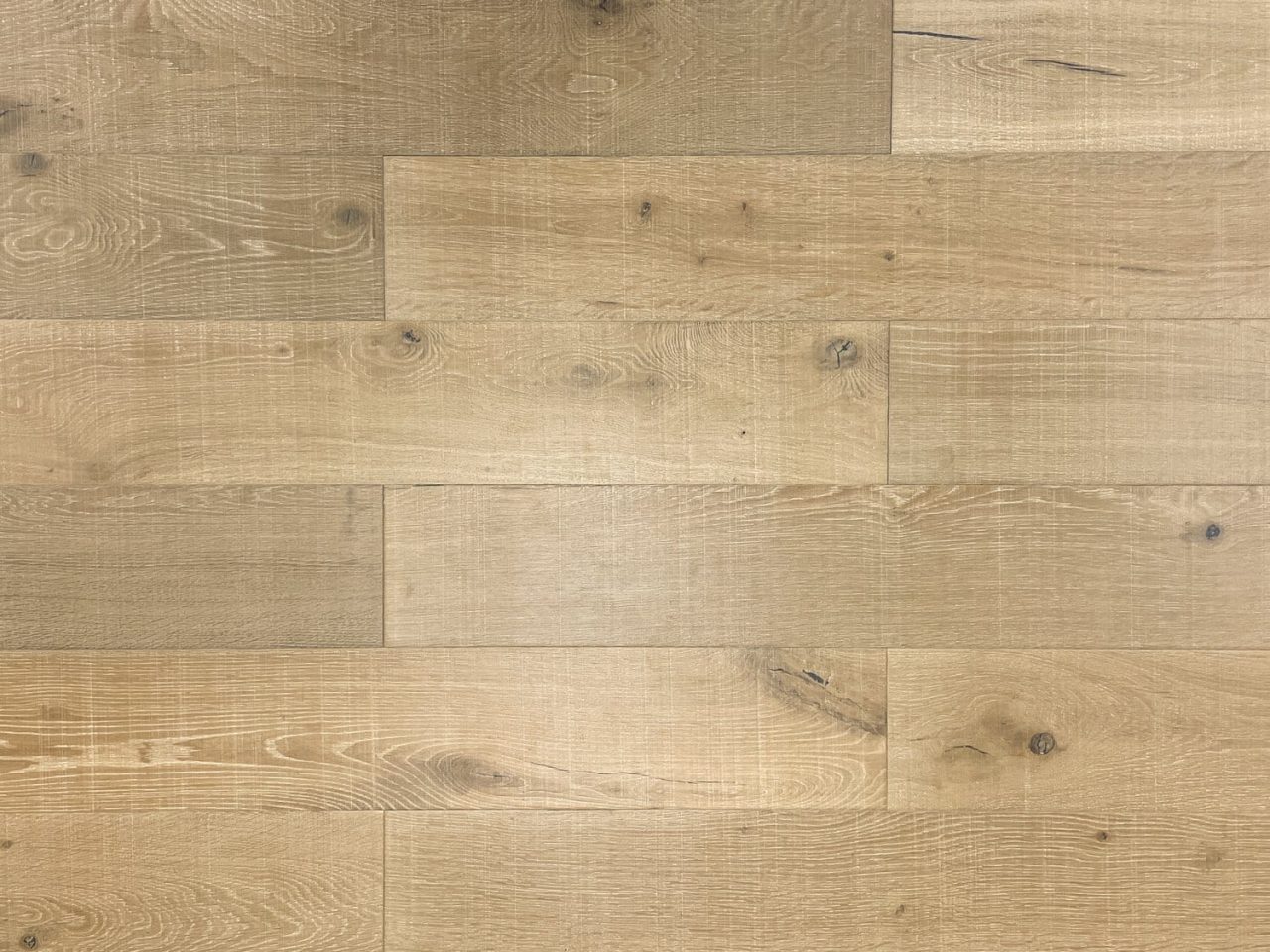
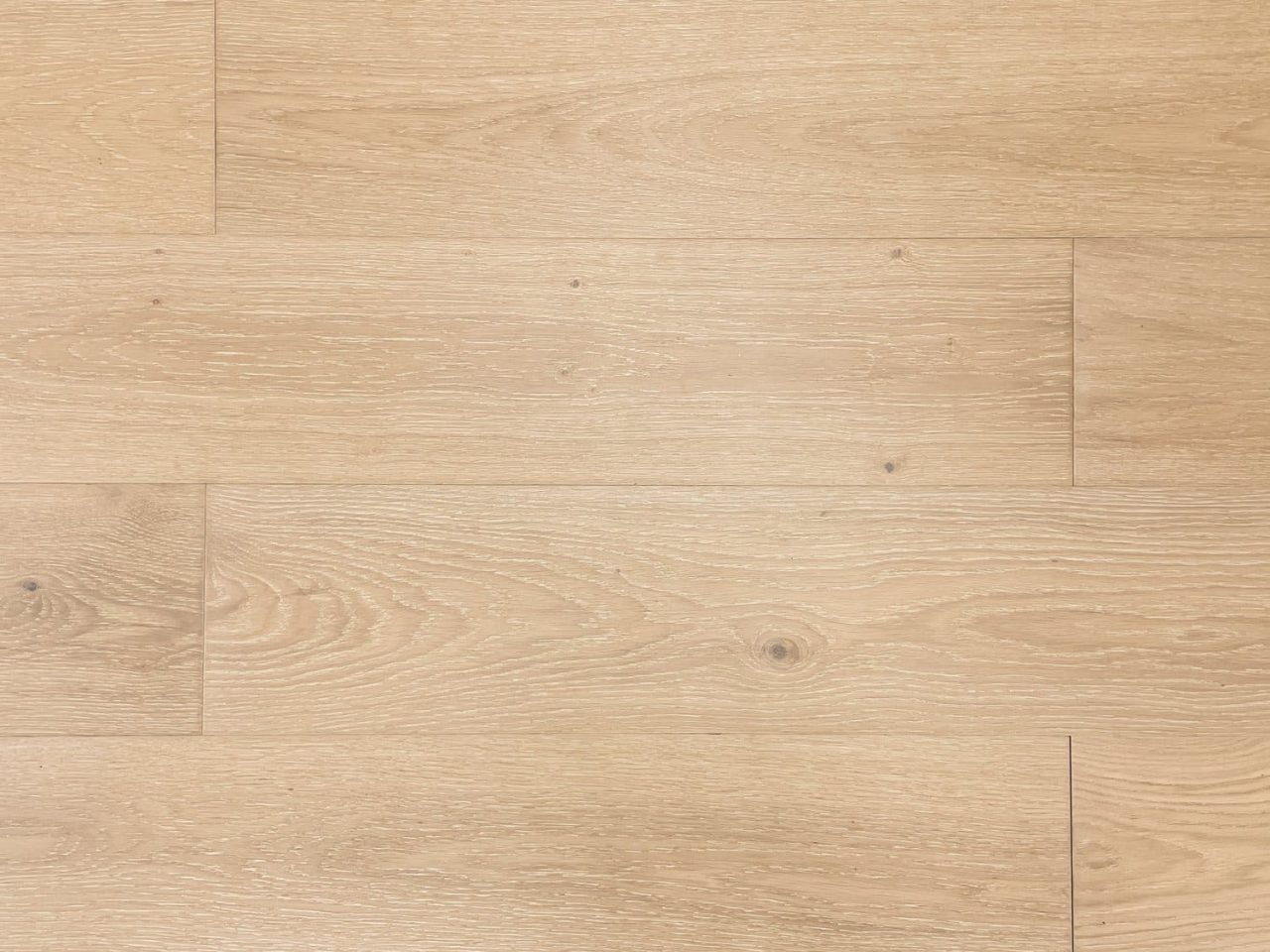
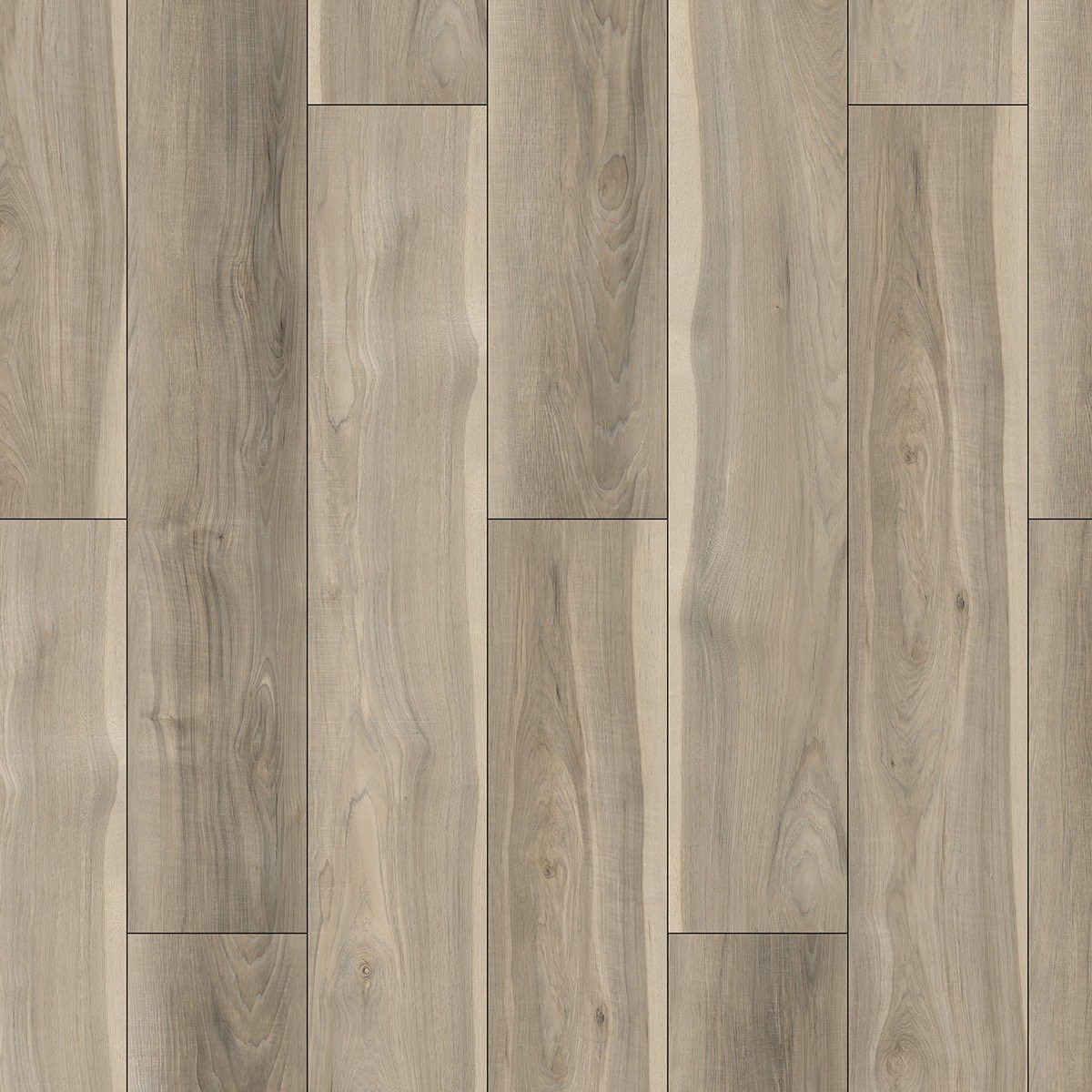
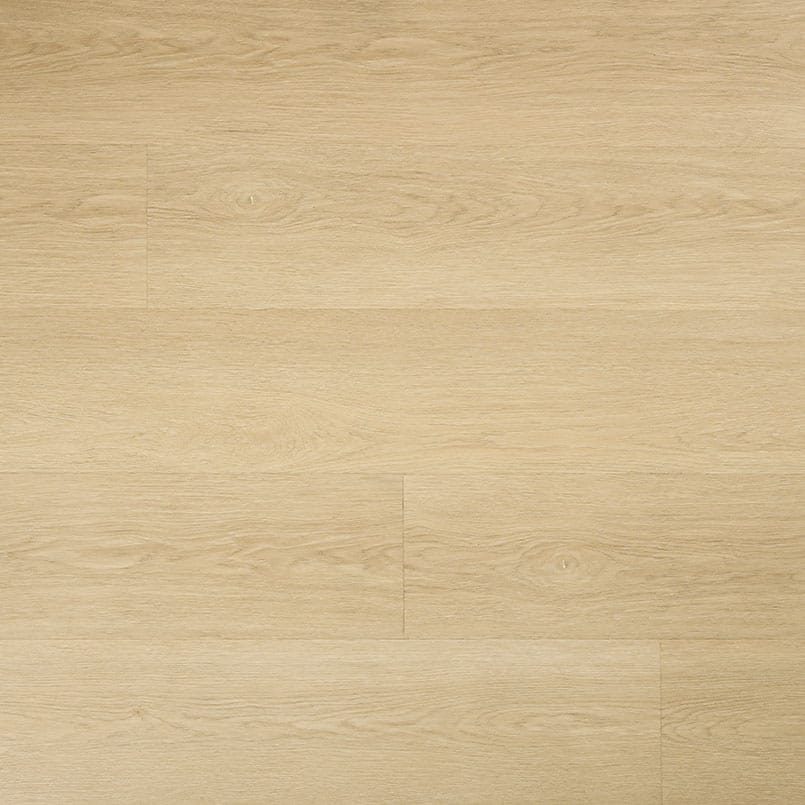


Examples from the current catalog in these material families; specifications on each product page are as listed by the manufacturer.
Related guides
All guides