Choosing flooring
What is a wear layer, and how thick should it be?
Modern Wood Flooring team · Published October 16, 2026

The wear layer is the top layer that takes daily abuse. On vinyl plank and tile, it is a clear protective film measured in mil, and 12 to 20 mil suits most homes. On engineered hardwood, it is the real wood on top, measured in millimeters, and its thickness decides whether the floor can be sanded.
Wear layer is one of the most useful numbers on a flooring spec sheet, and one of the most misunderstood. The same term means different things for vinyl and for wood. This guide explains both, gives typical ranges, and shows how to use the number when you choose a floor.
What is a wear layer on LVP and LVT?
Luxury vinyl plank (LVP) and luxury vinyl tile (LVT) are built in layers. From the bottom up, there is usually a core, a printed design layer that gives the floor its wood or stone look, and a clear wear layer on top. Most products add a thin surface coating over the wear layer to help with scratches and stains.
The wear layer protects the printed image. As long as it is intact, the floor looks the way it did when installed. When it wears through in a busy path, the print starts to wear away, and the only fix is to replace the plank.
What does mil mean?
A mil is one-thousandth of an inch, about 0.0254 millimeters. It is not the same as a millimeter. A 20 mil wear layer is about half a millimeter thick. Do not confuse wear layer with overall plank thickness, which is usually given in millimeters, such as 5 mm or 7 mm. A thick plank can have a thin wear layer, and the reverse.
How thick should a vinyl wear layer be?
Thicker wear layers last longer under heavy traffic. The ranges below are typical industry guidance, based in part on guidance published by MSI, one of the brands we carry. Individual manufacturers may draw the lines a little differently.
| Wear layer | Approx. thickness | Typical use |
|---|---|---|
| 6 to 8 mil | 0.15 to 0.2 mm | Low-traffic rooms, guest rooms, budget projects |
| 12 mil | about 0.3 mm | Most residential rooms; many rentals |
| 12 to 20 mil | 0.3 to 0.5 mm | Active households, kitchens, light commercial |
| 20 to 22 mil | about 0.5 to 0.55 mm | Commercial standard: offices, retail, multifamily common areas |
| 28 mil and up | 0.7 mm and up | Heavy commercial: corridors, hospitality, schools |
For a typical Brooklyn home, 12 mil is a reasonable baseline and 20 mil gives extra margin in kitchens, entries and homes with pets and kids. For rentals with frequent turnover, landlords often choose 20 mil so the floor survives several tenants. For commercial spaces, many manufacturers require at least 20 mil for their commercial warranty.
What the wear layer does not do
- It does not make the floor dent-proof. Dent resistance comes mostly from the core. Rigid-core products resist dents better than flexible vinyl.
- It does not make the floor waterproof. Water resistance depends on the core and the locking system.
- It does not make the floor quiet. Sound depends on underlayment and installation.
- It is not the only factor in scratch resistance. The surface coating, texture and sheen also matter, which is why matte, textured floors often look better longer.
What is a wear layer on engineered hardwood?
Engineered hardwood has a top layer of real wood, called the wear layer, veneer or lamella, bonded to a core of plywood or another wood-based material. The wear layer is what you see and walk on. It is measured in millimeters of real wood.
On engineered wood, the wear layer matters for two reasons. It affects how the floor handles deep scratches and dents, and it decides whether the floor can be sanded and refinished later. Each full sanding removes a thin layer of wood, typically well under a millimeter when done carefully. A floor can only be sanded while there is enough wood left above the core.
| Engineered wear layer | Refinishing outlook (general guide) |
|---|---|
| Under about 2 mm | Usually recoat only; full sanding is risky or not possible |
| About 2 mm | Often one careful sanding by an experienced finisher |
| About 3 to 4 mm | Commonly one to a few full sandings |
| Thicker than 4 mm | Several sandings, closer to solid hardwood |
These are general guidelines, not a promise. The real number depends on the product's construction, the finisher's skill, and whether the floor is flat. Check the manufacturer's documents for the specific product before planning a sanding.
Textures, bevels and refinishing
Wire-brushed and hand-scraped textures are cut into the wear layer. Sanding removes that texture, and recreating it is specialized work. Many engineered floors also have beveled edges, small grooves along each board. Sanding past a bevel takes more wood than a flat surface does, so finishers often sand the face and leave the bevels. If you think you will want to refinish someday, a thicker wear layer gives you more room.
A screen and recoat, which renews the finish without sanding into the wood, works on most engineered floors regardless of wear layer, as long as the finish will accept a new coat. Our guide to maintenance by material explains the difference.
How do vinyl and engineered wear layers compare?
| LVP and LVT | Engineered hardwood | Solid hardwood | |
|---|---|---|---|
| What it is | Clear protective film over a printed layer | Real wood on top of a layered core | The whole board is wood |
| Measured in | Mil (thousandths of an inch) | Millimeters | Wood above the tongue |
| Typical range | About 6 to 28 mil and up | Under 1 mm to about 6 mm | Often around a quarter inch on standard strip |
| Can it be renewed? | No; replace damaged planks | Recoat; sand if thick enough | Recoat; sand several times |
| What wears first | Coating, then wear layer, then print | Finish, then wood | Finish, then wood |
Solid hardwood does not have a separate wear layer, but the same idea applies. On tongue-and-groove boards, the usable wood is the part above the tongue. For more on older solid floors, see refinish or replace brownstone floors.
How should you use the wear layer when choosing a floor?
- Decide how hard the room will be used. A bedroom and a kitchen in a family of five are not the same job.
- For vinyl, match the mil to the traffic using the ranges above. In rentals, offices and shops, lean thicker.
- For engineered wood, decide whether you want the option to sand later. If you do, look for a thicker wear layer. If you plan to keep the floor for a shorter period, a thinner layer may be fine.
- Read the warranty. Wear warranties are often tied to wear layer thickness and to residential or commercial use.
- Compare products on the same terms. Ask for the spec sheet and look at the wear layer, overall thickness, core type and finish together.
Brooklyn projects: where wear layer matters most
- Rental apartments with regular turnover, where moving furniture in and out is hard on floors. See our rental apartment flooring guide.
- Building lobbies, hallways and offices with daily foot traffic from the street.
- Homes with pets and young kids, where scratches add up quickly.
- Prewar apartments with engineered floors, where you may want to refinish later rather than replace.
If you are comparing products, ask us for the manufacturer's spec sheets and we will show you where the wear layer is listed. Contractors and property managers can request samples and project quotes through our trade page.
Common questions
Is 12 mil or 20 mil better for LVP?
20 mil lasts longer under heavy traffic and is common for commercial and high-turnover rental use. 12 mil is usually fine for most rooms in a typical home.
How many mm is a 20 mil wear layer?
About 0.5 mm. A mil is one-thousandth of an inch, roughly 0.0254 mm.
Can you refinish engineered hardwood?
Often, if the real wood wear layer is thick enough. Floors with roughly 2 mm or more can usually be sanded at least once, while thinner wear layers are usually limited to a recoat.
Does a thicker wear layer prevent dents?
Not much. In vinyl, dent resistance comes mostly from the core. In wood, it depends on the species and construction. Felt pads and furniture protectors still matter.
Is plank thickness the same as wear layer?
No. Plank thickness is the total thickness, usually in millimeters. The wear layer is only the top protective layer, usually given in mil for vinyl.
Sources
Floors this guide covers
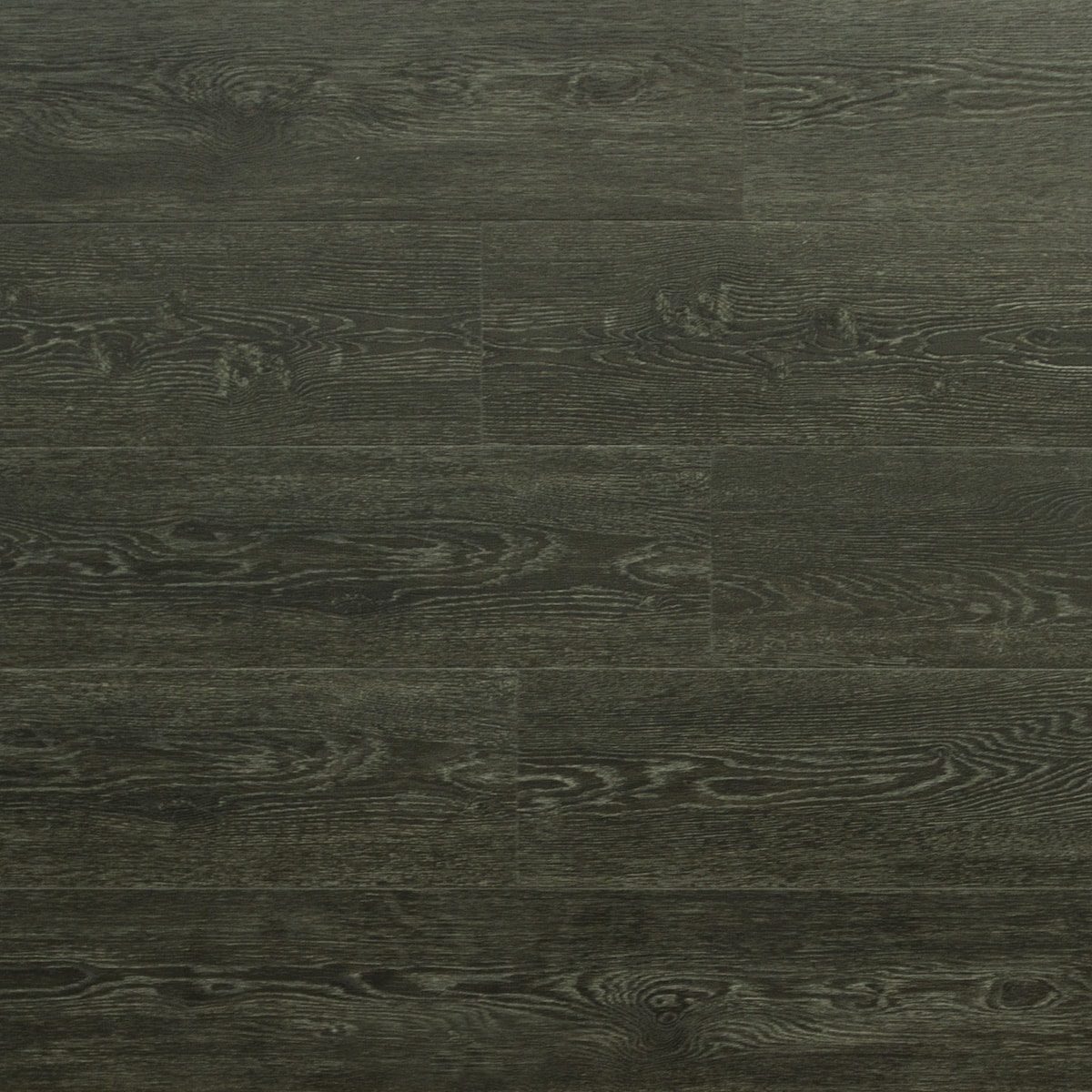
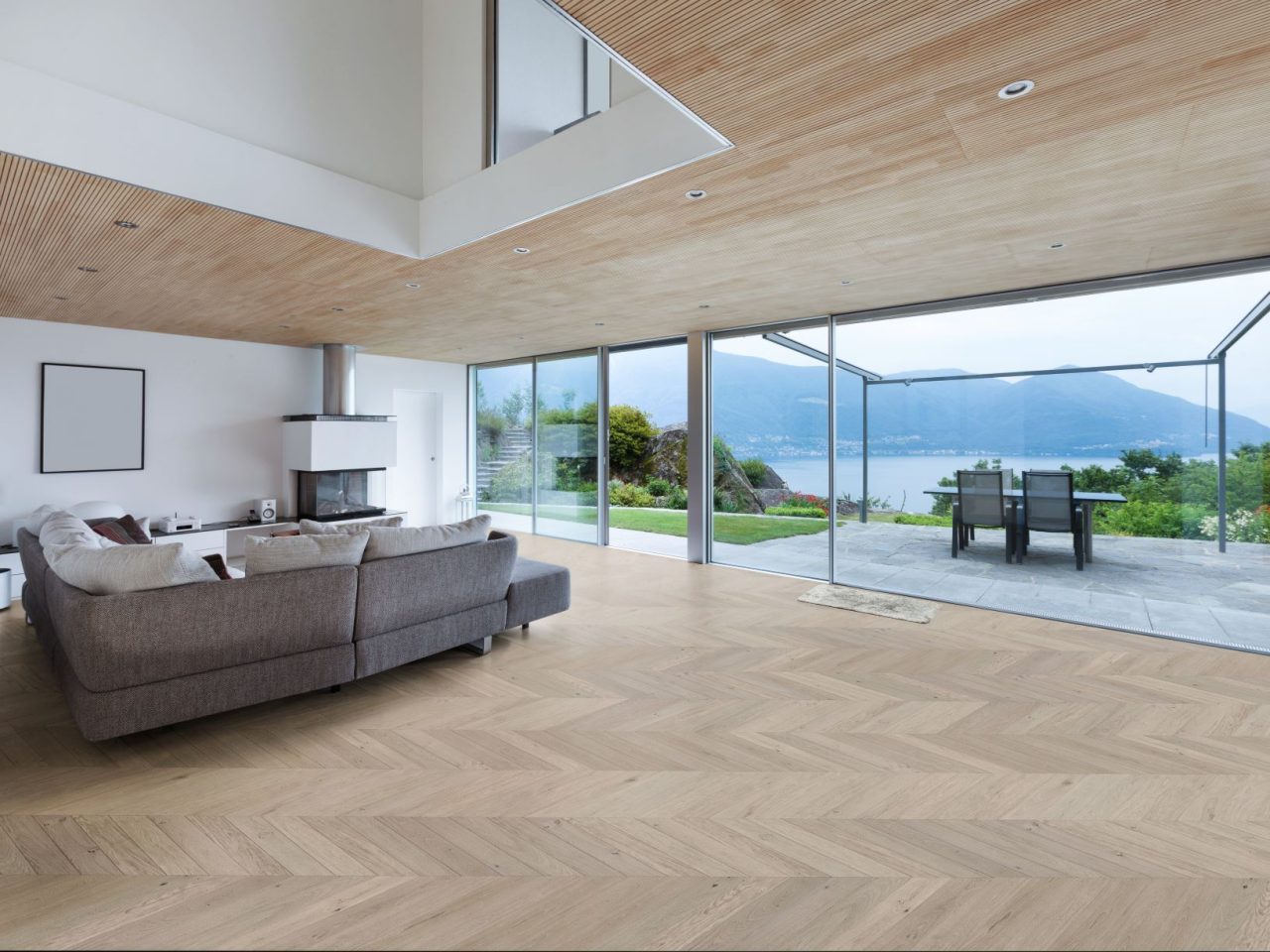
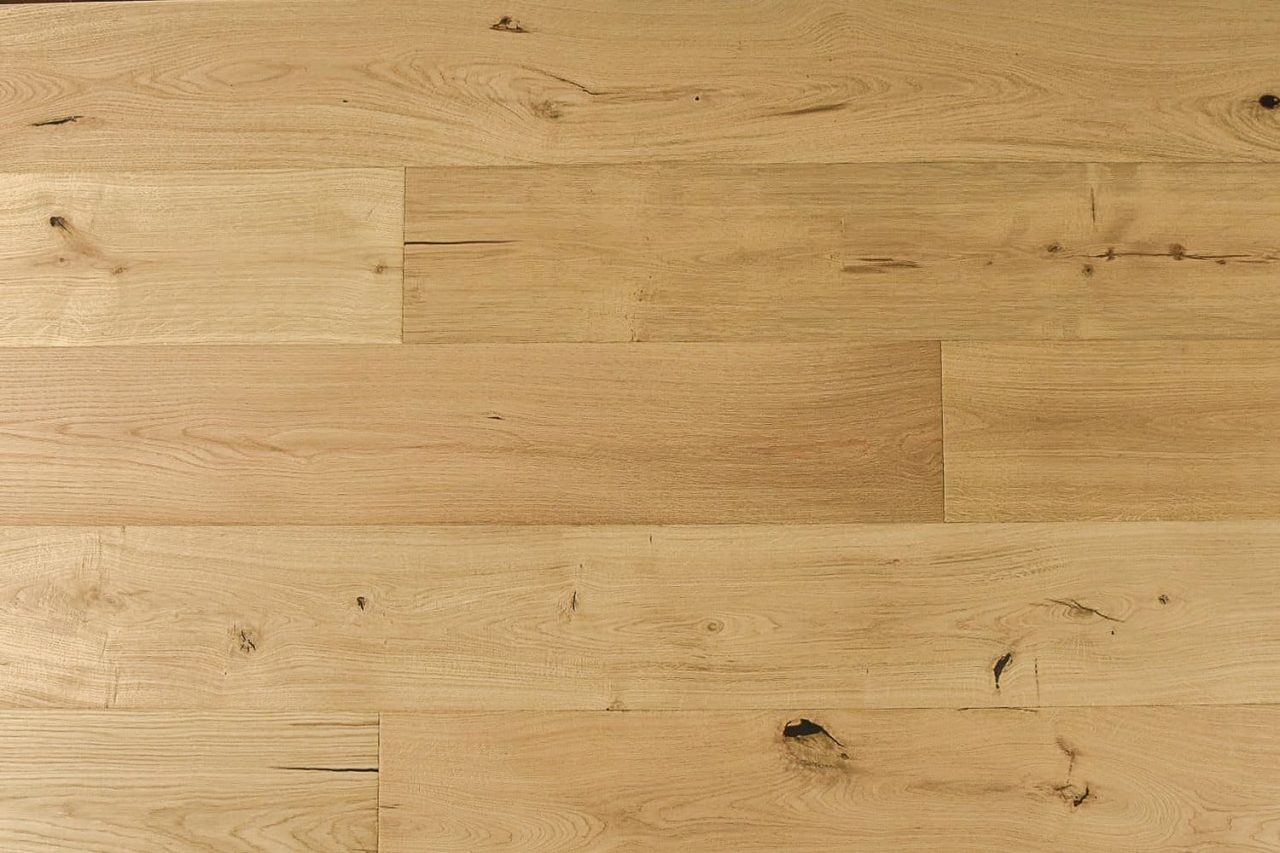
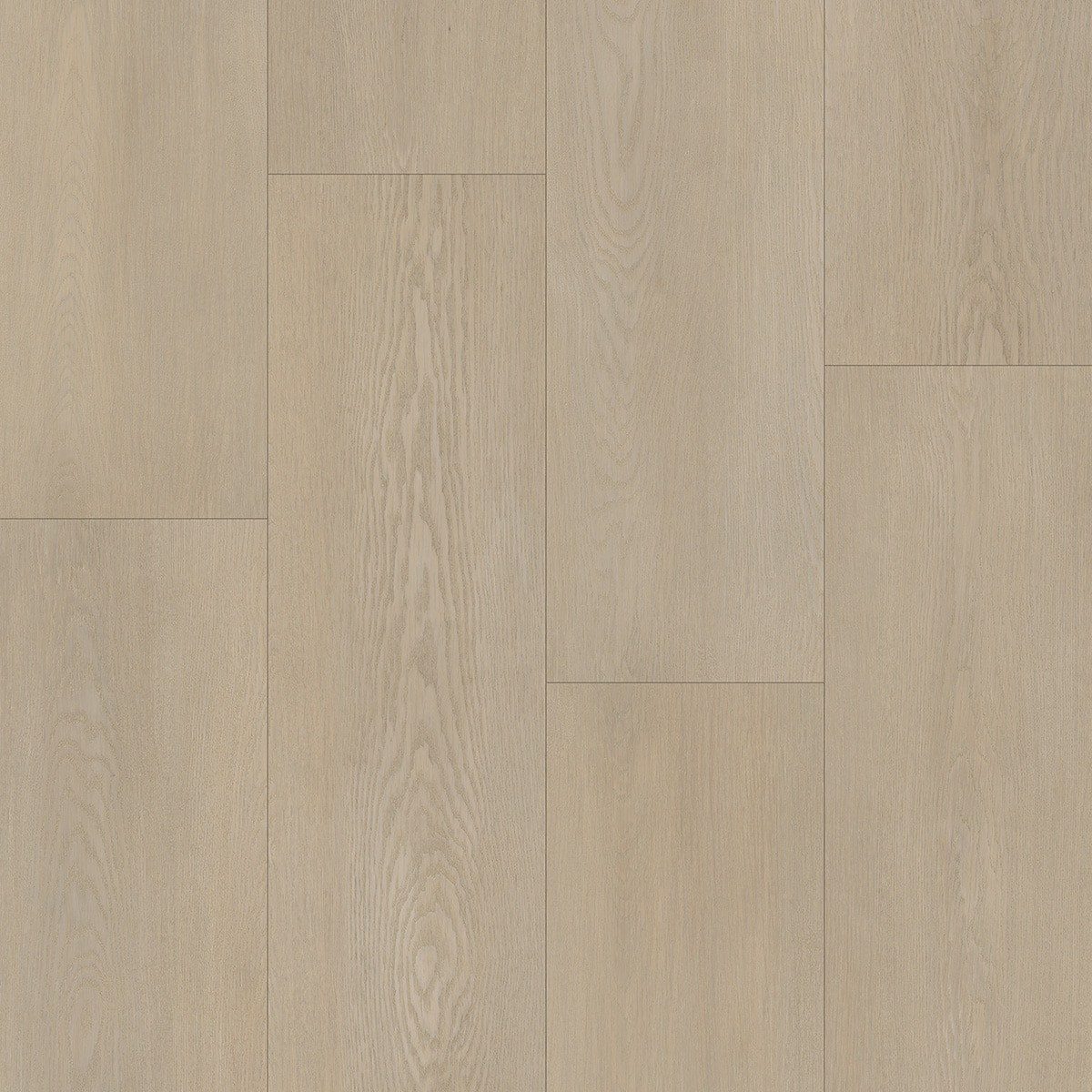


Examples from the current catalog in these material families; specifications on each product page are as listed by the manufacturer.
Related guides
All guides