Trade & commercial
Choosing flooring for rental apartments
Modern Wood Flooring team · Published October 16, 2026

For most rental apartments, a rigid-core luxury vinyl plank in a neutral mid-tone is the most practical choice. It resists water, hides wear, installs quickly and can be repaired plank by plank. Engineered wood makes sense in higher-end units where tenants expect real wood and turnover damage is usually light.
A rental floor is not chosen for one tenant. It is chosen for the next several, plus the turnovers between them. That shifts the priorities toward durability, repairability and consistency across units.
What makes a floor good for a rental?
- It survives move-ins and move-outs, furniture dragging and pets without obvious damage.
- It tolerates spills, leaks from appliances and wet shoes at the door.
- It can be repaired one plank at a time rather than a whole room.
- It is easy to clean between tenants with ordinary products.
- It stays available, or you keep enough stock, so units match over time.
- It meets the building's sound rules where they apply.
LVP or engineered wood for a rental unit?
Both can work. The right choice depends on the unit, the rent level and how hard tenants are on floors.
| Luxury vinyl plank (LVP) | Engineered wood | |
|---|---|---|
| Water | Surface is water-resistant; many rigid cores are sold as waterproof | Real wood face; spills must be wiped up promptly |
| Scratches and dents | Depends on wear layer and core | Scratches more easily; depends on species and finish |
| Repair at turnover | Replace damaged planks | Spot repair; some can be screened and recoated |
| Refinishing | Not possible | Possible if the wood wear layer is thick enough |
| Install speed | Fast, often floating | Slower; acclimation and method vary |
| Tenant perception | Practical and clean | Reads as a premium finish |
| Best fit | Most units, kitchens, basements, pet-friendly buildings | Higher-end units, owner-occupied condos rented out |
Our full comparison of LVP and engineered hardwood covers construction and installation in more depth.
How do you think about cost of ownership?
The purchase price is only part of the cost. Across several tenancies, the bigger numbers are usually repairs, vacancy time and replacement. A floor that is cheap to buy but has to be replaced at every second turnover costs more over time than one that lasts. When comparing products, ask:
- How likely is it to be damaged in a normal tenancy, and how is it repaired?
- Can one plank be replaced, or does the room need to be lifted?
- How long does installation keep the unit off the market?
- What does the manufacturer's warranty cover in a rental, and what does it exclude?
- Will the product still be made when you need to match it?
We do not publish prices online. Ask us for a quote on two or three suitable products and compare them on these questions, not price alone.
How water-resistant does rental flooring need to be?
Kitchens and bathrooms see the most water, but in rentals the risk is broader: overflowing tubs, leaking dishwashers, plants and pets. Many rigid-core vinyl planks are marketed as waterproof, meaning the plank itself will not swell. That does not make the floor a barrier. Water can still pass through seams and around edges and damage the subfloor or the unit below. Check what the warranty says about standing water and how quickly it must be cleaned up.
Engineered wood handles everyday spills if they are wiped up, but standing water can cause cupping and delamination. Many landlords use vinyl in kitchens and baths and either vinyl or wood elsewhere. Our guide to waterproof flooring for bathrooms covers wet rooms.
Why do consistent SKUs across units matter?
If you manage more than a handful of units, standardizing on one or two floors pays off. Repairs become simple, you can keep shared spare stock, installers learn the product, and units look the same in listing photos. The risk is that manufacturers discontinue colors and lines. To manage it:
- Choose a neutral color from an established line rather than a trend color.
- Record the exact product name, color, size and lot for each unit.
- Keep attic stock: extra boxes stored flat in a dry place for repairs.
- Pick a backup product that looks close enough to use in whole rooms if the first is discontinued.
- Review the choice every few years and switch deliberately rather than unit by unit.
Shade can vary between production runs. When matching a repair, use boxes from the original lot where possible, and blend boards from several boxes during installation.
What sound rules apply to rental units?
Noise from hard floors is one of the most common complaints in apartment buildings. In New York, many leases include a clause requiring tenants to cover much of the floor with rugs, often called the 80% rule. Many co-ops and condos also require sound-control underlayment with a minimum rating when floors are replaced, and that applies to sponsor and investor units too. If you are renting out a co-op or condo unit, check the alteration agreement and house rules before choosing a floor. Our guide to co-op and condo flooring sound rules explains the ratings.
Rigid-core vinyl over a thin pad can sound hollow and click underfoot. A product with an attached acoustic pad, or a separate underlayment approved by the manufacturer, usually helps both the unit below and the tenant above.
How do you keep turnovers fast?
Vacancy days are expensive, so the installation method matters. Floating click floors go down quickly and can often be walked on right away. Some can go over certain existing hard floors if the surface is flat and the manufacturer allows it, which saves demolition time. Glue-down floors take longer but are steadier under heavy furniture and easier to patch.
- Keep spare planks and transition pieces on hand so small repairs do not wait for an order.
- Use one product in all rooms where possible, which reduces transitions and cuts.
- Schedule floor work after painting and before cleaning.
- Follow the manufacturer's acclimation and flatness requirements even on tight schedules; shortcuts show up as gaps and peaks.
Anything specific to Brooklyn buildings?
Most apartment buildings in Brooklyn sit on concrete slabs, which favors vinyl and engineered products designed for concrete. Many two-family and multi-family houses in south Brooklyn have wood joists and plank subfloors, which open up more options but need a flat, sound base. Basement units need products suited to below-grade use. Steam heat and dry winters can stress wood floors, which is another reason many landlords choose vinyl in those buildings. We work with property managers across Brooklyn and the other boroughs; our trade and commercial page is the fastest way to request samples and a multi-unit quote.
Common questions
What is the most durable flooring for a rental?
For most rentals, a rigid-core luxury vinyl plank with a wear layer suited to the expected traffic. It resists water and scuffs and can be repaired plank by plank.
Is engineered wood a bad idea for rentals?
Not necessarily. It works well in higher-end units with careful tenants, especially with mats, felt pads and a lease rug clause, but it needs more care than vinyl.
Can LVP go over the existing floor in a rental unit?
Sometimes. Some floating products can be installed over certain flat, sound hard floors. Check the product's installation instructions and the building's rules.
How much spare flooring should a landlord keep?
Enough to replace damaged planks in a room or two. The right amount depends on unit size and how often repairs happen; keep it labeled with product and lot.
Do I need sound underlayment in a rental apartment?
If the building requires it, yes. Many co-ops and condos set minimum ratings, and good underlayment reduces complaints in any building with units below.
Floors this guide covers

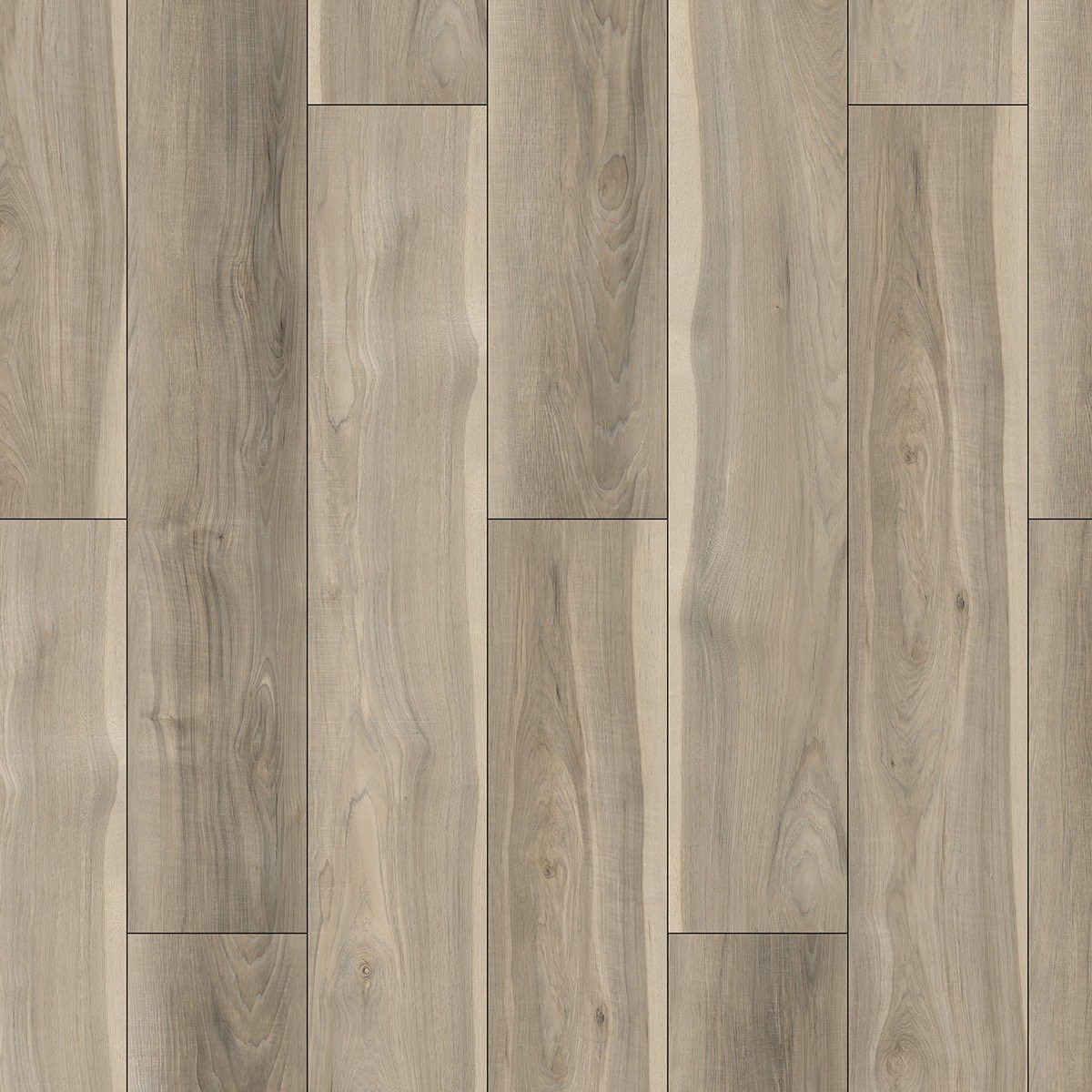
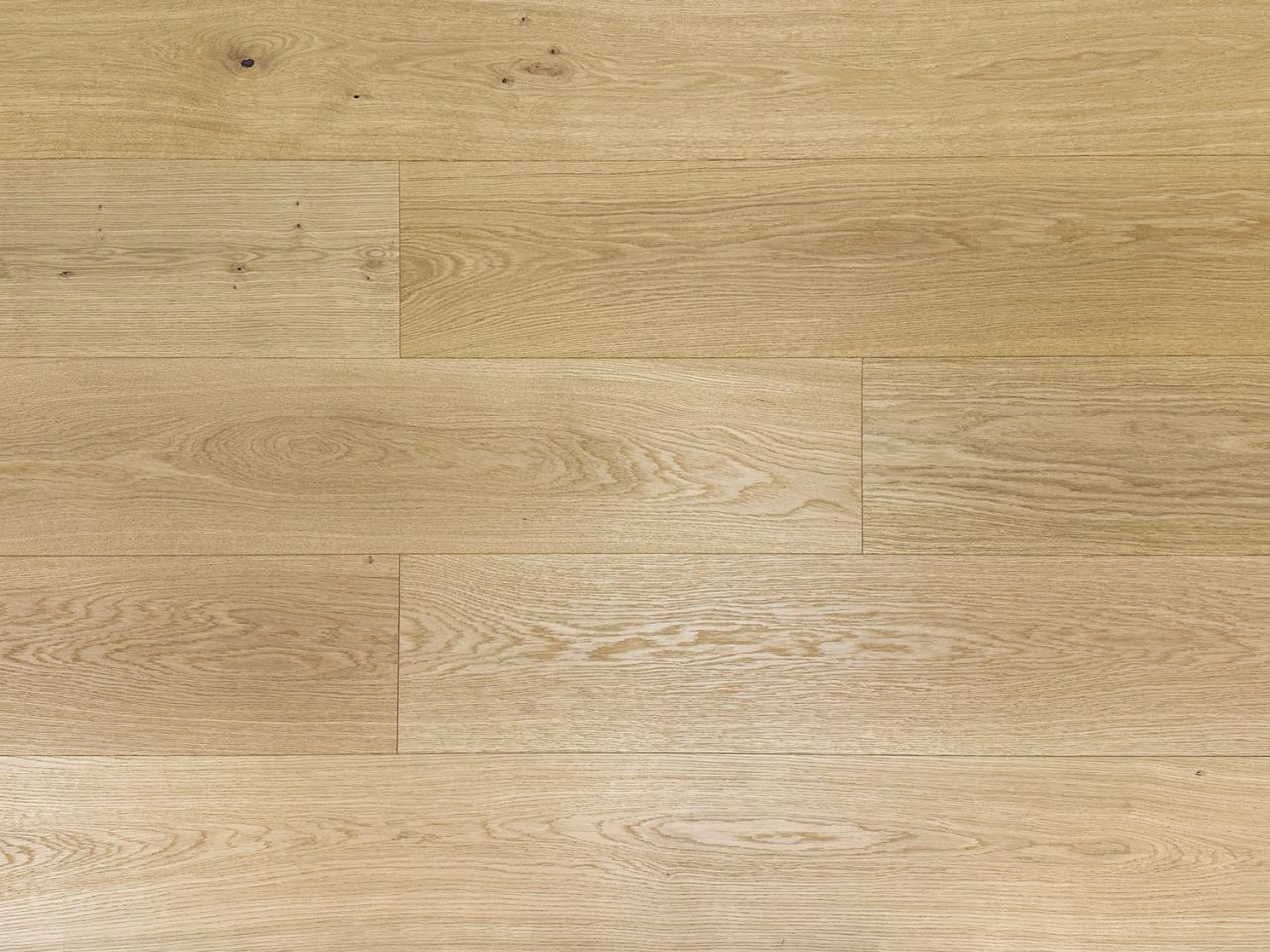
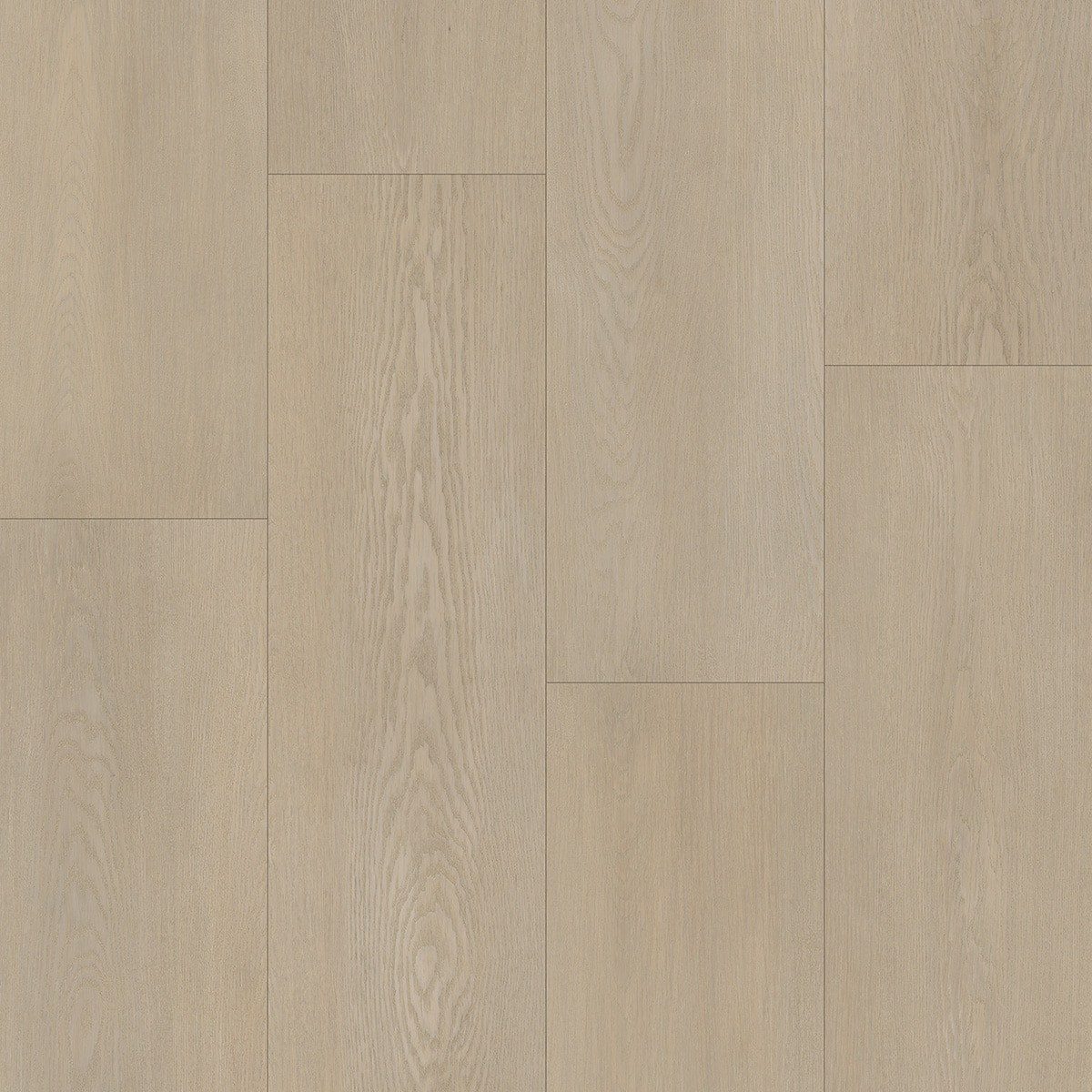


Examples from the current catalog in these material families; specifications on each product page are as listed by the manufacturer.
Related guides
All guides