Trade & commercial
Choosing floors for offices and commercial interiors
Modern Wood Flooring team · Published September 20, 2026 · Updated October 26, 2026

For most offices, commercial-rated luxury vinyl (LVT or LVP) is the practical default: it handles heavy traffic, rolling chairs and spills, and damaged pieces can be replaced. Engineered wood suits lower-traffic areas such as executive offices and reception. Choose by zone, traffic rating and wear layer, not by look alone.
An office floor is judged twice: by the visitor who walks in, and by the facilities manager who lives with it. A good specification satisfies both. The sections below cover the decisions that matter beyond the look.
Should an office use commercial LVT or engineered wood?
Luxury vinyl and engineered wood can both look like oak, but they behave differently under office use. Vinyl is a resilient, water-resistant surface built to take abrasion. Engineered wood has a real wood face that can dent, scratch and react to moisture, but it can often be refinished and it brings the warmth people associate with a finished interior.
| Commercial LVT / LVP | Engineered wood | |
|---|---|---|
| Best zones | Open plan, corridors, pantries, entries | Private offices, reception, boardrooms |
| Water and spills | Surface resists water; seams and subfloor still need care | Wipe spills promptly; not for wet areas |
| Rolling chairs | Generally tolerant with suitable casters | Chair mats strongly advised |
| Dents from furniture | Varies by core; rigid cores resist better | Depends on species and finish |
| Repair | Replace individual planks or tiles | Spot repair, or screen and recoat if the wear layer allows |
| Acoustics | Can sound hollow when floated; glue-down is quieter | Can sound hollow when floated; underlayment helps |
| Typical install | Glue-down common in commercial; click in some ratings | Glue-down or floating, per manufacturer |
Many projects use both: vinyl across the working floor and wood in one or two rooms where presence matters. Browse luxury vinyl tile and engineered wood to compare visuals.
How do traffic ratings work?
Entrances, corridors and kitchens take the heaviest traffic and moisture; private offices and meeting rooms take less. Products carry traffic and durability ratings from their manufacturers, often expressed as residential, light commercial or commercial use. Use the heaviest rating where footfall concentrates, and read what the rating actually covers. A product rated for light commercial use may be fine in a small design studio and wrong for a busy clinic lobby.
- Zone the plan first: entry, circulation, open work areas, pantry, private rooms.
- Mark where carts, deliveries and rolling storage travel.
- Match each zone to a manufacturer rating, then confirm the warranty covers commercial use for that product.
- Check whether the warranty requires a specific installation method, such as full-spread adhesive, for commercial coverage.
What wear layer does an office need?
For luxury vinyl, the wear layer is the clear top layer that resists scuffs and scratches, and it is usually measured in mil (thousandths of an inch). It is the number that best predicts how long the surface holds up under chairs and carts. Commercial specifications usually call for thicker layers than residential ones. As a general industry pattern, around 12 mil is often described as suitable for light commercial use and 20 mil or more is common in commercial specifications, but always use the manufacturer's own rating for the product. Our wear layer guide covers this in more detail.
For engineered wood, the wear layer is the thickness of the real wood face, usually given in millimeters. It decides whether the floor can be sanded and refinished later, not how hard the surface is today. Day-to-day scratch resistance comes from the species and the factory finish.
How do you protect floors from rolling office chairs?
Rolling chairs are one of the most common causes of early wear in offices. Hard plastic casters carry grit and concentrate load on a small point, and the same path gets traveled thousands of times. Setting up a workspace at home instead? See our guide to flooring for home offices.
- Use casters designed for hard floors, typically softer polyurethane or rubber wheels.
- Put clear chair mats under desks on wood floors, and consider them on vinyl in heavy-use seats.
- Fit felt or wide glides on fixed furniture and conference chairs.
- Check the manufacturer's care and warranty documents, which often address casters and rolling loads directly.
Floating floors can shift or open at the joints under repeated rolling loads and heavy file cabinets. Many manufacturers recommend or require glue-down installation in commercial settings for this reason.
What about acoustics?
Hard floors make a room livelier. Footsteps, chair movement and voices reflect rather than soak in. Two separate problems matter: impact noise traveling to the tenant below, and noise inside your own space. For the first, use an underlayment or attached pad approved by the flooring manufacturer, or a glue-down system over an acoustic membrane where the building requires it. For the second, area rugs in meeting rooms, acoustic ceilings and soft furnishings usually do more than the floor itself. Many commercial leases in New York set rules on floor coverings and sound, so ask the landlord before choosing a system.
How should an office floor be maintained?
Grit is the abrasive that dulls every finish, so most maintenance is about keeping it out. Walk-off mats at entries catch much of it before it reaches the floor. After that, daily dust mopping or vacuuming and damp mopping with a neutral cleaner suit most resilient floors. Wood needs a cleaner recommended for its finish and should not be wet-mopped. Avoid steam, wax and polishes unless the manufacturer's care guide calls for them. Our maintenance guide covers each material.
Plan for repair
Glue-down planks and tiles allow a damaged section to be lifted and replaced without disturbing the rest of the room. Keep attic stock from the original batch so replacements match in color and finish, since shade can vary between production runs. Label the boxes with the product name and lot, and store them flat in a dry space.
Keep it continuous
One floor through the whole space, with direction or pattern changes to mark zones, reads calmer than several materials and simplifies cleaning regimes. Fewer transitions also mean fewer trip edges and fewer places for wear to start.
How do you phase flooring work in an occupied building?
Many office floors are replaced while the business keeps running. That changes the plan more than the product does.
- Agree on working hours with the landlord or building manager. Many buildings limit noisy work to set hours or push it to evenings and weekends.
- Split the floor into phases that can be cleared, installed and returned to use in sequence, and plan where staff and furniture go in each phase.
- Book freight elevators and loading access, and supply the certificates of insurance the building asks for.
- Test the concrete for moisture using the method the flooring manufacturer specifies, and allow time for any leveling.
- Acclimate materials in the space with heating or cooling running, as the manufacturer requires.
- Ask about low-emission products and adhesives where people will return quickly. FloorScore is one certification for indoor air emissions from hard-surface flooring.
In Brooklyn and across the city, many office and loft buildings sit on concrete slabs, and older ones can have uneven floors that need leveling before vinyl goes down. Delivery access, elevator size and building rules often decide the schedule as much as the installation itself. For trade projects, use our trade and commercial page to request samples and a project quote.
Ratings, wear layers and approved installation methods vary by product. Confirm each with the manufacturer's specification sheet, installation instructions and commercial warranty before ordering.
Common questions
Is luxury vinyl durable enough for a busy office?
Commercial-rated luxury vinyl is widely used in offices, retail and healthcare. Choose a product whose manufacturer rates it for commercial use and whose wear layer suits your traffic.
Can engineered hardwood work in an office?
Yes, in lower-traffic rooms such as private offices, reception and boardrooms, with chair mats and walk-off mats. It is a poor fit for pantries and wet areas.
Do we need chair mats on vinyl floors?
Not always, but casters suited to hard floors are important, and mats help in heavy-use seats. Check the product's care and warranty documents.
Should commercial vinyl be glued down or floated?
Glue-down is common in commercial spaces because it handles rolling loads and allows single-piece replacement. Some click products carry commercial ratings; follow the manufacturer's instructions for your use.
Can you replace flooring while our office stays open?
Often yes, by phasing the work area by area and scheduling around building hours. It takes planning with the building manager, installer and your team.
Sources
Floors this guide covers
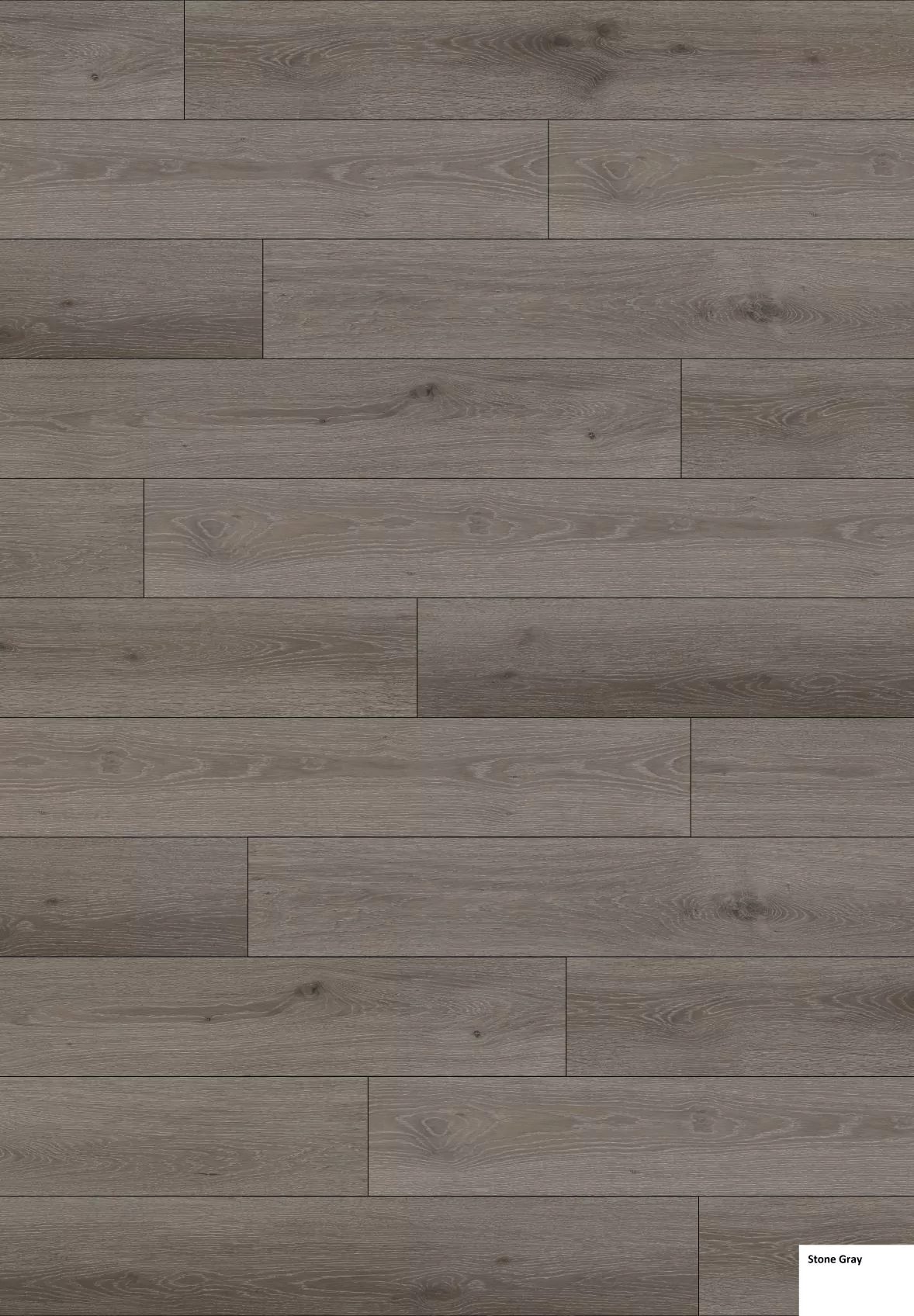

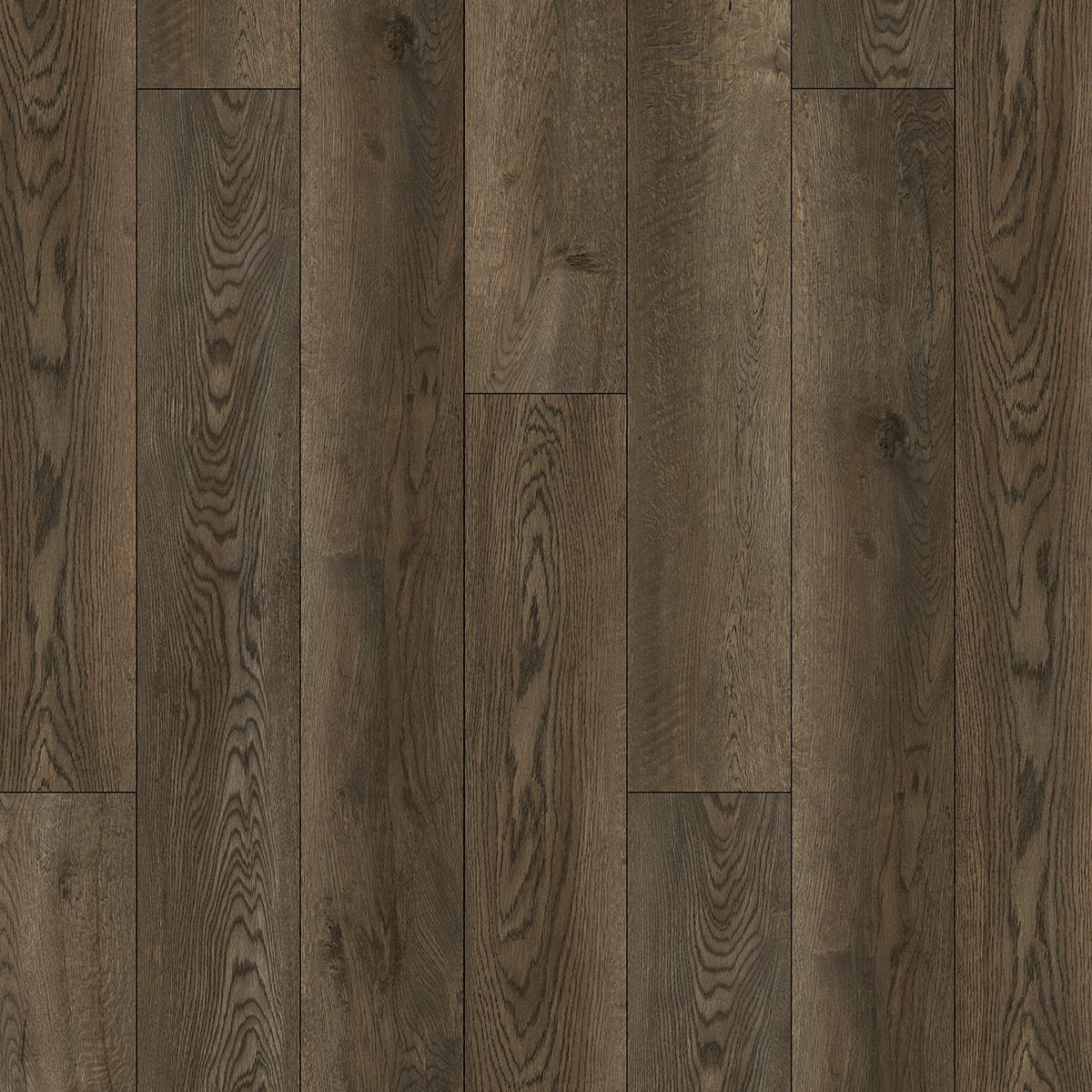
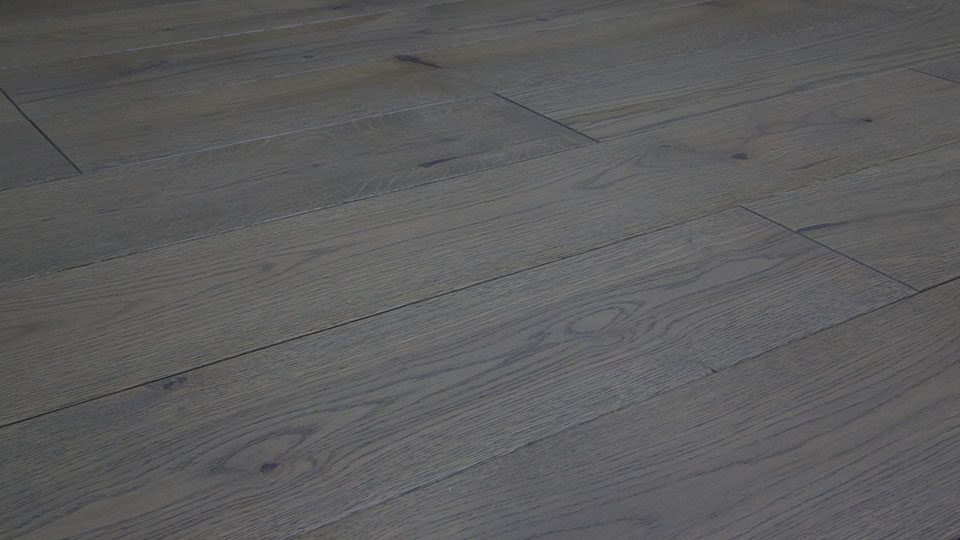


Examples from the current catalog in these material families; specifications on each product page are as listed by the manufacturer.
Related guides
All guides