Choosing flooring
Flooring for home offices and rolling chairs
Modern Wood Flooring team · Published October 26, 2026

For a home office with a rolling chair, luxury vinyl plank or tile is usually the most forgiving floor, and engineered or solid wood works well if you protect it. Whatever you choose, the chair's casters and a good chair mat matter as much as the flooring itself. A matte finish hides the fine marks chairs leave.
What happens to floors under a rolling office chair?
A desk chair concentrates a person's weight onto five small wheels that roll back and forth over the same small patch of floor many times a day. Hard plastic casters can pick up grit and act like sandpaper. Over months, that creates a dull, scratched arc behind the desk, and on softer woods it can leave small dents and grooves.
The damage is usually limited to a few square feet, which is good news. With the right protection, almost any good-quality floor can work in a home office. Without it, even tough floors show wear in that one spot.
Which flooring is best for a home office?
| Luxury vinyl plank / LVT | Engineered wood | Solid hardwood | |
|---|---|---|---|
| Scratch and scuff resistance | Good; the factory wear layer protects the print | Depends on species and finish; protect with a mat | Depends on species and finish; protect with a mat |
| Dent resistance | Rigid-core products generally resist dents well | Harder species such as oak resist better than softer ones | Harder species such as oak resist better than softer ones |
| Repair if worn | Replace damaged planks or tiles | Can often be refinished, depending on the top layer | Can be sanded and refinished several times |
| Sound underfoot | Can sound hollow when floating; underlayment helps | Warm, solid feel | Warm, solid feel |
| Install options | Floating or glue-down | Floating, glue-down or nail-down, by product | Nail-down over a wood subfloor |
| Good fit for | Busy offices, rentals, heavy chair use | Apartments over concrete, rooms that match the rest of the home | Houses and brownstones with wood subfloors |
If the office is a spare bedroom you may one day turn back into a bedroom, it often makes sense to match the floor in the rest of the home rather than picking a separate office floor. Our comparison of LVP and engineered hardwood goes deeper into the trade-offs.
Vinyl plank and LVT
Wood-look vinyl is a practical choice for heavy chair use because the surface wear layer takes the abuse and the printed design underneath stays intact. Many products are labeled for commercial as well as residential use, which is a helpful sign for an office. Vinyl installs floating or glue-down. Glue-down vinyl is less likely to shift under a chair that rolls constantly, while floating floors are quicker to install and easier to replace later.
Engineered and solid wood
Wood gives an office a warmer feel and ties into the rest of a home. Choose a harder species such as oak over softer woods, and favor a matte or low-luster finish so light scratches blend in. See our guide to matte, satin and gloss sheens for why that helps. Plan on a chair mat from day one rather than after the first marks appear.
Do you need a chair mat on hard floors?
On wood, a chair mat is the simplest protection you can buy, and many flooring manufacturers recommend protecting floors from rolling furniture. On vinyl, a mat is still useful under heavy daily use. A few things to look for:
- A mat made for hard floors, with a smooth underside. Mats with spikes or grippers are designed for carpet and can scratch or dent a hard floor.
- A size large enough that the chair never rolls off the edge while you work. Measure the area you actually move in, including pushing back from the desk.
- Clear polycarbonate or similar rigid mats if you want the floor to show through.
- Lift the mat now and then to clean underneath, since trapped grit under a mat can scratch the floor too.
- On vinyl, check the flooring manufacturer's care guide. Some warn that rubber-backed mats and rugs can discolor vinyl over time.
Flooring warranties often exclude damage from rolling furniture used without proper protection. Check the specific product's warranty and care instructions before you set up the office.
What casters are best for hard floors?
Many office chairs ship with hard nylon casters that are designed for carpet. On wood and vinyl, softer casters made for hard floors, often sold as rubber or polyurethane wheels, roll more quietly and are gentler on the finish. They are usually inexpensive and easy to swap on most chairs. Keep them clean, because a caster with grit stuck to it does more damage than the wheel itself.
What about noise in an apartment home office?
Rolling chairs make a low rumble that carries through floors more than people expect, and in apartments that noise reaches your downstairs neighbor. Many New York co-ops and condos have rules on sound-control underlayment for new hard floors, and many leases ask residents to cover much of the floor with rugs, often called the 80% rule. A large rug under the desk, with a chair mat on top, covers both the noise and the protection.
If you are installing new flooring, the underlayment is where most of the sound control happens. Our guides to co-op and condo sound rules and underlayment types explain IIC and STC ratings and what boards commonly ask for. Your building's alteration agreement is the final word.
Echo on video calls
Hard floors and bare walls can make a small room sound echoey on calls. A rug, curtains and a bookshelf soften that more than any change of flooring would. This is a room acoustics issue rather than a floor problem, but it is worth planning for when you lay out the office.
Does heavy office furniture affect a floating floor?
Floating floors need room to expand and contract with the seasons, which matters in Brooklyn homes with steam heat in winter and humid summers. Very heavy, fixed items such as large built-in desks, file cabinets full of paper or shelving fastened to the floor can restrict that movement. Many manufacturers advise against fastening anything through a floating floor and have guidance on very heavy loads. Check the installation instructions for your product, and use furniture pads under fixed pieces.
How do you set up a home office floor step by step?
- Choose the flooring for the whole room, not just the desk area, and decide whether it should match adjacent rooms.
- If you live in a co-op or condo, check the alteration agreement for underlayment and approval requirements before ordering.
- Install the floor and let it settle as the instructions direct before moving in heavy furniture.
- Put felt pads under desk legs, shelves and anything that slides.
- Swap the chair's casters for hard-floor wheels if they are hard plastic.
- Add a hard-floor chair mat sized to the area you roll across, and a rug if you need sound control.
If you are fitting out a larger workspace or a commercial suite, our guide to choosing floors for offices covers traffic ratings and occupied-building work. For a home office, you can compare options in vinyl plank and engineered wood, and ask us for samples so you can test a chair on them at home.
Common questions
What is the best flooring for a home office with a rolling chair?
Luxury vinyl plank or tile is usually the most forgiving, especially products rated for commercial use. Engineered or solid oak also works well with soft casters and a hard-floor chair mat.
Will a desk chair scratch hardwood floors?
Over time, yes, especially with hard plastic casters and grit. Soft hard-floor casters and a chair mat with a smooth underside prevent most of that wear.
Do I need a chair mat on vinyl plank?
It is a good idea under heavy daily use. Choose a mat designed for hard floors, and check your vinyl's care guide, since some manufacturers warn against rubber-backed mats.
Is carpet better than hard flooring for a home office?
Carpet absorbs sound but makes chairs harder to roll and needs a heavy mat. Many people prefer a hard floor with an area rug, which gives both easy rolling and some sound control.
Can I put heavy office furniture on a floating floor?
Usually, but avoid fastening anything through the floor, and follow the manufacturer's guidance on heavy loads. Felt pads and leaving expansion gaps clear help the floor move as intended.
Floors this guide covers
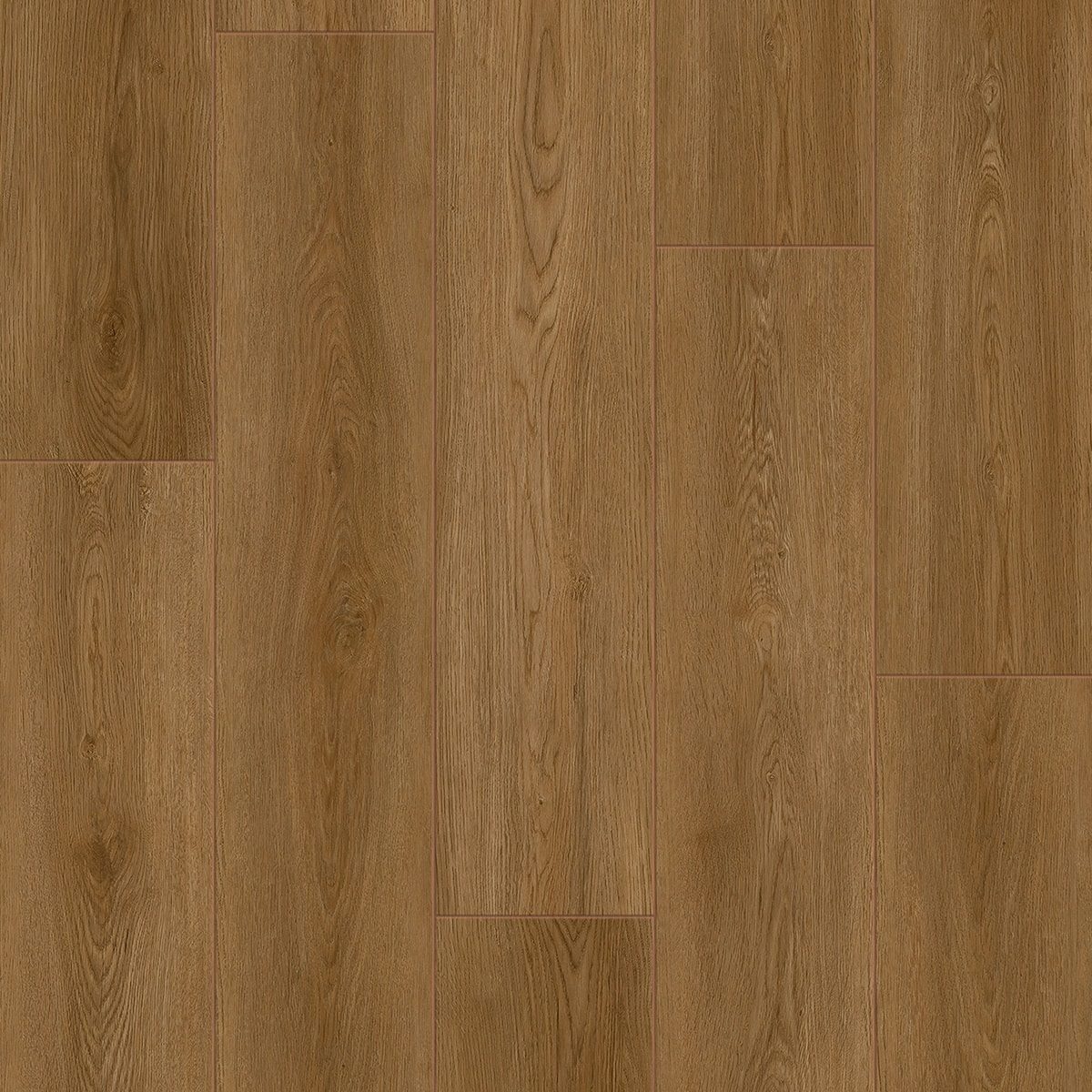
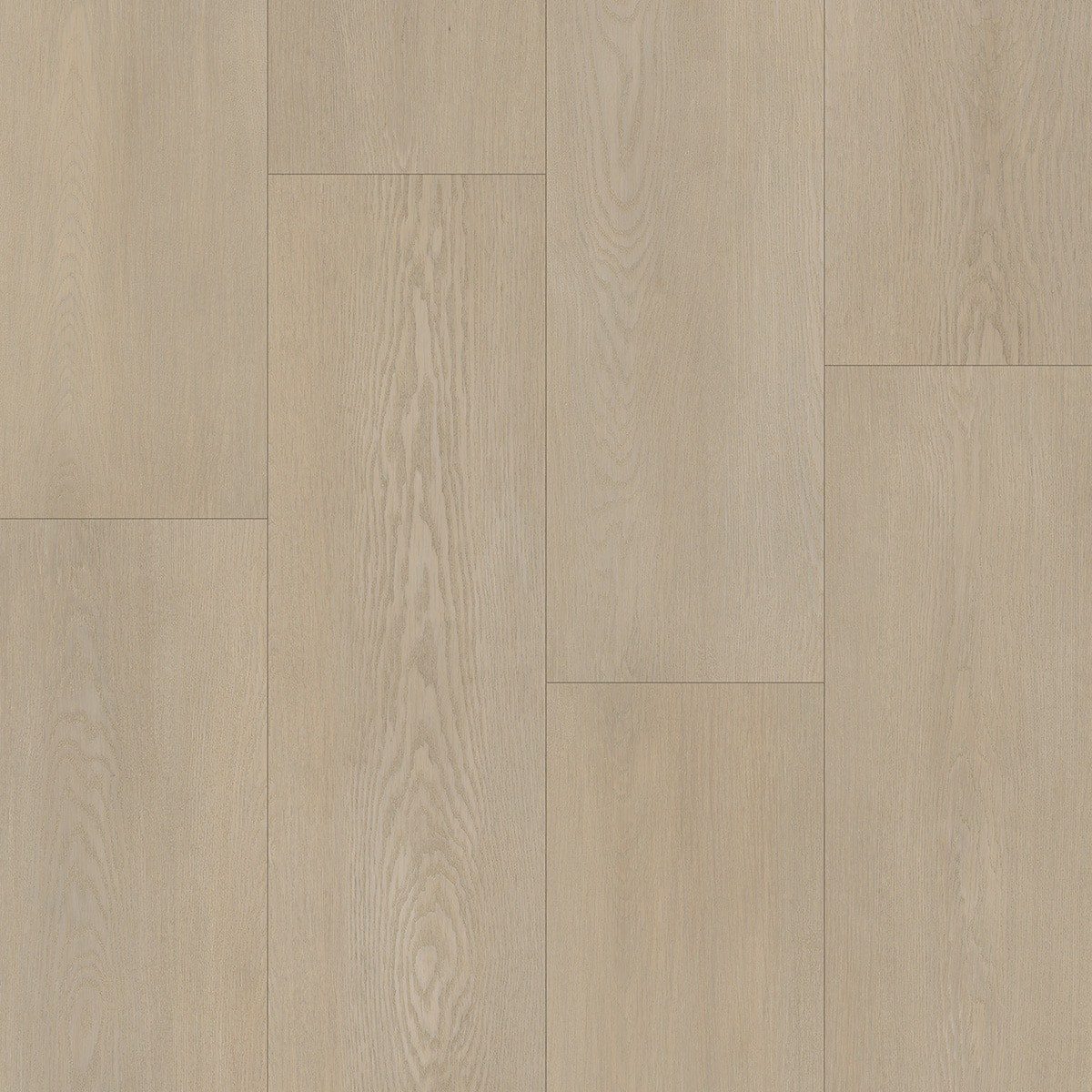
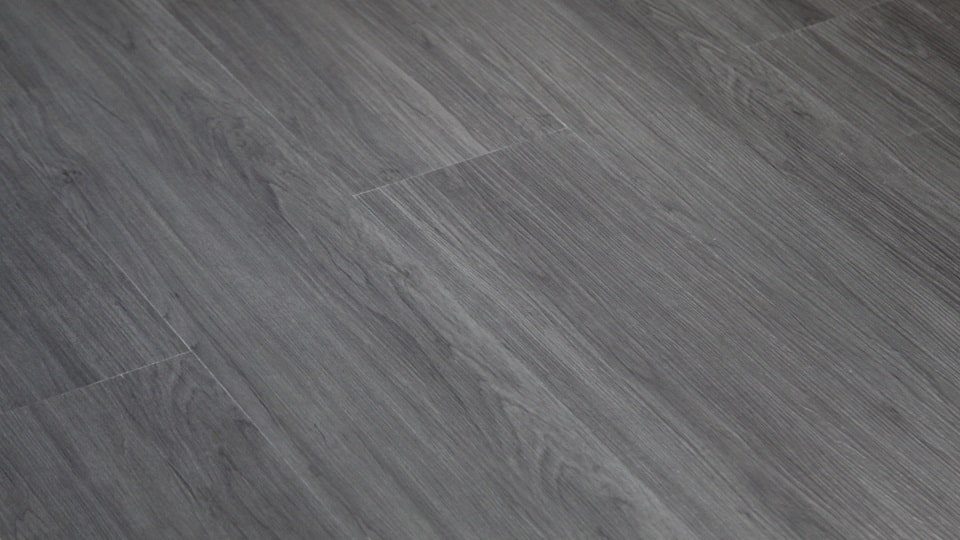
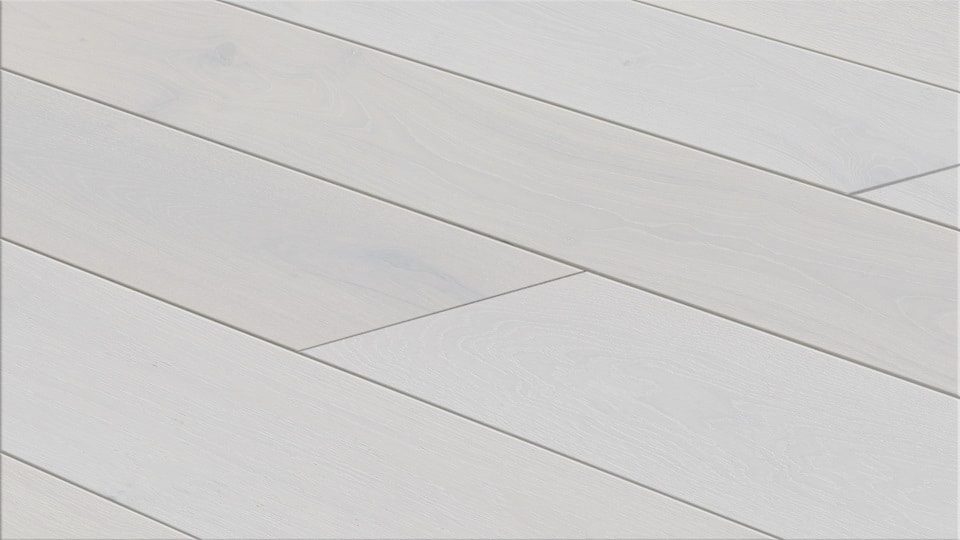


Examples from the current catalog in these material families; specifications on each product page are as listed by the manufacturer.
Related guides
All guides