Choosing flooring
Matte, satin or gloss: choosing a floor sheen
Modern Wood Flooring team · Published October 26, 2026

For most homes, a matte or satin sheen is the practical choice. Lower sheens hide fine scratches, dust and footprints far better than semi-gloss or gloss, and they look closer to natural wood. Sheen is about appearance, not strength: within the same finish line, a matte coat is generally just as protective as a glossy one.
What does floor sheen actually mean?
Sheen is how much light a finished surface reflects back at you. A high-gloss floor acts a little like a mirror, while a matte floor scatters light so the surface looks soft and flat. Finish makers control sheen mainly with flatting agents, fine particles that roughen the cured surface at a microscopic level so it reflects less light.
There is no single industry scale. Each manufacturer measures its own products with a gloss meter and names the levels in its own way, so one brand's satin can look close to another brand's semi-gloss. That is why the label on the can or box is only a starting point, and why seeing a real sample matters.
How do matte, satin, semi-gloss and gloss compare?
| Sheen | Look | Hides scratches and dust | Best suited to |
|---|---|---|---|
| Matte (also ultra-matte, flat, low-luster) | Soft, natural, close to raw or oiled wood | Best | Busy homes, pets and kids, wide-plank and modern rooms |
| Satin | A gentle glow without obvious reflection | Very good | Most living spaces; the most common middle ground |
| Semi-gloss | Noticeable shine and reflection | Fair | Traditional rooms, formal spaces with lighter traffic |
| Gloss | Mirror-like, high reflection | Poor | Showpiece rooms where upkeep is not a concern |
On our product pages you will see finish labels such as Matte, Low-Luster and Satin. Low-luster sits between matte and satin on most brands' scales. If you are comparing two products, put the samples side by side in the same light rather than trusting the names.
Is a matte floor finish more durable than satin or gloss?
Not in itself. Durability comes from the type of finish (for example water-based or oil-based polyurethane, hardwax oil, or a factory-applied coating), the number of coats and how well it was applied. Sheen changes how wear looks. A scratch on a glossy surface breaks a clean reflection and catches the eye, while the same scratch on a matte surface blends into the already-diffuse surface.
So matte floors often look newer for longer, even when they are wearing at the same rate. That matters in apartments where you cannot easily move out for a refinish, and in rentals where you want the floor to look acceptable between tenants.
Which sheen works best in each room?
- Entryways and hallways: matte or low-luster. Grit and footprints are constant, and low sheens hide them.
- Kitchens: matte or satin. Glossy floors show every crumb, water spot and smear near the sink.
- Living and dining rooms: satin if you like a little glow, matte if you have pets or children.
- Bedrooms: any sheen works because traffic is light, though most people keep one sheen throughout for a consistent look.
- Home offices: matte, because rolling chairs leave fine marks that gloss would highlight.
- Stairs: matte or satin. Very shiny treads can look slippery, and scuffs on the nosings show quickly.
Sheen is not a slip-resistance rating. If traction matters, for example on stairs or for older family members, ask about the specific product's slip-resistance information rather than assuming a matte surface is less slippery.
How does light in your room change the choice?
Low sun across a floor, common in rooms with large south- or west-facing windows, rakes over the surface and shows every ripple, swirl mark and scratch on a glossy finish. Matte finishes are much more forgiving in that kind of light. In darker rooms, a satin finish can bounce a little more light around without the glare of gloss. Our guide to room light and floor color covers how direction and window size affect color too.
Dark floors deserve special care. Dust, pet hair and scratches show on dark colors at any sheen, and gloss makes that worse. If you love a dark stain, pairing it with matte gives you the best chance of keeping it looking clean.
Does sheen matter for vinyl plank and LVT?
Yes, though it works differently. Vinyl plank and luxury vinyl tile come with a factory-applied top coat over the wear layer, and its sheen is set by the manufacturer. Most current wood-look vinyl is matte or low-luster because shiny vinyl tends to look artificial. Some products add embossing or a textured surface that also breaks up reflection.
With vinyl, you choose sheen by choosing the product. You cannot sand and recoat it like wood, so look at samples on the floor where they will go and check the product's care instructions before using any polish or restorer, since some products should not be coated. Vinyl installs floating or glue-down, and the sheen is the same either way.
Can you change the sheen of an existing wood floor?
Often, yes, if the floor was finished on site. A refinisher can lightly abrade the existing finish and apply a new top coat in a different sheen, a process usually called a screen and recoat. This only works if the existing finish is in decent shape and the new product is compatible with it. If the floor has worn through to bare wood, has deep scratches or has been waxed, a full sand and refinish is usually needed instead.
Prefinished floors are more complicated. Many factory finishes are very hard and designed to resist bonding, so recoating them generally needs a specific preparation method or a product the manufacturer approves. Check the manufacturer's maintenance guide before planning any change, because the wrong approach can lead to peeling and may affect the warranty.
Why does a repair sometimes look shinier than the rest of the floor?
Small differences in film thickness, mixing and application change sheen noticeably. A spot repair with an extra-thick coat often looks glossier than the surrounding floor, even with the same product. For that reason, many refinishers recoat a whole room or stop at a natural break such as a doorway rather than patching the middle of a floor.
What should you know about sheen in Brooklyn homes?
Many Brooklyn brownstones and row houses have original plank or parquet floors that have been refinished several times. If you are refinishing an older floor, a matte or satin finish tends to suit the age of the wood and is kinder to the small dips and irregularities that old floors develop over a century. Our guide to refinishing or replacing brownstone floors covers when an old floor can take another sanding.
In co-op and condo apartments, refinishing usually needs to fit the building's work hours and rules, and odor from oil-based products can be an issue in shared hallways. Many buildings and refinishers prefer water-based finishes, which come in the full range of sheens. If you are buying a new prefinished floor instead, the sheen is already set, so choose it at the sample stage.
How do you choose a sheen with confidence?
- Decide how much upkeep you will realistically do. If the honest answer is a quick sweep a few times a week, choose matte.
- Bring home samples of two or three sheens in your chosen color.
- Look at them on the floor, not on a table, in morning and evening light and under your own lamps.
- Drag a shoe across a corner, scatter a little dust and see which one hides it.
- Keep one sheen across connected rooms so the floor reads as one surface.
- For site-finished wood, ask your refinisher to show the actual product on a test board or a hidden area first.
For more on finish types, see our white oak flooring guide, which compares polyurethane and oil finishes, and our care guide by material. You can browse engineered wood and vinyl plank and request samples in the sheens you are considering.
Common questions
Is matte or satin better for hardwood floors?
Matte hides scratches, dust and footprints best and looks the most natural. Satin adds a soft glow and is still forgiving. For busy homes, pets and kids, matte is usually the safer pick.
Do glossy floors scratch more easily?
Not necessarily. Scratch resistance depends on the finish type and coats, not the sheen. Gloss simply makes scratches much easier to see because it breaks a clean reflection.
Can I mix sheens in different rooms?
You can, but the difference is often visible where rooms meet. Most people keep one sheen across connected spaces and only vary it in a separate room such as a bedroom.
Can I make a shiny prefinished floor matte?
Sometimes, but many factory finishes resist new coats. It usually requires the manufacturer's approved recoat method or a full sanding, so check the maintenance guide first.
Does a matte floor finish wear off faster?
Within the same product line, matte and gloss versions are generally formulated to protect similarly. Matte can look better for longer because wear is less visible on it.
Floors this guide covers
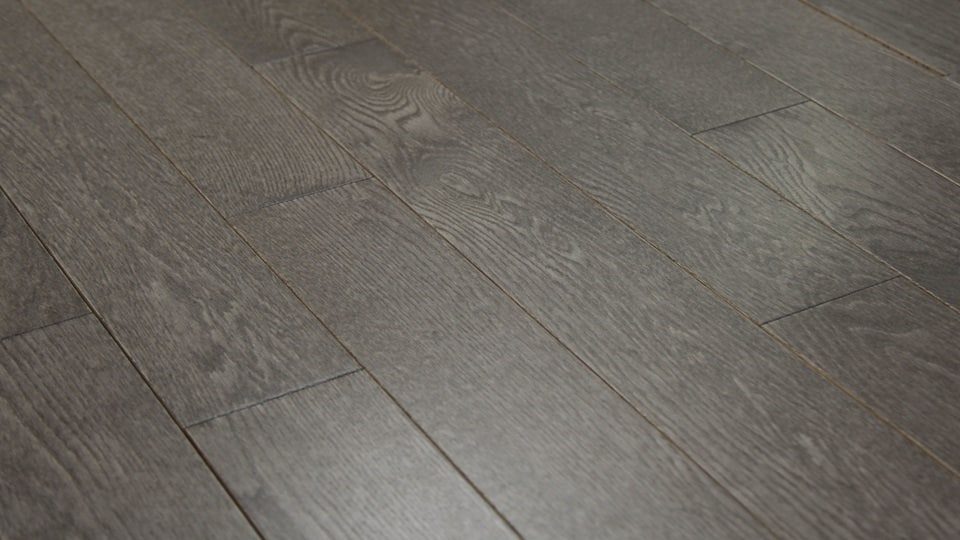
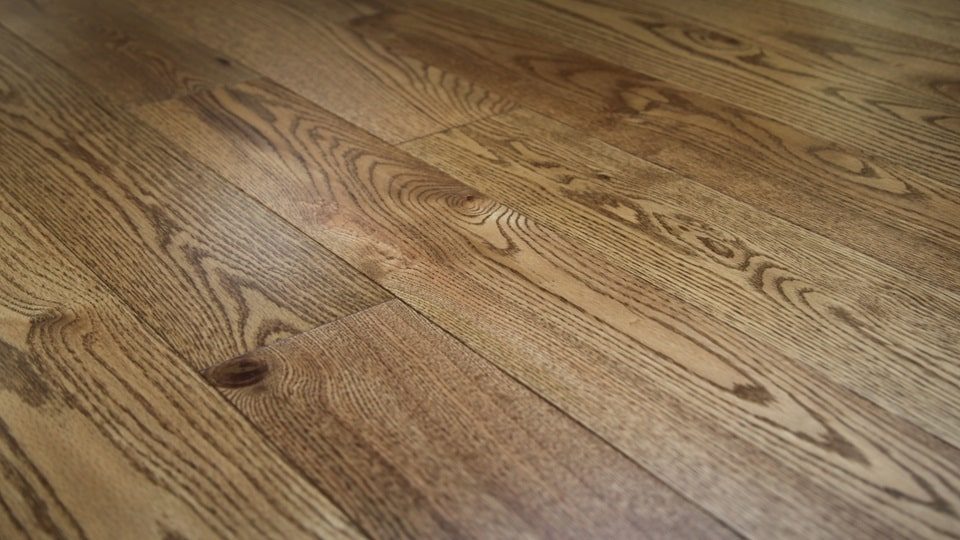
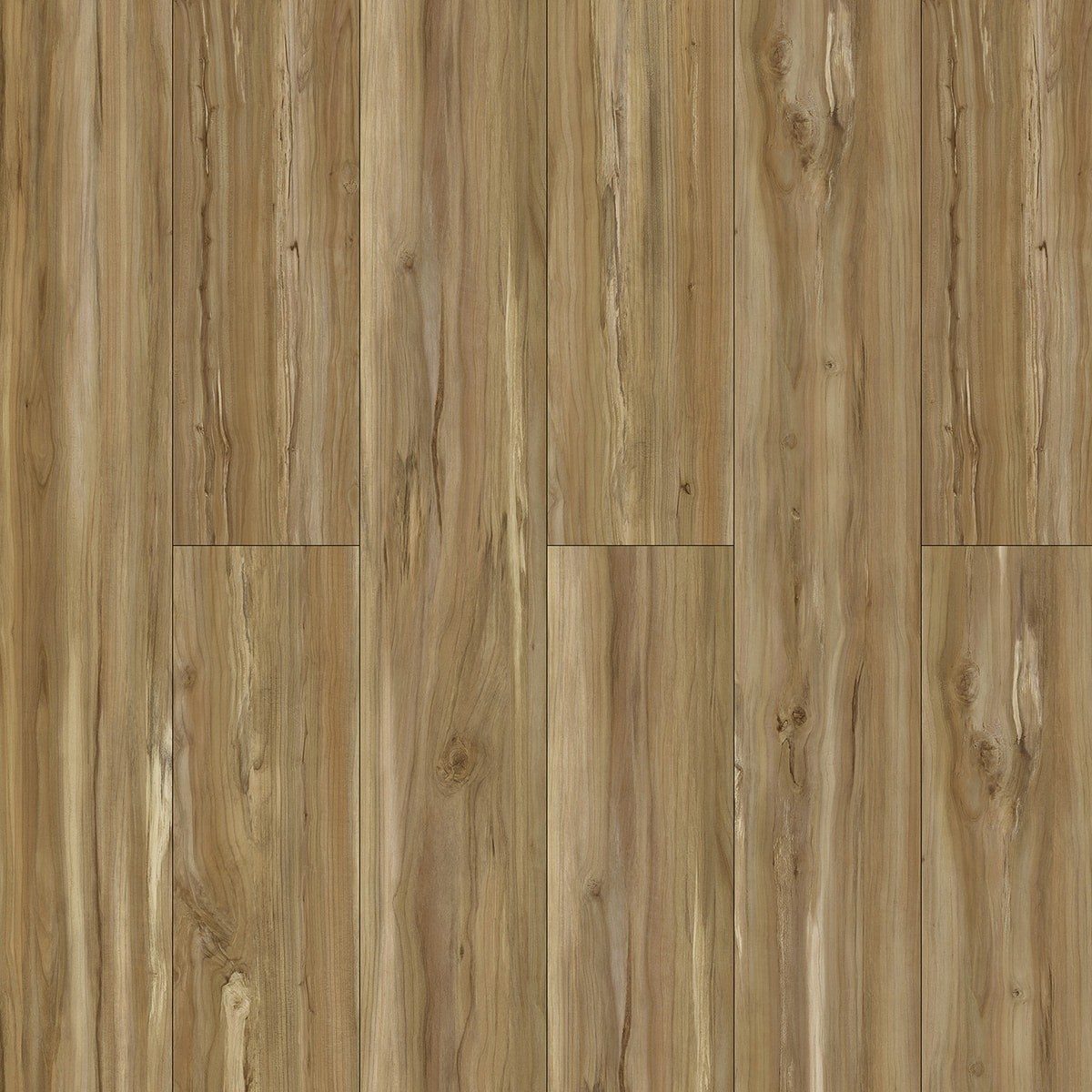
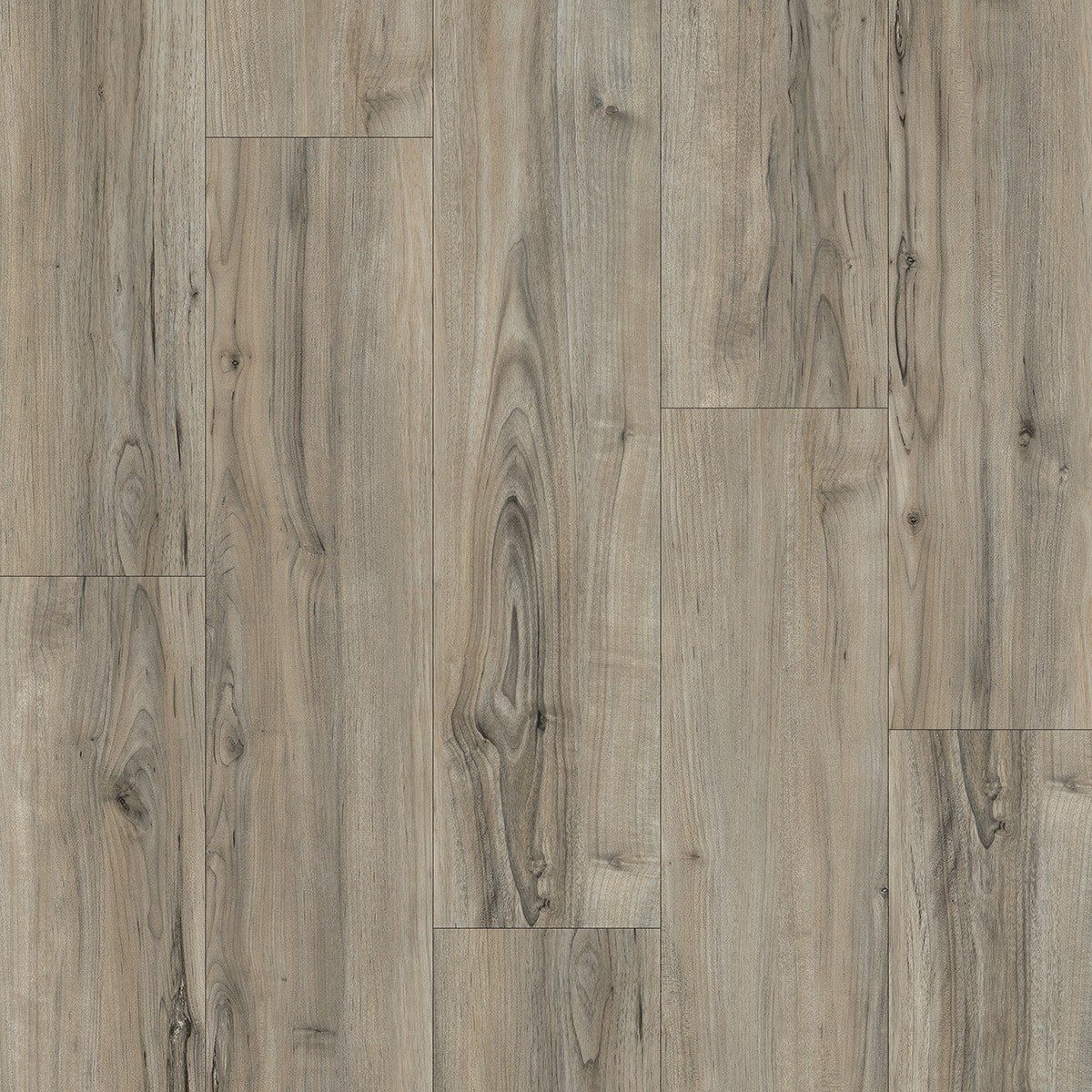


Examples from the current catalog in these material families; specifications on each product page are as listed by the manufacturer.
Related guides
All guides