Care & maintenance
How to care for wood and vinyl floors, by material
Modern Wood Flooring team · Published September 20, 2026 · Updated November 3, 2026

Keep grit off the floor, keep water off wood, and protect the surface from furniture. Wood needs dry or barely damp cleaning and steady indoor humidity. Vinyl plank and tile tolerate damp mopping but dislike abrasives and harsh solvents. Your product's care guide has the final word, so check it before using anything new.
What wears a floor out?
Grit does most of the damage. Sand and street dirt act like sandpaper under shoes and chair legs, slowly dulling the finish on wood and the wear layer on vinyl. Water is the second problem for wood. Standing water, wet mopping and leaks can swell boards and damage the finish. The third is furniture: chairs dragged across the floor, heavy pieces with small feet, and rolling office chairs without a mat.
Sunlight matters too. Wood and vinyl can both change color where strong light hits them, so move rugs and furniture now and then.
How do you care for solid and engineered hardwood?
Solid and engineered wood share the same surface, real wood with a finish on top, so daily care is the same. The main difference shows up years later, when you want to renew the floor.
Daily and weekly
- Sweep, dust-mop or vacuum regularly. Use the hard-floor setting or turn off the beater bar so it does not scuff the finish.
- Wipe spills right away with a dry or slightly damp cloth.
- Clean with a product made for finished wood floors, or the one your manufacturer recommends. Spray it on a microfiber mop rather than pouring it on the floor.
- Use a mop that is barely damp, never wet. Wood should dry within a minute or so.
Yearly and as needed
- Check and replace felt pads on chair and table legs. They wear thin and pick up grit.
- Look for dull traffic lanes in hallways and in front of the kitchen sink. These are the first sign a recoat may be due.
- If your floor has an oil finish rather than a lacquer or polyurethane finish, it usually needs periodic maintenance oil. Use the system the manufacturer specifies.
How do you care for LVP and LVT?
Luxury vinyl plank and tile have a printed design layer protected by a clear wear layer. The surface handles moisture well, which makes cleaning easier, but it can still scratch, scuff and dent.
Daily and weekly
- Sweep or vacuum to keep grit off the wear layer.
- Damp mop with a pH-neutral cleaner or the cleaner your manufacturer recommends. Wring the mop out well.
- Do not flood the floor. Many vinyl floors are waterproof at the surface, but standing water can still reach the subfloor through seams and edges.
- Wipe up spills from dyes, hair products and some foods quickly, since they can stain.
Yearly and as needed
- Use wide, non-staining floor protectors under heavy furniture. Small or hard feet can dent vinyl, especially flexible products without a rigid core.
- Lift heavy pieces when you move them. Dragging can tear or gouge the wear layer.
- Replace a damaged plank or tile rather than trying to sand or patch it. Keeping a box of spares makes this simple.
What should you not use on wood or vinyl floors?
Most damage from cleaning comes from products that seem harmless. Manufacturers differ, so treat this as a general list and check your product's care guide and warranty before using anything new.
- Steam mops. Wood manufacturers generally exclude steam from their warranties, and many vinyl manufacturers advise against it too. Heat and moisture can damage finishes, adhesives and joints.
- Wet mopping or buckets of water on wood. Water seeps into seams and edges and can swell or cup boards.
- Oil soaps, waxes and furniture polish on finished wood. Many manufacturers advise against them because they can leave a film that dulls the floor and can interfere with a future recoat.
- Vinegar, ammonia, bleach and other harsh or acidic cleaners unless your manufacturer approves them.
- Abrasive pads, scouring powders and steel wool on any floor.
- Rubber-backed or latex-backed mats on vinyl, which can cause yellow staining on some products. Look for mats labeled safe for vinyl or hardwood.
Care rules vary by product and finish. If your floor came with a care guide, follow it over any general advice, including ours. Using an unapproved cleaner can affect the warranty.
Which simple habits protect floors most?
- Felt pads on every chair, table and stool leg. Check them every few months.
- Walk-off mats inside and outside entry doors to catch grit before it reaches the floor.
- A chair mat under rolling office chairs. Our home office flooring guide covers chair casters in more detail.
- Area rugs with a pad that is safe for your floor type.
- Keep pet nails trimmed. See flooring for pets and kids if you are still choosing a floor.
- Window treatments or UV-filtering film in rooms with strong direct sun.
How do Brooklyn winters and summers affect wood floors?
Wood takes on and gives off moisture with the air around it. Many Brooklyn buildings run steam or hot water heat through the winter, and radiator heat makes indoor air very dry. Wood boards shrink a little and gaps can open between them. In humid summers, especially in rooms without air conditioning, boards swell and gaps close. Too much moisture can cause cupping, where board edges rise above the centers.
Some seasonal movement is normal. You can reduce it by keeping indoor humidity steady. Many wood flooring manufacturers specify a relative humidity range, commonly somewhere around 30 to 50 percent, and some warranties require it. Check your product's range.
- Run a humidifier in winter, particularly in apartments with radiators you cannot fully control.
- Use air conditioning or a dehumidifier in muggy summer months.
- Keep an inexpensive hygrometer in the room so you know the real numbers.
- Do not let radiator valves leak or drip onto the floor. Check them at the start of each heating season.
Engineered wood is more dimensionally stable than solid, which is one reason it is common in NYC apartments, but it still benefits from steady humidity. LVP and LVT are not affected by humidity in the same way, though some vinyl moves with temperature, so floating floors need the expansion gaps their instructions call for. See engineered vs solid wood in NYC apartments.
Recoat or refinish: what is the difference?
When a wood floor looks tired, you have two main options. A recoat, sometimes called a screen and recoat, lightly abrades the existing finish and adds a fresh coat. It does not remove wood. A full refinish sands the floor down to bare wood, then applies new stain and finish.
| Recoat (screen and recoat) | Full refinish (sand and finish) | |
|---|---|---|
| Best for | Dull finish, light surface scratches, worn traffic lanes | Scratches into the wood, gray worn areas, stains, color change |
| Removes wood | No | Yes, a thin layer each time |
| Works on | Solid and most engineered floors, if the finish will accept it | Solid, and engineered with a thick enough wear layer |
| Can change color | No | Yes |
| Disruption | Usually shorter | Longer, with more dust and drying time |
Recoating on time is the cheapest way to extend a wood floor's life, because it renews the finish before wear reaches the wood. Some factory finishes are very hard and need specific preparation or products before a new coat will bond. Ask the manufacturer or an experienced floor finisher before you recoat a prefinished floor.
Solid hardwood can usually be fully sanded several times over its life. Engineered wood depends on the thickness of its real wood top layer. Our wear layer guide explains how to tell. If you have an older floor in a brownstone, see refinish or replace brownstone floors.
LVP and LVT cannot be sanded or refinished. When the wear layer is worn through or a plank is damaged, the fix is to replace that piece.
A simple care schedule
| How often | Solid and engineered wood | LVP and LVT |
|---|---|---|
| Daily or as needed | Sweep or dust-mop high-traffic areas; wipe spills dry | Sweep high-traffic areas; wipe spills |
| Weekly | Vacuum; clean with a barely damp microfiber mop and wood floor cleaner | Vacuum; damp mop with a pH-neutral cleaner |
| Every few months | Check felt pads; shake out and wash mats | Check furniture protectors; wash mats |
| Each season | Watch humidity; adjust humidifier or dehumidifier | Check expansion gaps near sunny windows on floating floors |
| Every few years | Recoat when the finish dulls in traffic lanes | Replace any damaged planks or tiles |
What should you keep after installation?
Keep a few spare boxes or at least several planks from the original order, stored flat in a dry room. Colors and patterns can vary between production runs, and products are sometimes discontinued, so matching later is not always possible. Also keep the product name, color, and the manufacturer's care and installation documents. If you are not sure what floor you have, bring a photo or an offcut to the showroom and we can help you identify the product type.
Common questions
Can I use a steam mop?
Not on wood floors. Wood manufacturers generally exclude steam from their warranties, and many vinyl manufacturers advise against it as well. Check your product's care guide before using one on any floor.
How often should I mop a hardwood floor?
Sweep or vacuum often, and damp mop about once a week or when the floor looks dirty. Use a barely damp microfiber mop and a cleaner made for finished wood, so the floor dries almost immediately.
Can I use the same cleaner on wood and vinyl?
Sometimes. Some cleaners are labeled for both, but many manufacturers recommend their own products. Check that a cleaner is approved for your specific floor and finish.
Why do gaps appear in my wood floor every winter?
Radiator heat dries indoor air, and wood shrinks slightly as it loses moisture. Gaps that close again in summer are usually normal seasonal movement. A humidifier helps keep the change smaller.
How do I know if my floor needs a recoat or a full refinish?
If the finish is dull or lightly scratched but the wood itself is not worn, a recoat is often enough. If scratches go into the wood, the wood looks gray, or you want a new color, it needs a full sand and refinish.
How do I get scuffs off vinyl plank?
Try a soft cloth or nonabrasive pad with the cleaner your manufacturer recommends, and avoid scouring pads and solvents unless the care guide approves them. A gouge through the wear layer will not buff out; the fix is to replace that plank.
Floors this guide covers

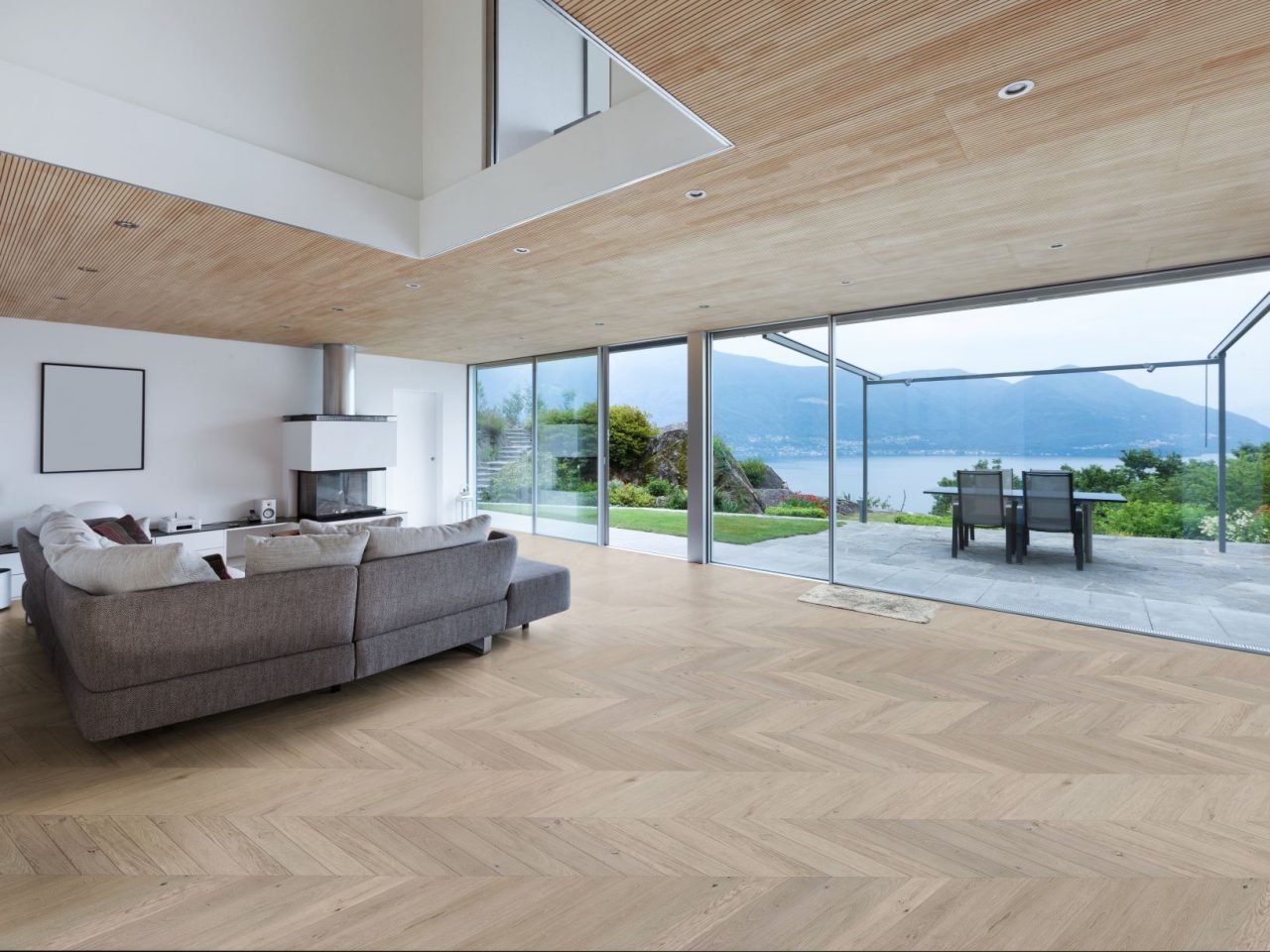
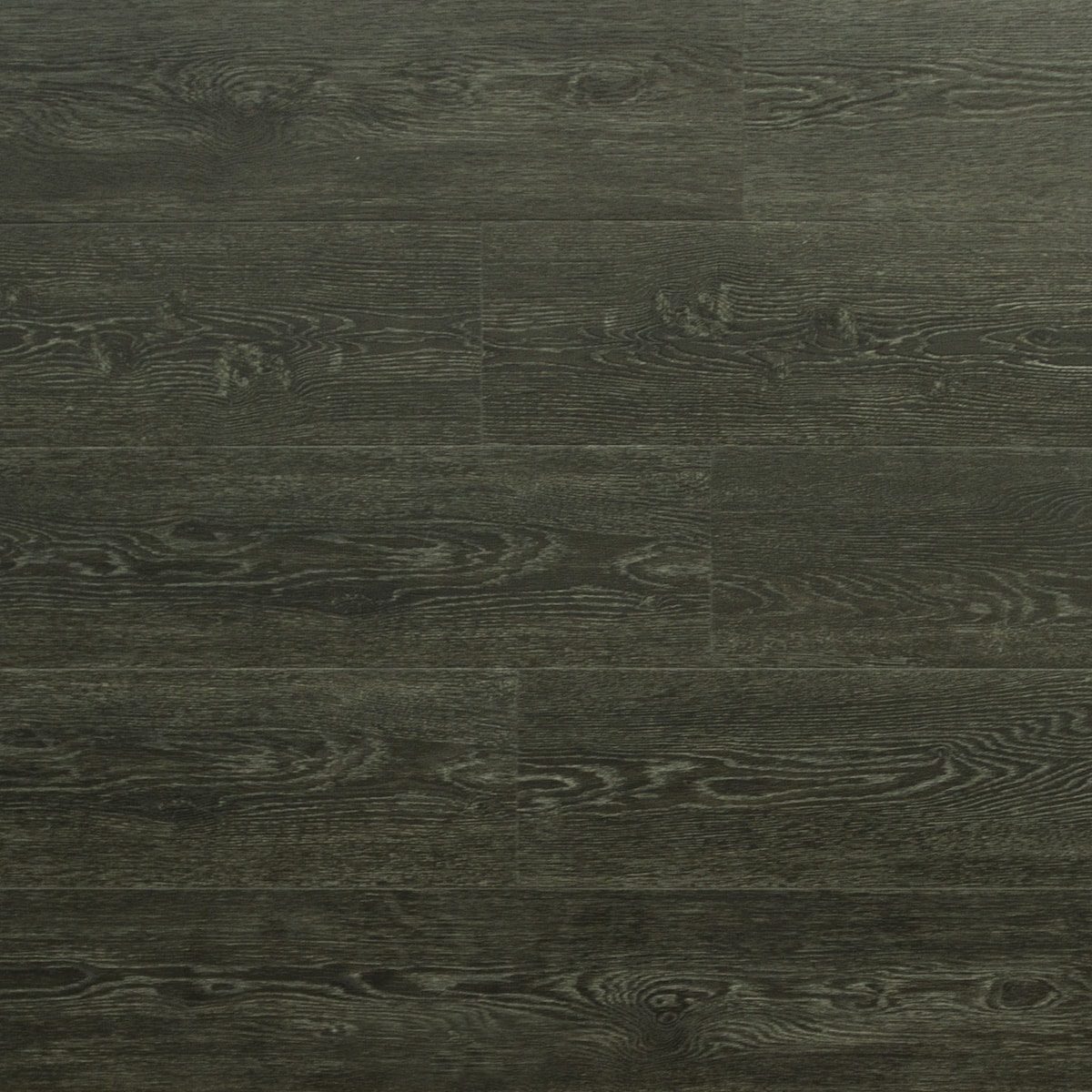
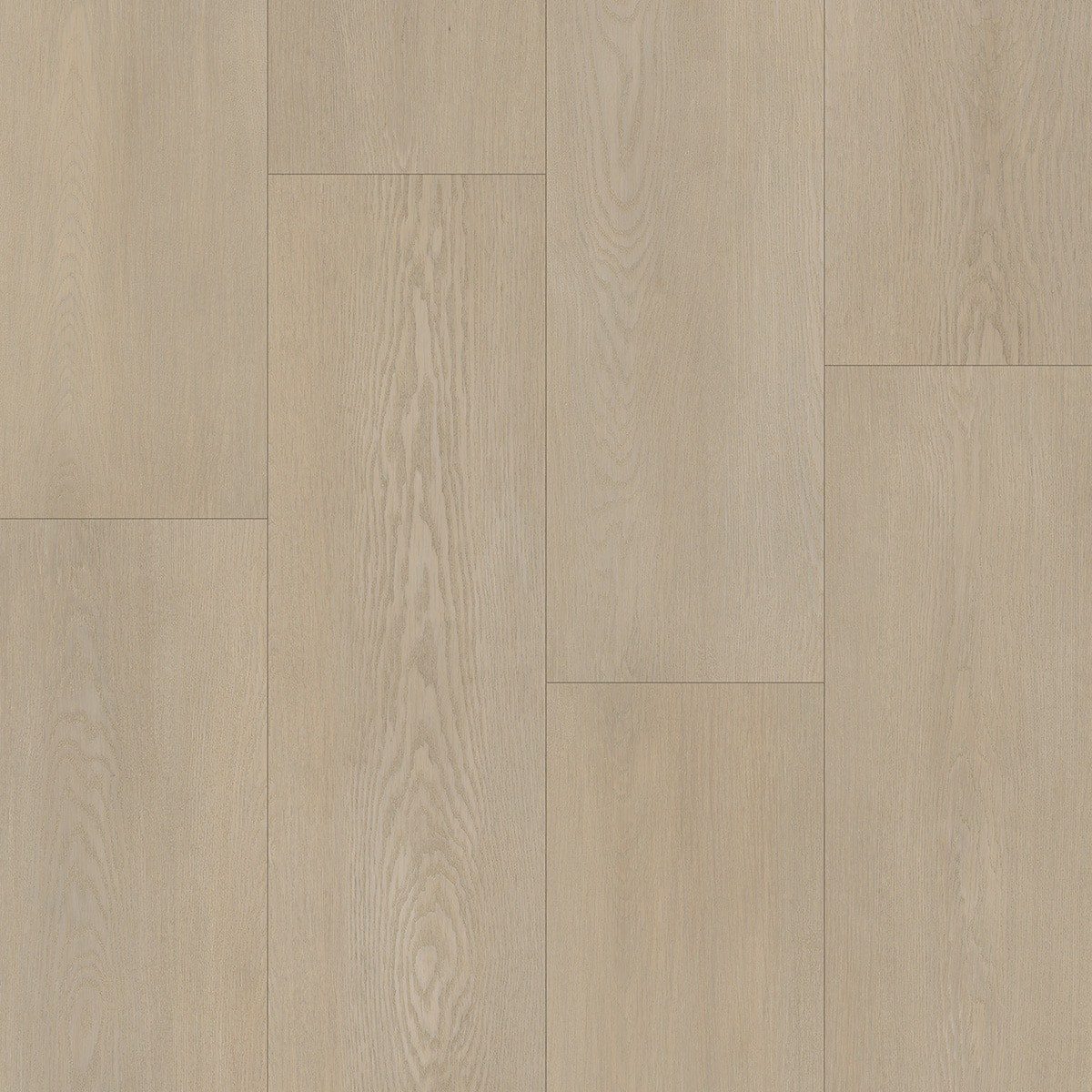


Examples from the current catalog in these material families; specifications on each product page are as listed by the manufacturer.
Related guides
All guides