Choosing flooring
The best flooring for homes with pets and kids
Modern Wood Flooring team · Published October 16, 2026

For most busy households, a rigid-core luxury vinyl plank with a thick wear layer is the most forgiving choice, because it handles spills and accidents well. If you want real wood, choose engineered hardwood with a matte, wire-brushed finish and a mid-tone color. That combination hides scratches far better than smooth, glossy, dark floors.
No floor is scratch-proof, dent-proof and silent. The goal is a floor that hides normal wear, survives accidents, and still looks good after a few years of claws, toys and spilled juice. Here is how to weigh the options.
What do pets and kids actually do to a floor?
It helps to separate the problems, because different features solve each one.
- Scratches from claws, toy cars, chair legs dragged by small hands, and grit tracked in from the sidewalk.
- Dents from dropped toys, blocks and heavy objects.
- Liquid from pet accidents, water bowls, spilled drinks and bath time splashes.
- Noise from running feet and clicking claws, which matters most in apartments with neighbors below.
- Slipping, for older dogs, toddlers learning to walk, and kids in socks.
LVP or engineered hardwood for pets and kids?
Both can work well. They fail in different ways, so the right choice depends on which problem worries you most.
| Rigid-core LVP or LVT | Engineered hardwood | |
|---|---|---|
| Scratches | Resists light scratches; protection depends on the wear layer and top coating | Finish scratches; matte and wire-brushed surfaces hide them well |
| Dents | Rigid cores resist dents better than flexible vinyl | Depends on species and construction; softer woods dent more easily |
| Pet accidents and spills | Surface is typically waterproof; clean up before liquid reaches seams | Wipe up quickly; urine left to sit can stain wood and damage finish |
| Repair | Replace individual damaged planks | Can often be recoated, and sanded if the wear layer is thick enough |
| Noise | Floating installs can sound hollow without good underlayment | Feels and sounds more solid when glued or nailed |
| Feel and value | Looks like wood; feels firmer and cooler | Real wood look and feel; many buyers value it |
If accidents are the main concern, such as a new puppy, an older pet, or a toddler with a sippy cup, vinyl is usually the safer bet. If you care most about the look and feel of real wood and can accept some visible wear, a textured engineered floor is a good fit. Our LVP vs engineered hardwood guide goes deeper on the general comparison.
Which finishes hide scratches best?
Sheen and texture matter more than most people expect. A scratch is visible because it catches light differently from the surface around it. On a smooth, glossy floor, every scratch shows. On a matte or textured floor, small scratches blend in.
Matte and low-luster vs gloss
Matte and low-luster finishes reflect less light, so scratches, scuffs and dust are harder to see. Satin is a middle ground. Semi-gloss and high-gloss floors look polished when new but show every mark. For a family home, we generally suggest matte or low-luster.
Wire-brushed, hand-scraped and embossed textures
Wire brushing removes some of the softer wood between the grain lines, leaving a slightly textured surface. Hand-scraped floors have broader, deliberate surface variation. Both disguise new scratches because the floor already has visual texture. In vinyl, embossed surfaces, especially "registered" embossing that follows the printed grain, do a similar job.
Examples from our catalog include the Montserrat Floor White Oak in Brown Wirebrushed engineered floor and the Ferma Simple Barn Oak LVT with a registered emboss surface. Ask us to pull samples so you can test them at home.
Color and grain
- Mid-tone colors hide dust, crumbs and scratches better than very dark or very light floors.
- Very dark floors show dust, pet hair and light scratches clearly.
- Strong grain patterns, like oak, hide wear better than plain, uniform surfaces.
- If you have a pet with a lot of shedding, a floor close to the color of its fur makes hair less noticeable between cleanings.
How do you handle pet accidents and spills?
Speed matters more than the material. Pet urine left on a wood floor can stain the wood and break down the finish, and repeated accidents in the same spot may require replacing boards. Waterproof vinyl protects the surface, but liquid left to sit can work into seams and reach the subfloor, where it can cause odor and damage you cannot see.
- Blot liquid up as soon as you find it. Do not leave it to dry.
- Clean with a product approved for your floor type. Some pet enzyme cleaners are fine on sealed floors, but check the label and your manufacturer's care guide.
- Put a waterproof tray or mat under water and food bowls.
- Use washable rugs in spots where accidents tend to happen while a pet is being trained.
Warranties on wood and vinyl usually exclude damage from pet urine or standing water. Read the warranty for the specific product before you buy.
What about dents from toys and furniture?
Dent resistance comes from what is under the surface. In vinyl, rigid-core products (often called SPC) generally resist dents better than flexible, glue-down vinyl. In wood, harder species resist dents better than softer ones, and engineered floors vary by the wood and core used. A thick wear layer helps with scratches but does not stop dents. Felt pads and wide furniture protectors help with both.
How do you reduce noise from running kids and clicking claws?
Hard floors carry impact sound. In a house, that mostly affects the rooms below. In an apartment, it affects your neighbors, and many NYC buildings have rules about it.
- Use a quality underlayment. Many co-ops and condos in NYC require sound-control underlayment with minimum IIC and STC ratings, so check your building's alteration agreement first.
- Area rugs with a dense pad in play areas and hallways make a large difference.
- Glue-down installations generally sound less hollow than floating ones.
- Keep pet nails trimmed. It reduces both clicking and scratching.
Many NYC leases and some co-op rules require rugs over a large share of the floor, often called the "80% rule." If that applies to you, the floor under the rugs still matters, but rugs become your main sound control. See our guide to co-op and condo flooring sound rules for more.
Is slipping a concern?
It can be, especially for older dogs and very young children. Smooth, glossy surfaces offer the least grip. Matte finishes and textured surfaces, like wire-brushed wood and embossed vinyl, give paws and feet a little more traction. Runners on stairs and in long hallways help, as long as the rug pad is safe for your floor.
What should you avoid?
- High-gloss finishes in busy rooms.
- Very soft woods in main living areas, unless you like a worn, rustic look.
- Thin vinyl with a light wear layer in high-traffic rooms.
- Rubber-backed mats on vinyl, which can stain some products.
- Cleaning accidents with steam or soaking the floor.
How do you choose for a Brooklyn home?
In many Brooklyn houses, you can choose freely. In apartments, building rules come first. Concrete slabs in many apartment buildings favor engineered wood or vinyl over solid hardwood, and sound rules may set the underlayment. In walk-ups and older row houses with wood joists, footfall noise carries easily to the floor below, so underlayment and rugs matter even if no rule requires them.
The best test is at home. Take samples of two or three options, let your kids and pets walk on them for a few days, drag a toy across them, and look at them in your own light. We can pull samples the same day you visit. Browse engineered floors or vinyl floors to start a shortlist.
Common questions
Is LVP or hardwood better for dogs?
For most dog owners, rigid-core LVP is more forgiving because it handles accidents and resists light scratches. Engineered hardwood with a matte, wire-brushed finish also works well if you accept some visible wear.
Will my dog scratch engineered hardwood?
Probably, at least in the finish. Matte sheens, wire-brushed textures and mid-tone colors make those scratches much harder to see, and trimmed nails reduce them.
Is waterproof vinyl really waterproof?
The surface of most waterproof vinyl resists water, but liquid left to sit can still get into seams and reach the subfloor. Clean up spills and accidents promptly.
What finish hides scratches best?
Matte or low-luster finishes, especially on a textured surface such as wire-brushed wood or embossed vinyl. Gloss finishes show scratches most.
How can I make floors quieter with kids?
Use a sound-rated underlayment, put dense rug pads under area rugs, and favor glue-down installation where the product allows it. In co-ops and condos, check the building's underlayment requirements first.
Floors this guide covers
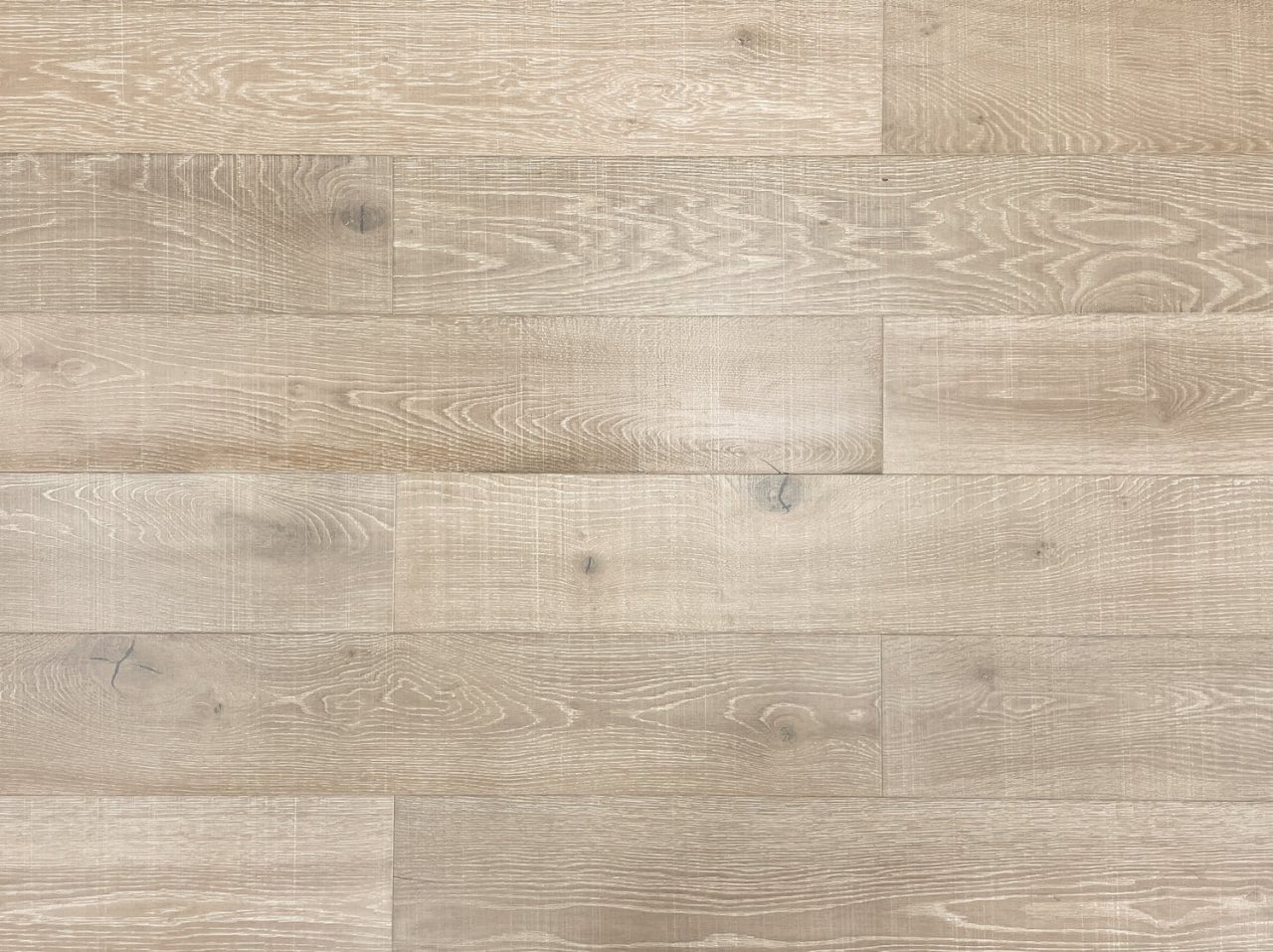
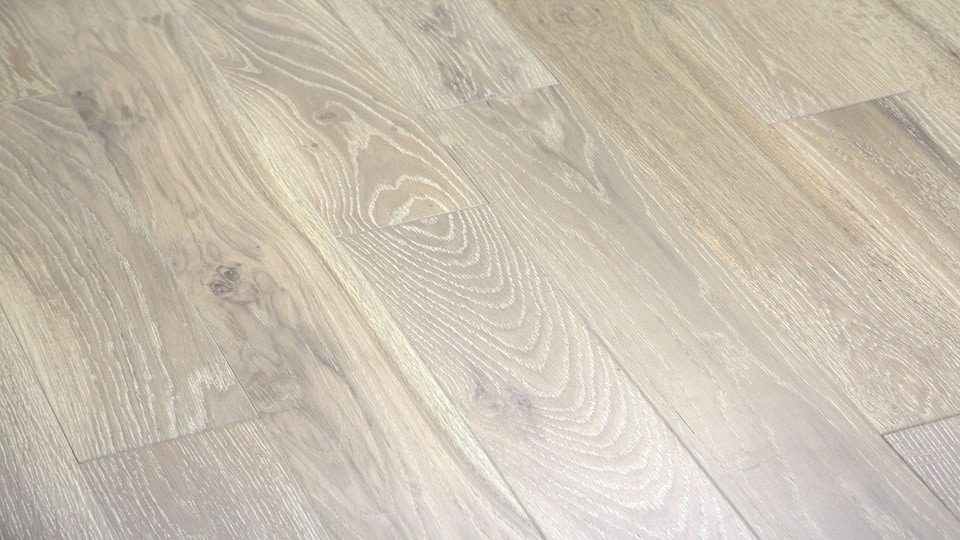
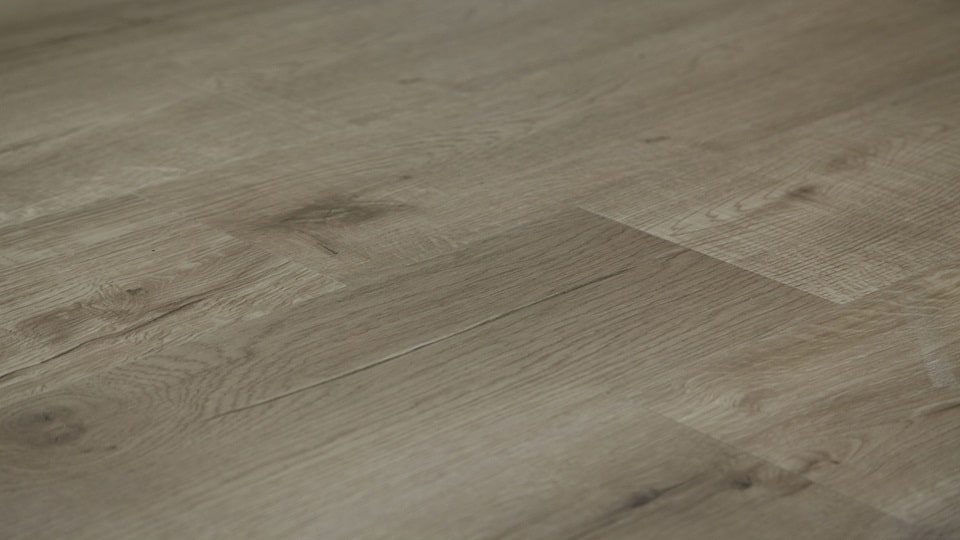
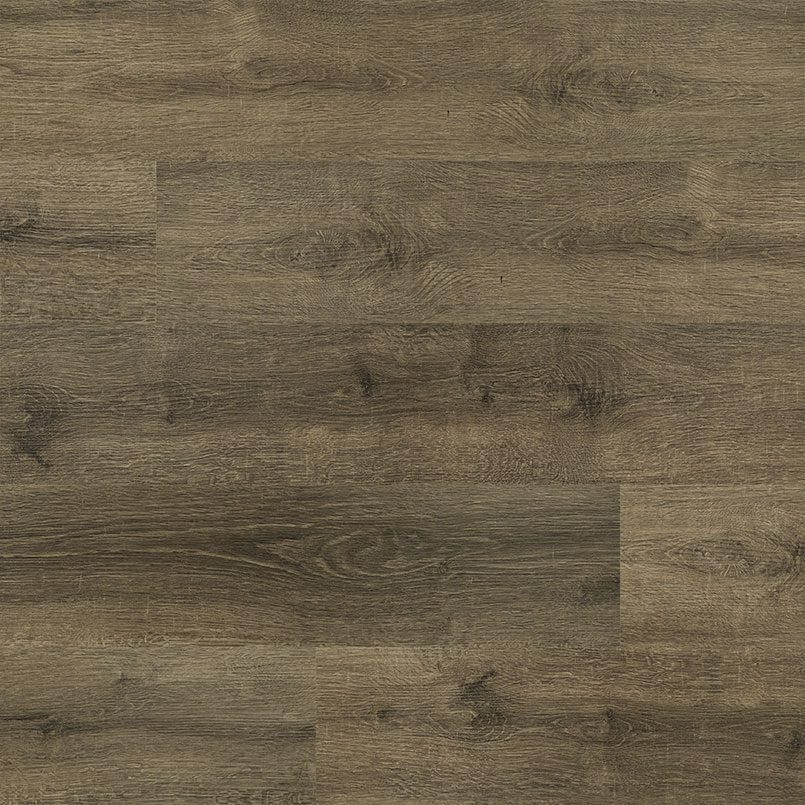


Examples from the current catalog in these material families; specifications on each product page are as listed by the manufacturer.
Related guides
All guides