Choosing flooring
Room light and floor color
Modern Wood Flooring team · Published September 20, 2026 · Updated October 19, 2026

The same plank can look warm and golden in a south-facing room and flat or gray in a north-facing one. Choose a floor color by looking at where your light comes from, when you use the room, and which bulbs you run at night, then confirm it with real samples on your own floor.
Why does the same floor look different in different rooms?
A floor is the largest surface in most rooms, and it mostly reflects light rather than producing any color of its own. What you see is the board's color mixed with the color of the light falling on it. Daylight shifts through the day and the seasons, and indoor bulbs range from warm to cool. A sample that looked perfect under bright showroom lights will read differently at home.
Three things do most of the work: the direction your windows face, how much glass there is and how deep the room runs, and the color temperature of your lamps and fixtures.
What color floor works in a north-facing room?
North light is cool and even. It is pleasant to work in, but it pulls color toward blue and gray. Floors with a little warmth, such as natural oak, soft tan or honey tones, keep the room from feeling gray. Very white, ash or gray floors can look cold here unless the walls, furniture and lamps warm them up.
If you love a pale, cool floor and your room faces north, sample it anyway, but plan the rest of the room with it: warmer wall color, warm-white bulbs, wood or textile accents.
What about south, east and west light?
Rooms with big south or west windows get strong, warm light for much of the day. They can carry deeper browns and grays without going dark. The same strong light shows glare, dust and footprints, so highly glossy finishes are less forgiving than matte or low-luster ones.
- South-facing: bright and warm for most of the day. Most tones work; watch for glare on shiny finishes and for color change from sun exposure over time.
- East-facing: warm, bright mornings and cooler, softer afternoons. Look at samples at both times.
- West-facing: cooler mornings and warm, golden late afternoons. Warm floors can read very orange at sunset.
- North-facing: cool, even light all day. Warmer or mid tones usually help.
| Room light | How floors tend to read | Often works well |
|---|---|---|
| North-facing | Cooler and grayer than the sample | Natural oak, tan, honey, warm mid tones |
| South-facing | Brighter and warmer; strong contrast | Most tones; deeper browns and grays hold up |
| East-facing | Warm in the morning, cooler later | Mid tones that read well at both times |
| West-facing | Cool early, very warm late in the day | Neutral or slightly cool tones balance the evening glow |
| Little daylight (interior or deep rooms) | Mostly lit by bulbs | Lighter tones that bounce light; choose bulbs with care |
How should you choose a floor for a long, narrow city room?
Many Brooklyn apartments and row houses have rooms that are long and narrow, with windows only at one or both ends. Railroad-style layouts are a familiar example. The front of the room can be bright while the middle stays dim most of the day.
- Lighter and mid tones help bounce daylight deeper into the room. Very dark floors can make the middle feel like a tunnel.
- Running boards along the length of the room usually makes it feel calmer and longer. Running them across a narrow room can make it feel wider but busier.
- Low-luster and matte finishes keep window glare from bouncing down the length of the room.
- Look at samples in the darkest part of the room, not only by the window.
Direction also depends on the subfloor and the building, so it is worth reading our guide to plank width and direction before deciding.
What are undertones, and why do they matter?
Two floors can both be called light brown and still clash with the room. The difference is usually undertone: the hint of color underneath the main shade. Wood and wood-look floors commonly lean warm (yellow, orange, red), cool (gray, ash, slightly green or blue) or neutral (beige and greige).
To see an undertone, put the sample next to something pure white, such as a sheet of printer paper. Then put it next to a gray card or a gray stone. The undertone usually jumps out in comparison. Our guide to gray, beige and warm floor tones covers which undertones tend to last.
Natural wood changes color with light exposure over time. Many oaks deepen or amber, and some species, such as Brazilian cherry (jatoba), darken noticeably. Rugs and furniture can leave lighter outlines if they stay in one place. Check the product's care information and move rugs now and then in sunny rooms.
How do you match a floor to kitchen cabinets and trim?
Floor, cabinets, trim and doors all sit together, especially in open kitchens. A few rules of thumb help.
- Do not try to match wood cabinets exactly. A near-match usually looks like a mistake. Choose a floor that is clearly lighter or clearly darker, with a related undertone.
- Match undertones, not shades. Warm cherry cabinets sit better with warm or neutral floors than with cool gray ones.
- With white or painted cabinets, most floor colors work. Bright white trim makes cool floors look cooler and warm floors look warmer, so look at the sample against your actual trim paint.
- Bring a cabinet door, a drawer front or a paint chip when you sample. Hold the floor sample next to it in the kitchen, not at the counter.
- Think about the adjoining rooms. If the same floor runs from the kitchen into the living room, judge it in both rooms.
If you are choosing for a kitchen, our guide to the best flooring for kitchens covers water, cleaning and how the floor meets the cabinets.
Do light bulbs change how a floor looks?
Yes, often more than people expect. Bulbs are labeled with a color temperature in kelvin (K). Around 2700K is warm white, similar to older incandescent bulbs. Around 3000K is a slightly crisper warm white. Bulbs around 4000K and above read cooler and closer to daylight.
Warm bulbs push floors toward yellow and orange. Cool bulbs push them toward gray. If a room is used mostly in the evening, such as a bedroom or a den, judge the floor under the bulbs you actually use. Mixing bulb temperatures in one room can make the floor look patchy.
How should you sample a floor in your own light?
Color families in our catalog are a starting filter, not a substitute for seeing the material in your space. We're happy to provide samples, and a little care with them saves a lot of second-guessing.
- Lay boards or samples flat on the floor, not against the wall. Light hits a floor at a different angle than a wall.
- Use more than one board when you can. Wood varies from board to board, and a single small chip can mislead you.
- Look in the morning, at midday and in the evening, under the lights you actually use.
- Look from where you usually stand or sit, and from the doorway.
- Put samples next to your cabinets, trim, doors and any large furniture or rug that is staying.
- Compare finishes too. A matte and a satin version of the same color can look like different floors in strong light.
Samples and photos show color, but not always the full range of variation in a given product or production run. Check the product's description, and ask us if variation matters to you.
When you narrow it down to two or three, browse the full ranges in engineered wood and vinyl plank, or call us at (718) 252-6177 and we can pull samples for you to take home.
Common questions
Should my floor be lighter or darker than my walls?
There is no fixed rule. A floor that is a little darker than the walls tends to feel grounded, while a very light floor with light walls can feel airy but low in contrast. Sample both against your actual wall color.
Do dark floors make a small room look smaller?
They can, especially in rooms with little daylight, because dark floors reflect less light. In bright rooms, dark floors can look rich without shrinking the space. Dark floors also tend to show dust and scratches more.
Will my wood floor change color over time?
Most natural wood floors change with light exposure. Many oaks deepen or amber, and some species darken more noticeably. The finish and the specific product matter, so check the manufacturer's information.
Does vinyl plank change color in the sun?
Vinyl is generally more color-stable than wood, but strong direct sun can still affect some products over time. Check the product's warranty and care guidelines, and use window coverings in very sunny rooms.
How many samples should I take home?
Two to four is usually enough. Take more than one board of your top choice so you can see its variation, and include one option lighter and one darker than you think you want.
Floors this guide covers
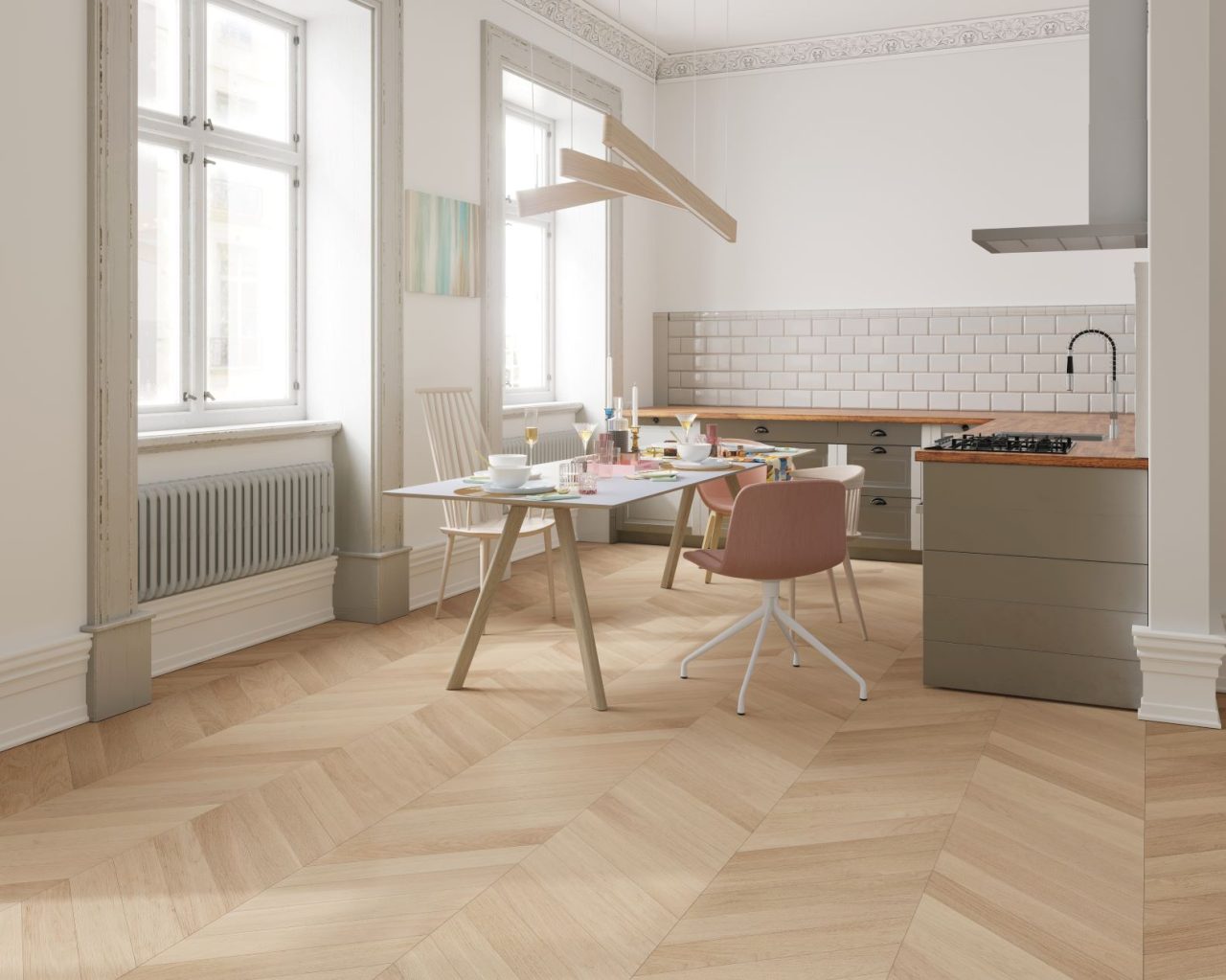
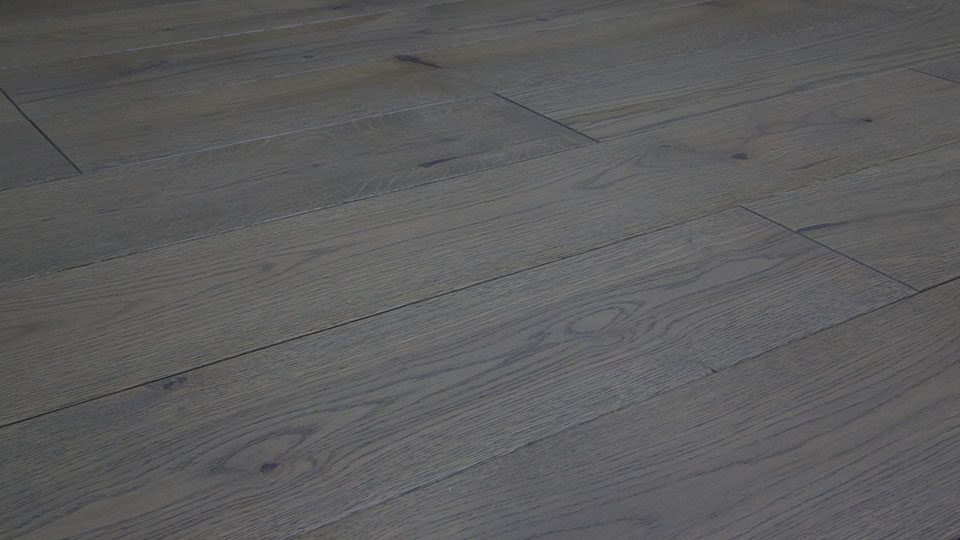
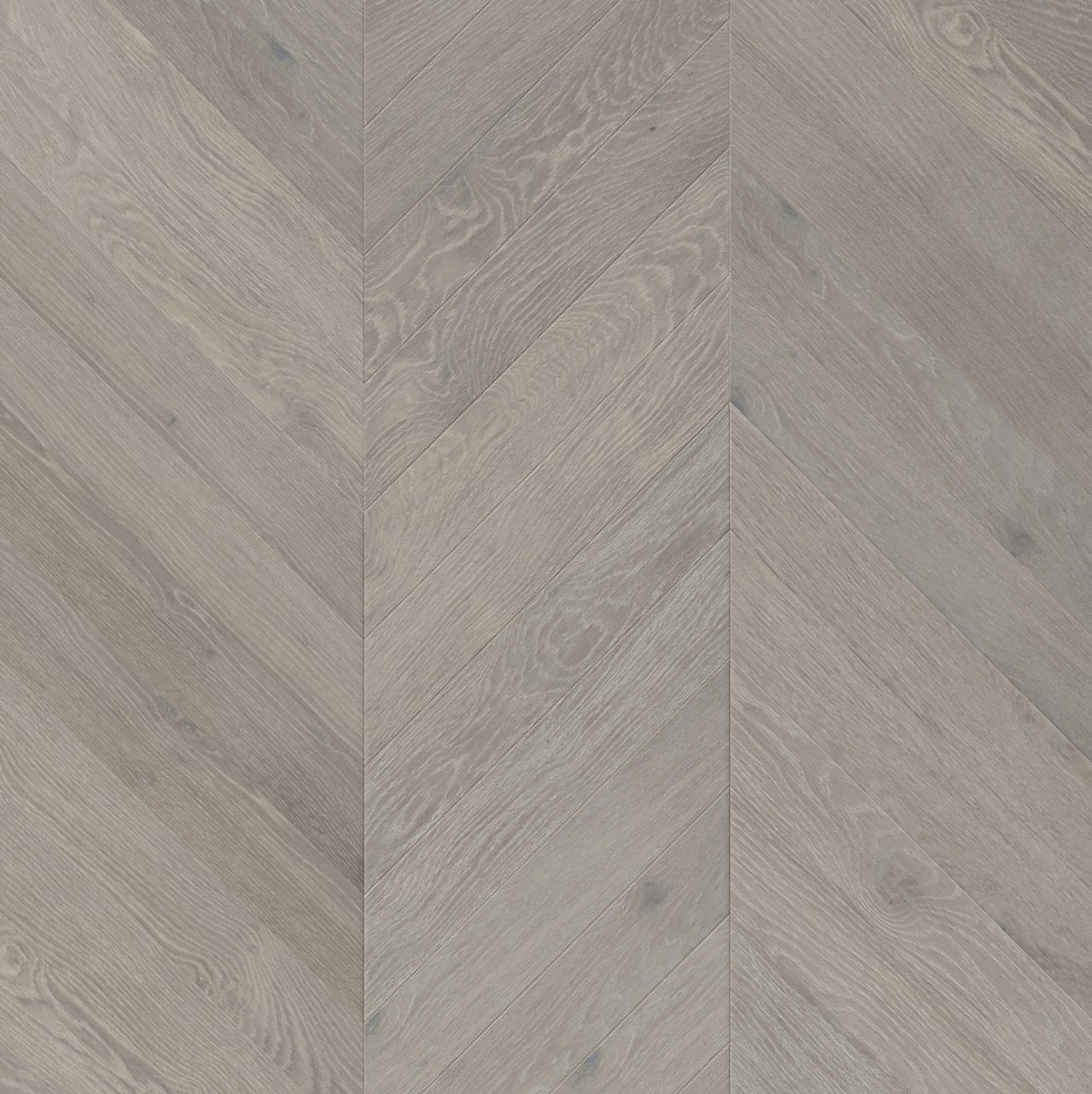
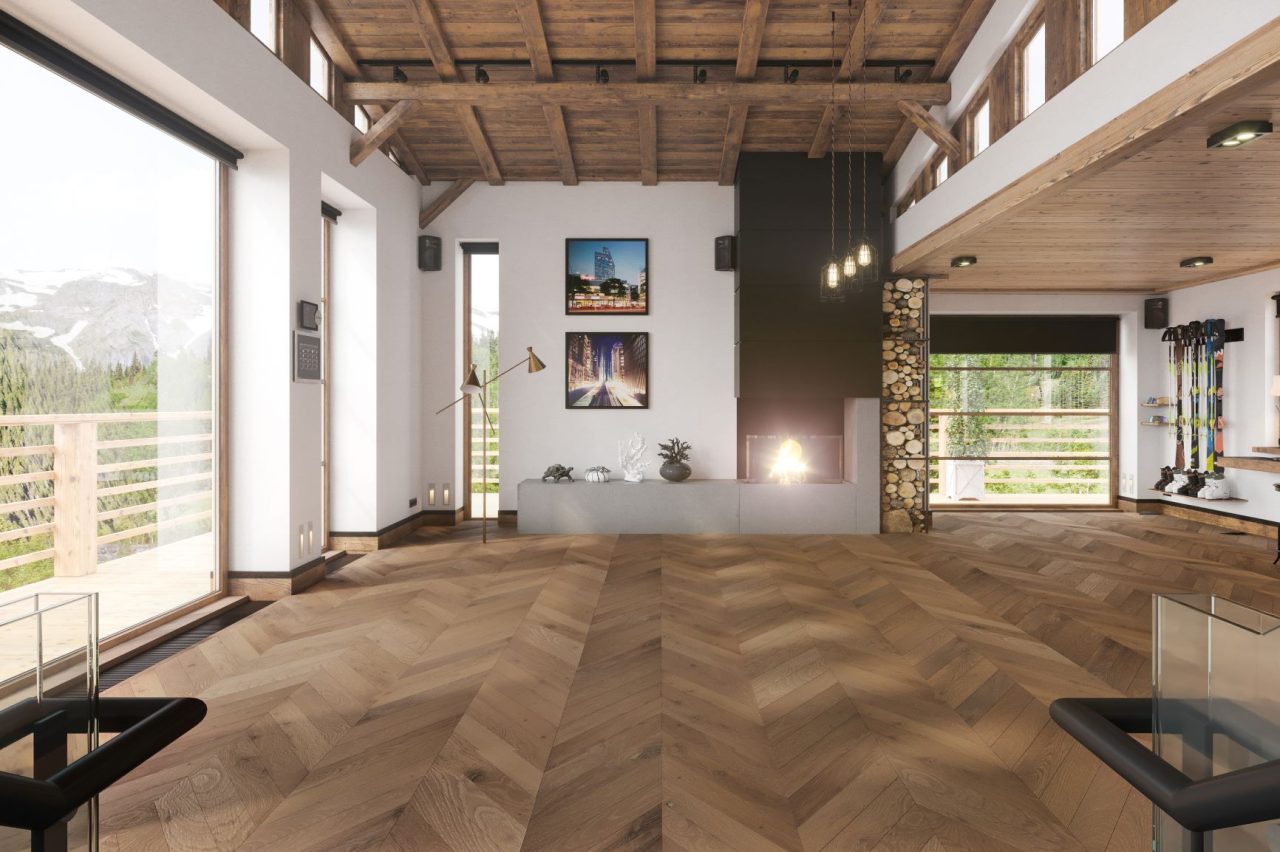


Examples from the current catalog in these material families; specifications on each product page are as listed by the manufacturer.
Related guides
All guides