Choosing flooring
Gray, beige or warm wood: a floor color that lasts
Modern Wood Flooring team · Published October 19, 2026

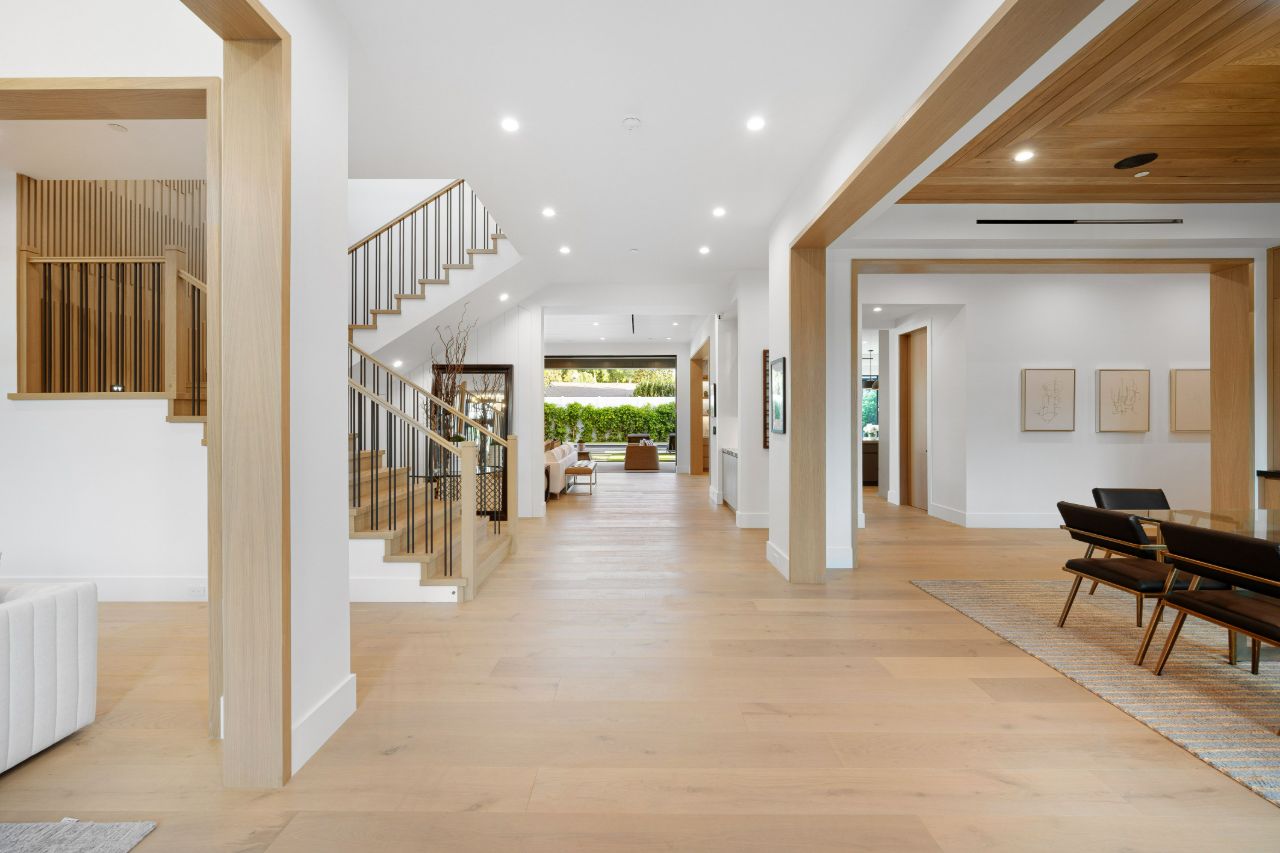
For a floor you will live with for many years, mid tones with a neutral or gently warm undertone, such as natural oak, light brown or greige, are usually the safest choice. Strong, flat grays and very orange browns tie a room to a particular era. Match the undertone to what stays: cabinets, trim, doors and other floors.
What is the difference between gray, beige and warm floor tones?
Floor colors are easier to compare by undertone than by name. Two floors both sold as light brown can look completely different once they are down, because one leans gray and the other leans yellow. Most wood and wood-look floors fall into one of these families.
| Tone family | Undertone | Usually pairs well with | Watch for |
|---|---|---|---|
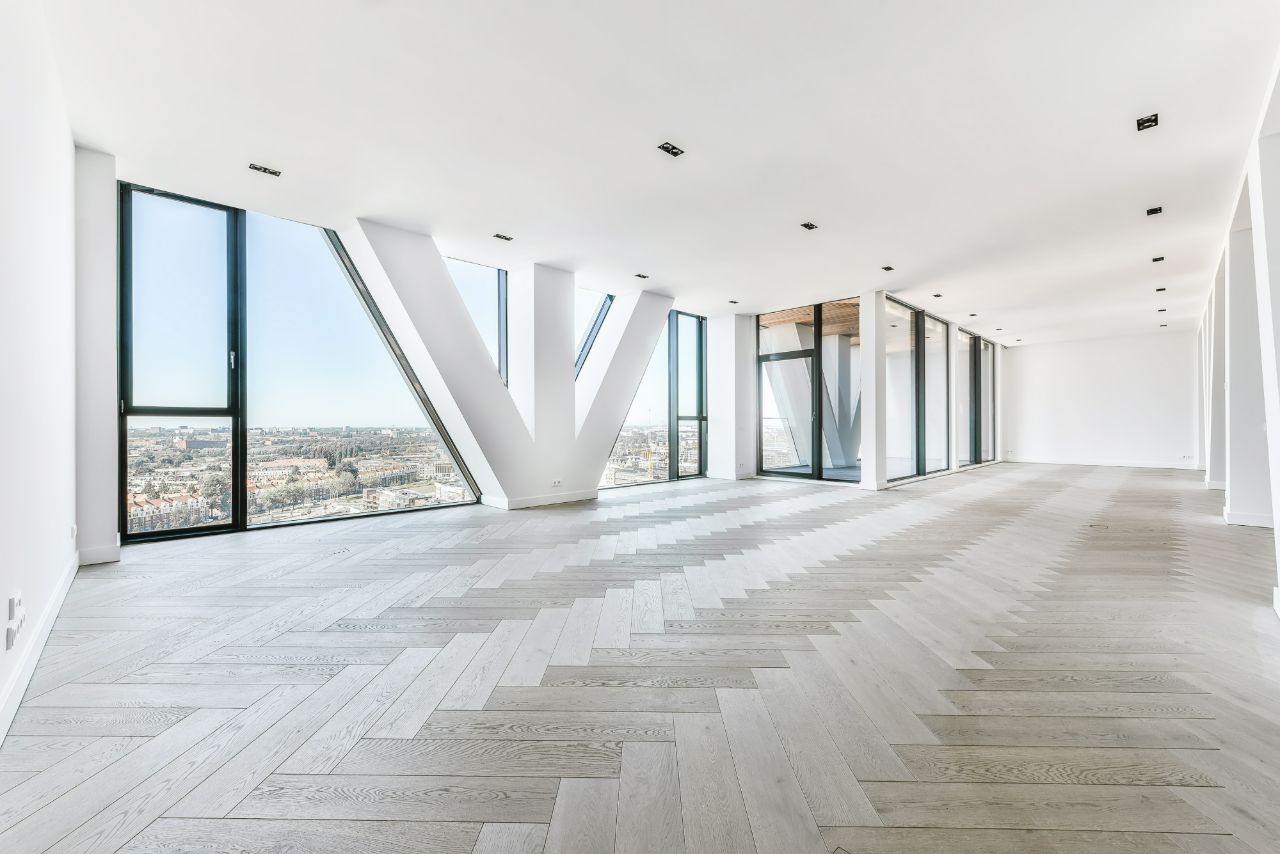
| Gray and ash | Cool: gray, blue or slightly green | White, black, marble, chrome, cool paint colors | Can look cold in low or north light; strong grays date quickly |
| Greige | Neutral: gray mixed with beige | Most paint colors and both warm and cool metals | Can look flat if the product has little grain variation |
| Beige and natural oak | Neutral to slightly warm | White and off-white trim, light wood, brass, linen tones | Very pale versions show dirt more |
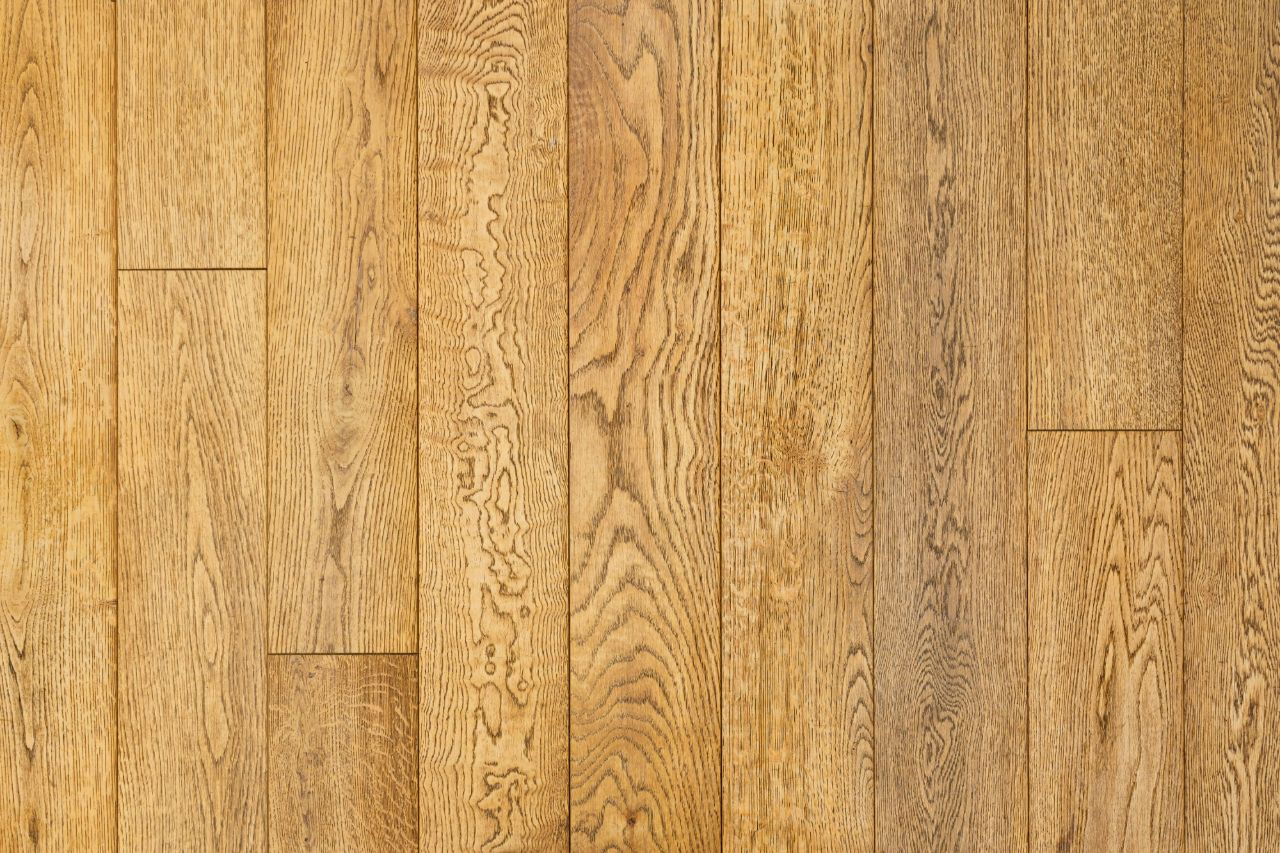
| Honey and warm brown | Warm: yellow or orange | Cream, green, terracotta, darker woods | Can read orange in strong evening sun or under warm bulbs |
| Red-brown (cherry, gunstock) | Warm: red | Traditional rooms, warm wood furniture | Clashes with pink or cool-gray finishes nearby |
Are gray floors going out of style?
Gray floors were a very common choice in renovations through the 2010s, especially in vinyl plank and gray-stained oak. In recent years, many new floors have moved toward natural, warmer and greige tones. That doesn't make every gray floor a mistake. A soft gray with real grain variation still works well with white kitchens, black hardware and cool stone.
What tends to date fastest is the extreme version: a uniform, flat gray with little wood character, or a heavily orange stain. If you want a floor to feel current for longer, choose a tone in the middle of the range and let the grain do the work.
Which floor colors hide dirt, dust and scratches?
This is often the deciding factor in a busy home. Mid tones with visible grain and some board-to-board variation hide the most. Both ends of the range show more.
- Very dark floors show dust, pet hair, footprints and light scratches, because scratches expose lighter wood or finish.
- Very light floors show dark dirt, spills and tracked-in grime.
- Mid tones such as natural oak, light brown and greige hide everyday dust and fine scratches best.
- Texture helps. Wire-brushed and hand-scraped surfaces disguise wear better than smooth ones.
- Sheen matters. Matte and low-luster finishes hide more than satin or gloss.
- In winter, salt residue tracked in from the sidewalk can leave a whitish film that shows most on dark floors.
If you have dogs or young kids, our guide to flooring for pets and kids goes further into materials and finishes.
How do you pick a tone that works with what you are keeping?
Most floors are chosen in rooms where much stays the same: kitchen cabinets, stair rails, doors, trim and the floors in other rooms. Start there rather than with the floor you saw in a photo.
- List what stays. Cabinets, stairs, doors, tile and large furniture set the undertone you need to work with.
- Match undertone, not shade. A cool gray floor beside warm cherry cabinets usually fights it; a neutral or warm floor sits better.
- Decide on contrast. A floor clearly lighter or clearly darker than nearby wood looks intentional; a near-match looks like a mistake.
- Check the adjoining rooms. Where a new floor meets an old one at a doorway, different undertones are more noticeable than different shades.
- Look at samples in your own light and under your own bulbs, at more than one time of day.
Light direction changes how a tone reads as much as the floor itself. Our room light and floor color guide explains how north, south, east and west light shift a sample, and how to test one properly.
Can you mix warm and cool floors in one home?
You can, but it works best when the change is deliberate and happens at a natural break. A tiled bathroom or kitchen in a cool gray can sit well next to a warm wood hallway, because the material changes along with the color. Two different wood-look floors in similar but not matching tones, meeting at an open doorway, are harder to make look intentional.
In smaller apartments, running one tone through the living areas usually makes the space feel larger and calmer. If you do switch, keep the undertones related, so a cool stone pairs with a neutral wood rather than a strongly orange one.
What floor color works best for renting or selling?
When the floor needs to appeal to people you have not met, neutral mid tones are the practical choice. Light to medium natural oak and soft greige suit the widest range of furniture and paint. Strong grays, reds and very dark floors narrow that range.
For landlords and property managers with several units, one consistent mid-tone floor across a building makes repairs and future turnovers simpler, since a damaged room can be patched from the same product. See our guides to flooring for rental apartments and preparing a home to sell or rent.
What about Brooklyn brownstones and prewar apartments?
Older Brooklyn homes often still have original oak floors, sometimes with parquet or borders, in warm brown or honey tones that have deepened over decades. If you are replacing floors in some rooms and keeping them in others, a cool gray new floor next to an old warm one usually looks mismatched. A neutral or warm tone that relates to the original is easier to live with.
Long, narrow rooms with windows at one end, common in row houses and railroad layouts, also favor lighter and mid tones that carry daylight deeper into the room. Where two different floors meet, a well-chosen threshold helps; our guide to floor transitions covers the options.
Does the material change how a color ages?
Yes. Natural wood changes with light exposure. Many oaks deepen and warm over the years, and oil-based finishes add their own golden cast. A gray-stained wood floor can drift warmer as the wood and finish age. Vinyl plank and LVT are generally more color-stable, though strong direct sun can still affect some products over time.
Color names are not standard between brands, and photos rarely show undertone accurately. Compare physical samples side by side, and check the product's care and warranty information for guidance on sun exposure.
If you are drawn to natural tones, our guide to white oak flooring covers how the finish changes its color. Browse tones in engineered wood and vinyl plank, or call (718) 252-6177 and we can pull samples in a few tone families for you to compare at home.
Common questions
Are gray floors outdated?
Not all of them, but strong, uniform grays are closely tied to the 2010s. Softer grays with real grain variation, or greige tones that mix gray and beige, tend to age better.
What is greige flooring?
Greige is a neutral tone that mixes gray and beige. It sits between cool and warm, so it works with a wide range of paint colors, cabinets and metals.
What floor color is the most timeless?
Medium natural wood tones, such as light to medium oak with a neutral or slightly warm undertone, have stayed in use for a long time and work with most styles.
Should floors be warmer or cooler than the walls?
There is no fixed rule. What matters more is that the undertones relate. Warm floors with cool walls can work if trim or furniture ties them together; sample both together before deciding.
Do warm floors make a room feel smaller?
Not by warmth alone. Darkness affects how a room feels more than undertone does. A light honey floor can feel as open as a light gray one.
Floors this guide covers
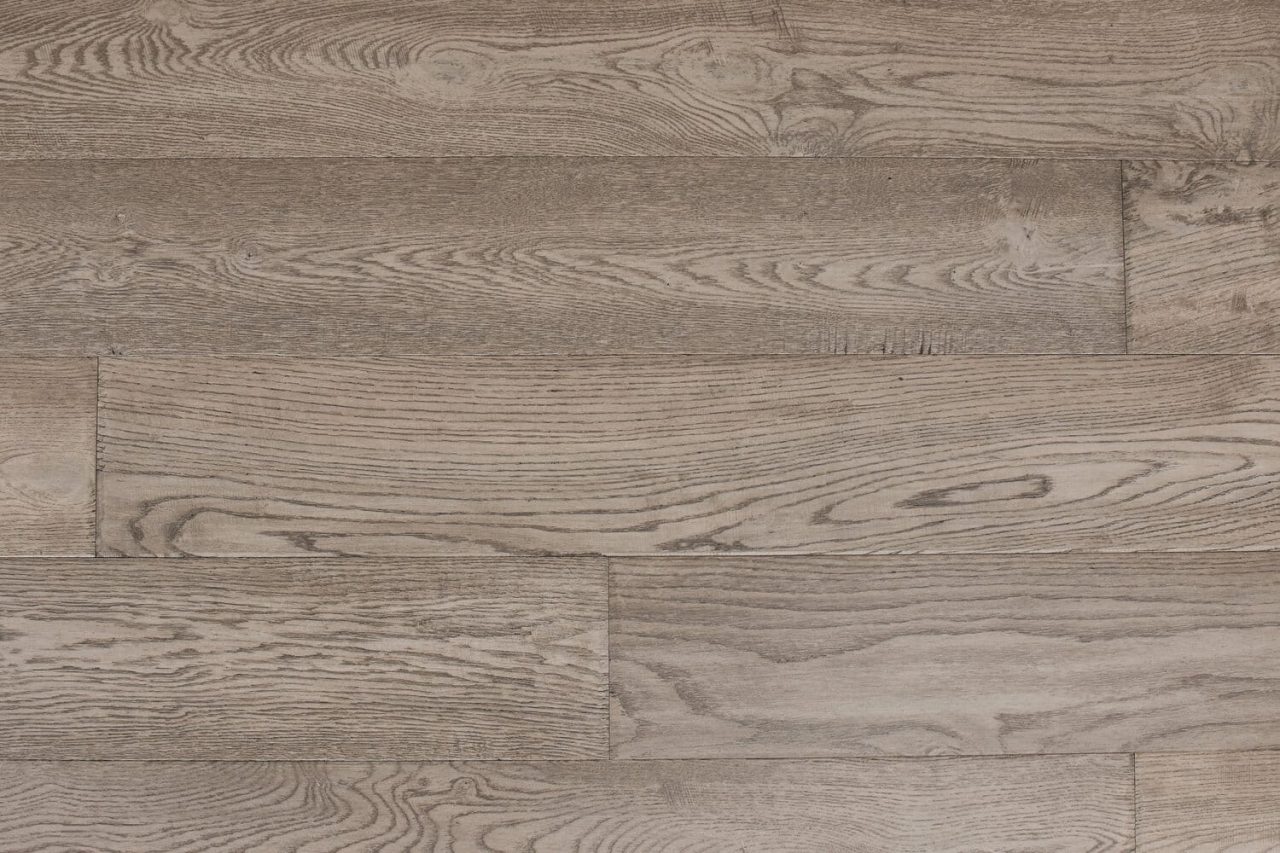
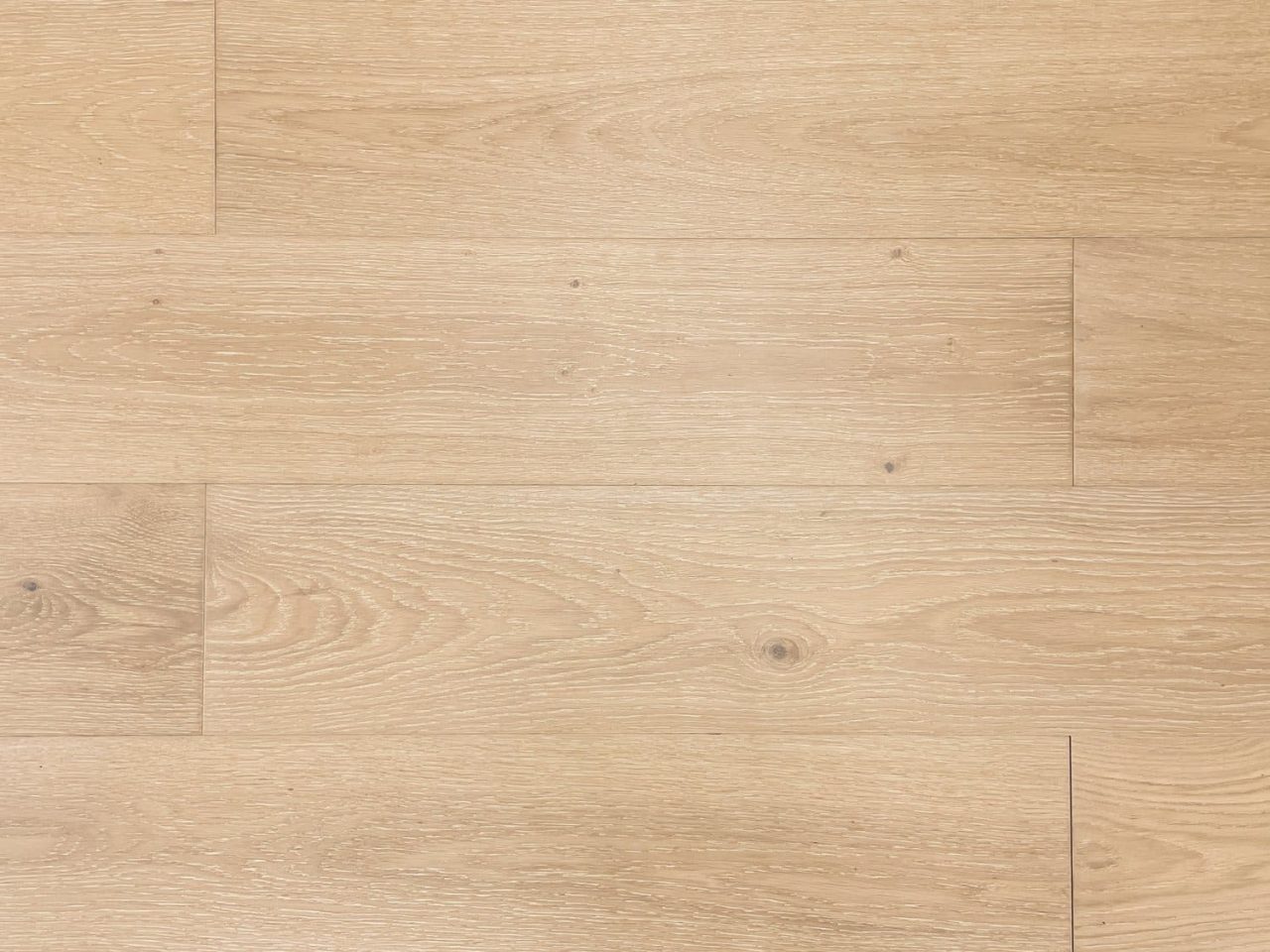
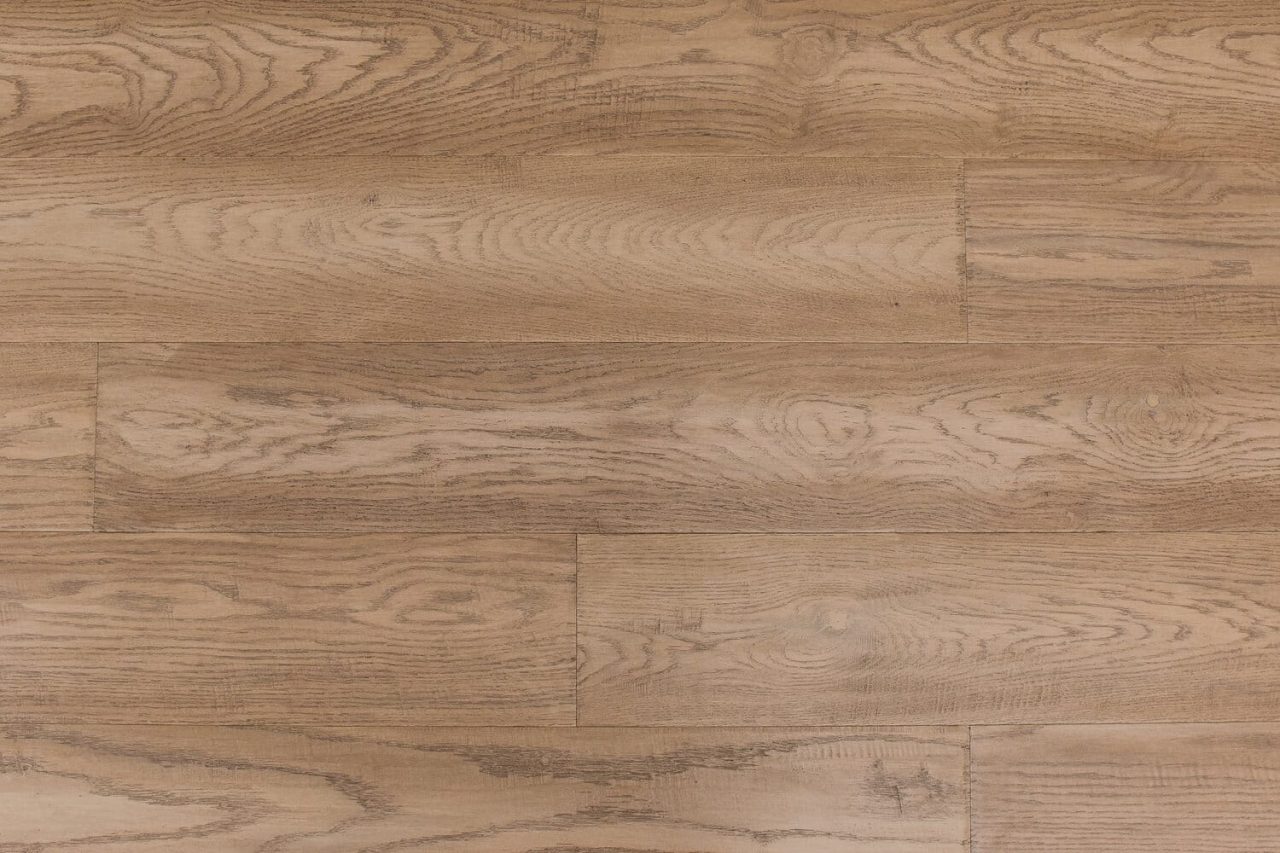
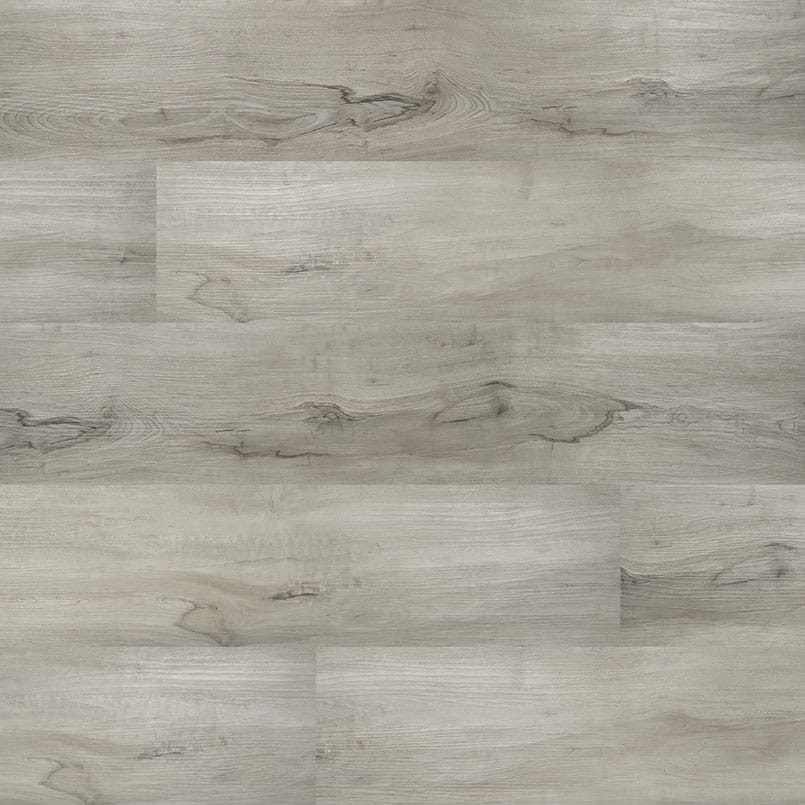


Examples from the current catalog in these material families; specifications on each product page are as listed by the manufacturer.
Related guides
All guides