Planning your project
Flooring before you sell or rent
Modern Wood Flooring team · Published September 20, 2026 · Updated November 3, 2026 · Sources reviewed September 2026

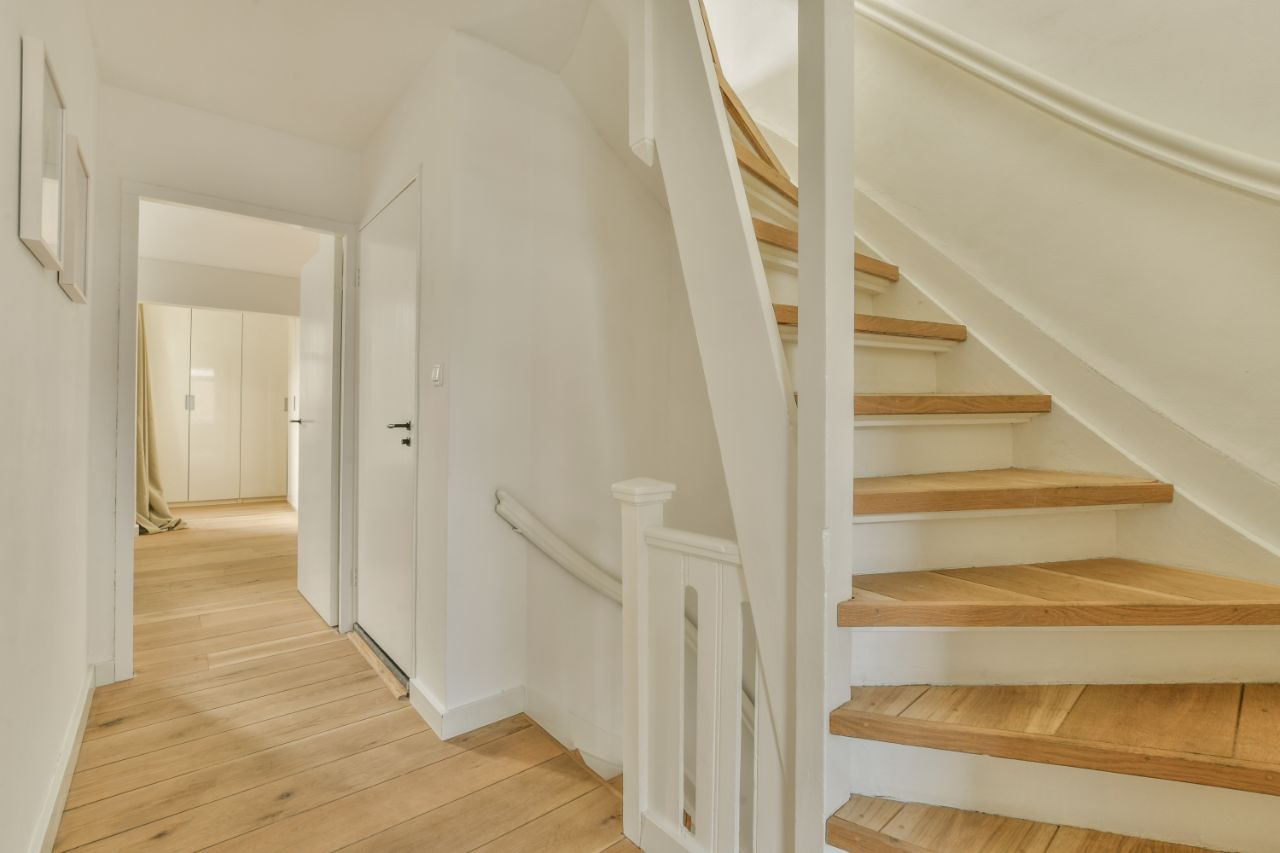
Before you sell or rent, fix what people notice first: worn finish, damaged boards, mismatched rooms and tired carpet over wood. Refinishing sound hardwood is usually the simplest step. Replace only when floors are beyond repair or cannot be matched. Neutral, continuous floors photograph well, but no floor guarantees a return.
Flooring is the first surface a buyer or tenant sees in a listing photo and the first they feel at a viewing. Worn or mismatched floors raise questions about the rest of the property; continuous, well-installed floors answer them before they are asked.
What do buyers and tenants notice about floors?
- Visible wear: gray traffic paths, scratched finish, water stains and pet damage.
- Damage: cupped, lifted or squeaking boards, chipped vinyl, open seams.
- Mismatch: three or four different floors in a small apartment, or patches that do not blend.
- Transitions: high thresholds and awkward reducer strips between rooms.
- Odor and condition of old carpet, especially in bedrooms.
- Color: very dark or very orange floors can look dated in photos and make rooms feel smaller.
None of this needs a luxury floor to fix. It needs a floor that looks cared for and consistent.
What the research has said
The National Association of REALTORS® 2022 Remodeling Impact Report, a national survey-based study, estimated that new wood flooring recovered about 118% of its cost at resale and hardwood refinishing about 147%. Those figures are historical, national, based on survey responses, and apply to specific project types.
They are useful as a sign that floors matter to buyers. They are not a forecast for a particular home, and they say nothing specific about vinyl, rentals or New York City.
Why we do not turn that into a promise
Your outcome depends on the property, the local market at the time you sell or rent, the material you choose, the quality of the installation and what the alternative was. A Brooklyn rental unit fitted with luxury vinyl and a brownstone parlor floor in refinished oak are different projects with different economics. Talk to your broker about what comparable listings in your building or block look like before spending.
Should you refinish or replace?
If you have solid or thick engineered hardwood in decent condition, refinishing is usually the first option to consider. Sanding and recoating can remove surface wear and give the floor a fresh, even color. Replacement makes more sense when boards are badly damaged, the floor has been sanded too many times, the existing material is not worth saving, or the rooms do not match and cannot be blended.
| Situation | Usually consider | Why |
|---|---|---|
| Hardwood with surface scratches and dull finish | Screen and recoat, or refinish | Restores the look without new material |
| Hardwood under old carpet | Lift carpet, assess, then refinish | Wood floors are often a selling point |
| Worn engineered wood with a thin wear layer | Replace | May not survive another sanding |
| Damaged or mismatched vinyl | Replace with one continuous product | Vinyl cannot be refinished |
| Water-damaged areas | Find the cause, then repair or replace | Buyers and inspectors look for it |
| Rental unit between tenants | Durable vinyl or repair existing | Faster turnover, lower repair cost |
Our guide on whether to refinish or replace brownstone floors covers older wood floors in more detail. A flooring professional can check how much wear layer is left before you decide.
What small fixes make the biggest difference?
Not every problem needs new flooring. Before you commit to a larger project, try the inexpensive steps and see how far they go.
- Deep clean with products suited to the material, then look again in daylight.
- Replace damaged vinyl planks from spare stock if you have it.
- Secure loose boards and fix squeaks where they are easy to reach.
- Replace cracked or mismatched thresholds and reducer strips.
- Add felt pads to furniture used for staging so showings do not leave new marks.
- Remove worn area rugs that hide the floor in photos, or replace them with simple, light ones.
If those steps leave the floor looking tired, that is a fair sign it is time to refinish or replace.
If you replace, what should you choose?
Choose for the likely buyer or tenant, not your own taste. For sale, a real wood surface often suits main rooms in houses and larger apartments, while luxury vinyl suits kitchens, basements and rental units. Keep plank widths and tones moderate, avoid strong grays or reds that date quickly, and match the floor to the light and kitchen finishes already in place. If you are only replacing some rooms, think about where the new floor meets the old one and whether the change will look deliberate. Our guide to floor colors that last covers tone in more detail.
Is selling different from renting?
Yes. When selling, you are preparing for a short window: listing photos, showings and an inspection. Appearance and consistency carry the most weight, and you will not live with the durability. When renting, you will live with the floor through several tenants, so durability, repairability and water resistance matter more. Our guide to flooring for rental apartments covers that in depth.
Practical guidance
Choose neutral, mid-to-light tones that photograph well; keep one floor running through main spaces; pick durable products for rentals; and have installation done properly. Then let the room make the argument.
- Walk the property as a buyer would and list every floor problem you see.
- Fix causes first: leaks, loose subfloor, squeaks.
- Decide room by room whether to clean, repair, refinish or replace.
- Where you replace, use one product through the main living areas.
- Pick a tone that works with the light in the rooms and the kitchen finishes.
- Leave enough time for installation, finish curing and cleaning before photos.
Browse engineered wood and vinyl flooring for neutral options, and bring samples home to see them in the rooms' own light.
What about co-ops, condos and older Brooklyn homes?
If you are selling or renting out a co-op or condo, new flooring usually still needs to follow the building's alteration agreement, including any sound-control underlayment and approved working hours. Approval takes time, so start early if your listing date is fixed. In Midwood and much of south Brooklyn, that applies to the apartment buildings along Ocean Avenue and Ocean Parkway. In brownstones and row houses, original plank or parquet floors are often worth assessing for refinishing before you replace them, since they are part of the house's character. In many detached and semi-detached houses in south Brooklyn, older carpet covers hardwood that can be restored.
Timelines depend on the product, the building's approval process and your installer's schedule. Ask for these up front rather than assuming them, especially if you have a listing date.
Common questions
Does new flooring increase home value?
Floors affect how buyers see a home, and national survey research has reported strong cost recovery for wood flooring projects. The result for any specific property depends on the market, the home and the work done, so treat it as a likely benefit, not a guarantee.
Is it better to refinish hardwood or install new floors before selling?
If the existing hardwood is sound and has enough wear layer left, refinishing is usually the simpler step. Replace when floors are damaged beyond repair or the rooms cannot be made to match.
What flooring color is best for selling?
Neutral mid-to-light tones generally photograph well and suit most furniture. Check samples in the actual rooms, since light changes how a floor reads.
What is the best flooring for a rental unit?
Many landlords choose rigid-core luxury vinyl for its water resistance, durability and easy plank-by-plank repair. Engineered wood suits higher-end units with lighter wear.
Should I remove carpet before listing?
Often, if there is hardwood underneath in good enough condition to refinish. Lift a corner in a closet to check before deciding.
Do I need board approval to replace floors in a co-op before selling?
Usually, yes. Most co-ops and condos treat new flooring as an alteration, so check the alteration agreement and any sound-underlayment rules with your managing agent before booking an installer, and build approval time into your listing schedule.
Should I put vinyl plank over hardwood before renting?
Some floating vinyl products can go over an existing hard floor, but covering sound hardwood hides a feature many tenants value. If the wood can be refinished, consider that first. If it is beyond repair, check the vinyl's installation instructions for approved subfloors.
Sources
Floors this guide covers
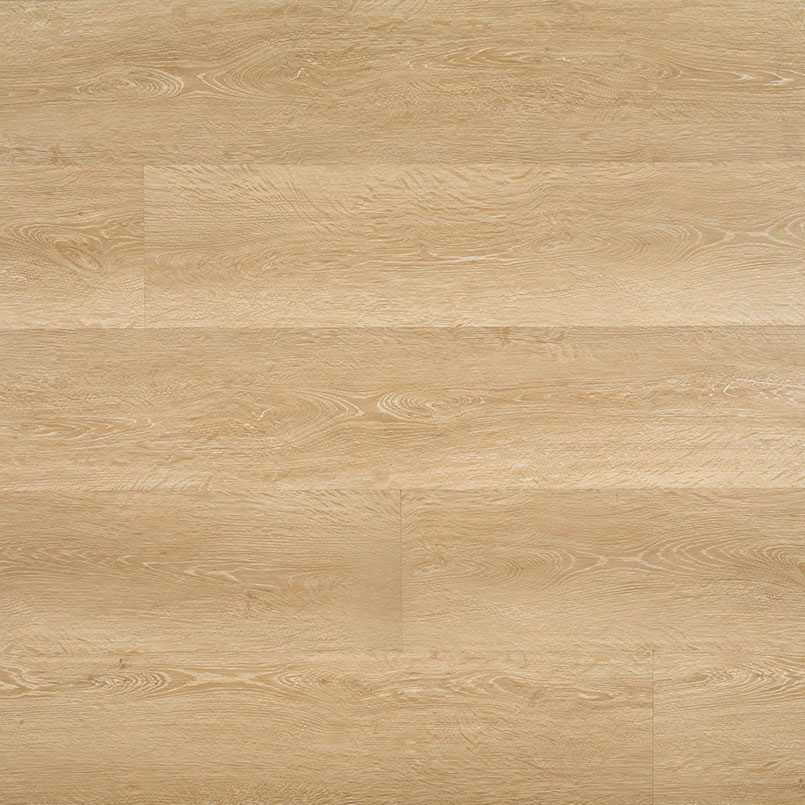
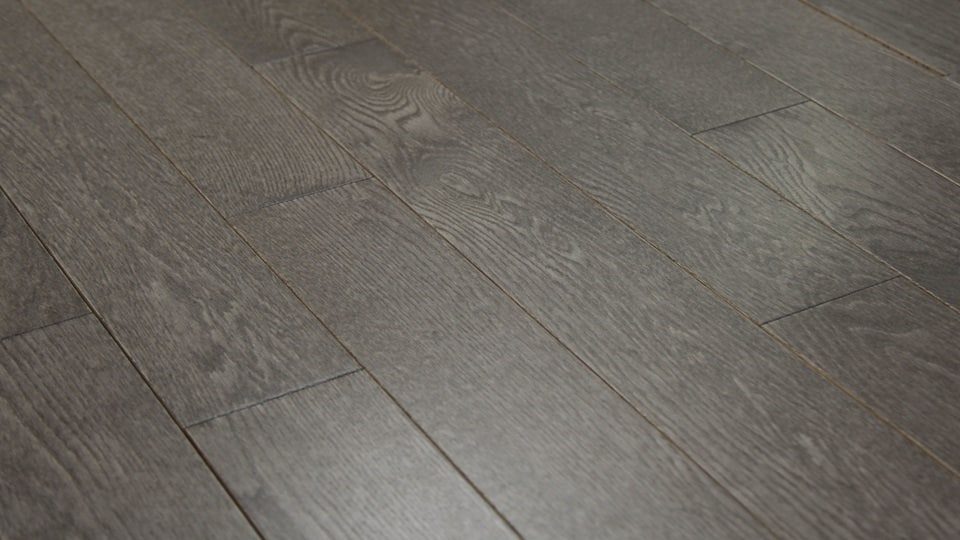
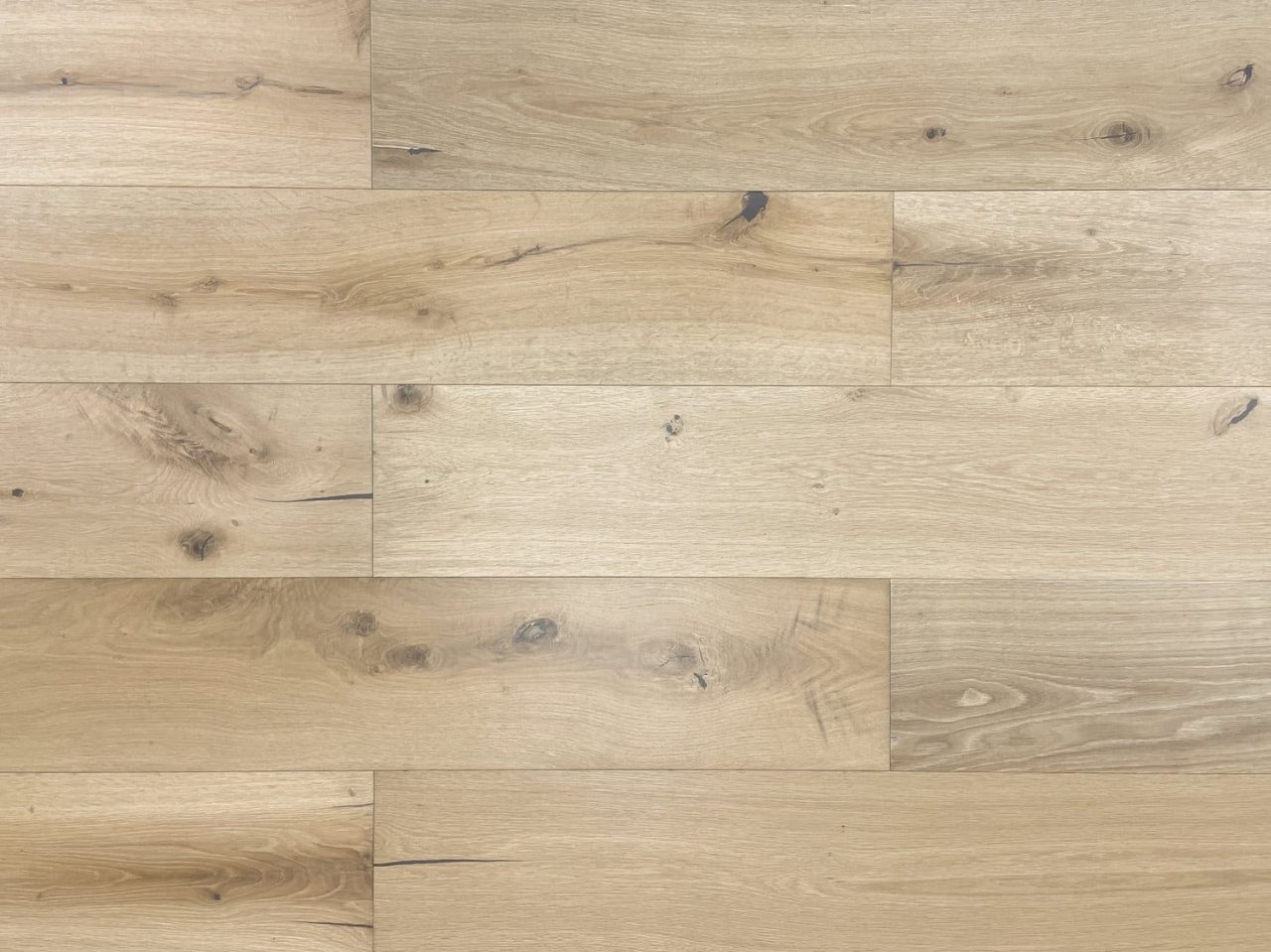



Examples from the current catalog in these material families; specifications on each product page are as listed by the manufacturer.
Related guides
All guides