Planning your project
The 80% carpet rule in NYC co-ops and condos
Modern Wood Flooring team · Published November 9, 2026

The 80% carpet rule is a clause in many New York co-op, condo and rental documents that requires residents to cover most of their floors, commonly about 80%, with carpet or rugs. Kitchens and bathrooms are usually excluded. It is a building rule, not a city law, so your own building's wording decides what applies.
If you are planning wood or vinyl floors in an apartment, this clause shapes more than your rug budget. It can affect which floor you choose, what goes underneath it, and how the floor looks after a few years. This guide explains how the rule usually works and what to check before you buy.
What is the 80% carpet rule?
The rule exists to cut impact noise. Footsteps, dropped objects and chair legs on a hard floor travel into the apartment below. Rugs and carpet soften those impacts. Many buildings put a coverage requirement in writing so that residents above do not have to be asked one by one.
Where it appears depends on the type of building:
- Co-ops usually place it in the proprietary lease or the house rules, which bind shareholders.
- Condos usually place it in the bylaws or the rules and regulations.
- Rental buildings often place it in the apartment lease itself.
- Some buildings add it to their alteration agreement, so it comes up when you apply to replace a floor.
The exact wording varies a lot. Some clauses say carpet, some say carpet or rugs, and some add a requirement for padding underneath. The percentage is usually 80%, but read the number in your own documents rather than assuming.
Which rooms does the rule usually cover?
Most versions apply the percentage to the living areas of the apartment and leave out rooms where carpet makes little sense. The table shows how clauses are commonly written. Treat it as a guide to what to look for, not a description of your building.
| Area | Commonly treated as | What to check |
|---|---|---|
| Kitchen | Usually excluded | Whether an open kitchen counts as part of the living room |
| Bathrooms | Usually excluded | Rarely an issue, but confirm |
| Closets | Often excluded | Some clauses list them, some are silent |
| Foyer and hallways | Varies | Hallways are a common source of footstep noise, so some buildings include them |
| Living room and bedrooms | Usually included | Whether area rugs count toward the total |
| Under furniture | Varies | Whether floor under beds and sofas counts as covered |
Do area rugs count, and do you need pads?
In many buildings, area rugs count toward the coverage requirement, as long as together they cover enough of the floor. Some clauses specifically call for wall-to-wall carpet, which is less common today. Some also require a pad under each rug, since a thin rug alone does little for impact noise. If your documents are unclear, ask the managing agent in writing how the board reads the clause.
Pads matter for the floor too. Choose a rug pad the flooring manufacturer allows. Many vinyl plank makers warn against rubber or latex backed mats and pads, which can discolor vinyl over time. Felt and some natural rubber pads are often recommended, but the floor's care guide is the final word. If you are unsure, ask for the care guide when you choose your floor.
Can a sound underlayment replace the rugs?
Sometimes, but never assume it. Some buildings accept a floor and underlayment assembly that meets a stated sound rating in place of the rug requirement. Others require both a rated underlayment when the floor is installed and rugs afterward. Others say nothing either way, which leaves the board to decide case by case.
If you hope to keep more of your floor bare, raise it with the managing agent before you apply. Ask whether a rated assembly changes the rug requirement, and get the answer in writing. Our guide to co-op and condo flooring rules explains IIC and STC ratings and why the tested assembly matters, and underlayment types compares cork, rubber, foam and attached pads.
An underlayment can only be used if the flooring manufacturer approves it for that product. A pad that is too soft or too thick can void the warranty or strain the joints of a click floor, even if it tests well for sound.
How is the rule enforced?
Enforcement varies widely. In many buildings, the rule only comes up after a neighbor below complains about noise. The board or managing agent may then ask the resident to add rugs, and some buildings can charge fines if their governing documents allow it. Other buildings check coverage as part of approving a new floor.
In co-ops, subtenants are usually required to follow the house rules, and the shareholder generally remains responsible to the co-op. Landlords of rental apartments may also enforce a lease clause directly. If you own a unit you rent out, make sure the lease you give your tenant matches the building's requirement. Our guide to flooring for rental apartments covers durable choices for that situation.
How does the rule change which floor you choose?
If most of the floor will be under rugs, the visible parts are the edges, the paths between rugs, and the rooms that are excluded. That shifts the priorities.
| Engineered wood | Vinyl plank (LVP) | |
|---|---|---|
| Color under rugs | Wood changes color with light; covered areas can look different when rugs move | Vinyl is generally less affected by light, but check the product |
| Rug pads | Use pads that will not mark the finish | Avoid rubber or latex backs unless the maker allows them |
| Installation in apartments | Usually glue-down or floating over concrete | Floating or glue-down only |
| Exposed areas | Shows texture and grain in the paths you walk | Rigid core resists dents in busy paths |
On wood floors, move rugs now and then in the first year so light reaches the floor evenly. Oak and many other species shift in tone with light exposure, and a floor kept under the same rug for years can show a clear outline. Our guide to engineered or solid wood in a New York apartment covers the material choice in more detail.
What about Brooklyn buildings?
Brooklyn has a large stock of co-op and condo buildings, from prewar elevator buildings to postwar towers and newer condos. Many have concrete slabs, which carry impact noise well, and boards in those buildings often take noise complaints seriously. Smaller buildings and converted row houses may have wood joists instead, and their rules can be simpler or stricter. The building documents, not the neighborhood, decide what applies.
What should you check before ordering a floor?
- Get the proprietary lease, bylaws, house rules, alteration agreement and any flooring policy from the managing agent.
- Find the coverage clause and note the percentage, the excluded rooms, and any padding requirement.
- Ask in writing whether area rugs count and whether a rated underlayment changes the requirement.
- Choose a floor and underlayment the manufacturer approves for your subfloor and the building accepts.
- Check the floor's care guide for which rug pads are safe.
- Order only after you have written approval for the flooring work.
If you want help matching a floor and underlayment to your building's rules, bring the documents to the showroom or call us at (718) 252-6177. We can show you samples and the manufacturer's specification sheets side by side.
Common questions
Is the 80% carpet rule a New York City law?
No. It comes from building documents such as a co-op's proprietary lease and house rules, a condo's bylaws and rules, or a rental lease. Each building writes and enforces its own version.
Does the 80% rule include the kitchen and bathroom?
Usually not. Most clauses exclude kitchens and bathrooms, and many also exclude closets. Foyers and hallways vary, so read your building's wording.
Do area rugs count toward the 80%?
In many buildings they do, as long as they cover enough floor in total. Some clauses require wall-to-wall carpet or a pad under every rug, so check the exact language.
Can I skip rugs if I install a soundproof underlayment?
Only if your building says so in writing. Some boards accept a rated floor assembly in place of rugs, while others require both.
Will rugs damage my vinyl or wood floor?
Some rug backings can. Many vinyl makers warn against rubber or latex backed rugs and pads, and wood can change color unevenly under rugs that never move. Follow the floor's care guide.
Floors this guide covers
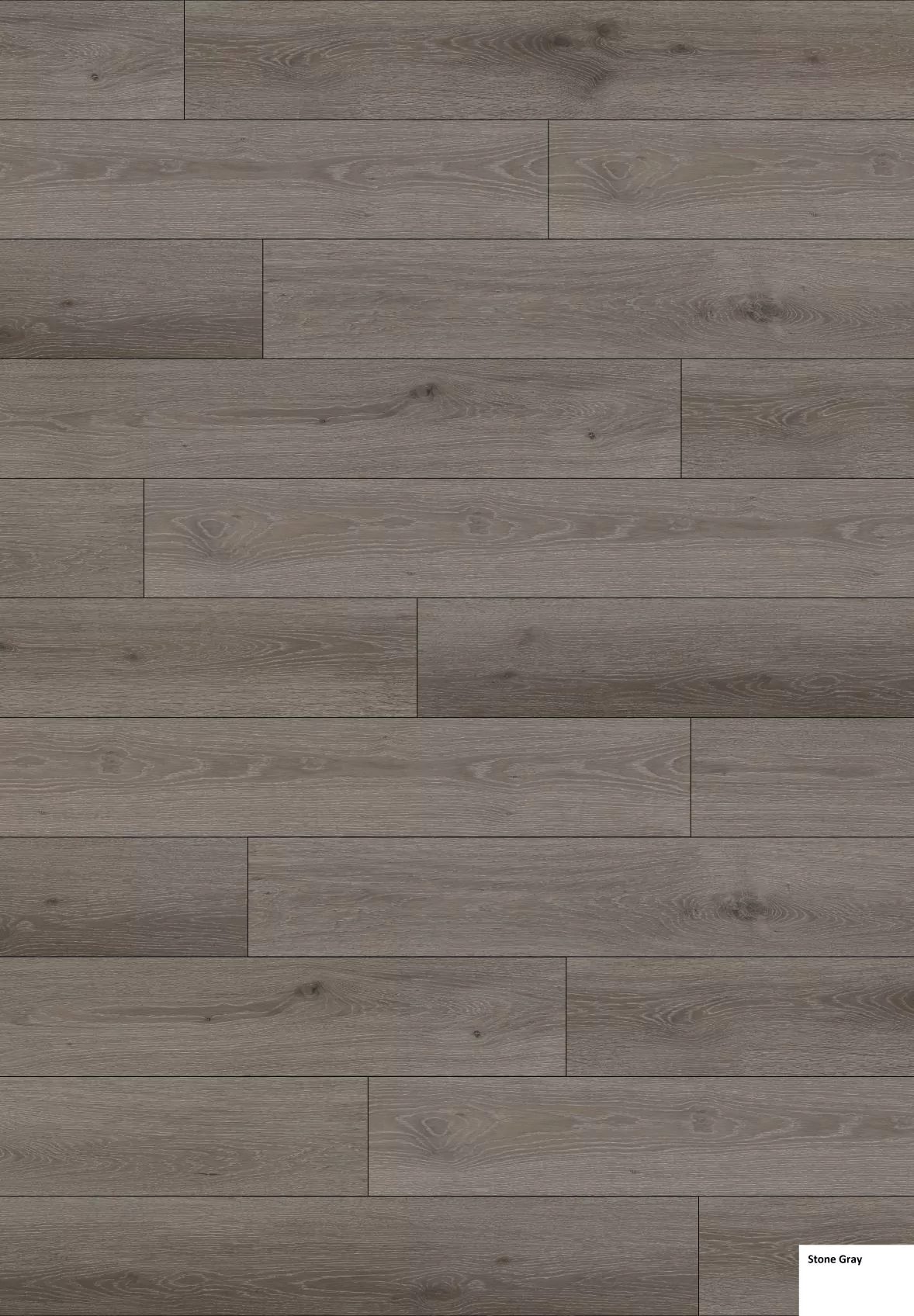
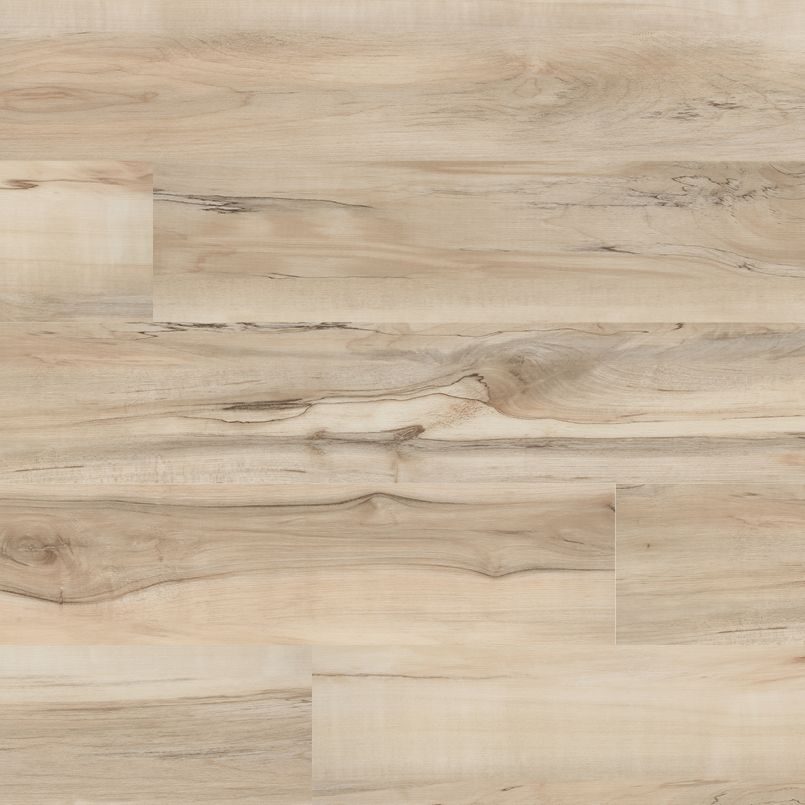

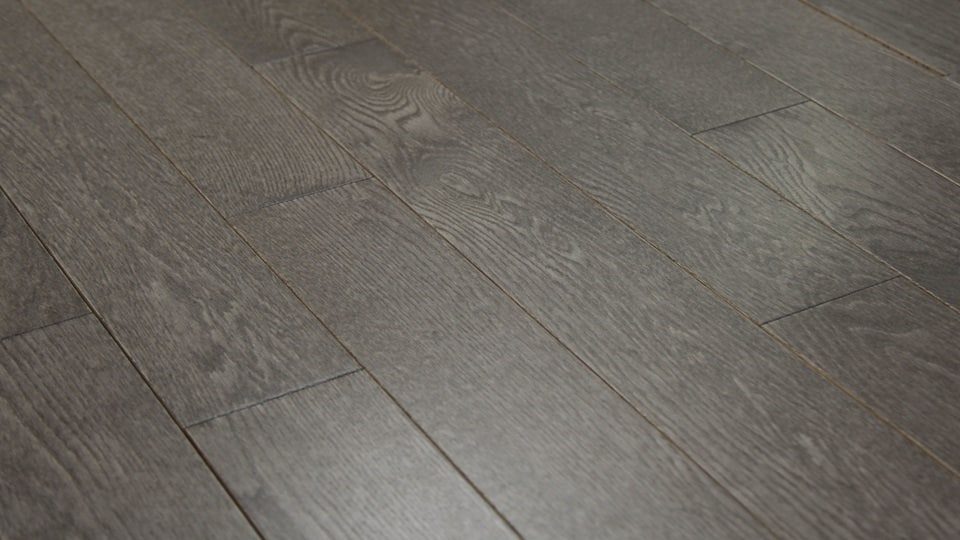


Examples from the current catalog in these material families; specifications on each product page are as listed by the manufacturer.
Related guides
All guides