
Planning your project
Underlayment types and what co-op boards accept
Modern Wood Flooring team · Published October 16, 2026

The right underlayment depends on your floor, your subfloor and your building. Basic foam suits floating floors where sound is not a concern. Cork and rubber give better impact-sound control and are common in apartments. Attached pads are convenient but may not meet a board's rating alone. Always use an underlayment the flooring manufacturer approves.
Underlayment is the layer between the subfloor and the finished floor. It is easy to treat as an afterthought, but it affects how the floor sounds, how it feels underfoot, how it handles moisture from concrete and whether the warranty stays valid. In a New York co-op or condo, it is often the part of the job the board looks at most closely.
What does underlayment actually do?
Depending on the product, an underlayment can do one or more of these jobs. No single type does all of them equally well, so it helps to know which ones matter most in your space.
- Reduce impact noise, such as footsteps and dropped objects, reaching the room below.
- Reduce the hollow sound a floating floor can make in the room itself.
- Slow moisture vapor coming up from a concrete slab, when it has a vapor barrier film or is used with one.
- Smooth out very small irregularities in the subfloor. It does not fix a subfloor that is out of flat.
- Add a little cushion and warmth underfoot.
What are the main types of underlayment?
The table below compares the types you are most likely to see. Performance varies a great deal between products of the same type, so treat it as a starting point and check each product's data sheet.
| Foam | Cork | Rubber | Felt or fiber | Attached pad | |
|---|---|---|---|---|---|
| Typical use | Floating engineered wood and laminate | Floating or glue-down wood and some vinyl | Sound-rated assemblies over concrete | Floating engineered wood and laminate | Built into many rigid-core vinyl planks |
| Impact-sound control | Basic; denser foams do better | Good | Good to very good | Moderate | Varies by product |
| Moisture protection | Only if it has a film layer | None on its own | Some resist moisture; check the product | Only if it has a film layer | Usually none; check instructions |
| Main watch-out | Thin foam rarely satisfies a sound rule | May need a separate vapor barrier over concrete | Must be approved for your floor, especially vinyl | Can compress over time if not dense enough | Adding another layer can void the warranty |
Foam
Polyethylene and similar closed-cell foams are the most common underlayment for floating engineered wood and laminate. Many come with a plastic film attached, sold as a combination foam and vapor barrier for use over concrete. Basic foam is thin and light. It reduces some hollow sound but usually does little for the neighbor below. Denser, thicker acoustic foams exist and perform better, but they still need to be approved by the flooring manufacturer.
Cork
Cork is a natural material that is dense and resilient, which makes it good at absorbing impact sound. It is sold in rolls and sheets and is used under floating floors and, in some systems, glued to the slab with the finished floor glued on top. Cork on its own does not stop moisture vapor, so over concrete the manufacturer may call for a separate vapor barrier.
Rubber
Rubber underlayments, often made from recycled rubber, are among the most common choices where a building requires tested sound performance. They are dense and good at isolating impact noise. Some vinyl manufacturers warn that certain rubber products can discolor vinyl or are too soft for their locking joints, so only use a rubber underlayment that your floor's manufacturer lists as compatible.
Felt and fiber
Felt and fiber mats are made from recycled textile fibers. They feel solid underfoot and reduce hollow sound under floating wood and laminate. Some include a film for use over concrete. Quality varies, and low-density mats can compress over time.
Attached pads
Many rigid-core vinyl planks, and some laminates and engineered floors, come with a pad already bonded to the back. This saves a step and keeps the pad matched to the plank. Most manufacturers tell you not to add a second underlayment under a plank with an attached pad, or to use only a thin, specific one. If your building requires a sound rating, ask whether the manufacturer has tested the plank with its attached pad over a slab, and whether that result meets the requirement.
Soft or thick underlayment is not always better. Under rigid-core vinyl and click-together wood, too much give can stress the locking joints and cause gaps or broken edges. Follow the flooring manufacturer's limits on underlayment thickness and density.
Which underlayment goes with which floor?
Start with the flooring, not the underlayment. The manufacturer's installation instructions usually state which underlayments are allowed, the maximum thickness, and whether a vapor barrier is required over concrete. A few general patterns:
- Floating engineered wood over concrete: foam with a vapor barrier film, or an acoustic underlayment plus a separate barrier where the instructions call for one.
- Glue-down engineered wood: either directly to the prepared slab, or over a glue-down acoustic mat such as cork or rubber if the system allows it.
- Nail-down solid or engineered wood over a wood subfloor: typically a breathable underlayment paper or felt as specified, not foam.
- Rigid-core vinyl plank with an attached pad: usually no extra underlayment beyond any required vapor barrier.
- Glue-down luxury vinyl tile: adhered to a smooth, prepared subfloor, or to an acoustic mat the manufacturer approves.
Our guide to floating, glue-down and nail-down installation explains how the installation method shapes these choices.
What do NYC co-op boards accept?
There is no single answer, because each building writes its own rules. In practice, flooring requirements in alteration agreements and house rules tend to fall into a few patterns:
- A minimum IIC rating, sometimes with an STC rating as well, supported by a test report for the underlayment.
- A list of approved underlayment products, or a requirement for a named type such as cork or rubber of a minimum thickness.
- Review by the building's architect or engineer, who decides what is acceptable.
- A general statement that sound-deadening material is required, with no number attached.
Where a rating is required, basic thin foam is often not enough, and boards tend to expect documented acoustic products such as rubber, cork or a tested acoustic foam. Some buildings accept a rigid-core vinyl plank with an attached pad if the manufacturer's test report meets the number; others ask for a separate underlayment regardless. Ask the managing agent for the exact wording before you choose a product.
Remember that a published IIC rating describes a full floor-ceiling assembly tested with a particular slab, ceiling and finished floor, not the underlayment alone. Our guide to co-op and condo flooring rules in NYC explains IIC and STC in more detail.
Why does concrete matter so much in Brooklyn apartments?
Most apartment buildings in Brooklyn, from the prewar co-ops on Ocean Parkway and Ocean Avenue to newer condos, have concrete slabs under the floors. Concrete carries impact sound well, which is why boards care about underlayment, and it can release moisture vapor, which is why wood and many underlayments need a barrier over it. Steam heat and dry winters followed by humid summers also put wood floors through seasonal swings, so following the manufacturer's moisture requirements matters. If you live in one of the Midwood co-ops or a similar building, plan for both sound and moisture from the start.
What should you ask for before buying?
- The flooring manufacturer's installation instructions and its list of approved underlayments.
- The underlayment's data sheet, including thickness and whether it includes a vapor barrier.
- An acoustic test report for an assembly close to yours, if your building requires a rating.
- Your building's written flooring or sound policy, so you can match the products to it.
- Confirmation that using the underlayment keeps the flooring warranty valid.
If you are not sure which combination your building will approve, call us at (718) 252-6177 or bring the building's requirements to the showroom and we can look at suitable floors and underlayments together.
Common questions
Do I need underlayment for vinyl plank flooring?
It depends on the product. Many rigid-core vinyl planks have an attached pad and need no extra underlayment, while glue-down vinyl goes directly on a prepared subfloor. Follow the manufacturer's instructions, since an unapproved underlayment can void the warranty.
Is cork or rubber underlayment better for sound?
Both are good at reducing impact noise, and results depend on the specific product and the assembly it is tested in. Compare test reports for assemblies similar to yours rather than relying on the material alone.
Can I put extra underlayment under a plank with an attached pad?
Usually not. Most manufacturers prohibit a second underlayment, or allow only a thin, specific one, because extra cushion can damage the locking joints. Check the installation instructions.
Does underlayment protect wood floors from concrete moisture?
Only if it includes a vapor barrier or is used with one. Concrete should also be tested for moisture before installation, and the results must meet the flooring manufacturer's limits.
Will my co-op accept the pad attached to my vinyl plank?
Some buildings do if the manufacturer's acoustic test results meet their requirement, and some require a separate underlayment regardless. Ask your managing agent for the written rule before you order.
Floors this guide covers
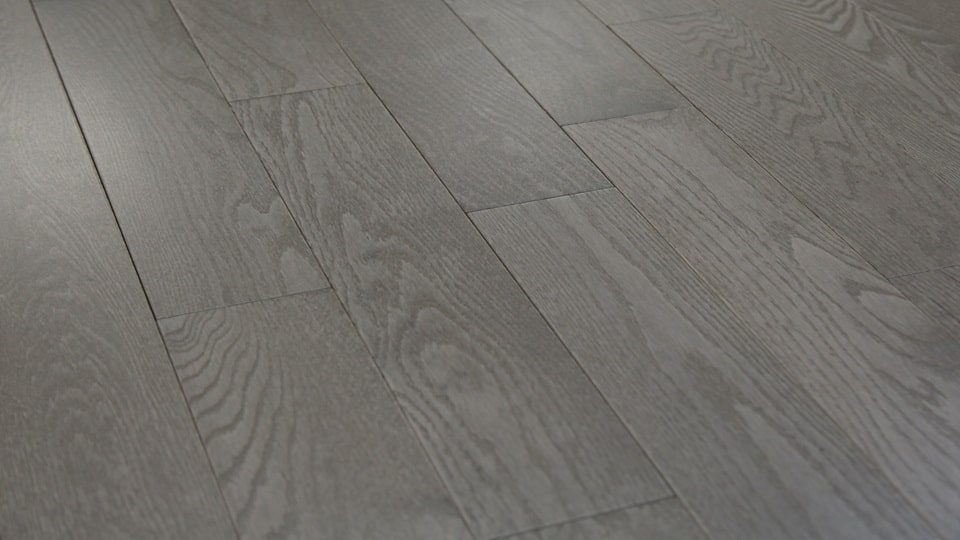
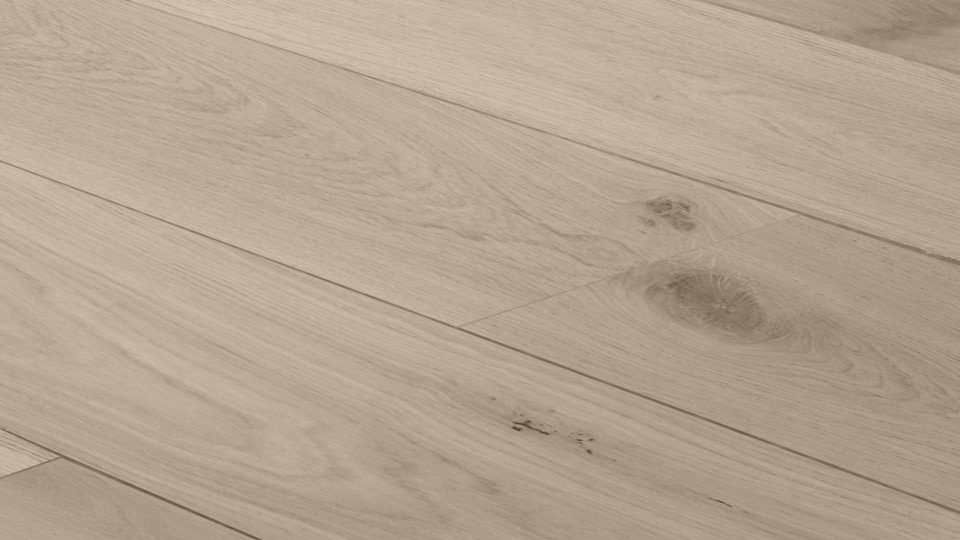




Examples from the current catalog in these material families; specifications on each product page are as listed by the manufacturer.
Related guides
All guides