Care & maintenance
Should you refinish or replace old brownstone floors?
Modern Wood Flooring team · Published October 16, 2026

If the boards are solid, securely fastened, and still have enough wood above the tongue, refinishing is usually the better choice for an old brownstone floor. It keeps original material and costs less than replacement. Replace when the tongues or nail heads are exposed, wood is rotted or soft, or damage covers much of the room.
Many Brooklyn brownstones and row houses still have their original oak or pine plank floors, or parquet, often with borders and inlays on the parlor floor. These floors have usually been sanded before, sometimes more than once. The question is how much life is left, and that takes a close look rather than a guess.
What kind of floor do you have?
Start by identifying the floor. It changes what is possible.
- Solid strip or plank flooring, often oak and sometimes pine, nailed over a subfloor or directly to the wood joists. Standard tongue-and-groove strip is often about three-quarters of an inch thick.
- Thinner strip flooring, sometimes laid over an older floor, which has less wood to sand.
- Parquet, made of small blocks or slats laid in patterns. Many parquet floors are thinner than strip flooring and are glued, nailed, or both.
- Older softwood plank floors, sometimes wide, which may be face-nailed and have uneven boards.
To see the thickness, remove a floor register or a threshold, or look at the edge of a board at a stair opening or a cut-out for a pipe. A floor finisher can also drill a small inspection hole in a closet.
How many times can a solid wood floor be sanded?
On tongue-and-groove flooring, the usable wood is the layer above the tongue. Once sanding gets down to the tongue, the boards start to split and the tongue shows in the seams. On a standard three-quarter-inch floor, that leaves a fair amount of wood, and a careful full sanding removes only a thin layer. So a solid floor can usually be sanded several times over its life.
The real number for your floor depends on how aggressive past sandings were. An old brownstone floor may have been sanded many times over a century, and uneven sanding can leave some boards thinner than others. Thinner flooring and many parquet floors allow fewer sandings. An experienced floor finisher can check and tell you whether one more is realistic.
A screen and recoat removes no wood. If your finish is only dull or lightly scratched, a recoat may be all you need. See maintenance by material for how recoating and refinishing differ.
When does refinishing make sense?
- The boards are tight and firmly fastened, without large loose areas.
- Wear is in the finish and the top of the wood: scratches, dull traffic lanes, gray areas where finish has worn off, and old stains.
- There is still enough wood above the tongue for at least one more sanding.
- Damage is limited to a few boards that can be replaced individually.
- You want to keep the original character, borders or parquet patterns.
What are the signs a floor needs replacing?
- Tongues or nail heads visible on the surface. This means the wear layer is gone and further sanding will cause splits.
- Splintering, cracking or boards breaking at the edges.
- Rot or soft spots, often near radiators, kitchens, bathrooms, windows and old leaks.
- Deep black stains from long-term water or pet urine, which often cannot be sanded out.
- Large areas of loose, missing or patched boards, or parquet blocks lifting across much of the room.
- Previous repairs with mismatched wood that cannot be blended.
Some problems that look serious are not reasons to replace the floor. Squeaks can often be fixed by refastening. Gaps between boards are common in rooms with radiator heat and often close in humid months. A floor that bounces or sags usually points to the joists or subfloor, which needs to be assessed by a contractor before any new floor goes in.
Refinish, repair, replace or cover: how do they compare?
| Option | When it fits | What to consider |
|---|---|---|
| Screen and recoat | Finish is dull but wood is undamaged | No wood removed; some old finishes need testing for adhesion |
| Sand and refinish | Wood is worn or stained but sound, with wood left above the tongue | Removes a thin layer; dust and drying time |
| Repair and refinish | A few damaged boards or a patch | New or reclaimed boards woven in, then the whole room sanded together |
| Replace | Wear layer gone, rot, or widespread damage | Remove old floor, check subfloor and joists, install new |
| Cover with a new floor | Old floor is flat and secure but not worth refinishing | Adds height at doors, stairs and thresholds |
How do you match new wood to an old floor?
Patching an old floor so the repair disappears is skilled work. Several things have to line up.
- Species. Red oak and white oak look different once finished, and older floors may be a species that is hard to source today. Pine and other softwoods age to a warm color new wood will not have at first.
- Width and thickness. Older strip flooring is often narrower than many current products. The new boards should match the width, and the thickness should match so the surface is level.
- Grain and cut. Plain-sawn and quartersawn boards look different. Match what is there.
- Color. New wood is lighter than wood that has aged for decades. The usual approach is to install unfinished boards and sand and finish the whole room together, so stain and finish are consistent.
Reclaimed boards taken from a closet or under built-ins are often the best match. Prefinished flooring is hard to blend into an existing floor in the same room, so it is better suited to a full room or a clear break at a doorway. Our solid hardwood collection is a starting point if you need new boards. Bring a loose board or a sample to the showroom and we can compare it in person.
Can you install engineered flooring over an old floor?
Often, yes, if the old floor is flat, dry and securely fastened. Covering it keeps the old floor in place underneath and avoids demolition. Engineered wood can usually be floated, glued or nailed over an existing wood floor, depending on the product. Check the product's instructions on subfloor flatness, fastening and direction. For nail-down installations, running the new boards across the old ones is commonly recommended.
Plan for the extra height. A new floor raises the surface, which affects doors, thresholds, stair nosings, radiator pipes and transitions to tile. Those details often decide whether covering makes sense. In some cases, removing the old floor is cleaner.
Brooklyn brownstones: what else to check?
- Old finishes and paint. Many older homes have lead-based paint on trim and sometimes on floor edges, and old finishes can contain it too. Federal rules for renovation in pre-1978 homes may apply. Have it tested before sanding.
- Old adhesives. Some older black mastic used under parquet and tile can contain asbestos. Have it tested before it is sanded, ground or removed.
- Steam heat. Radiator heat dries the air in winter, and floors in older houses can show seasonal gaps. A humidifier helps once the floor is done.
- Structure. Brownstones are framed with wood joists. Sagging or springy floors are a structural question for a contractor.
- Access. Sanding equipment and new flooring have to come up stoops and narrow stairs, so plan with your installer.
If you are weighing a full replacement, see also our guide to engineered vs solid wood. When you have a room size and a sense of the condition, ask us for a quote on materials.
Common questions
How many times can you refinish hardwood floors?
A standard three-quarter-inch solid floor can usually be sanded several times. The exact number depends on how much wood is left above the tongue and how aggressive past sandings were.
How do I know if my floor has been sanded too many times?
Look for exposed tongues in the seams, visible nail heads, and boards splitting at the edges. These mean there is little or no wood left to sand.
Can old parquet floors be refinished?
Often, yes, if the blocks are secure and thick enough. Many parquet floors are thinner than strip flooring, so they allow fewer sandings, and loose blocks need to be reset first.
Can I match new boards to my 100-year-old floor?
Usually, with the right species, width and thickness, and by sanding and finishing the whole room together. Reclaimed boards from closets are often the closest match.
Is it cheaper to refinish or replace?
Refinishing a sound floor usually costs less than replacing it, because it avoids removal and new material. Ask a floor finisher to assess the floor before you decide.
Sources
Floors this guide covers
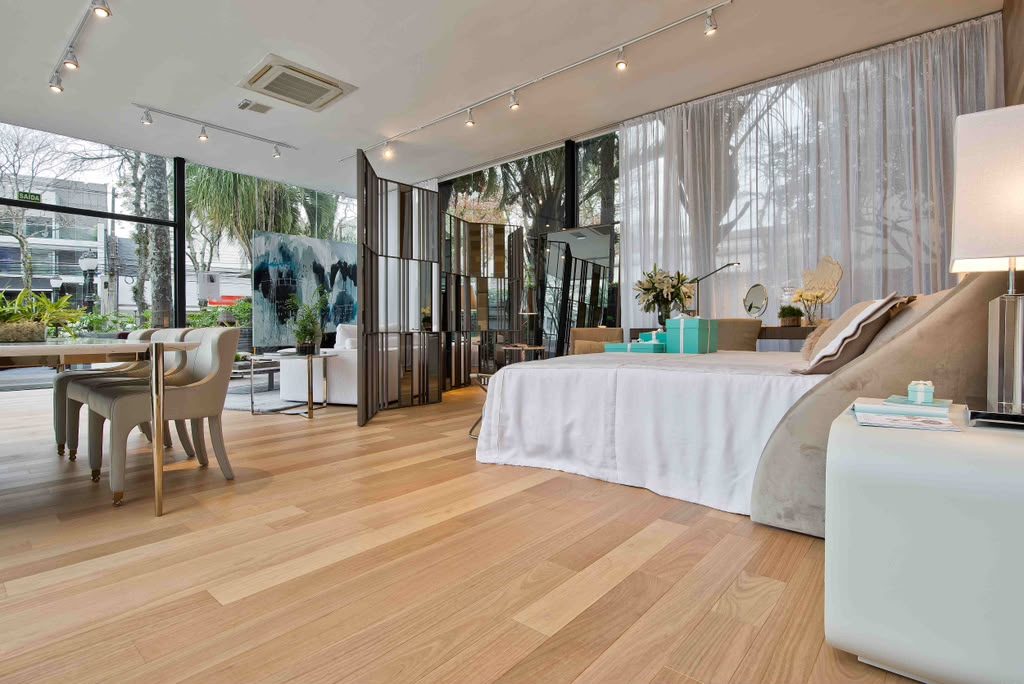
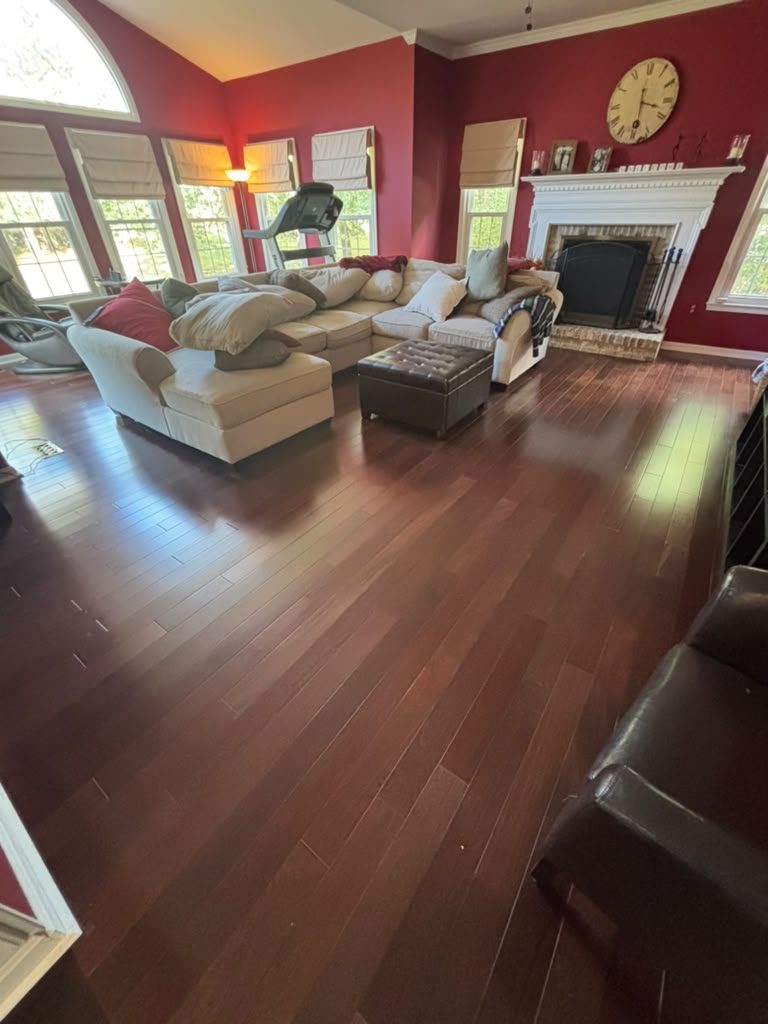
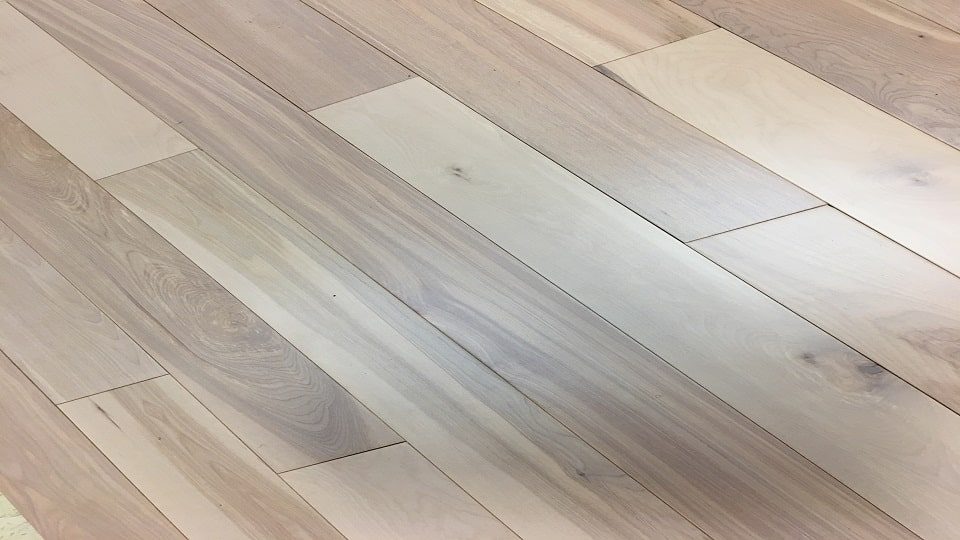


Examples from the current catalog in these material families; specifications on each product page are as listed by the manufacturer.
Related guides
All guides