Care & maintenance
Parquet floors in prewar buildings: repair or replace?
Modern Wood Flooring team · Published October 16, 2026

Repair and refinish parquet when most blocks are tight, the wood is thick enough to sand, and damage is limited to loose or stained areas. Replace it when blocks are loose across much of the room, the wood is too thin to sand again, or the subfloor or old adhesive has failed. In older buildings, testing comes first.
Parquet is common in prewar apartment buildings across New York City, often laid in herringbone, basketweave or square block patterns. Many of these floors are decades old and have been sanded, patched or hidden under carpet. They can often be saved, but the decision depends on what is under the surface as much as what you see.
What kind of parquet do you have?
Parquet is made of short wood slats or blocks arranged in a pattern. Older parquet comes in a few forms, and each one affects what is possible.
- Slat parquet: individual slats, often oak, laid one by one in herringbone or other patterns, and often set in adhesive.
- Block or tile parquet: square units made of several slats held together, sometimes with a backing. These are usually thinner and glued down.
- Thicker tongue-and-groove parquet: found in some older homes and buildings, sometimes nailed to a wood subfloor. These usually allow more sanding.
- Borders and inlays: bands of strip or contrasting wood around the edge of a room, which may be a different thickness from the field.
Many parquet floors are much thinner than standard three-quarter-inch strip flooring. To check, lift a loose block, remove a saddle at a doorway, or look at a cut edge around a radiator pipe. Note the thickness and what the block is stuck to.
Why do parquet blocks come loose?
- Old adhesive that has dried out and lost its bond over time.
- Moisture from a leak, a radiator valve or the slab below, which swells the wood and breaks the bond.
- Seasonal movement. Steam heat dries rooms out in winter and summers are humid, so the wood shrinks and swells through the year.
- A subfloor that moves or is uneven, so blocks rock underfoot.
One or two loose blocks are a repair. Loose blocks across a large area, or a hollow sound when you tap much of the floor, usually mean the bond has failed broadly. Re-gluing a few blocks will not hold for long in that case. Find and fix any moisture source before any repair.
How is parquet repaired?
Repairs usually happen before sanding, so the whole floor can be finished together.
- Find every loose block by tapping and walking the floor.
- Have old dark adhesive tested, then lift the loose pieces and clean adhesive from the block and the subfloor.
- Re-set the original blocks with a suitable adhesive, or replace damaged ones with matching pieces.
- Fill small gaps and bring any high edges down.
- Sand and finish the whole room so color and sheen are even.
Matching pieces are the hardest part. Species, slat size, thickness and grain all have to line up, and the pattern has to continue without a break. Blocks taken from a closet or from under a built-in are often the best match. New wood is lighter than old wood at first, which is why the room is usually finished as a whole.
Can old parquet be sanded and refinished?
Often, yes, if the blocks are secure and there is enough wood left. Sanding parquet takes more skill than sanding strip flooring because the grain runs in different directions. Finishers often sand on an angle and finish with equipment that sands evenly in every direction, so they do not leave scratches across the grain.
Thin parquet allows fewer sandings, and if earlier sandings were heavy, the slats may be near their limit. A floor finisher can judge how much is left. If the finish is only dull and the wood is sound, a screen and recoat may be enough. Our guide to refinishing or replacing older floors covers sanding limits in more detail.
Repair, refinish or replace: how do they compare?
| Option | When it fits | What to consider |
|---|---|---|
| Screen and recoat | Wood is sound; finish is dull or lightly scratched | No wood removed; the old finish should be tested for adhesion |
| Repair and refinish | Most blocks are tight; some are loose, stained or missing | Finding matching pieces; whole room sanded together |
| Cover with a new floor | Parquet is flat and well bonded but not worth restoring | Adds height at doors and saddles; the new product must allow it |
| Remove and replace | Widespread loose blocks, wood too thin to sand, or a failed subfloor | Test old adhesive first; plan for subfloor prep and leveling |
What should you test before work starts?
Many older parquet floors were set in dark adhesive, often called mastic. Some older adhesives of this kind contain asbestos. It is generally not a hazard when left undisturbed, but sanding, grinding or scraping it can release fibers. Have a sample tested by a qualified lab before blocks are lifted or the subfloor is ground. In New York City, asbestos work is regulated, and removal has to follow city and state rules.
Old finishes on the floor and paint on nearby trim can contain lead in buildings painted before 1978, and federal rules for renovation work may apply. Test before sanding.
You cannot tell whether an adhesive or finish contains asbestos or lead by looking at it. Testing is the only way to know.
What are the options for replacing parquet in an NYC apartment?
If you replace parquet, you have a chance to fix what is underneath. In many prewar buildings the parquet sits on a concrete slab, sometimes over wood sleepers. After removal, the slab often needs patching or leveling before a new floor goes down. See our guide to leveling an uneven subfloor.
- Engineered herringbone or chevron keeps a patterned look in real wood, glued down or floated depending on the product. See herringbone and chevron flooring.
- Straight-laid engineered wood in a wider plank gives a calmer look and takes less installation time than a pattern.
- Vinyl plank or tile is an option where water resistance matters more than real wood, such as near a kitchen.
In co-ops and condos, replacing a floor usually needs approval under an alteration agreement, and many buildings require sound-control underlayment rated for impact noise. Rules vary, so read your building's before you choose a product. Our guide to co-op and condo sound rules explains the ratings. Refinishing existing parquet usually involves fewer approvals than replacing it, though many buildings still want notice and proof of the contractor's insurance.
Parquet turns up in many prewar apartment buildings in Brooklyn, including along Ocean Parkway in Kensington and Midwood. If you are replacing it, bring a loose block or a photo to the showroom and we can talk through options with you or your contractor.
Common questions
Can you replace just a few parquet blocks?
Yes, if matching pieces are available and the surrounding blocks are tight. The repaired area usually needs to be sanded and finished with the rest of the room so it blends.
Why is my parquet floor popping up?
Usually the adhesive has failed, often after moisture from a leak, a radiator or seasonal humidity swings. Find and fix the moisture source before re-gluing.
How many times can parquet be sanded?
Usually fewer times than standard solid strip flooring, because many parquet floors are thin. It depends on the original thickness and past sandings, so ask a floor finisher to check.
Can I install new flooring over old parquet?
Sometimes, if the parquet is flat, dry and firmly bonded and the new product's instructions allow it. Loose blocks have to be fixed or removed first, and the added height affects doors and saddles.
Does old parquet adhesive contain asbestos?
Some older dark adhesives do. You cannot tell by looking, so have a sample tested before it is sanded, ground or scraped.
Sources
Floors this guide covers
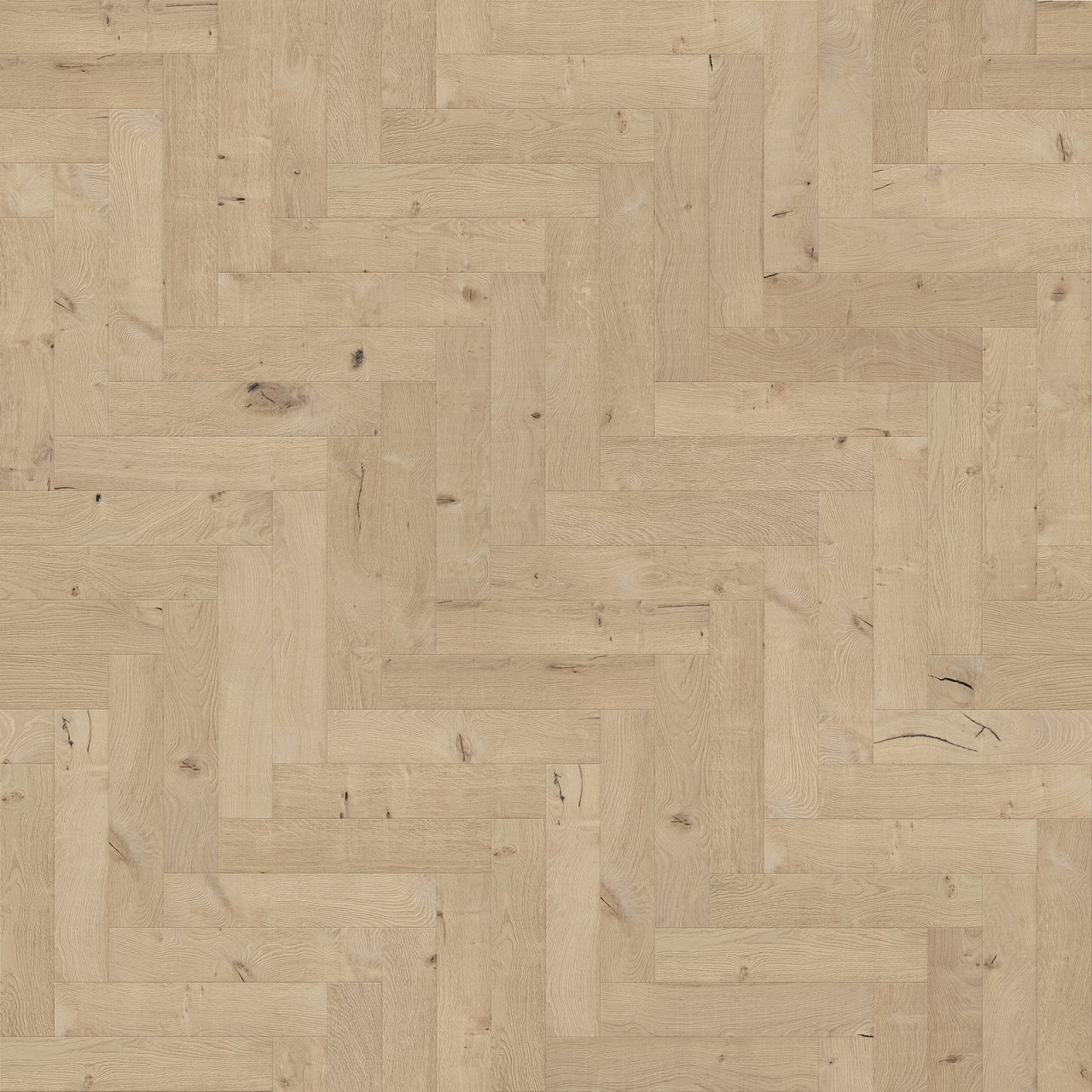
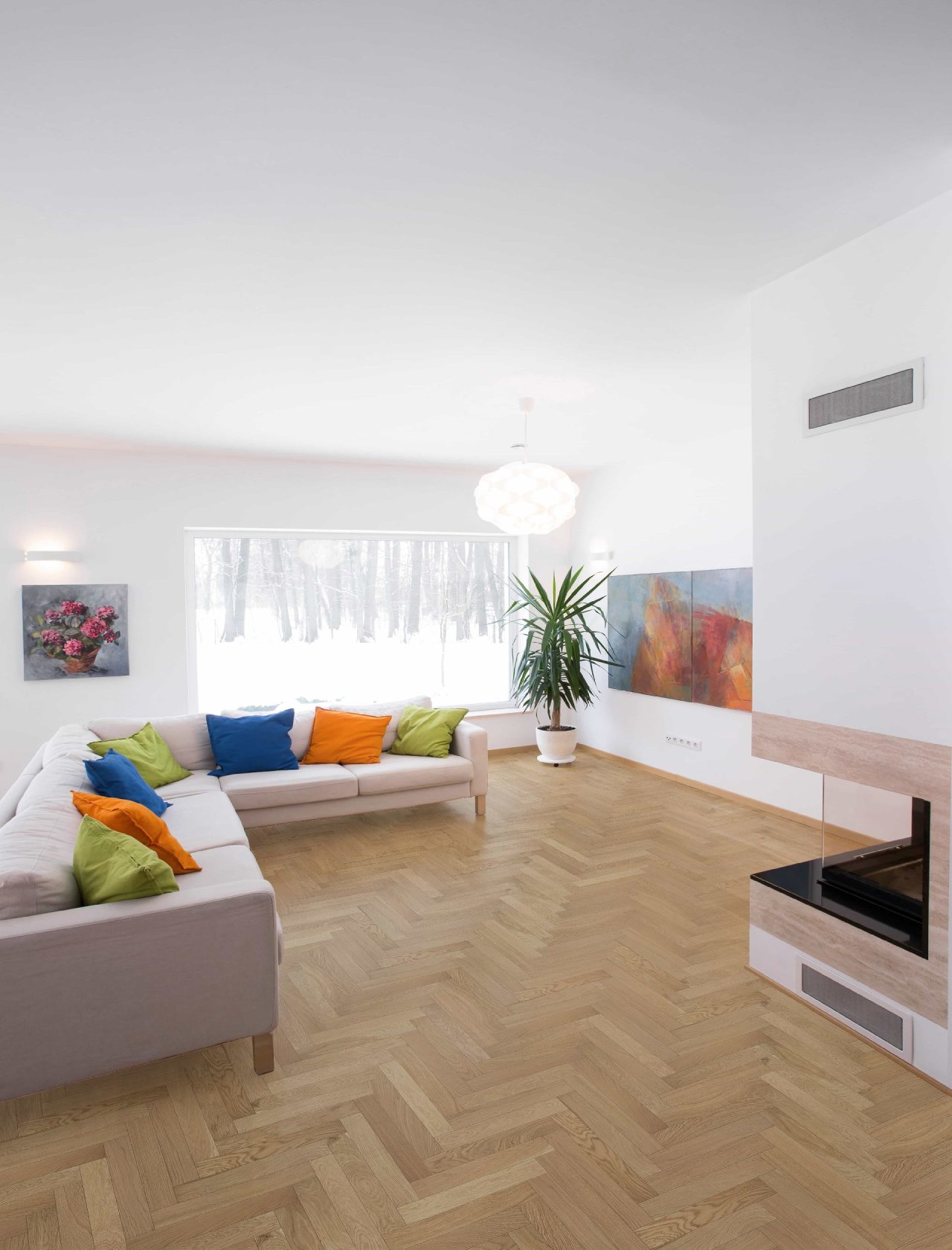
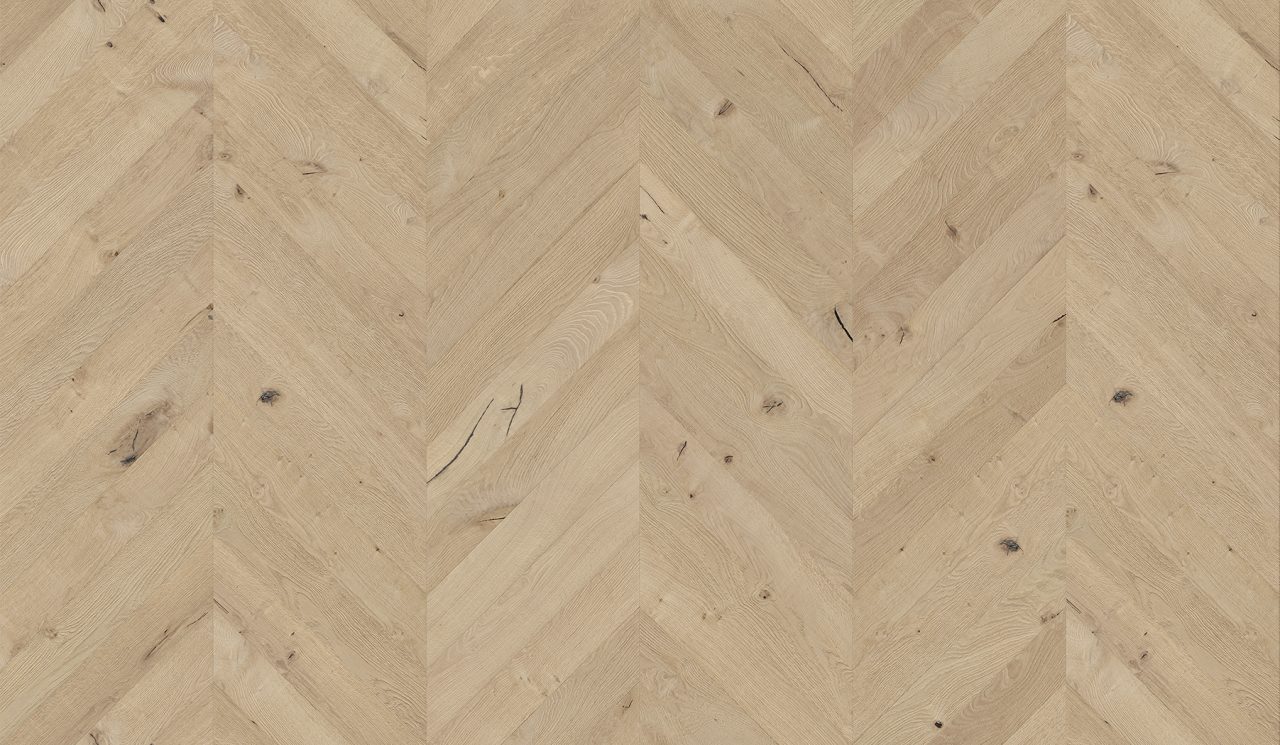
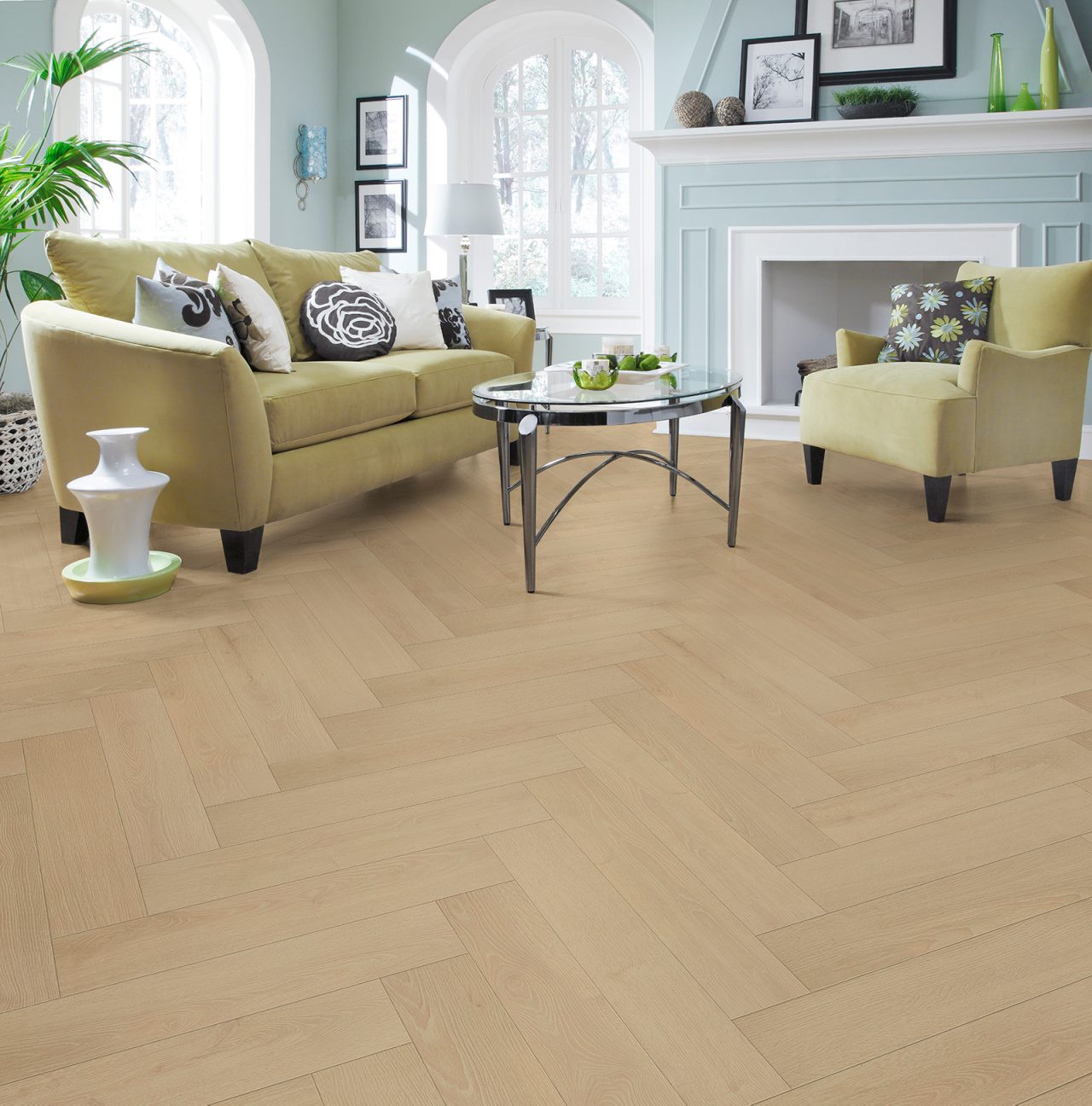


Examples from the current catalog in these material families; specifications on each product page are as listed by the manufacturer.
Related guides
All guides