Choosing flooring
White oak flooring and how to choose its finish
Modern Wood Flooring team · Published October 19, 2026

White oak is popular because it is hard, widely available and has a tight grain and a neutral tan color that suits almost any look, from pale and raw to smoked brown. Choosing well comes down to three decisions: the grade and cut, the color treatment, and the protective finish on top.
Why is white oak flooring so popular?
Most of the reasons are practical. White oak is one of the harder common domestic species, so it handles everyday life well. Its natural color sits in the tan to light brown range without the pink undertone of red oak, which makes it an easy base for light, neutral and modern finishes. It also takes dark stains well, so the same species can be pale in one home and espresso in the next.
- A neutral base color that works with light, natural and gray-brown finishes
- Tighter, straighter grain than red oak, especially in rift and quartersawn boards
- Good dent resistance for a busy home, though no wood floor is dent-proof
- Responds to fuming and reactive stains, which produce smoky browns and grays
- Widely made in both solid and engineered construction, including wide planks
Our wood species guide compares white oak with red oak, maple, hickory and walnut on hardness and grain. This guide picks up where that one stops: once you have chosen white oak, how do you choose the version of it you will live with?
How do grade and cut change the look?
Grade describes how much natural character a board is allowed to show: knots, mineral streaks, color variation and small checks. For unfinished solid oak, the NWFA/NOFMA grading standard uses four main grades, from cleanest to most rustic: Clear, Select, No. 1 Common and No. 2 Common. Prefinished and engineered floors, including most European oak, often use the manufacturer's own grade names, such as select, natural, character or rustic. Compare actual boards rather than relying on the label.
Cut describes how the board was sawn from the log. Plain-sawn boards show the familiar arched cathedral grain. Rift-sawn boards show long, straight lines, and quartersawn boards add the silvery ray fleck that white oak is known for. Many floors are a mix. A clean grade with rift-sawn boards reads calm and formal; a character grade with plain-sawn boards reads relaxed and rustic.
What color treatments work on white oak?
White oak can be finished clear, lightened, smoked or stained. Each approach changes not only the color but how the grain and variation show through.
| Treatment | Typical look | How it is usually done | Things to know |
|---|---|---|---|
| Natural or clear | Tan to light brown, grain visible | Clear finish with no stain | The finish itself shifts the color; see the next section |
| Light, raw or Nordic look | Pale, close to unfinished wood | White-tinted sealers, bleaching or finishes made to look invisible | Shows dirt more; color depends heavily on the specific products used |
| Whitewashed | Pale with a white cast in the grain | White pigment worked into the open grain | Can read cool or chalky in north light |
| Smoked or fumed | Warm gray-brown to deep brown | Ammonia fuming or reactive stains that react with the wood's tannins | Color varies board to board because tannin levels vary |
| Pigment stain | Any brown, gray or near black | Stain applied after sanding, before the finish | Darker stains show dust and scratches more |
Fuming works on white oak because ammonia reacts with tannins in the wood. Red oak has less tannin and tends to respond differently, which is one reason smoked floors are almost always white or European oak. Factory-smoked engineered floors give you this look without any fuming in your home.
Polyurethane or oil: which protective finish is right?
The protective finish matters as much as the color. It decides how the floor looks on day one, how it changes over the years and how you care for it.
Water-based polyurethane
Water-based finishes dry clear and stay close to the wood's own color, so they are the usual choice for light and natural white oak. Modern two-part water-based finishes are durable. Single-coat touch-ups are hard to blend, so worn areas are usually fixed by a light screen and recoat of the whole room.
Oil-based polyurethane
Oil-modified polyurethane gives white oak a warmer, golden cast that deepens with age. Some people love that traditional look; others find it pulls a light floor toward yellow over time. It also has a strong odor while curing, which matters in apartments.
Penetrating oil and hardwax oil
Oil finishes soak into the wood rather than forming a film on top. They give a natural, low-sheen look and can usually be spot-repaired, so a scratched area can be cleaned and re-oiled without redoing the room. The tradeoff is upkeep: oiled floors need periodic maintenance coats and the cleaners the manufacturer specifies.
Factory finishes on prefinished floors
Prefinished floors arrive with the finish already applied and cured. Many use multi-coat UV-cured urethane finishes, and some use UV-cured or hardwax oils. The product's care guide tells you which you have, and that decides which cleaners and repair methods are safe. Most current white oak floors use a matte or low-luster sheen, which hides fine scratches and dust better than a glossy finish.
White oak's tannins react with iron. Steel wool, wet cast iron and rusty metal left on bare or worn wood can leave dark gray or black stains. Never use steel wool on an oak floor, and wipe up spills under metal furniture feet quickly.
Prefinished or site-finished white oak?
Site-finished floors are installed raw, then sanded, stained and finished in place. You can mix a custom color on site and the finish seals the seams, giving a flat, continuous surface. Prefinished floors, which include most engineered white oak, arrive finished from the factory, usually with small beveled edges. They install faster and you can live on them sooner.
| Prefinished | Site-finished | |
|---|---|---|
| Color choice | The manufacturer's range | Any stain or treatment, mixed on site |
| Surface | Small bevels between boards | Flat; seams sealed by the finish |
| Dust and odor at home | Little; no on-site sanding or finishing | Sanding dust plus finish odor and drying time |
| Time before normal use | Usually soon after installation | Several days, depending on the finish system |
| Future refinishing | Possible if the wear layer allows; check the product | Yes, with sanding |
What should Brooklyn homeowners know about white oak?
Many brownstones and prewar homes, in neighborhoods such as Park Slope, already have oak floors, red or white. If you are adding white oak next to an existing floor, confirm which oak you have before choosing a finish, because red and white oak look different side by side even under the same stain. Our guide to refinishing or replacing brownstone floors covers that decision.
- Steam heat and dry winters: engineered white oak usually moves less than solid planks, which matters more as boards get wider. See engineered vs solid wood in NYC apartments.
- Concrete slabs: many apartment buildings have them, so engineered white oak, glued or floated where the manufacturer allows, is the common choice.
- Co-ops and condos: on-site sanding and oil-based finishes mean dust and odor in shared hallways, and many alteration agreements limit work hours. A prefinished floor avoids most of that.
- Wide planks: wider white oak boards show more grain and movement. Our wide plank guide covers stability and layout.
How do you choose a white oak finish?
- Decide on the grade first. Clean and calm, or knots and character, narrows the field quickly.
- Pick a color direction: natural, light, smoked or stained.
- Choose the protective finish based on how you live. A clear water-based or factory urethane suits most busy homes; an oil finish suits people who prefer easy spot repairs and don't mind maintenance.
- Choose a low sheen unless you want a traditional shine. Matte and low-luster finishes hide everyday wear best.
- Look at several full boards in your own light, morning and evening, before ordering. Our room light and floor color guide explains why.
Browse white oak and European oak in engineered wood and solid hardwood. We pull samples the same day, so you can compare finishes side by side at home.
Finish systems, sheen, care products and refinishing limits vary by product. Check the manufacturer's installation and care instructions and the warranty terms for the specific floor before you buy.
Common questions
Is white oak better than red oak for flooring?
Neither is better overall. White oak is slightly harder and has a more neutral tan color, which suits light and modern finishes. Red oak has warmer, pinker undertones and takes traditional brown stains very evenly.
Does white oak turn yellow over time?
Natural white oak tends to deepen and warm with light exposure. An oil-based polyurethane adds a golden tone that grows over the years, while water-based finishes stay closer to the original color.
What finish is most durable on white oak floors?
Film-forming finishes such as two-part water-based polyurethane and factory UV-cured urethanes resist wear well. Oil finishes are less of a barrier on top but are easier to spot-repair.
Can white oak be stained gray?
Yes. White oak takes gray stains and reactive treatments well. Because the finish and natural ambering can shift the tone over time, look at finished samples rather than stain chips.
Is engineered white oak real wood?
Yes. The top layer is real white oak, bonded to a stable core. It looks and feels like solid oak, and many products can be refinished, depending on the thickness of the top layer.
Sources
Floors this guide covers
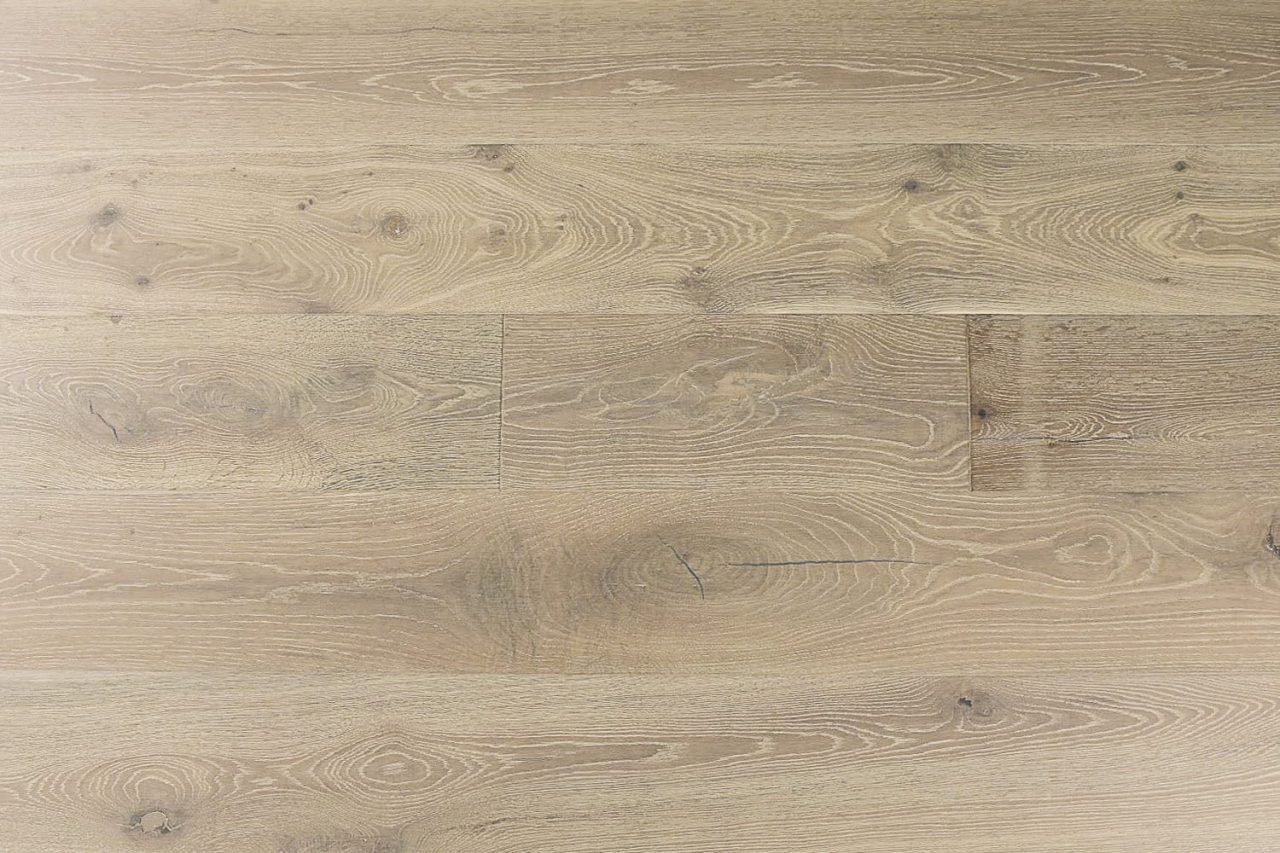
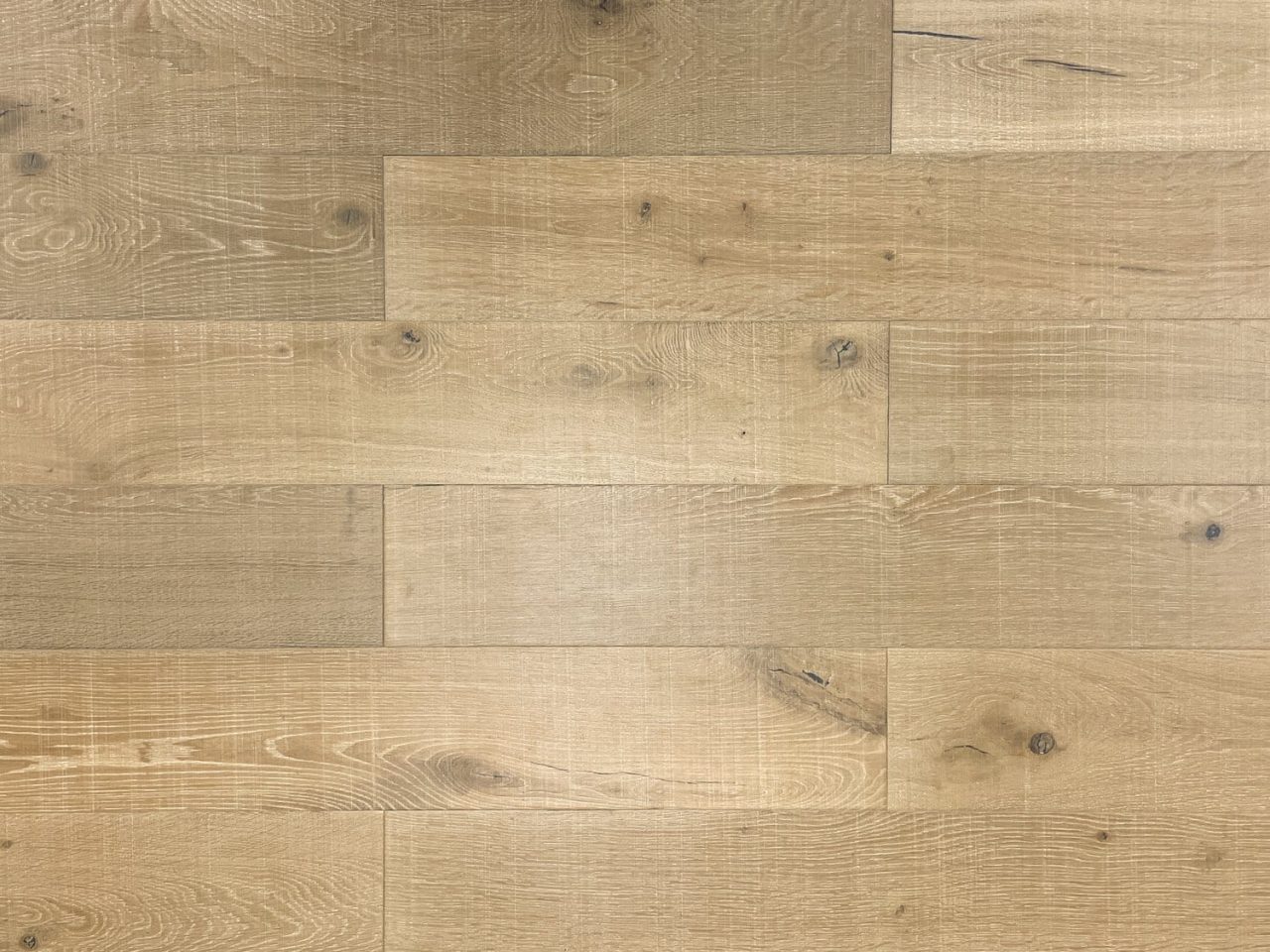
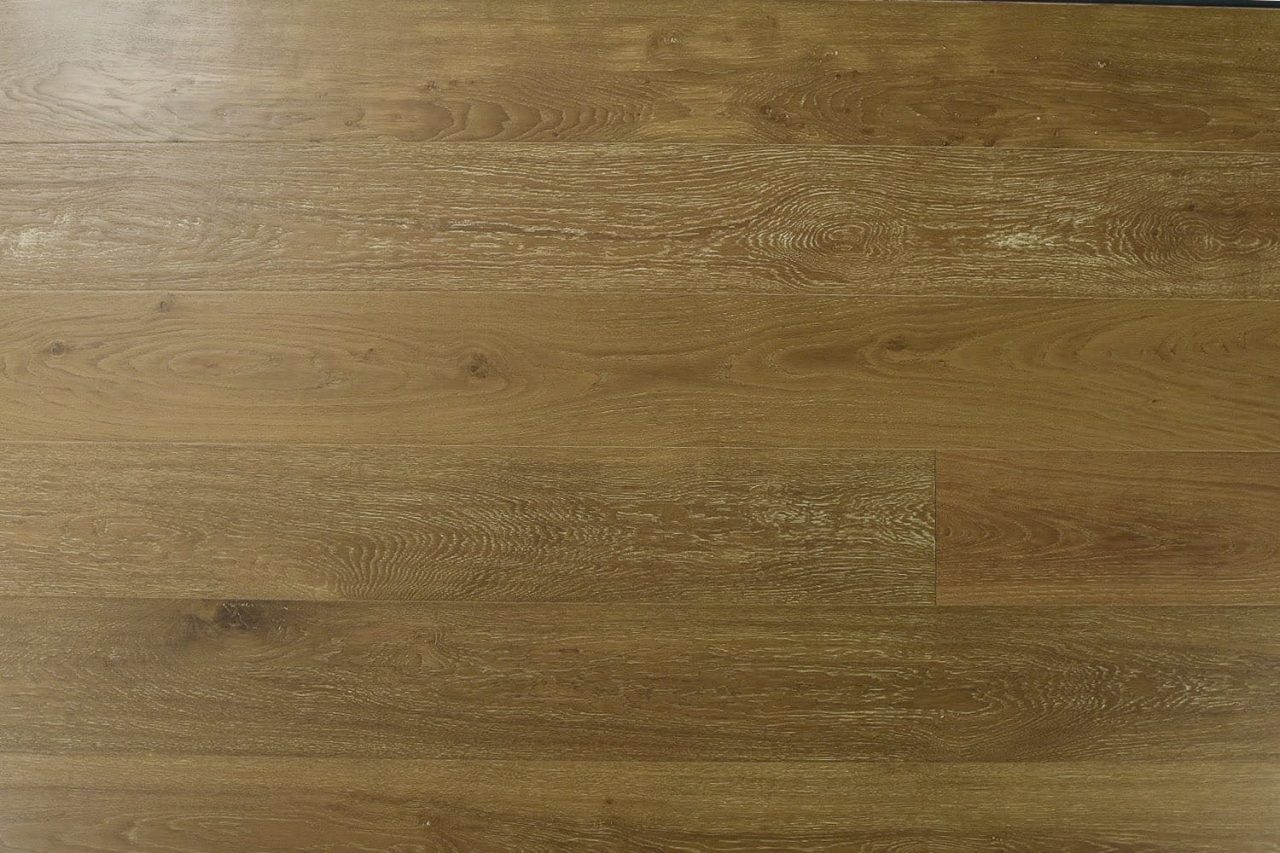
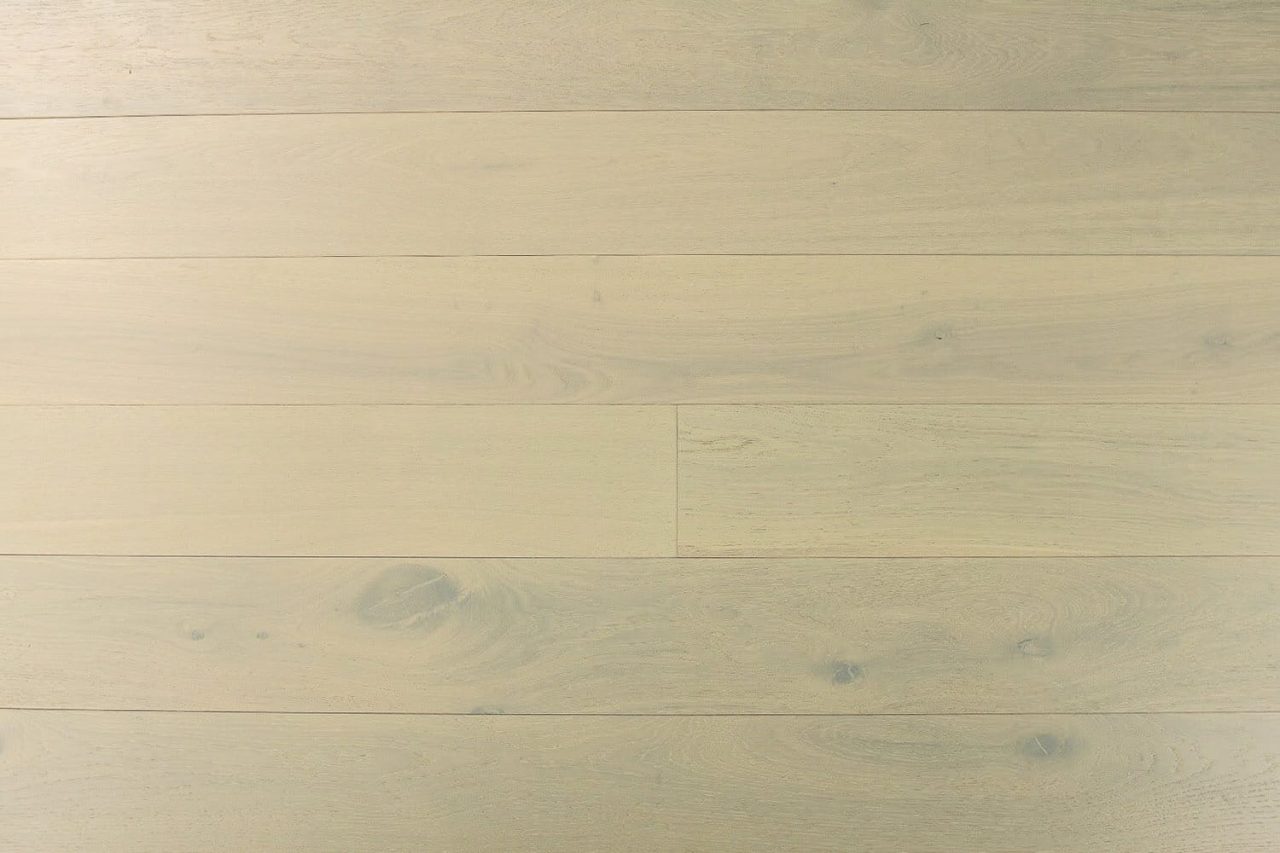


Examples from the current catalog in these material families; specifications on each product page are as listed by the manufacturer.
Related guides
All guides