Choosing flooring
Wood flooring species: oak, maple, hickory, walnut
Modern Wood Flooring team · Published October 16, 2026

For most homes, oak is the safest species: hard enough for daily life, widely available and easy to stain. White and European oak suit modern neutral tones; red oak has warmer, pinker undertones. Hickory and maple are harder but trickier to stain. Walnut is softer and chosen for its rich natural brown.
How hard is each wood flooring species?
Hardness is usually expressed with the Janka test, which measures the force needed to press a steel ball halfway into a sample of wood. A higher number means the wood resists denting better. The figures below are commonly cited approximations for each species; published values vary by source and by the individual tree.
| Species | Approx. Janka (lbf) | Grain | Natural color | Takes stain |
|---|---|---|---|---|
| Red oak | about 1,290 | Open, pronounced | Light brown with pink or red undertones | Evenly; very forgiving |
| White oak | about 1,360 | Tighter, straighter; ray fleck in quartersawn | Tan to light brown, olive or gray hints | Well; also suits fuming and reactive stains |
| European oak | broadly similar to white oak | Similar to white oak, often with more character | Tan to golden brown | Well; often smoked, oiled or wire-brushed |
| Hard maple | about 1,450 | Fine, closed, subtle | Creamy white to light tan | Unevenly; can blotch with dark stains |
| Hickory | about 1,820 | Bold, varied | Strong contrast from cream to brown | Unevenly; color variation shows through |
| Black walnut | about 1,010 | Straight to wavy, fine | Chocolate brown with lighter sapwood | Rarely stained; usually finished natural |
Janka measures dent resistance in raw wood, not scratch resistance. The finish, the texture and the color affect how much wear you see far more than a few hundred points on the scale.
White oak
White oak is the most requested species in new floors right now, and it earns that. Its grain is tighter and straighter than red oak, and its natural tone sits in the tan-to-light-brown range that works with today's neutral and light finishes. Quartersawn and rift-sawn boards show the tight lines and silvery ray fleck that many people associate with older, high-end floors.
The pores of white oak are largely plugged by natural structures called tyloses, which is why it is traditionally used for barrels. That makes it somewhat less absorbent than red oak, though it is not waterproof as a floor. It also contains tannins that react with fuming and reactive stains, which is how many smoked and gray-brown tones are produced.
Red oak
Red oak was the standard American flooring species for much of the last century, and it is common in older Brooklyn houses and prewar apartments. Its open grain is pronounced and absorbs stain evenly, which makes it very forgiving for traditional browns and darker colors.
The main design consideration is undertone. Red oak leans warm, with pink or reddish hints that can show through light and gray stains. If you are patching or extending an existing older floor, check which oak you have before ordering, because red and white oak look different side by side even under the same stain.
European oak
European oak is the same genus as American white oak, grown in Europe. Its hardness and stain behavior are broadly similar to white oak. Many European oak floors are sold in wide, long planks in engineered construction, often with wire-brushed textures, visible knots and oiled or matte finishes.
European oak is a large share of the engineered floors in our catalog, in tones from pale white-gray to tan and brown. The species name tells you less than the grade, which describes how many knots and color variations are allowed. Character and rustic grades show more knots; select or prime grades are cleaner.
Hickory
Hickory is one of the hardest common domestic flooring species and has the strongest natural color variation, with pale and dark boards side by side. That variation is its appeal in rustic, cabin and farmhouse looks, and it hides dirt and wear well.
It is not the choice for a calm, uniform floor. Stain does not even out the contrast, and the hardness that resists dents also makes it harder to sand and machine. Hickory looks are also common in vinyl, if you want the pattern without the wood.
Maple
Hard maple is dense, with a fine, subtle grain and a pale creamy color. It is the traditional species for gym and bowling floors because it resists wear. In homes, it suits clean, minimal rooms where you want a light floor with little visible grain.
Maple is known for staining unevenly. Its closed grain resists penetration, and dark stains can blotch. Finishers often use conditioners, dyes or water popping when a darker maple floor is the goal, and many people simply finish it natural. Maple also tends to yellow or amber with light exposure over time.
Walnut
American black walnut is chosen for its color: deep chocolate browns with lighter streaks, and a fine, often wavy grain. It is usually finished without stain. It is also notably softer than oak, so it will show dents from heels, pets and dropped objects more readily.
Walnut tends to lighten and warm with sunlight over time, the opposite of many species, which darken. In a sunny room, move rugs and furniture occasionally so the color changes evenly. Be aware that some exotic woods are sold under walnut names but are different species with different properties; check the botanical name on the spec sheet.
Does the cut of the board matter?
Yes, especially with oak. Plain-sawn boards, the most common cut, show the familiar arched cathedral pattern in the grain. Rift-sawn and quartersawn boards are cut at a steeper angle to the growth rings, producing straighter, tighter lines; quartersawn oak also shows ray fleck. Rift and quartersawn boards are more dimensionally stable but yield less from each log, so they usually cost more. Many floors mix the cuts.
Which species suit Brooklyn homes?
Older floors in Brooklyn brownstones and prewar buildings are commonly oak, red or white, sometimes with parquet or borders in contrasting species. If you are refinishing or patching, match the species first and the stain second. Our guide to refinishing or replacing brownstone floors covers that decision. In steam-heated apartments, construction matters more than species: an engineered oak plank will usually move less than a solid board of any species.
How should you choose a species?
- For a busy home with kids or pets: oak or hickory, with a matte or wire-brushed finish
- For light, neutral, modern tones: white oak or European oak
- For traditional brown stains, or matching an older floor: red oak, after confirming what you have
- For a very pale, minimal look: maple, finished natural
- For rich color without stain: walnut, accepting more visible dents
In engineered wood, the species is the face layer, so the same guidance applies. Browse engineered wood and solid hardwood, and see our guide to room light and floor color before settling on a tone. Our catalog also includes some less common species such as Australian cypress and hevea; ask us about how they compare.
Species, grade and finish vary by product and by production batch. Look at actual samples, ideally several boards, and check the manufacturer's specifications before ordering.
Common questions
What is the most popular hardwood flooring species?
Oak is the most widely used flooring species in the United States, and white oak in particular is the most common choice in new floors today.
Is a higher Janka rating always better?
Not necessarily. Harder woods resist dents better, but finish and texture drive how scratches look, and very hard woods can be harder to sand and stain.
Which wood floor is best with dogs?
A harder species such as oak or hickory, with a matte or textured finish, hides claw marks best. No wood floor is scratch-proof.
Can white oak be stained dark?
Yes. White oak takes stain well, including dark browns and black. It also responds to fuming and reactive stains for smoky tones.
Why does my maple floor look blotchy after staining?
Maple's dense, closed grain absorbs stain unevenly. Pre-stain conditioners or dyes help, and many maple floors are left natural for this reason.
Sources
Floors this guide covers
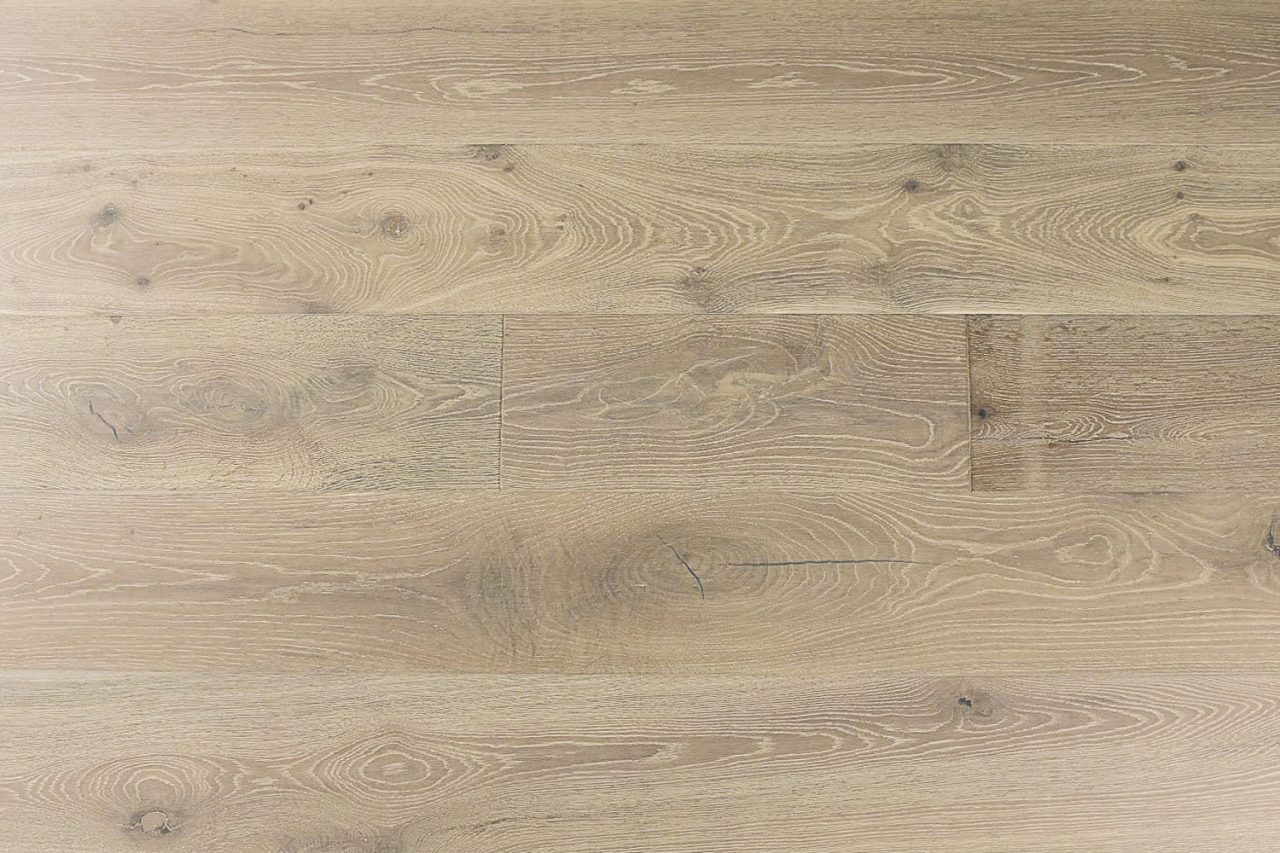
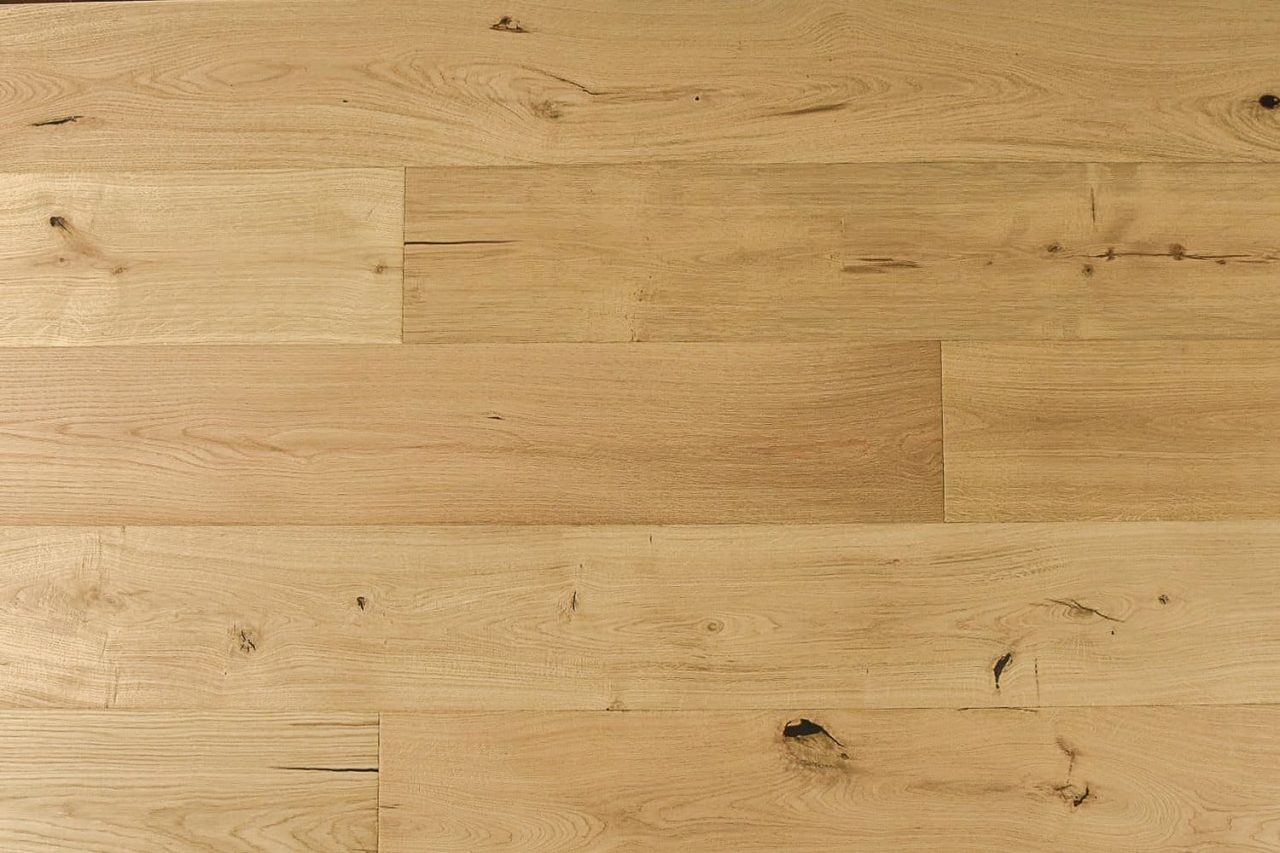
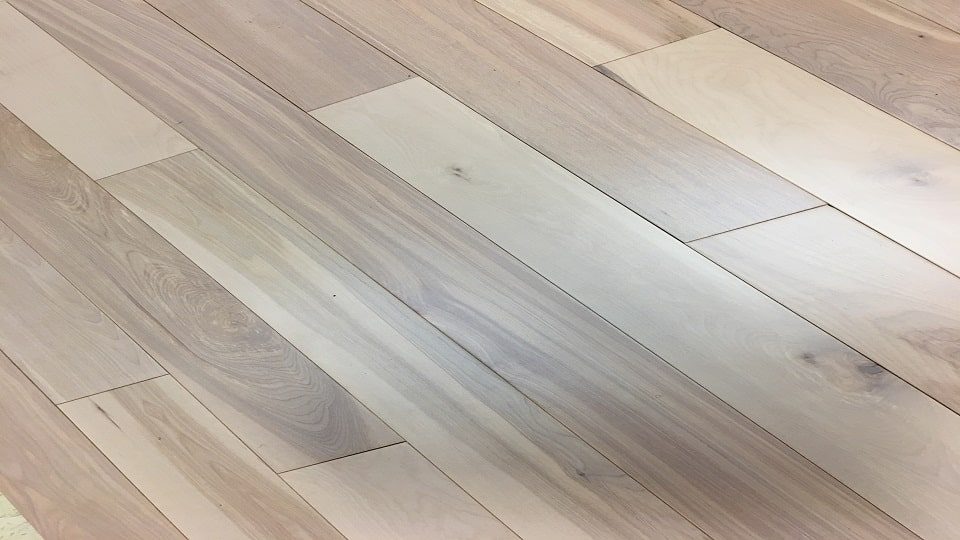
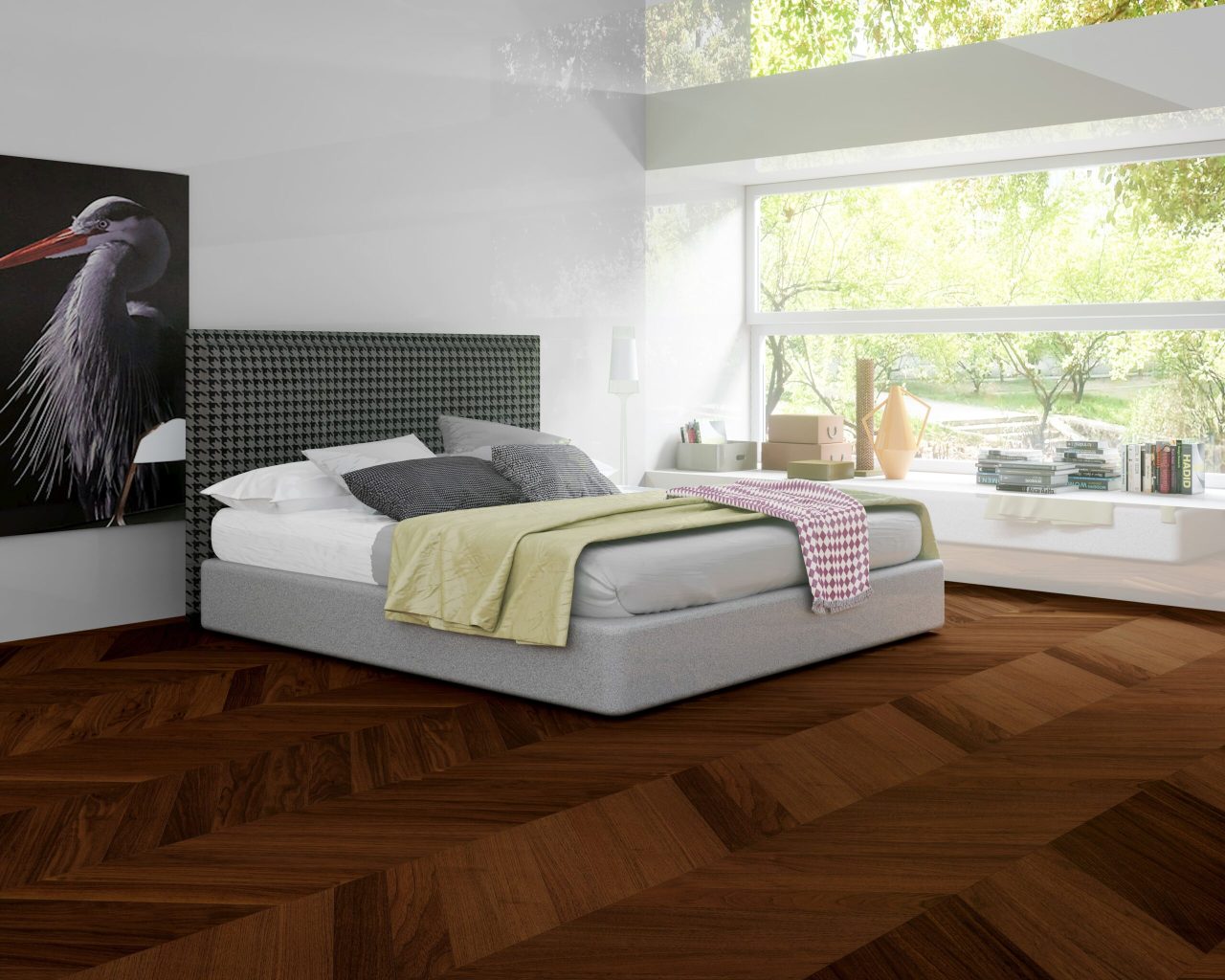


Examples from the current catalog in these material families; specifications on each product page are as listed by the manufacturer.
Related guides
All guides