Care & maintenance
Gaps, cupping and crowning in wood floors
Modern Wood Flooring team · Published November 23, 2026

Gaps, cupping and crowning in wood floors almost always come down to moisture. Wood shrinks when the air is dry and swells when it is damp. Small gaps in winter that close in summer are normal. Cupping or crowning usually means a moisture imbalance that should be found and fixed before any sanding or repair.
Wood is a natural material, and it keeps exchanging moisture with the air around it long after it is milled and installed. In a New York home that swings between steam heat in winter and humid summers, every wood floor moves a little. The question is whether the movement is seasonal and small, or a sign of a problem underneath.
What do gaps, cupping and crowning look like?
| Problem | What you see | Most common cause |
|---|---|---|
| Seasonal gaps | Thin, even gaps between boards, mostly in the heating season | Dry indoor air makes boards shrink across their width |
| Cupping | Board edges higher than the center, so each board looks slightly dished | More moisture under the boards than on top |
| Crowning | Board centers higher than the edges, so each board looks rounded | Sanding a cupped floor flat before it dried, or moisture from above |
| Buckling | Boards lifting off the subfloor, sometimes several inches | A large amount of water, such as a leak or flood |
| Wide, uneven gaps | Gaps that do not close in summer, or that open in one area | Installation issues, very dry conditions or a moisture problem nearby |
Why do wood floors gap in winter?
When the heat comes on, indoor air gets dry. Radiators and steam heat, common in prewar buildings and Brooklyn row houses, can dry a home out quickly. Wood boards lose moisture and shrink across their width, and thin lines appear between them. When the air gets more humid in spring and summer, the boards take moisture back and most of those gaps close.
Some seasonal gapping is expected with solid hardwood, and wider boards move more than narrow ones because there is more wood to shrink. Engineered wood is built in layers to move less, which is one reason it is often chosen for apartments. Our guide to engineered or solid wood in New York apartments compares the two.
Many flooring manufacturers set an indoor temperature and relative humidity range in their care and warranty documents. Check the range for your product, and keep a simple humidity meter in the room so you know what the air is actually doing.
What causes cupping?
Cupping happens when the bottom of the board is wetter than the top. The underside swells more than the surface, so the edges rise. The moisture usually comes from below or from the side, and the job is to find where.
- A damp basement, crawl space or concrete slab under the floor.
- A plumbing leak, a radiator valve that drips or a slow leak from an appliance.
- Wet mopping or spills that seep between the boards.
- Long stretches of very humid weather with no air conditioning or dehumidification.
- A floor installed before the subfloor, plaster or new concrete had dried.
Engineered wood can also cup in very dry conditions, sometimes called dry cupping, when the top layer shrinks more than the core beneath it. That is another reason to keep indoor humidity steady all year.
What causes crowning?
Crowning is the opposite shape. The most common cause is sanding a cupped floor flat while the boards are still wet. The raised edges are sanded off, and when the wood later dries and shrinks back, the edges end up lower than the centers. Crowning can also follow moisture coming from the top, such as standing water on the surface.
What should you do if your floor is cupping or gapping?
Be patient, and fix the cause before the symptom. Many floors recover partly or fully once the moisture is under control.
- Look for the moisture source: check for leaks, damp spots below, and how the room is heated, cooled and ventilated.
- Measure indoor humidity for a few weeks with a hygrometer so you know whether the air is too dry or too damp.
- Bring conditions back into the manufacturer's range with a humidifier in winter or a dehumidifier or air conditioning in summer.
- Give the floor time. Boards often flatten or close up over weeks once the moisture is balanced.
- Ask a flooring professional to check moisture readings before any sanding, refinishing or board replacement.
- If boards stay damaged after the floor has stabilized, replace or refinish only then.
Do not sand a cupped floor flat while it is still wet. When it dries, it can crown. Wait until moisture readings show the boards have stabilized.
Do vinyl plank floors gap or cup too?
Vinyl plank does not take on moisture from the air the way wood does, so it does not cup from humidity. It can still expand and contract with temperature, especially near large sunny windows. A floating vinyl floor needs the expansion space at walls and doorways that its installation instructions call for. If it is pinned under heavy cabinets or trim is nailed through it, the planks can peak or separate. Glue-down vinyl depends on a dry, flat subfloor and the right adhesive.
How do Brooklyn homes make this worse, and how can you prevent it?
A few local conditions show up again and again. Steam heat and radiators dry the air sharply in winter. Summers are humid. Older brownstones and row houses, like many in Park Slope, often have plank floors over wood joists, with basements or cellars below that can be damp. Ground-floor apartments in many buildings sit on concrete slabs that need moisture testing before any wood goes down.
- Run a humidifier in the heating season and a dehumidifier or air conditioning in humid months.
- Keep a basement or cellar under a wood floor dry, and fix drainage or leaks first.
- Test concrete slabs for moisture before installing wood, and use the vapor barrier the product calls for.
- Let new plaster, drywall or concrete dry fully before the floor goes in.
- Clean wood floors with a barely damp mop, never a soaking wet one, and wipe up spills quickly.
- In a room that is regularly damp, such as a basement, consider a vinyl plank instead of wood.
Our guide to caring for wood and vinyl floors has a season-by-season care routine, and refinish or replace old brownstone floors helps when an older floor has been through years of movement. If you have radiant heat, see which flooring works over radiant heat, because heated floors need extra care with humidity.
Common questions
Are gaps in hardwood floors normal in winter?
Small, even gaps that appear in the heating season and close in summer are normal for solid wood. Gaps that keep growing, stay open all year or appear in one area are worth having checked.
Will a cupped wood floor go back to flat?
Often it will flatten partly or fully once the moisture source is fixed and indoor humidity is back in range. Give it time before deciding to sand or replace boards.
Should I fill the gaps between floorboards?
Usually not for seasonal gaps, because the boards will swell again and filler can crack or push out. Ask a flooring professional if gaps are wide and permanent.
Does engineered wood gap and cup less than solid wood?
Engineered wood is built to move less with changes in humidity, so it often gaps and cups less. It can still react to very wet or very dry conditions, so humidity care still matters.
What humidity should I keep for wood floors?
Follow the range in your flooring manufacturer's care and warranty documents. Many give a range for indoor relative humidity and temperature, and a simple hygrometer tells you whether you are inside it.
Floors this guide covers
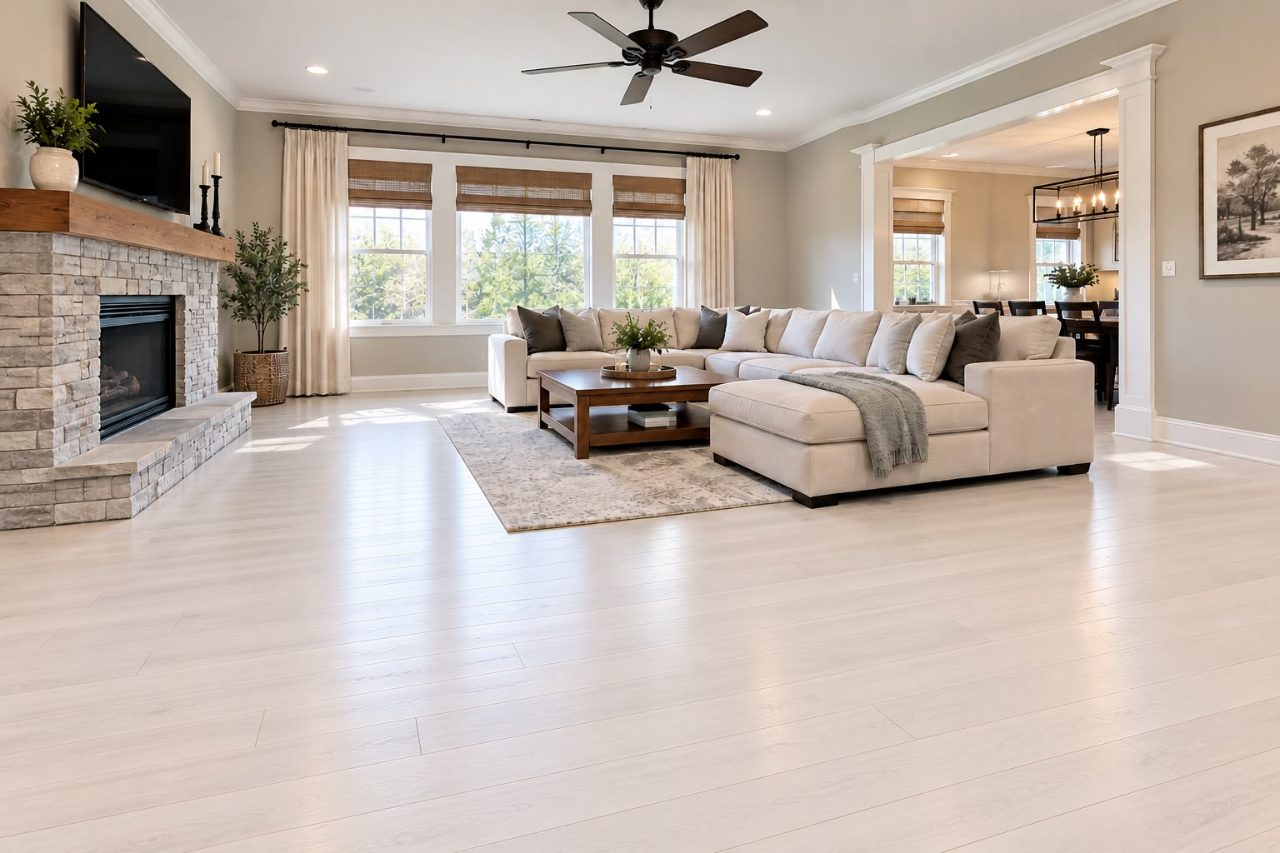
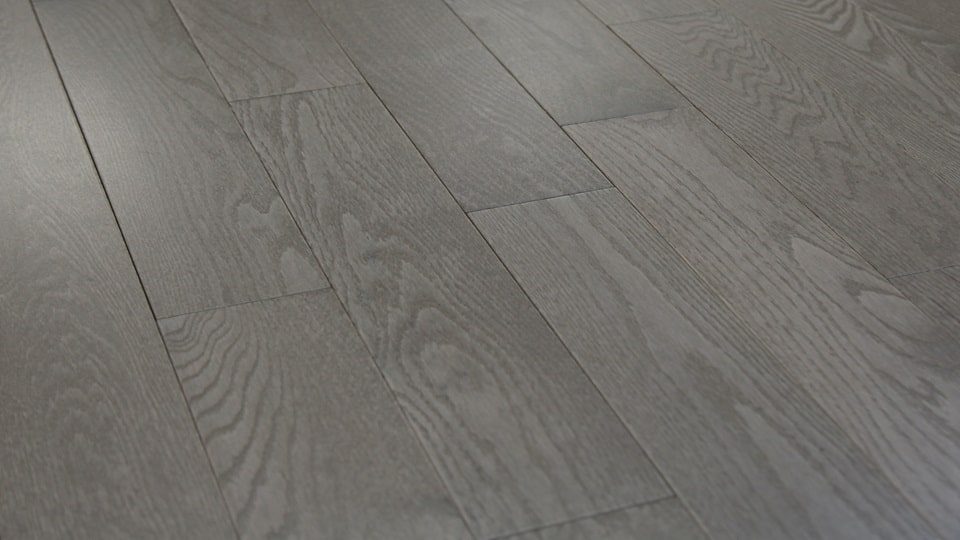
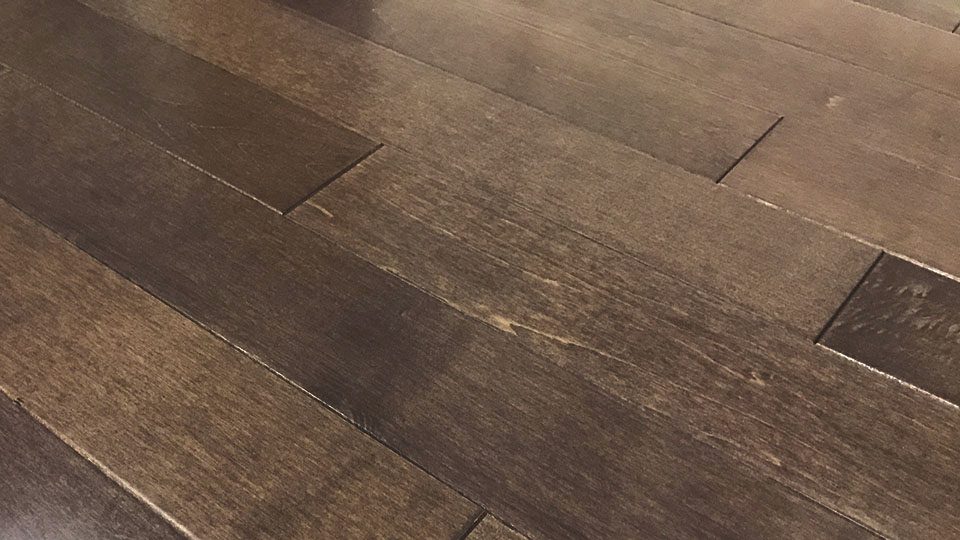
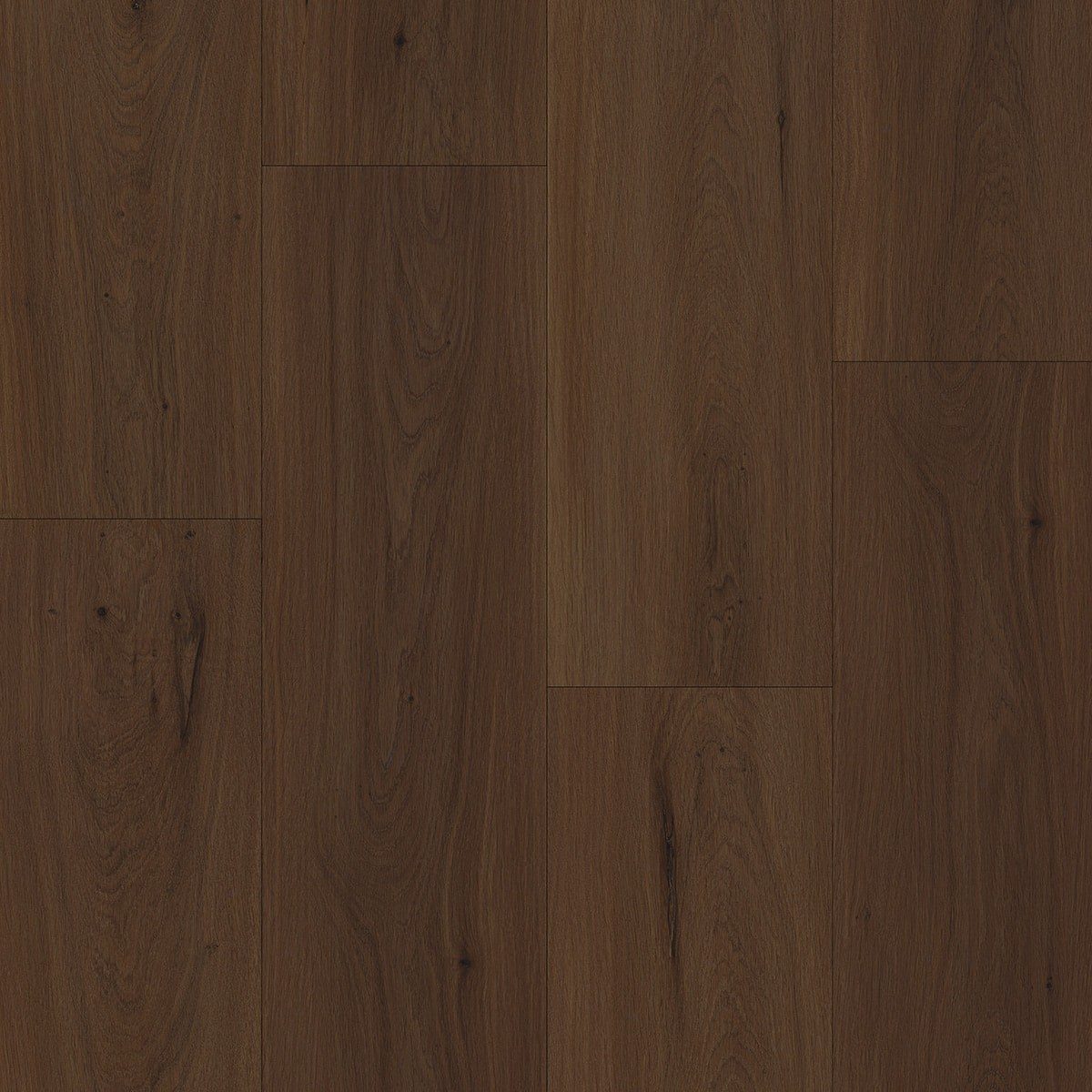


Examples from the current catalog in these material families; specifications on each product page are as listed by the manufacturer.
Related guides
All guides