Choosing flooring
Waterproof flooring for bathrooms: what the label means
Modern Wood Flooring team · Published October 16, 2026

In flooring, waterproof usually means the plank itself will not swell or break down when wet. It does not mean water cannot get through the seams or around the edges to the subfloor. For bathrooms, rigid core vinyl is a common choice, installed and sealed exactly as the manufacturer specifies. Wood is generally not recommended for full baths.
What is the difference between waterproof and water-resistant?
These two words get used loosely, and they are not the same thing.
| Waterproof | Water-resistant | |
|---|---|---|
| What it usually means | The product's core does not swell or lose strength when exposed to water | The surface resists spills for a limited time if they are wiped up |
| Typical products | Many rigid core (SPC) vinyl and some other vinyl constructions | Many laminates, engineered woods and some vinyls |
| Standing water | The plank tolerates it; the subfloor below may not | Can damage the product |
| What to check | What the warranty covers and excludes | How long a spill can sit, per the warranty |
Manufacturers define these terms in their own warranties, and the details vary. Some cover topical spills only. Some exclude flooding, plumbing leaks or water that gets underneath the floor. Read the specific product's warranty before you buy it for a bathroom.
What does a waterproof label actually cover?
The label covers the plank. A floor is planks plus seams, edges, the subfloor and whatever sits on the subfloor. Water that reaches the subfloor can cause swelling, mold and odors, even when the planks above it are fine.
- Seams: click-together seams are tight, but they are not usually watertight under standing water.
- Perimeter: floating floors need an expansion gap at the walls, tub and toilet. That gap is a path for water unless it is sealed as the manufacturer directs.
- Subfloor: plywood subfloors swell and rot with repeated wetting. Concrete can hold moisture and pass it upward.
- Underlayment: some underlayments trap water instead of letting it dry.
A waterproof floor is not a substitute for waterproofing the room. Showers and tub surrounds need proper waterproofing behind and beneath them. Flooring sits outside that system.
Is vinyl plank or LVT good for bathrooms?
Yes, for most bathrooms, if the product is rated for it. Rigid core vinyl is dimensionally stable, it tolerates splashes and damp mopping, and it is warmer underfoot than tile. Some manufacturers specifically market their rigid core products for full and half bathrooms, as MSI does in its bathroom installation guidance.
The terms LVP and LVT overlap. LVP usually means a plank format and LVT can mean tile or plank, depending on the brand. Our luxury vinyl tile and vinyl plank categories include rigid core options such as MSI SPC LVP Blonde. For the differences between constructions, see SPC, WPC and LVT explained.
Floating or glue-down in a bathroom?
Both are used. Floating click floors are common and can be removed later, but they need a perimeter gap that must be handled carefully. Glue-down vinyl has no floating gap and can be a good fit for small bathrooms on concrete. Which is allowed depends on the product, so follow its installation instructions.
How should the edges be sealed?
This is where bathroom floors usually succeed or fail. Many vinyl manufacturers call for the perimeter in wet areas to be sealed with a flexible sealant, commonly 100 percent silicone, at the walls, tub, shower and toilet flange. The exact requirements differ from product to product.
- Read the product's installation instructions for bathrooms and wet areas before work begins.
- Leave the expansion gap the instructions call for. Do not fill it with rigid material.
- Seal the gap where the manufacturer says to, using the sealant type they specify.
- Follow their instructions for the toilet. Some want the floor installed around the toilet flange and sealed; requirements vary.
- Cover the gap at the walls with baseboard or trim that is not fastened to a floating floor.
Skipping a required sealing step can affect the warranty. Ask your installer to show you the manufacturer's bathroom instructions and confirm they will follow them.
Can you put wood flooring in a bathroom?
For full bathrooms with a shower or tub, wood is generally not recommended. Daily humidity, splashes and the occasional overflow are hard on any wood floor, and many wood flooring manufacturers exclude full bathrooms from their warranties.
Powder rooms are a different case. With no shower or tub, a half bath is closer to a hallway, and some people continue an engineered floor into it for a consistent look. Check whether the product's warranty allows it, seal around the toilet as directed, and wipe up water promptly.
| Room | Rigid core vinyl | Engineered wood | Solid wood |
|---|---|---|---|
| Full bath with shower or tub | Common choice when rated for it and sealed per instructions | Generally not recommended | Not recommended |
| Powder room or half bath | Works well | Possible if the warranty allows; wipe up water promptly | Generally not recommended |
| Laundry area | Works well; consider a drain pan under the washer | Use caution; leaks are common | Not recommended |
What else matters in a bathroom floor?
- Slip resistance: wet smooth floors can be slippery. Textured or embossed surfaces help, along with a bath mat that is safe for the flooring.
- Subfloor condition: old bathrooms often hide soft or damaged subfloor around the toilet and tub. Fix it before new flooring goes down.
- Flatness: thin vinyl shows bumps. Check the flatness requirement in the instructions.
- Ventilation: a working exhaust fan cuts down on lingering humidity, which helps any floor.
- Thresholds: plan how the bathroom floor meets the hallway and at what height.
What should you know about bathrooms in NYC buildings?
- In apartment buildings, a bathroom leak can reach the unit below. That is one reason many co-ops and condos look closely at bathroom renovations.
- Many buildings require board approval through an alteration agreement for bathroom work, and some specify waterproofing or underlayment requirements. Check your building's rules before ordering.
- Many buildings also require sound-control underlayment with specific IIC and STC ratings. Make sure the underlayment is compatible with a wet area and with the flooring. See our co-op and condo sound rules guide.
- Bathrooms in older buildings and basements may sit on concrete that holds moisture. Test it as the manufacturer requires.
If you are planning a bathroom and want to see rigid core samples, you can visit our showroom at 446 Avenue P in Brooklyn. We pull samples the same day.
Common questions
Is waterproof vinyl really waterproof?
The plank usually is: its core will not swell when wet. Water can still get through seams and edges to the subfloor, so installation and sealing matter as much as the product.
Can water get under vinyl plank flooring?
Yes. Water can reach the subfloor through seams and through the expansion gap at the walls, tub and toilet. Sealing the perimeter as the manufacturer directs helps prevent that.
Is engineered hardwood OK in a bathroom?
It is generally not recommended for full bathrooms with a shower or tub. Some people use it in powder rooms. Check the product's warranty first.
Does a waterproof warranty cover leaks and floods?
Often not. Many warranties cover the product against topical water but exclude flooding, plumbing leaks or water damage to the subfloor. Read the specific warranty.
Do I need to caulk around vinyl flooring in a bathroom?
Many manufacturers require sealing the perimeter with a flexible sealant, such as 100 percent silicone, in wet areas. Follow the specific product's installation instructions.
Sources
Floors this guide covers
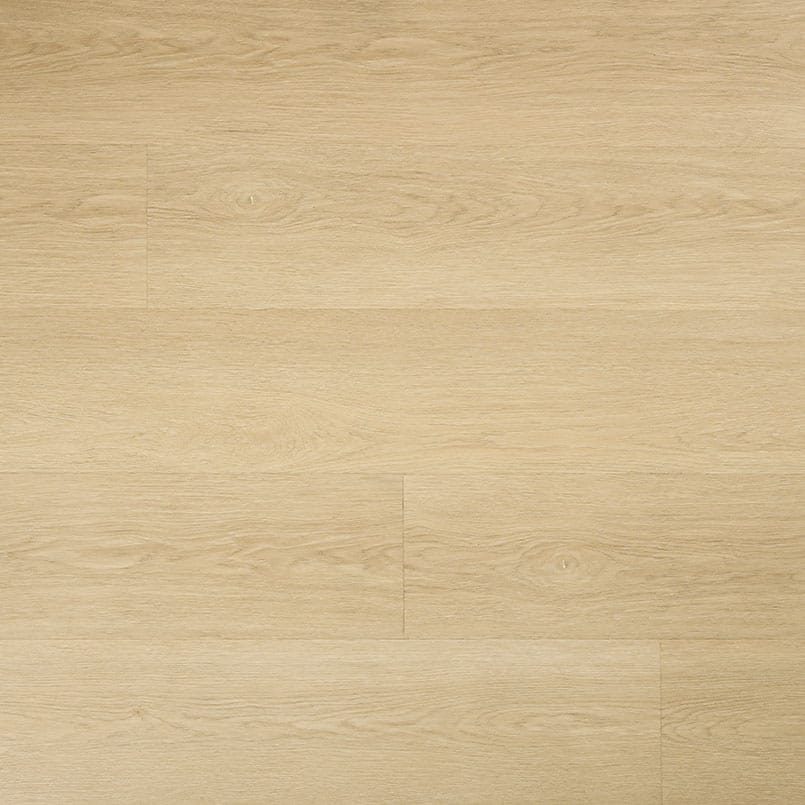
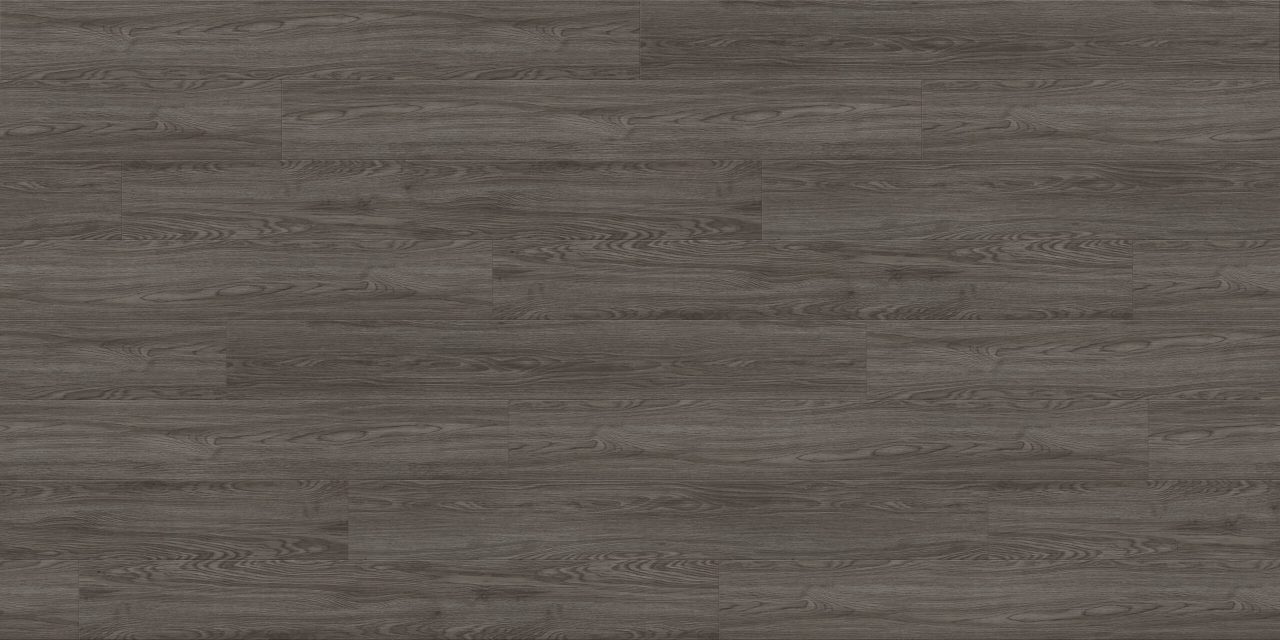

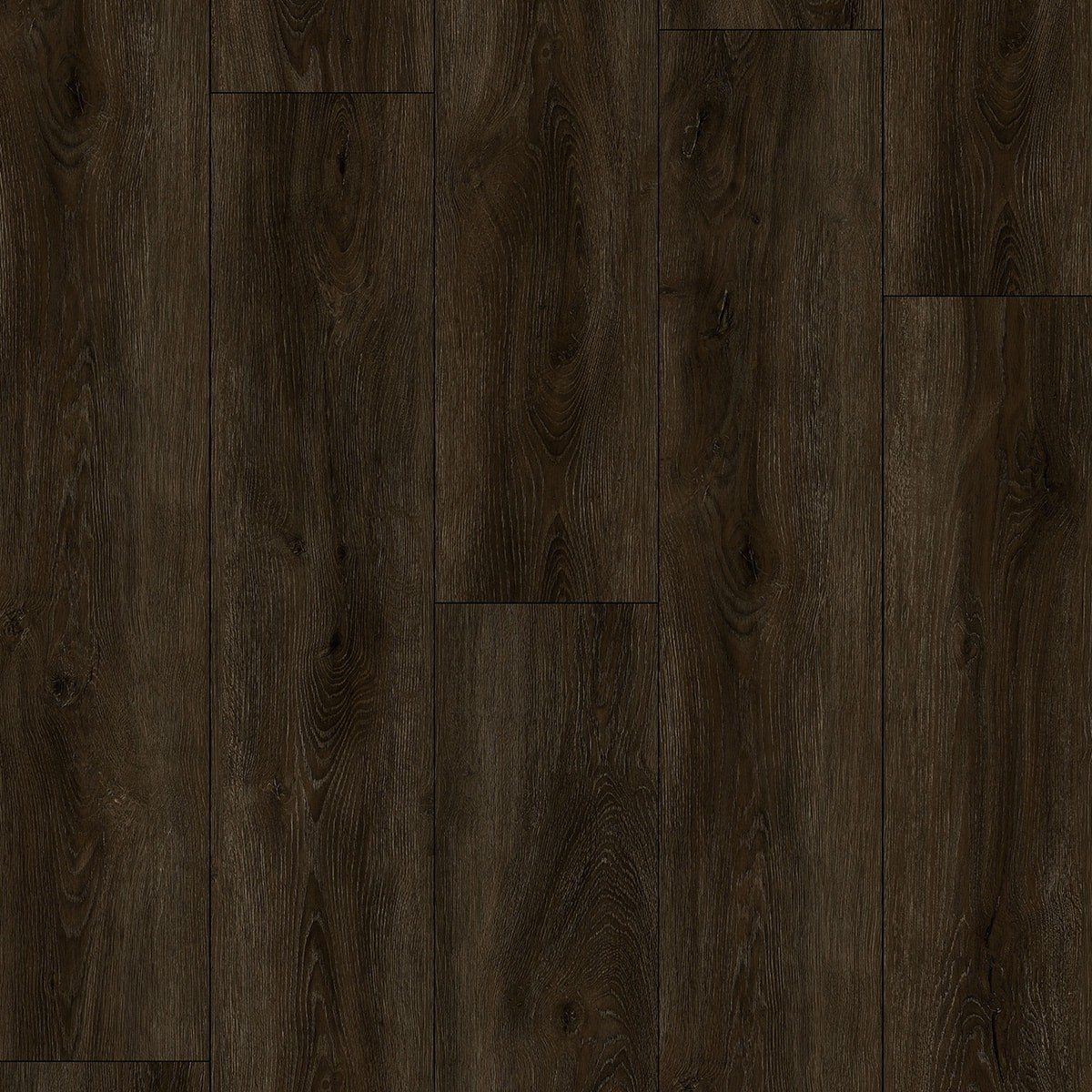


Examples from the current catalog in these material families; specifications on each product page are as listed by the manufacturer.
Related guides
All guides