Choosing flooring
Hallway and entryway floors that hold up
Modern Wood Flooring team · Published November 2, 2026

For most hallways and entryways, a rigid-core vinyl plank or LVT is the most forgiving choice, because it shrugs off grit, wet boots and heavy foot traffic. Engineered or solid wood also works well if you choose a textured, matte finish and protect the first few feet inside the door with a good mat.
Why hallways and entryways wear faster than other rooms
Every person who comes into your home crosses the entry, and almost everyone walks the same narrow line down a hallway. That concentrated traffic is the first reason these floors show wear sooner than a bedroom or living room. The second reason is what comes in on shoes.
- Grit and sand act like fine sandpaper under each step and slowly dull a finish.
- Rain, slush and snow melt sit on the floor while shoes and umbrellas drip.
- Rock salt and ice melt tracked in during winter can leave a white residue and wear down finishes.
- Strollers, bikes, carts and moving dollies roll through, often with grit on the wheels.
- Narrow halls get bumped by furniture and packages on the way in and out.
None of this rules out any particular material. It just means the entry is the place where finish, texture and maintenance matter most.
Which flooring is best for a hallway or entryway?
| Vinyl plank / LVT | Engineered wood | Solid hardwood | |
|---|---|---|---|
| Water from boots and umbrellas | Very good; wipe up puddles and it is fine | Wipe up promptly; standing water can damage wood | Wipe up promptly; standing water can damage wood |
| Grit and scratches | Good; the wear layer protects the printed surface | Depends on species and finish; textured, matte surfaces hide marks best | Depends on species and finish; can be sanded later |
| Repair if worn | Replace damaged planks or tiles | Some products can be refinished, depending on the top layer | Can be sanded and refinished several times |
| Install options | Floating or glue-down | Floating, glue-down or nail-down, by product | Nail-down over a wood subfloor |
| Matching the rest of the home | Good if the whole floor is vinyl | Easy to continue from adjoining wood rooms | Easy to continue from adjoining wood rooms |
If your entry opens straight into a living room or kitchen, the floor you choose for those rooms usually decides the hallway too. One continuous floor looks calmer and avoids extra thresholds. Our comparison of LVP and engineered hardwood covers the trade-offs in more detail, and the vinyl flooring collection shows the plank and tile options we carry.
Finish and texture matter as much as material
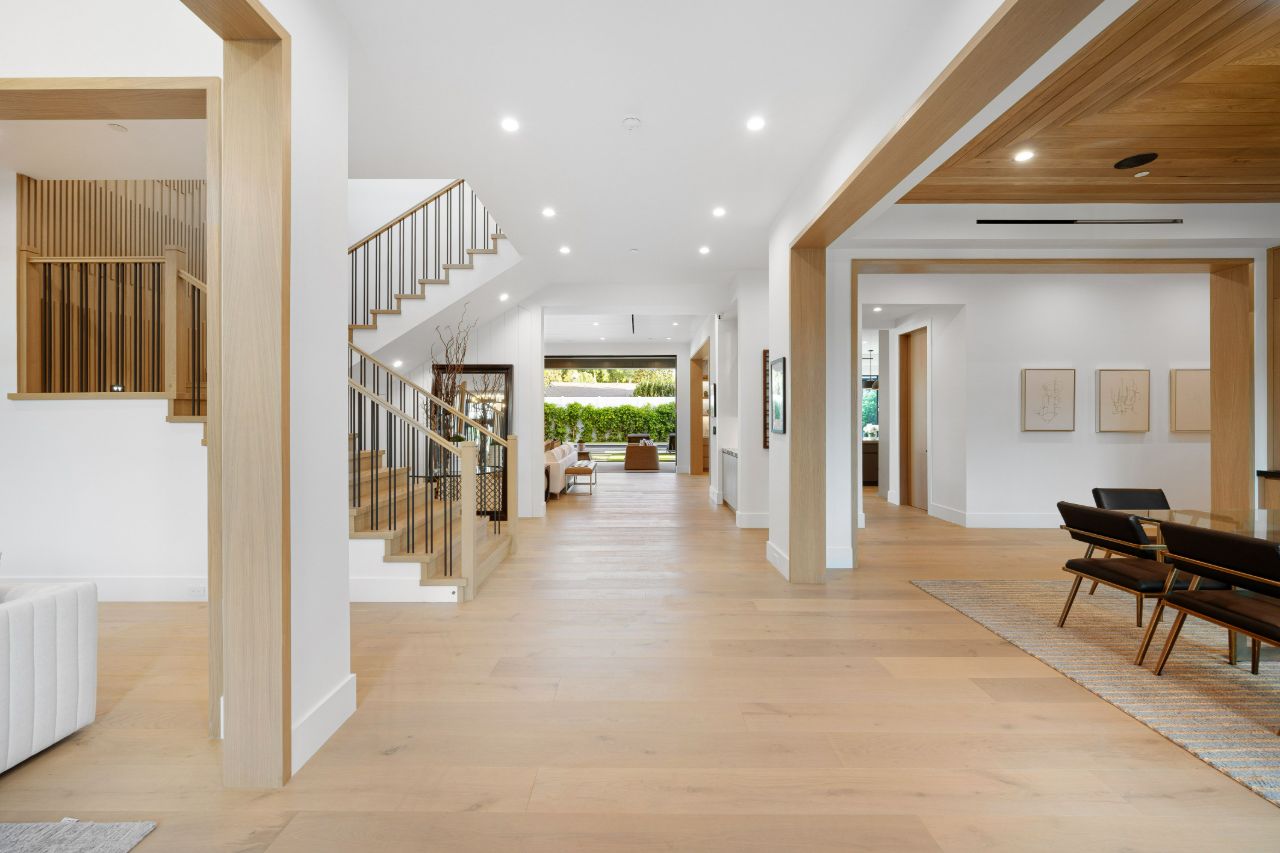
In an entry, a matte or low-sheen surface with some texture hides scuffs and dust far better than a glossy, smooth one. Wire-brushed or embossed wood looks and grain patterns break up fine scratches. Medium tones tend to hide everyday dirt better than very dark or very light floors. Our guides to matte and satin finishes and gray versus warm tones go further into both choices.
Hallways and entries in NYC apartments and row houses
The building you live in often shapes the hallway floor more than taste does.
Apartments over concrete
Many apartment buildings have concrete slabs under the floor. Floating vinyl plank, glue-down vinyl and many engineered wood products are designed for concrete, while solid hardwood generally needs a wood subfloor. Many co-ops and condos also require a sound-control underlayment, and some require board approval before any flooring work. Check your alteration agreement first; our guide to co-op and condo sound rules explains what boards commonly ask for.
Brownstones and row houses
Row houses and brownstones usually have wood joists and a wood subfloor, so nail-down solid or engineered wood is an option alongside vinyl. Some older homes have a tiled vestibule between the outer and inner doors. If that tile is original and in good shape, many owners keep it and start the new floor at the inner door, which also gives you a natural place for a threshold.
Entry doors and clearance
New flooring and underlayment can raise the floor enough that a door no longer clears it. Interior doors can often be trimmed at the bottom. Apartment entry doors in many NYC buildings are fire-rated and self-closing, so check with your building before anyone trims or alters one. Measure the gap under each door before you choose a floor, and compare it with the total height of the new flooring plus any underlayment.
Which way should planks run in a hallway?
In a long, narrow hallway, running planks along the length of the hall usually looks best and makes the space feel longer. Running them across a narrow hall tends to create many short end joints and a busier look. When the hallway connects to other rooms, installers often keep one direction through the whole floor so there is no awkward change at each doorway.
With nail-down wood over joists, the direction of the joists also matters, since boards are commonly installed across them. Your installer should check this before you commit to a layout. Wide planks can work in hallways too, though in a very narrow hall a medium width often looks more in proportion; see our guide to wide plank flooring if you are weighing it.
Transitions at the front door and between rooms
Entries are where floors meet: the building corridor, a tiled vestibule, a kitchen, a bathroom. Each of those meetings needs the right trim piece, whether a threshold, a reducer or a T-molding, so that edges are protected and no one trips. Floating floors also need an expansion gap at doorways that the trim covers. Our guide to transitions and thresholds walks through which piece fits which situation.
How to protect a hallway floor
- Put a walk-off mat outside the door and another just inside, so grit and water stay off the main floor.
- Check the mat backing. Many vinyl manufacturers warn that rubber or latex-backed mats can discolor vinyl, so look for mats the floor's maker approves.
- Sweep or vacuum often in winter, when salt and sand come in daily.
- Wipe up puddles and slush rather than letting them dry on the floor.
- Add felt pads to benches, shoe racks and console tables.
- Use the cleaner the manufacturer recommends; harsh or oily products can damage some finishes.
Care and installation rules vary by product. Always check the specific floor's installation instructions and warranty, especially for mats, cleaners and floating installs near exterior doors.
If you are planning a hallway along with other rooms, bring your measurements or a floor plan and we can help you compare samples side by side. You can call us at (718) 252-6177 or ask for a quote online.
Common questions
What is the most durable flooring for an entryway?
Rigid-core vinyl plank and LVT are usually the most forgiving in an entry because they handle water and grit well. Engineered and solid wood also hold up if you choose a textured, matte finish and use good mats.
Can I put hardwood in a front hallway?
Yes. Solid and engineered wood are common in hallways. Choose a harder species and a low-sheen finish, keep mats at the door and wipe up water promptly.
Should the hallway floor match the rest of the home?
Usually it looks best when the hallway continues the floor of the rooms it connects to. One continuous floor avoids extra thresholds and makes small apartments feel larger.
Will new flooring stop my front door from closing?
It can, because new flooring and underlayment add height. Measure the gap under the door first. In many NYC apartment buildings the entry door is fire-rated, so check with your building before trimming it.
Which way should I run planks in a narrow hallway?
Running planks along the length of the hallway usually looks best. If you are installing nail-down wood over joists, your installer should also check the joist direction.
Floors this guide covers
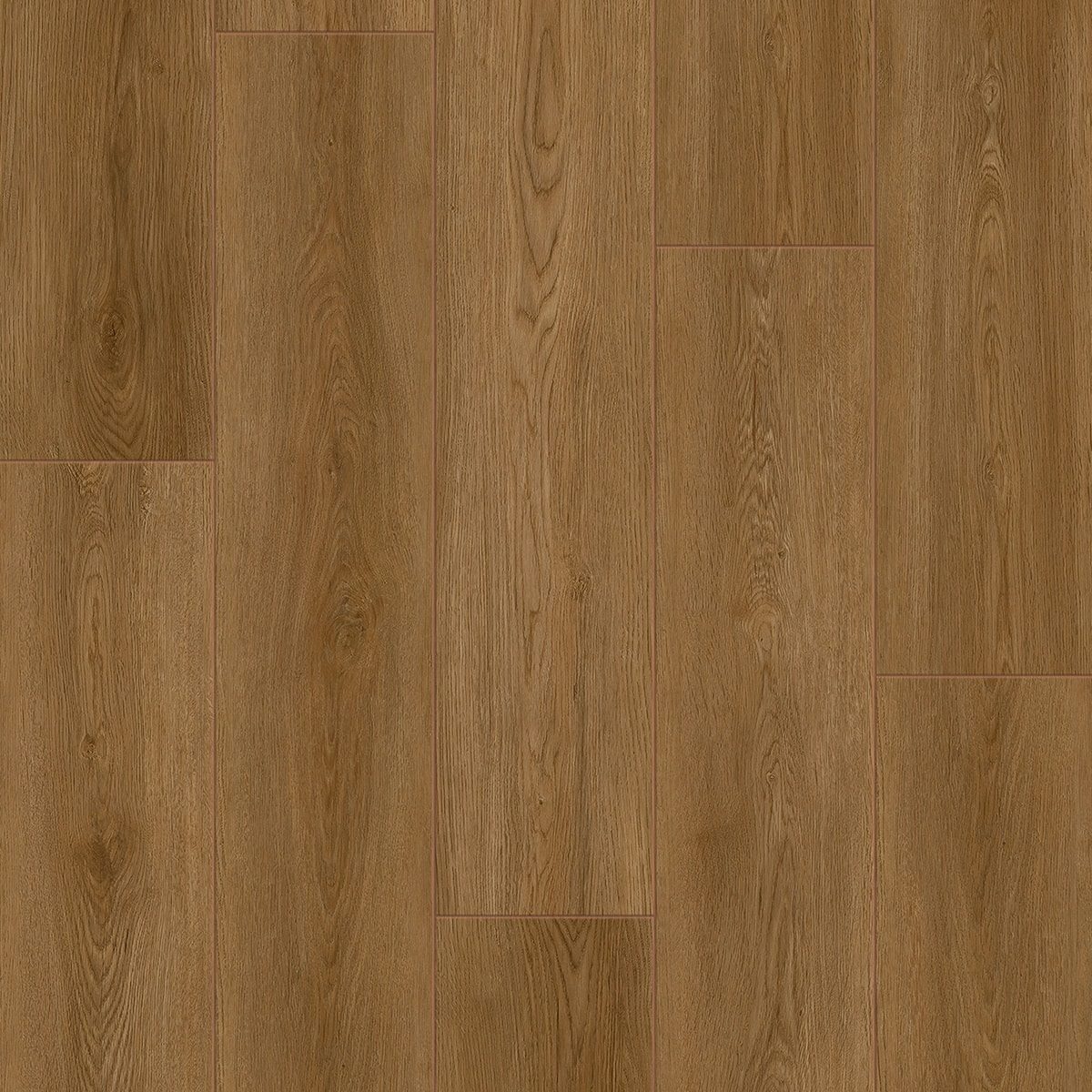
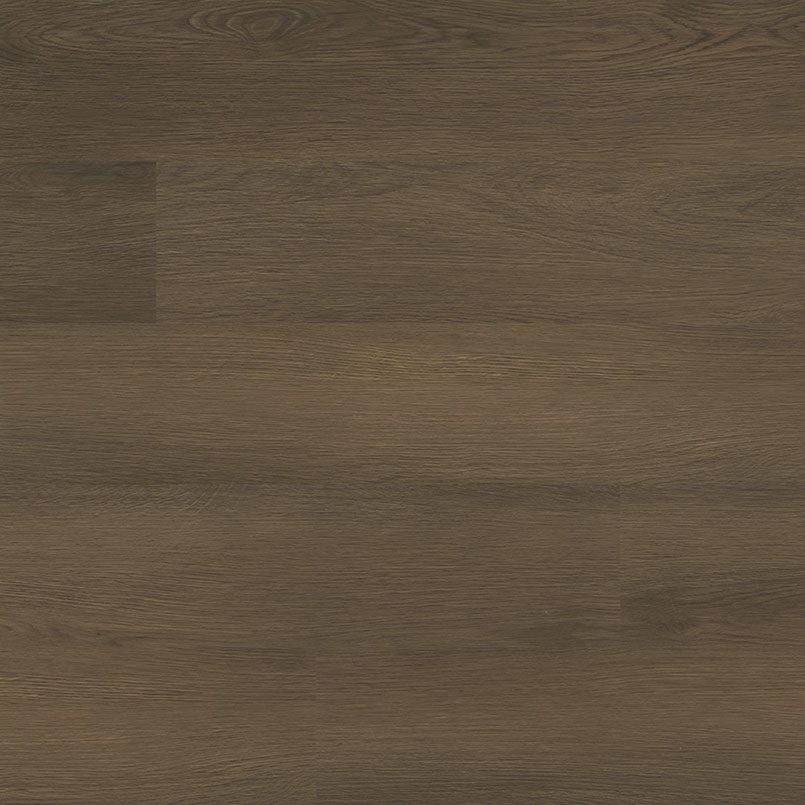
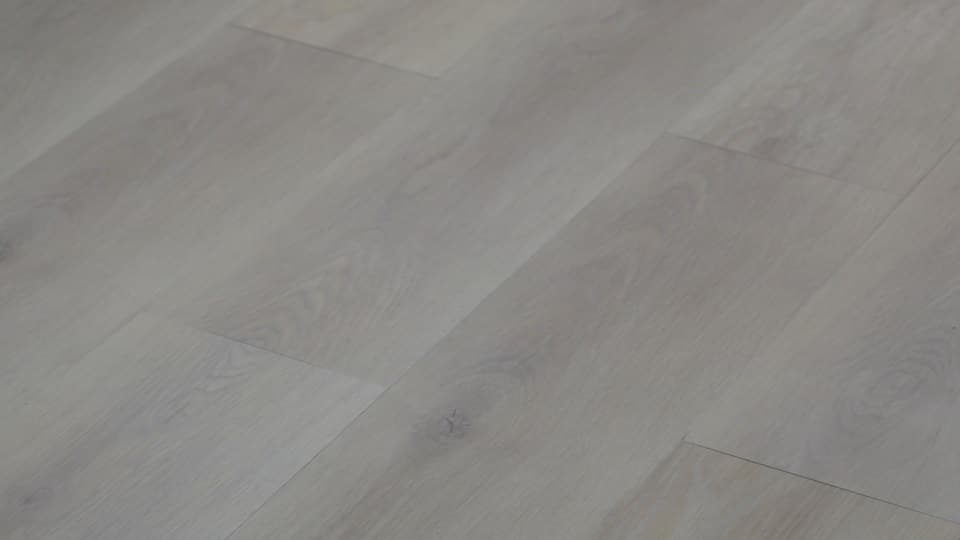
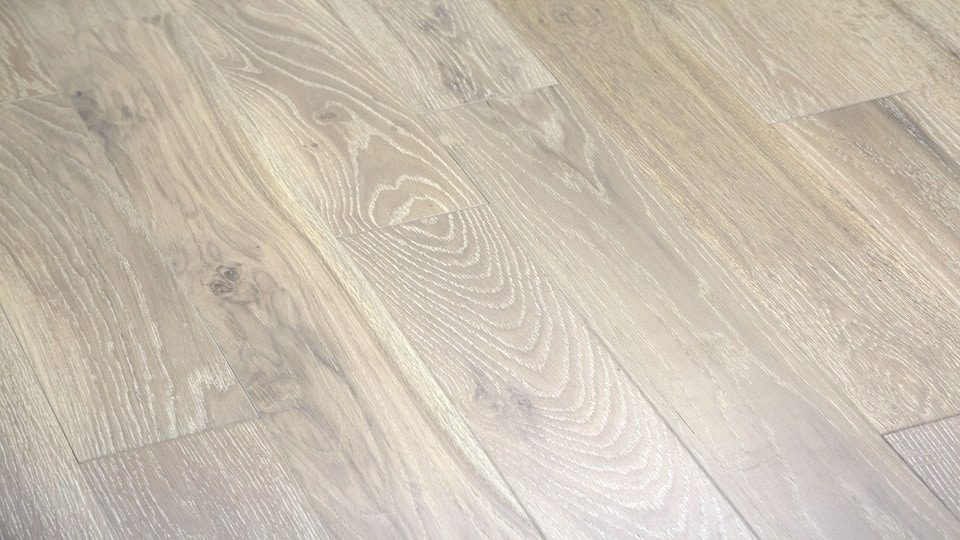


Examples from the current catalog in these material families; specifications on each product page are as listed by the manufacturer.
Related guides
All guides