
Herringbone and chevron wood flooring
This collection has 7 engineered herringbone and chevron floors from Compass Flooring, drawn from its Craftsman, Great Ocean, Galaxy and Oak Verse lines. Patterned wood suits prewar apartments, brownstone parlors and entry halls where you want a classic floor with movement, and it is a natural choice if you are replacing old parquet with something in the same spirit.
7 floors in the catalog · see them at 446 Avenue P, Brooklyn



Choosing herringbone and chevron wood flooring
What is the difference between herringbone and chevron?
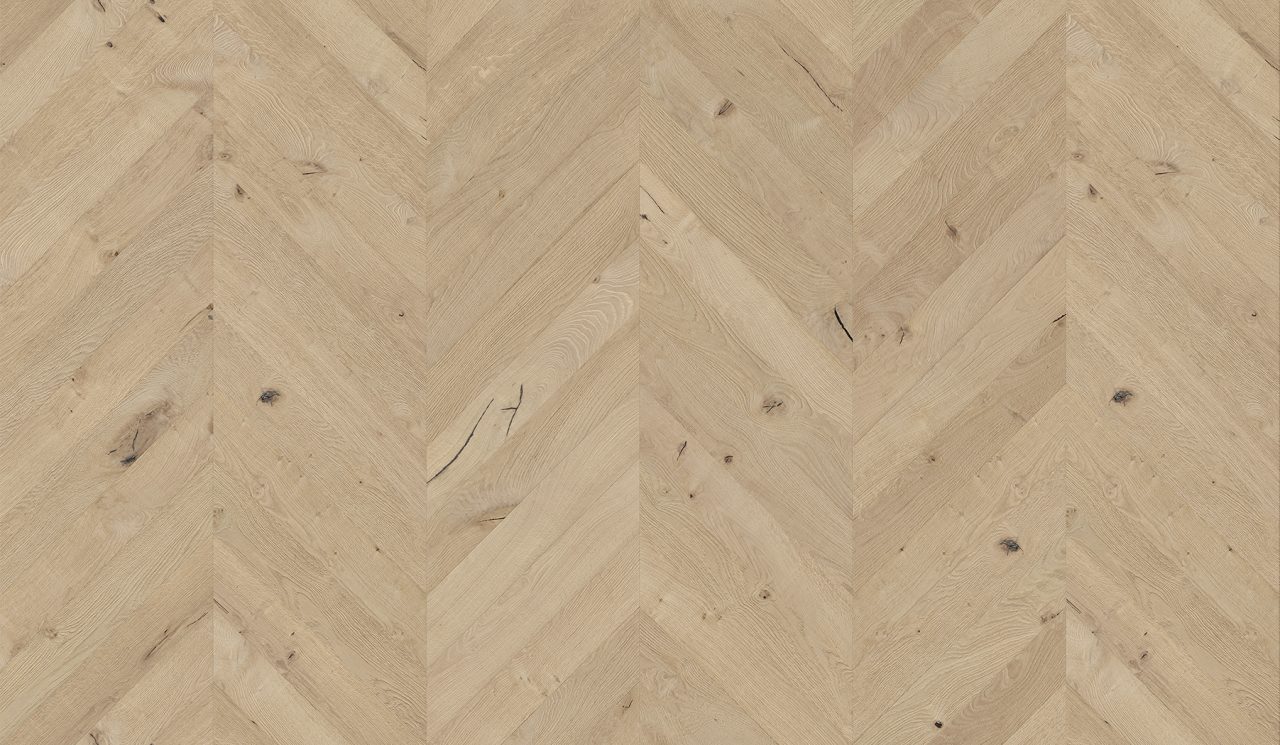
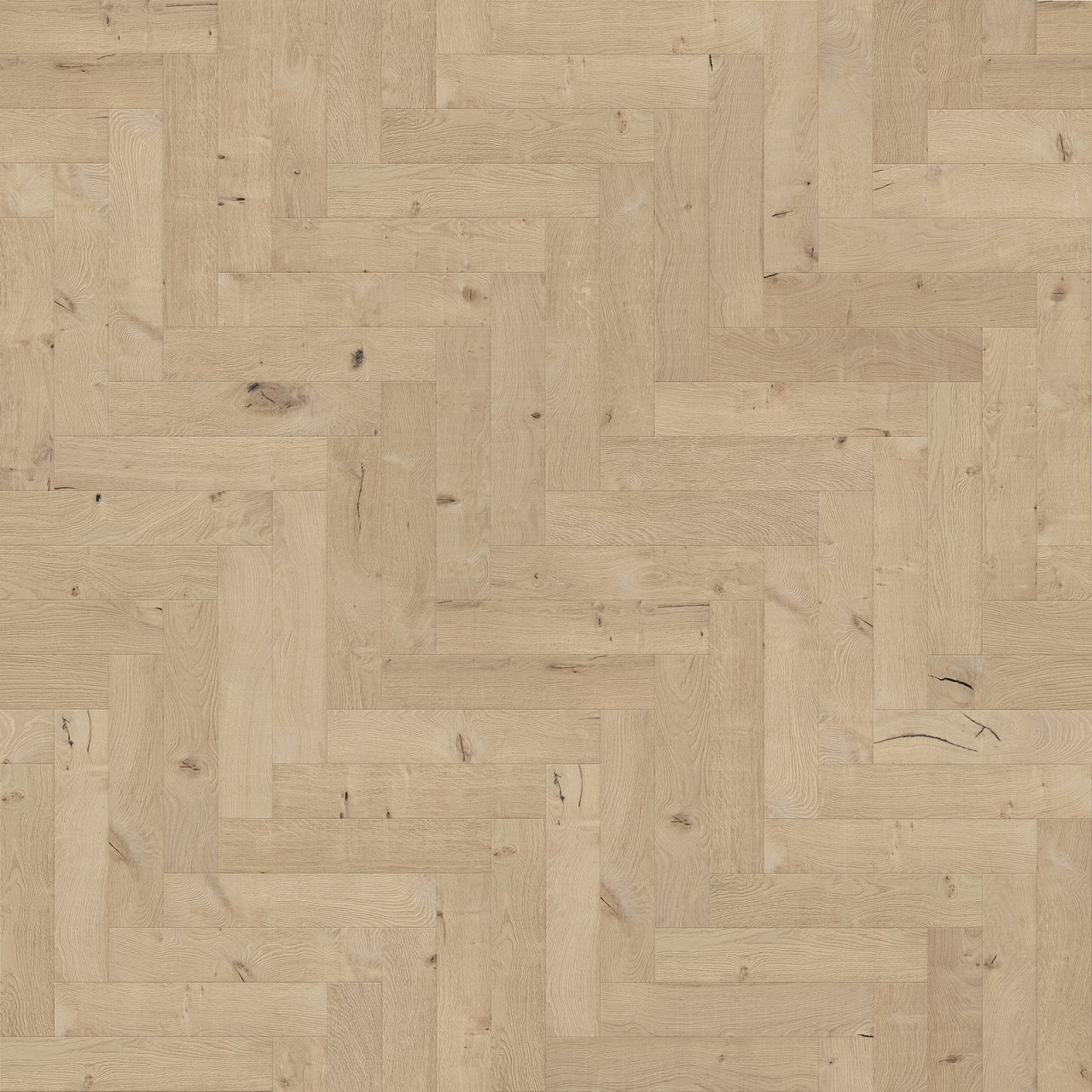
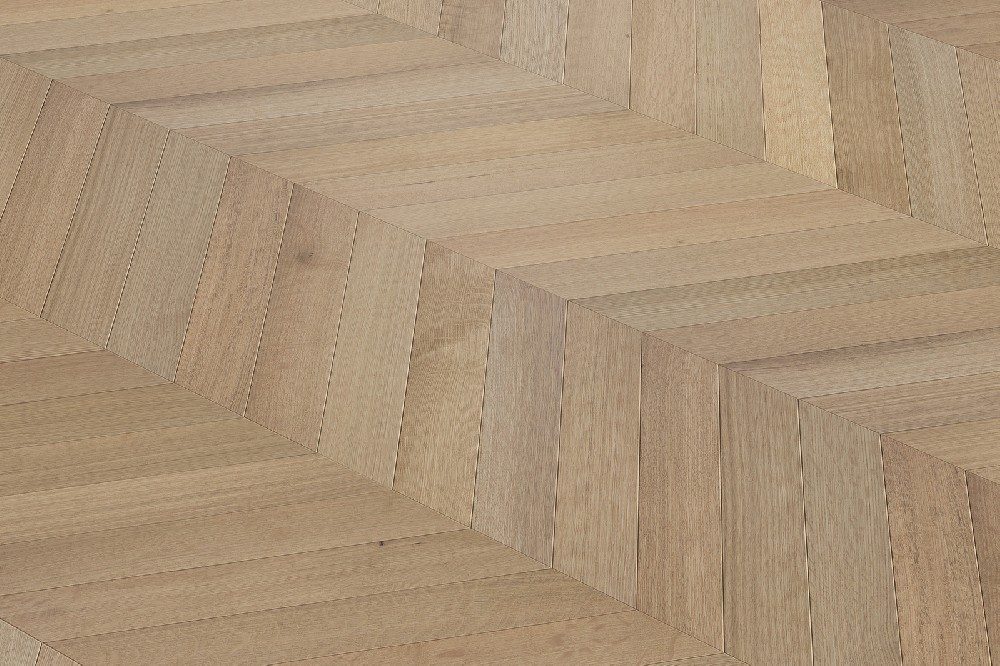
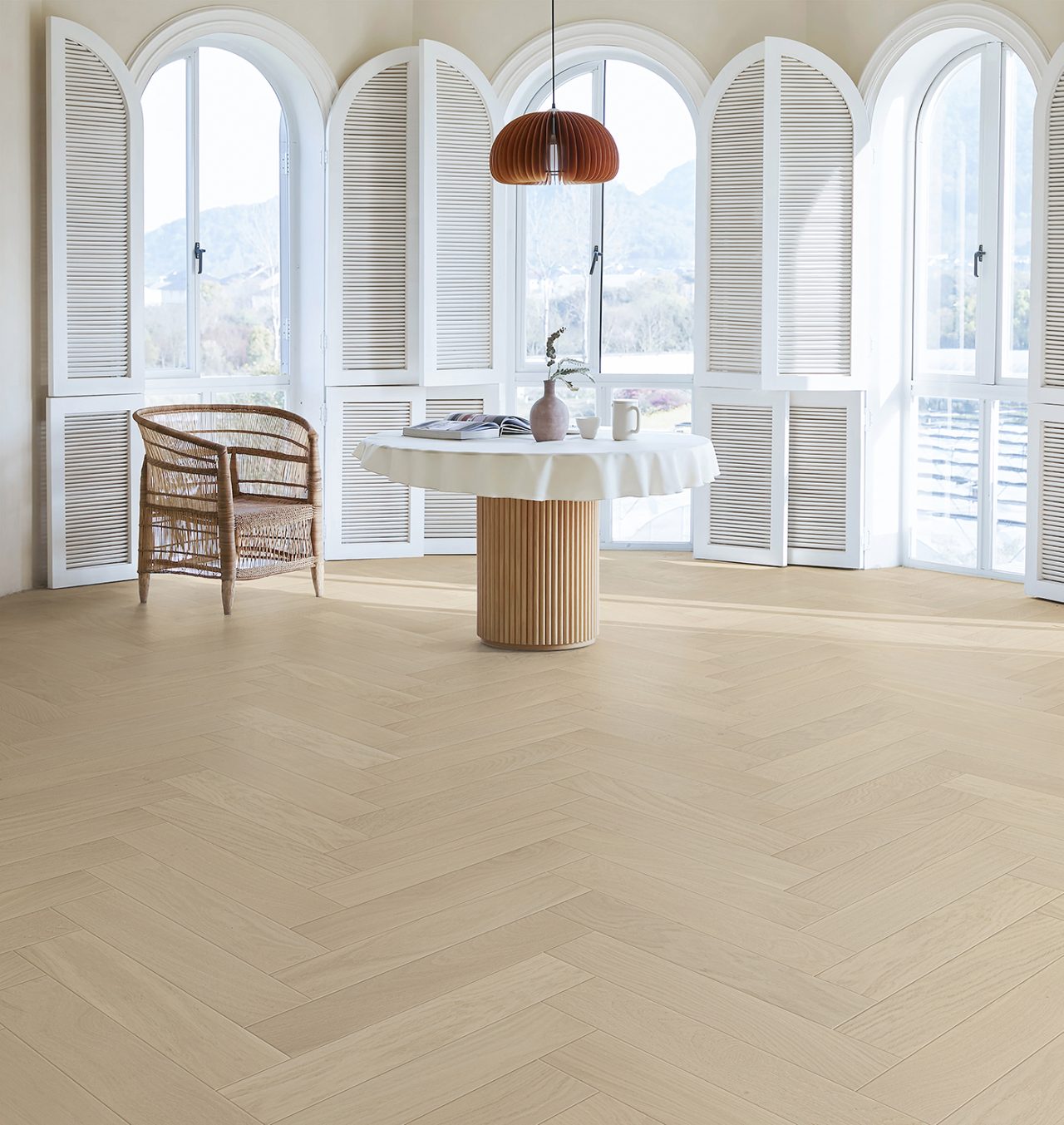
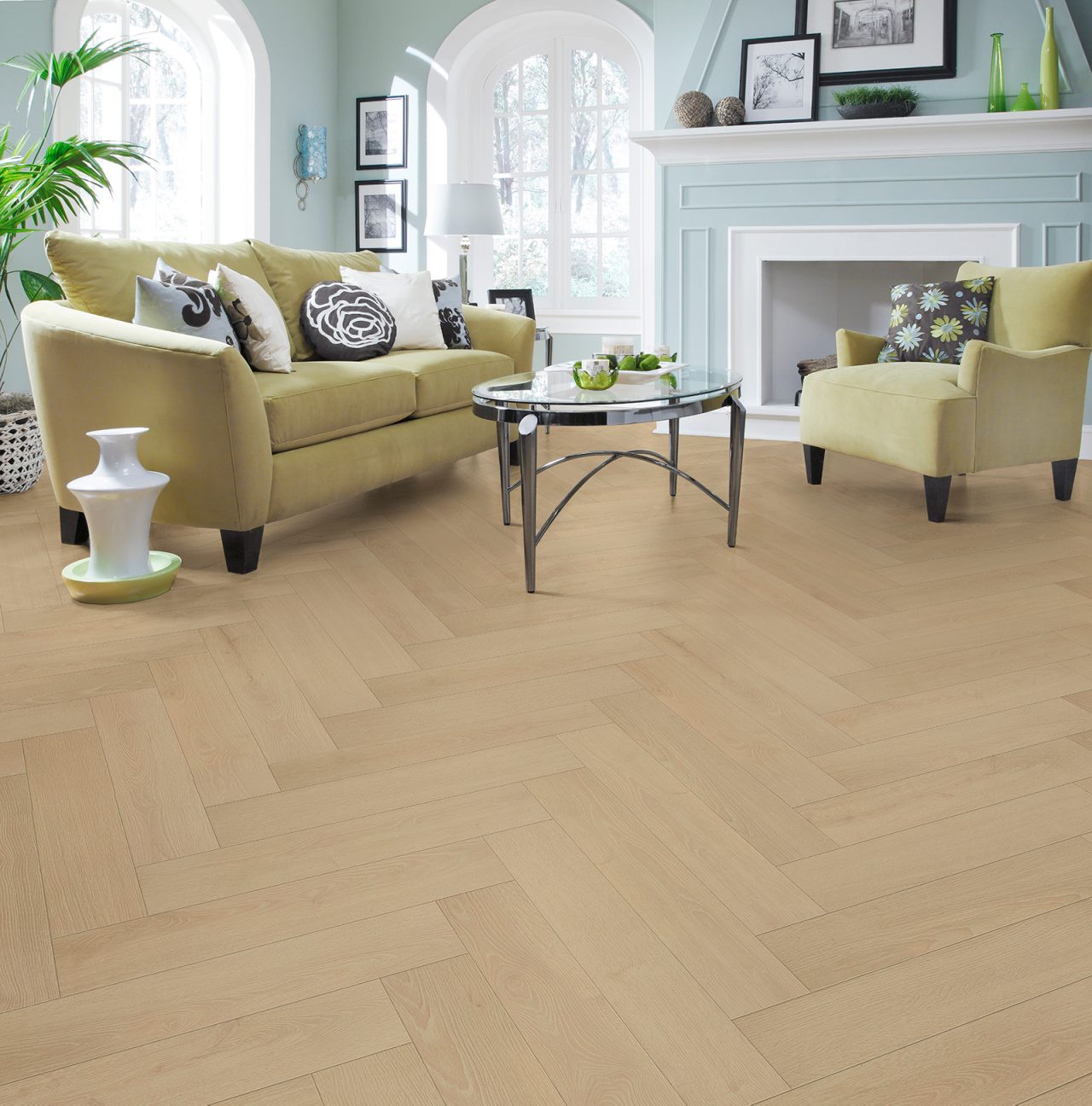
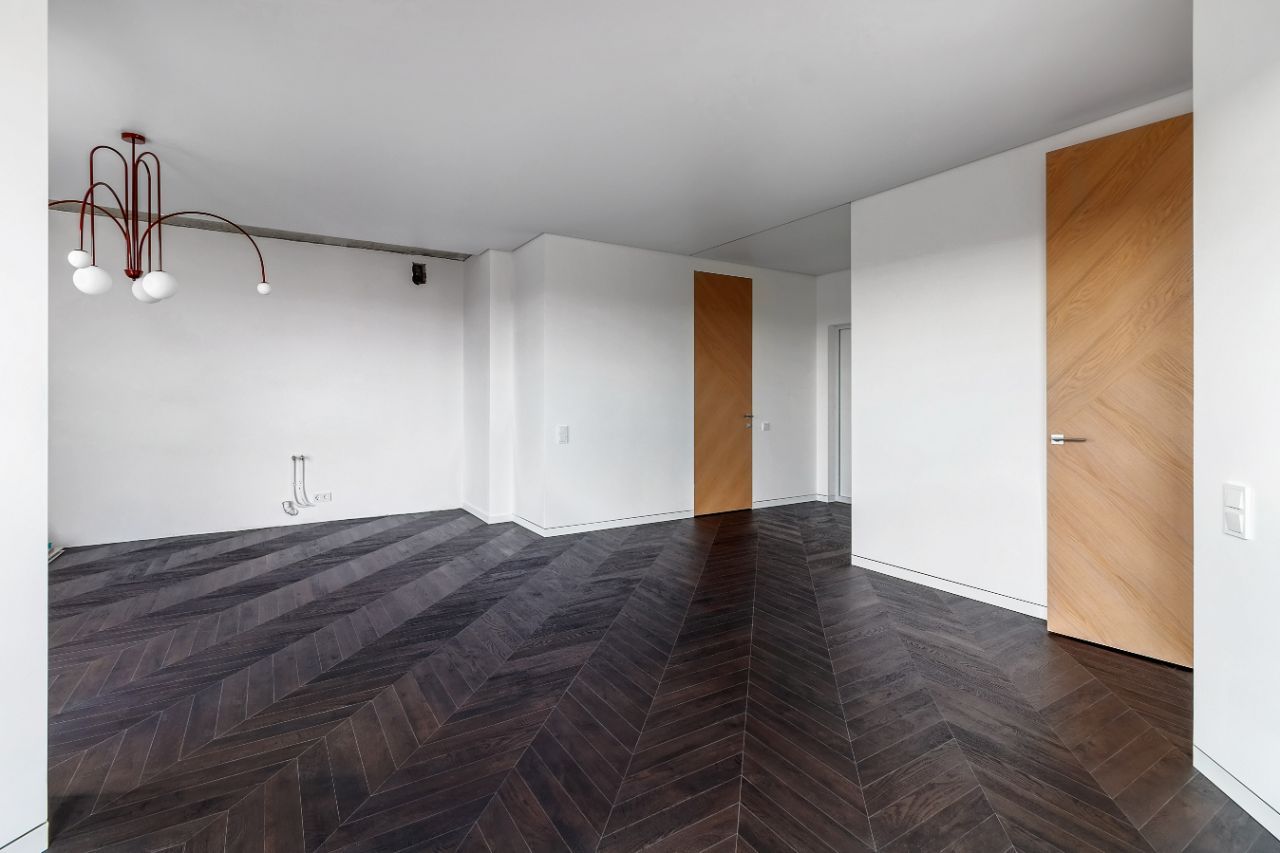
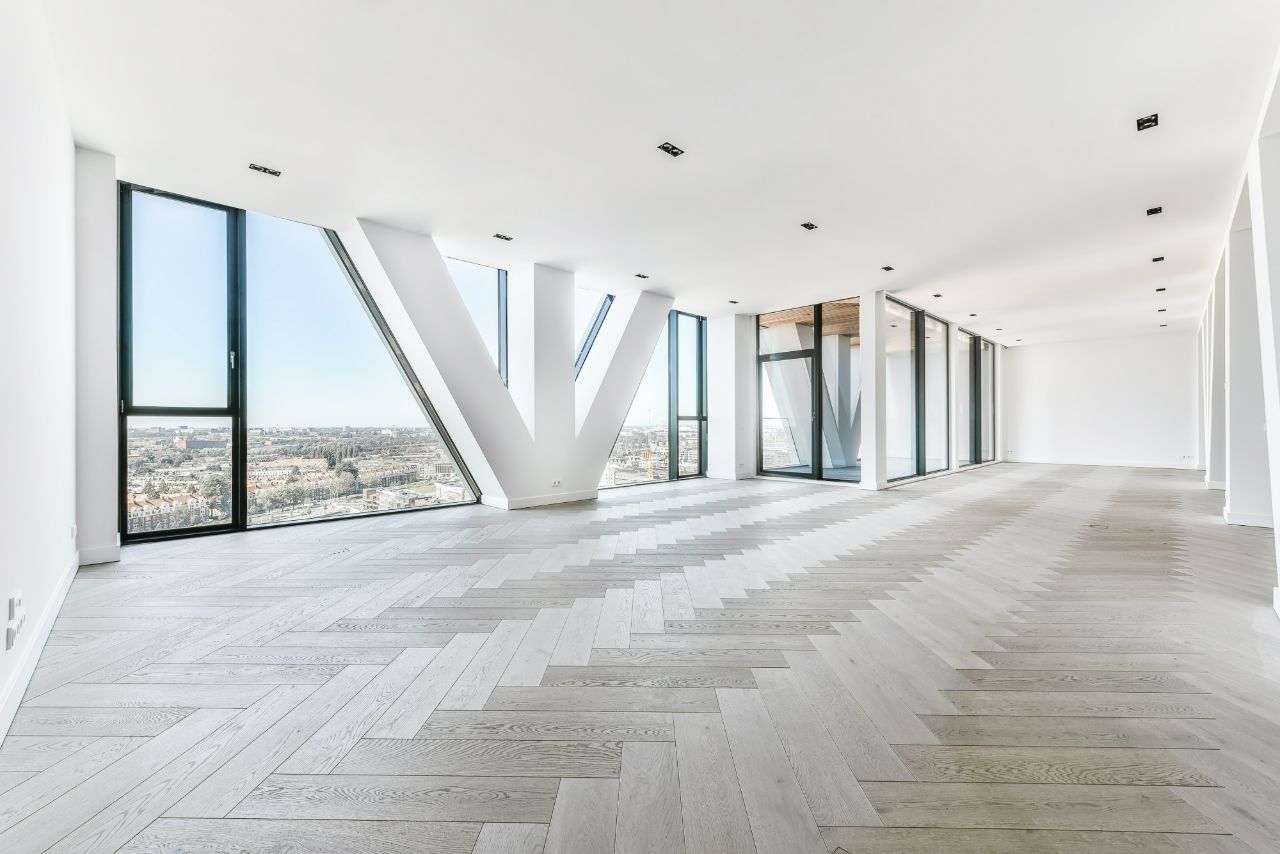
Both use short rectangular boards laid at an angle. In herringbone the boards have square ends and meet in a staggered zigzag, with the end of one board butting against the side of the next. In chevron the ends are cut at an angle so boards meet point to point, forming a continuous V. Herringbone reads more traditional and textured; chevron looks more graphic and formal. Our herringbone or chevron guide goes further.
Which rooms suit a patterned floor?
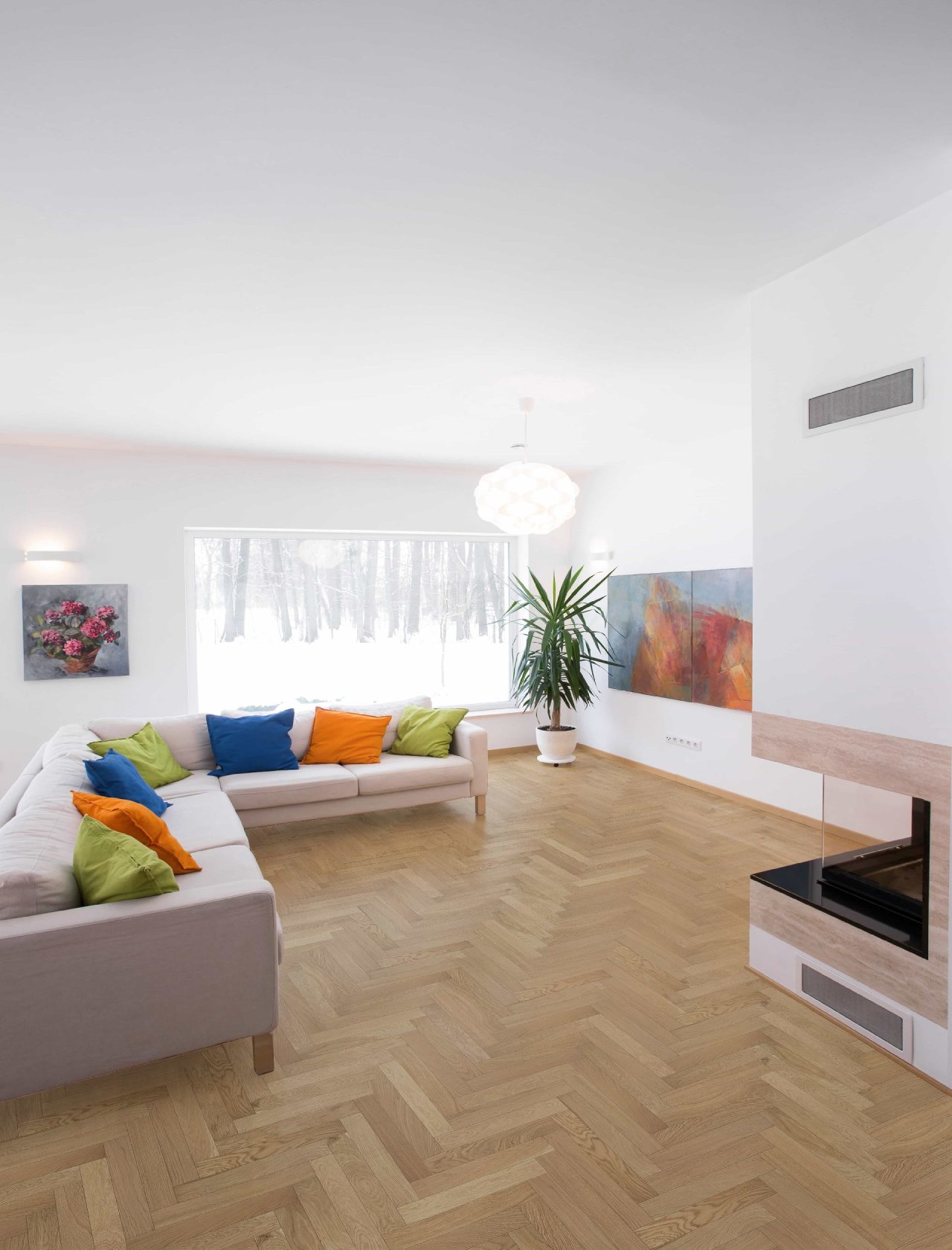
Patterns look best where you can see enough of them: living rooms, dining rooms, foyers and long hallways. In very small rooms, or rooms mostly covered by furniture and rugs, the pattern gets lost. In many prewar buildings a herringbone floor is a fitting successor to original parquet. If you still have parquet, read repair or replace first.
How is installation different from straight planks?
Pattern floors take more planning. The installer usually sets a centerline along the main view, often from the entry, and works out from it so the pattern lands evenly at both walls. Many pattern products come as left and right boards. There is more cutting at the edges, so you should order more overage than for a straight lay. Pattern floors are typically glued or nailed rather than floated, but follow each product's instructions.
Should you add a border?
A border of straight boards around the room can make edge cuts cleaner and frame the pattern. Where a herringbone room meets a straight-lay hallway, plan the threshold carefully. See floor transitions.
Does herringbone cost more to install than straight planks?
Pattern floors usually take more labor and more material because of layout time and extra cuts. Ask us for a quote with your room measurements and we will figure the material for your layout.
Does herringbone make a room look bigger or smaller?
The zigzag draws the eye along the length of the pattern, so running it down the longest view can make a room feel longer. A busy pattern in a small, crowded room can feel tighter.
Can herringbone go over a concrete slab?
Engineered herringbone can often be glued over a flat, dry slab. Check the specific product's instructions for adhesive, moisture limits and any underlayment your building requires.
Before you choose


Related collections
Don’t see what you’re looking for?
We carry far more than we can show online. Many of our lines, colors and widths never make it to the website. If you’re after a specific product, brand or finish, call (718) 252-6177 or email us a photo — we’ll tell you if we have it, or what comes closest.