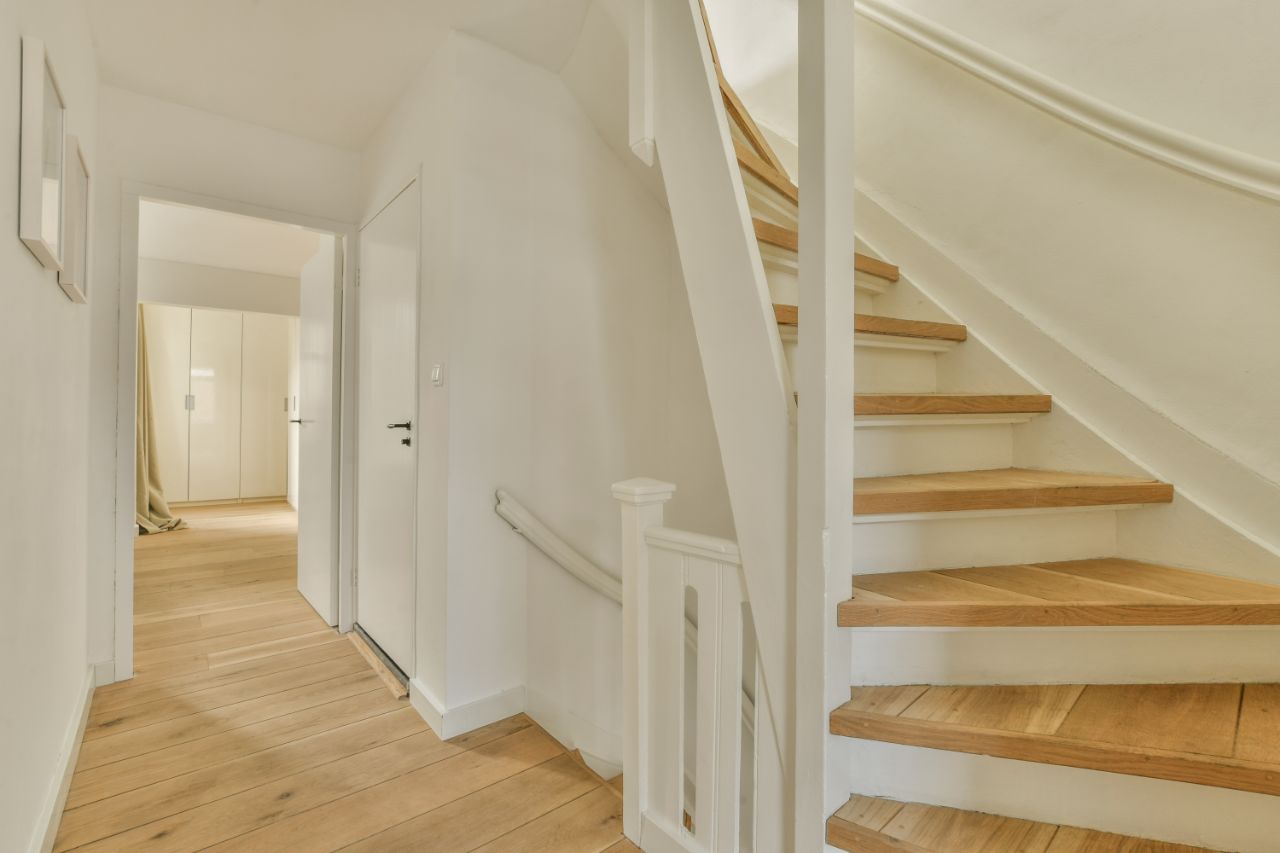
Planning your project
Stair treads and nosings with engineered wood or vinyl
Modern Wood Flooring team · Published October 16, 2026

To finish stairs with engineered wood or vinyl plank, you cover each tread with flooring or a matching tread and finish the front edge with a stair nose molding made for that product. Flooring on stairs is glued and fastened, never floated. Plan riser heights, nosing style and ordering before the main floor goes in.
Stairs are where the care in a flooring job shows. Every step is cut and fitted by hand, and every front edge takes heavy wear. This guide covers the parts of a stair, the main approaches for wood and vinyl, and what to sort out with your installer early.
What are stair treads, risers and nosings?
- Tread: the horizontal surface you step on.
- Riser: the vertical face between one tread and the next. Some stairs are open, with no riser.
- Nosing: the front edge of the tread, usually rounded, which often projects slightly past the riser below.
- Return: the finished end of a tread on an open side of the stair, where the nosing wraps around the side.
- Landing: the flat area at the top, bottom or a turn. It is usually treated as floor, with a flush nosing at its edge.
For stairs you need the flooring itself or ready-made treads, stair nose moldings, and something for the risers. Each is ordered separately from the main floor, so count the steps when you measure. Our guide on how much flooring to order covers the rest of the estimate.
Which stair nosing should you use?
Most flooring lines that offer stair trim make one or both of two styles. Availability and profiles vary by product, so check what is made for the floor you like before you commit to it.
| Flush stair nose | Overlap stair nose | |
|---|---|---|
| How it sits | Level with the flooring on the tread; the plank fits against it | Sits over the edge of the flooring and covers it |
| Look | Cleaner and closer to a solid tread | A slightly raised lip at the front of each step |
| Typical use | Glue-down or nail-down engineered wood and many glue-down vinyl floors | Landing edges of floating floors, where the floor needs room to move, and products that specify it |
| Fit | The flooring thickness has to match the molding profile | More forgiving of small thickness differences |
| On the stairs | Glued and fastened as the instructions require | Glued and fastened as the instructions require |
The nosing takes more wear and force than any other part of the stair. It has to be bonded and fastened exactly as the manufacturer says. A loose nosing is a safety problem, not only a cosmetic one.
How do you put engineered wood on stairs?
There are three common approaches. Which one fits depends on the condition of the existing stairs and how closely the stairs need to match the floor.
- Replace the treads. Old treads come out and new solid wood treads go in, then they are stained and finished on site. This gives the most solid result but is the most work, and it can disturb balusters set into the treads.
- Cap the existing treads. Thin cap or retrofit treads go over the old treads after the old nosing is cut back flush with the riser. This avoids demolition and is common when the stairs are sound but worn or were carpeted.
- Plank and nosing. Pieces of the engineered flooring are glued to each tread, with a matching stair nose at the front. This keeps the exact color and finish of a prefinished floor.
Prefinished engineered wood is hard to match with stained solid treads, because factory colors and finishes are difficult to reproduce on site. If a close match matters, ask whether the product has matching stair nose moldings, and compare a sample against any treads you are considering.
Can you put vinyl plank on stairs?
Yes, but not as a floating floor. Click vinyl plank that floats in a room has to be glued down on stairs, because a floating piece on a tread would shift under every step. Many manufacturers offer a stair nose molding made for their vinyl, and the instructions usually specify the adhesive and how the nosing is fastened.
- Prepare the treads. Remove carpet, pad, tack strips and staples, and fill or sand uneven spots. Old overhanging nosings are often cut back so the vinyl and molding sit correctly.
- Glue the plank to the tread. Cut pieces to fit tightly against the riser and the sides, then bond them with the adhesive the manufacturer specifies.
- Fit the stair nose. Glue and fasten it as the instructions require. The joint between plank and nosing should be tight, with no rocking.
- Cover the risers. Use a strip of the same plank, a painted riser or a riser board, depending on the look you want.
Some vinyl lines sell one-piece stair treads that wrap the nosing. They save cutting time but are not made for every color. Ask us which stair options exist for a specific vinyl plank before you choose it for a home with stairs.
Why does the height of each step matter?
New flooring changes the height of treads, landings and floors, and the first and last steps are where problems show. If every tread gets the same build-up, the risers in the middle of the flight stay about the same. The bottom riser changes if the floor below gets a different thickness than the treads. The top riser changes if the landing does.
Building codes limit how much riser heights can vary within a flight, because a step that is a little higher or lower than the rest is a common cause of trips. The fix is to plan the build-up before installation. Your installer can measure each riser, add up the thickness of flooring, underlayment and any cap tread, and work out whether the first or top step needs adjusting.
Ask your contractor to check riser heights against the building code that applies to your home before the floor goes in. Changing a stair after the main floor is finished is harder.
How do you measure stairs for new flooring?
- Count the treads and landings, and note any winders (wedge-shaped steps at a turn) or a rounded starter step.
- Measure each tread's width and depth, including the nosing. Old stairs are rarely identical from step to step.
- Measure each riser's height and width.
- Note open sides that need returns, and whether balusters sit on the treads.
- Photograph the top and bottom of the stair where it meets the floor.
Bring the measurements and photos when you come in for samples. They make it easier to tell whether a product has the trim you need and how many moldings to order.
Brooklyn stairs: what should you look out for?
- Brownstone and row house staircases often have original treads with balusters set into them. Removing those treads can mean resetting balusters, so capping or refinishing may be the better route.
- Many two-family and detached houses in south Brooklyn have carpeted stairs with plain plywood or softwood treads underneath that were never meant to be seen. Those usually need caps or new treads, not just refinishing.
- Common stairs in apartment buildings and walk-ups belong to the building. Changes there are the owner's decision and may be covered by building rules.
- Duplex apartments in co-ops and condos may need board or management approval for stair work, and some buildings require runners for sound. See our guide to co-op and condo flooring rules.
- Older stairs may have lead paint on risers, stringers and balusters. Have it tested before sanding or scraping.
If you are planning a new floor and stairs together, see floating, glue-down and nail-down installation for how the main floor will go in. We work with homeowners and contractors across south Brooklyn, including Sheepshead Bay. When you have a count of steps and a floor in mind, ask us for a quote on materials.
Common questions
Can you float vinyl plank on stairs?
No. Floating floors have to be glued down on stairs, with a stair nose molding bonded and fastened at the front of each tread. Follow the product's instructions for adhesive and fasteners.
Do I need a stair nose molding?
Usually, yes. Most engineered and vinyl plank floors are not made to wrap a tread edge, so a matching stair nose finishes and protects the front of each step. Some vinyl lines offer one-piece treads instead.
Can I put new flooring over carpeted stairs?
Not over the carpet itself. Carpet, pad, tack strips and staples come off first, and the treads underneath are repaired, capped or replaced.
Should the stairs match the floor exactly?
Many people want a close match, and using the same product with its matching nosing is the simplest way to get one. Contrasting treads with painted risers are also a common choice in older homes.
Who installs stair treads and nosings?
Your flooring installer or a carpenter. Stairs take far more time per square foot than open floor, so mention them when you ask for installation quotes. We can work with your contractor or a trusted installer.
Floors this guide covers
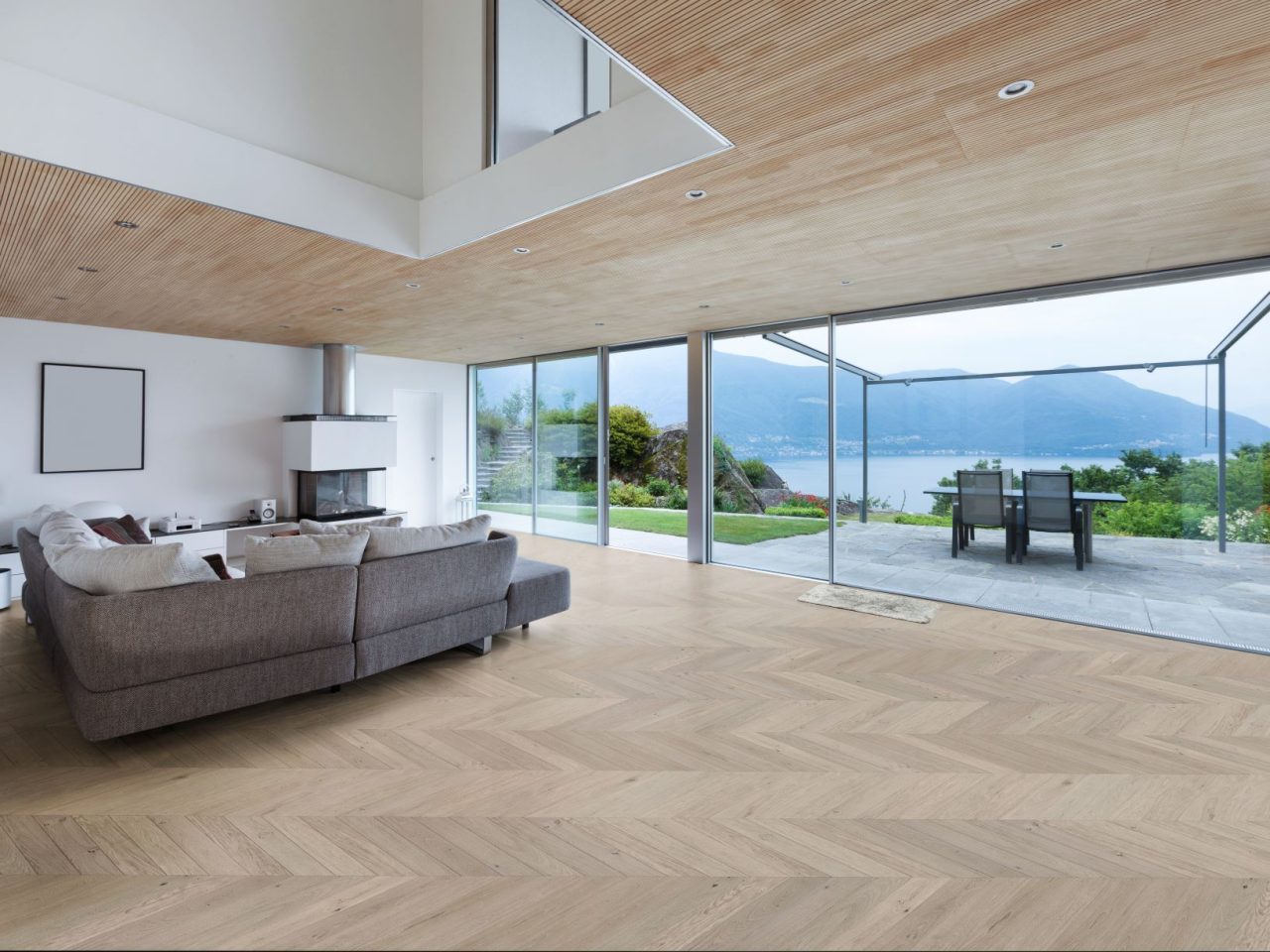
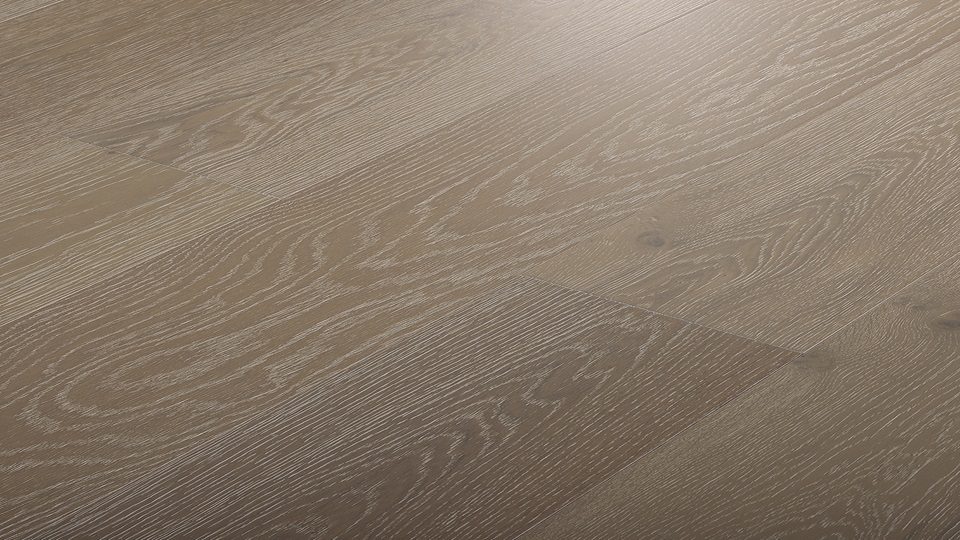
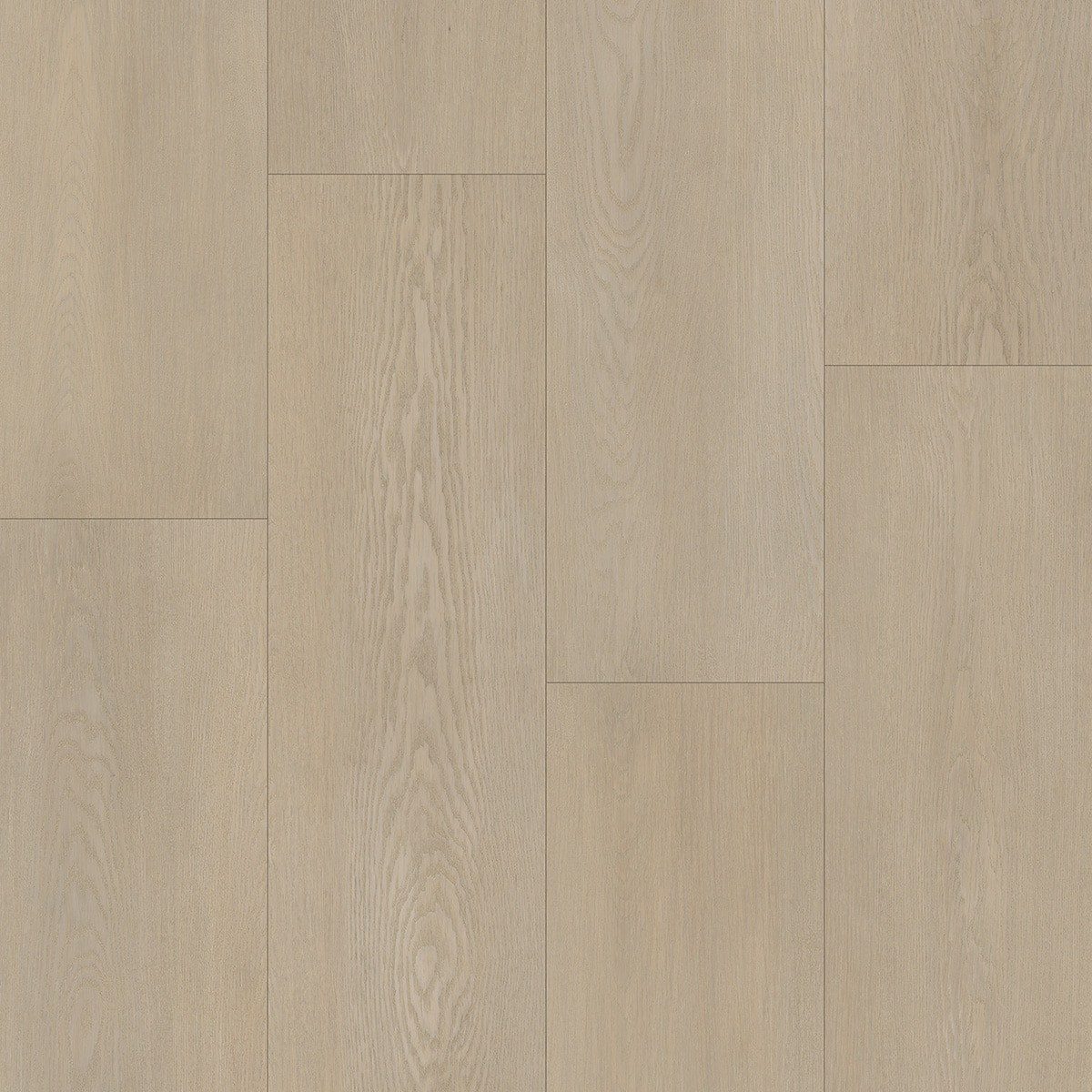
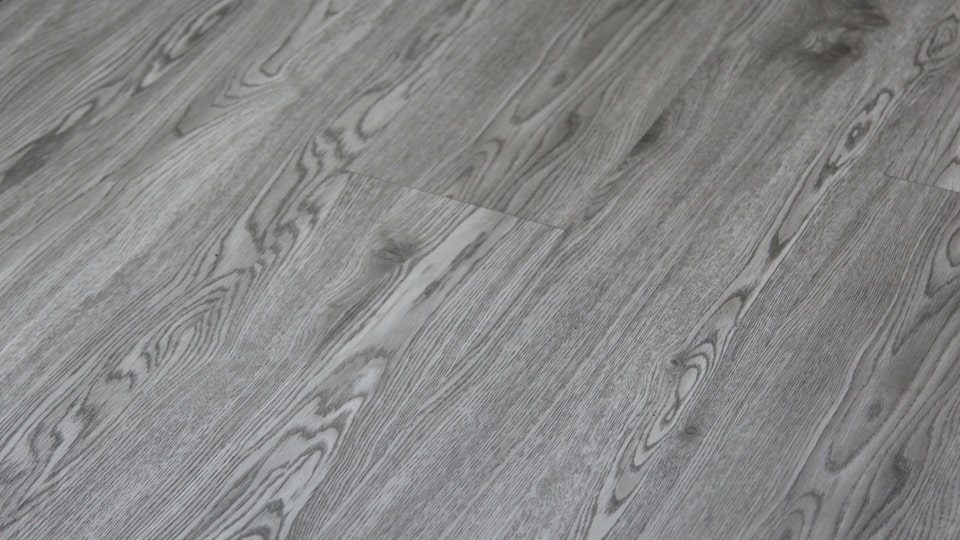


Examples from the current catalog in these material families; specifications on each product page are as listed by the manufacturer.
Related guides
All guides