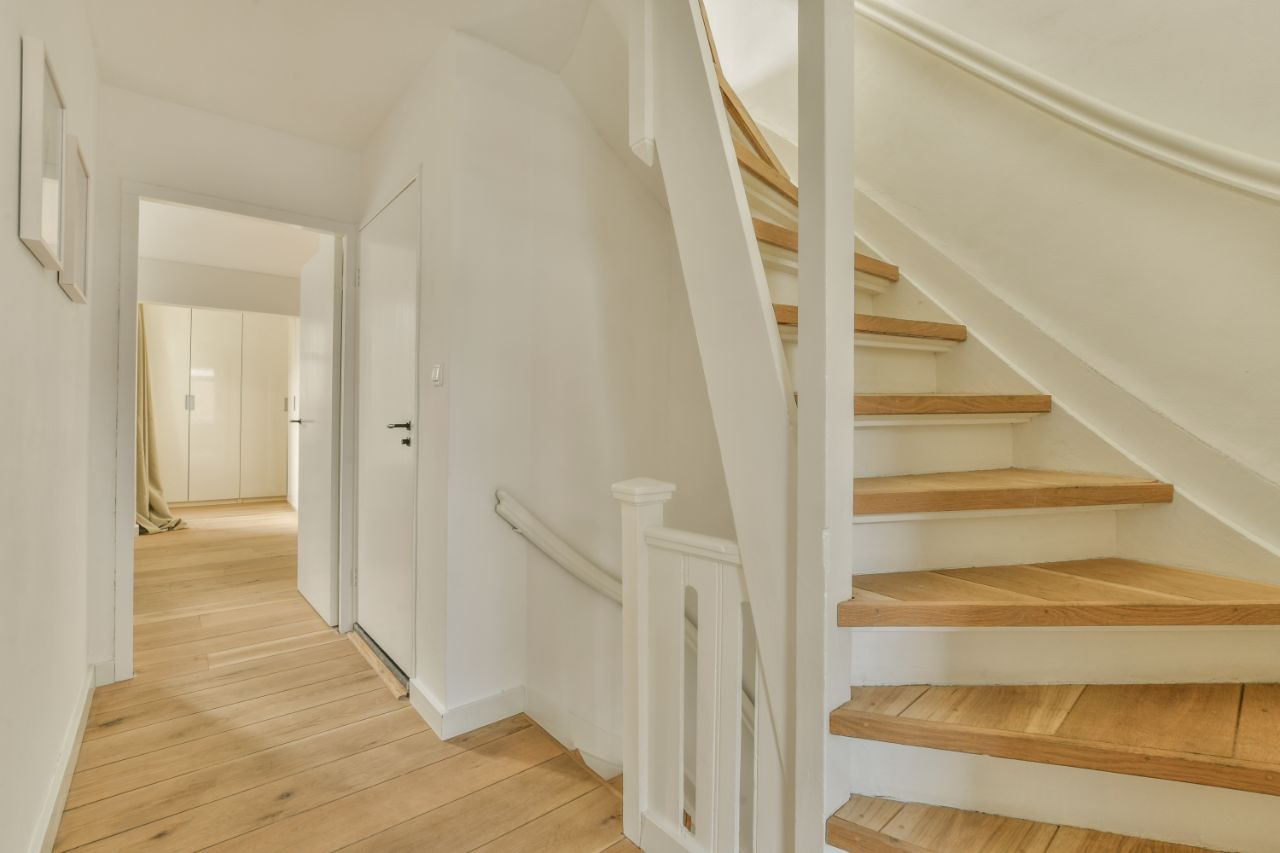
Planning your project
Doing floors before you move in
Modern Wood Flooring team · Published November 23, 2026

The best time to replace floors is before you move in, while the rooms are empty. Do messy work like demolition, wiring and drywall first, then the floor, then the final coat of paint and the furniture. Leave room in the schedule for building approvals, acclimation and finish curing, so the floor is not rushed.
An empty home is the easiest place to install flooring. There is nothing to move, nothing to protect and nobody living around the work. The catch is timing. Closings, lease dates and moving trucks rarely line up neatly with a flooring schedule, so it helps to know what has to happen, and in what order, before you book anything.
Why do floors before you move in?
- Empty rooms are faster to install. The installer can work wall to wall without shifting furniture from room to room.
- There is less dust on your belongings. Removing an old floor or sanding a site-finished one creates dust that settles everywhere.
- You avoid living through the smell and the wait. Some finishes and adhesives need time before the room is used normally.
- Under-cabinet and closet areas are easier to reach, so the floor can run where you want it.
- It is one less job to schedule around your family, pets and work once you live there.
How much time should you allow?
It depends on the material, the size of the home and the condition of the subfloor, so ask your installer for a schedule based on your rooms. The steps below are the ones that usually take time, and several of them happen before anyone lays a plank.
| Step | What happens | What affects the time |
|---|---|---|
| Choosing and ordering | Samples, final selection, quote and order | Whether the floor is in stock; ask us rather than assume |
| Building approval | Alteration agreement or board sign-off in many co-ops and condos | Your building's process and its review schedule |
| Removal and subfloor prep | Old floor comes up, subfloor is checked, leveled or repaired | What is found under the old floor |
| Acclimation | Wood sits in the conditioned home before installation, if the product calls for it | The manufacturer's instructions for that product |
| Installation | Floor goes down, then trim and transitions | Room count, layout, pattern and installation method |
| Finish and cure | Site-finished floors are sanded and coated; adhesives set | Finish type and the manufacturer's cure times |
Prefinished engineered wood and vinyl plank usually skip the sanding and coating step, which is one reason people choose them when the move-in date is close. Our guide to preparing for an installation covers subfloor checks, moisture testing and acclimation in more detail.
Cure times for finishes and adhesives vary by product. Follow the manufacturer's instructions for when you can walk on the floor, put furniture back and lay rugs, even if that means moving in a few days later.
What is the right order of trades?
The general rule is that the floor goes in after the work that could damage it, and before the work it would get in the way of. For most apartments and houses, a sensible order looks like this:
- Demolition and removal of old finishes, including the old floor if it is coming out.
- Rough work inside walls and ceilings: electrical, plumbing, heating and any window work.
- Drywall, plaster repair and other wet work, given time to dry fully, because they add moisture to the air.
- Primer and the first coats of paint on walls and ceilings.
- Flooring, including underlayment, transitions and stair parts.
- Baseboards and shoe molding, then final paint coats and touch-ups.
- Fixtures, appliances, furniture and rugs.
Kitchens are the main exception to plan for. Some installers run the floor under the cabinets and some stop at the cabinet base, and floating floors usually should not be pinned down under heavy cabinets or islands. Decide this with your kitchen installer and flooring installer together, and check the product's installation instructions before either one starts.
Should you paint before or after the new floor?
Most of the time, paint first and finish last. Priming and putting the main coats on walls and ceilings before the floor goes in means drips and ladder marks land on the old floor or on drop cloths, not on the new one. Once the floor, baseboards and trim are in, the painter comes back for the final coat and touch-ups, with the new floor fully covered.
If you are refinishing an existing wood floor rather than replacing it, the order can change. Sanding is dusty and can scuff the bottom of freshly painted walls, so many people do the main painting, then sanding and coating, then a final paint touch-up. Ask your floor finisher what they prefer.
What should you know about NYC buildings before you schedule?
Apartment buildings add steps that houses usually do not. Plan for them early, because they are the parts you cannot speed up.
- Many co-ops and condos require an alteration agreement or board approval before any flooring work, often with product specifications and sound ratings. Our guide to co-op and condo flooring rules explains what boards commonly ask for.
- Some buildings limit work to weekdays and set hours, which shortens the working week.
- Freight elevators often have to be booked for deliveries and debris removal, sometimes days ahead.
- Many buildings ask for a certificate of insurance from your installer before work starts.
- In a walk-up, every carton is carried, so plan delivery and help in advance.
In south Brooklyn houses and row houses, the questions are different: the condition of the joists and subfloor, any change in level between rooms, and whether a basement is involved. Those are easier to deal with when the rooms are empty.
How do you protect the new floor until you move in?
A floor that goes in before the other trades finish needs protection, and so does a floor that has to survive moving day.
- Cover the finished floor with a breathable floor protection board or paper made for the purpose, and tape it to itself rather than to the finish.
- Do not use plastic sheeting directly on a new wood floor for long periods, because it can trap moisture.
- Put felt pads on furniture legs before anything is set down.
- Ask movers to use dollies on protected paths and to carry, not drag, heavy pieces.
- Keep the heat and air conditioning running in an empty home so humidity stays steady while the floor settles in.
Keep the leftovers
Keep a few unopened cartons from the same lot, plus the product name and installation date. If a plank is damaged later, matching it is much easier with spare boards on hand. Our guide on how much flooring to order explains how to plan that overage, and transitions and thresholds covers the trim that finishes doorways.
What if the dates do not line up?
If you cannot finish everything before the move, choose which rooms matter most and do those first. Bedrooms and living areas you can close off are easier to do later than a kitchen or a main hallway that everyone walks through. A floating floor or a prefinished product can shorten the time a room is out of use. If you would like to talk through materials and timing, call us at (718) 252-6177 or visit the showroom with your room sizes.
Common questions
Should flooring go in before or after painting?
Usually after the primer and main paint coats, and before the final coat and touch-ups. That keeps paint off the new floor and lets the painter finish around the new baseboards.
How long before move-in should new floors be installed?
It depends on the product, building approvals, subfloor work and any finish cure time. Ask your installer for a schedule and build in a buffer rather than booking the movers for the day the floor is finished.
Do floors go in before or after kitchen cabinets?
It varies. Some installers run flooring under the cabinets and some stop at the cabinet base. Floating floors generally should not be pinned under heavy cabinets, so check the product's installation instructions.
Can I move furniture onto a new floor right away?
Not always. Site-finished floors and some glue-down installations need time to cure. Follow the manufacturer's instructions and use felt pads on every furniture leg.
Do I need building approval to replace floors in a co-op?
Many co-ops and condos require an alteration agreement or board approval before flooring work, and some set sound-control requirements. Check with your managing agent before you order.
Floors this guide covers
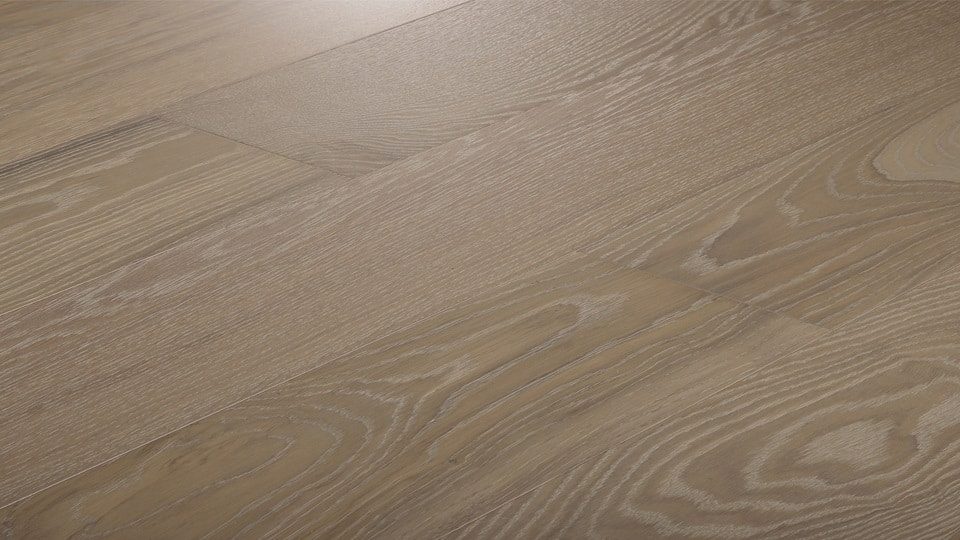
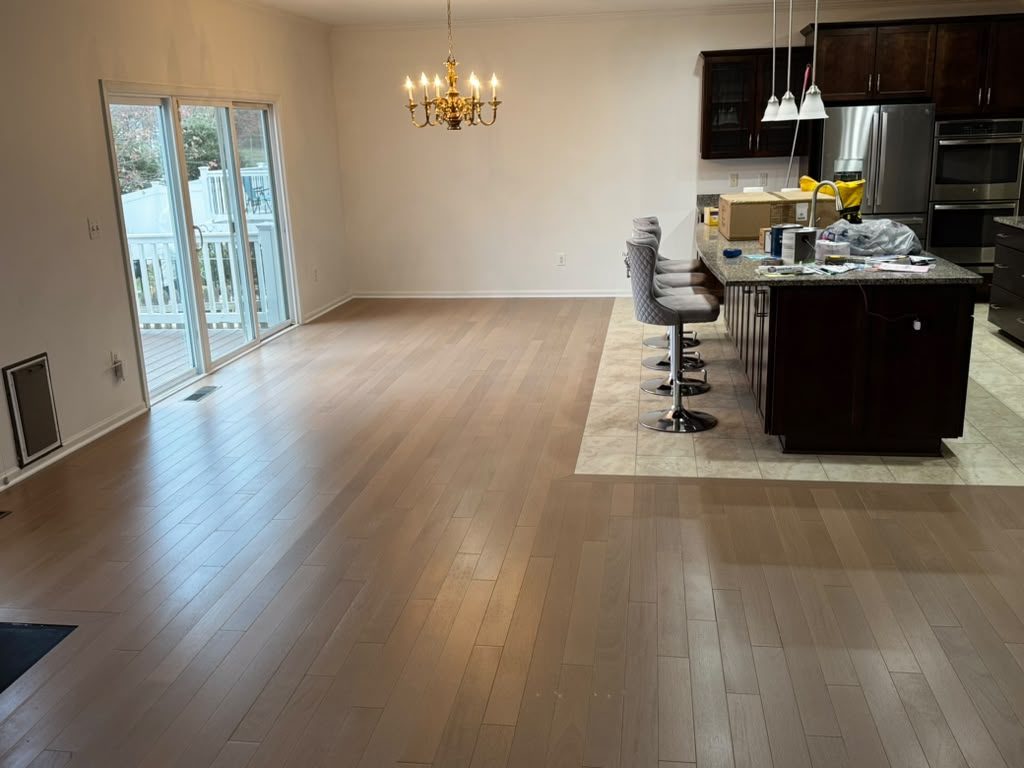

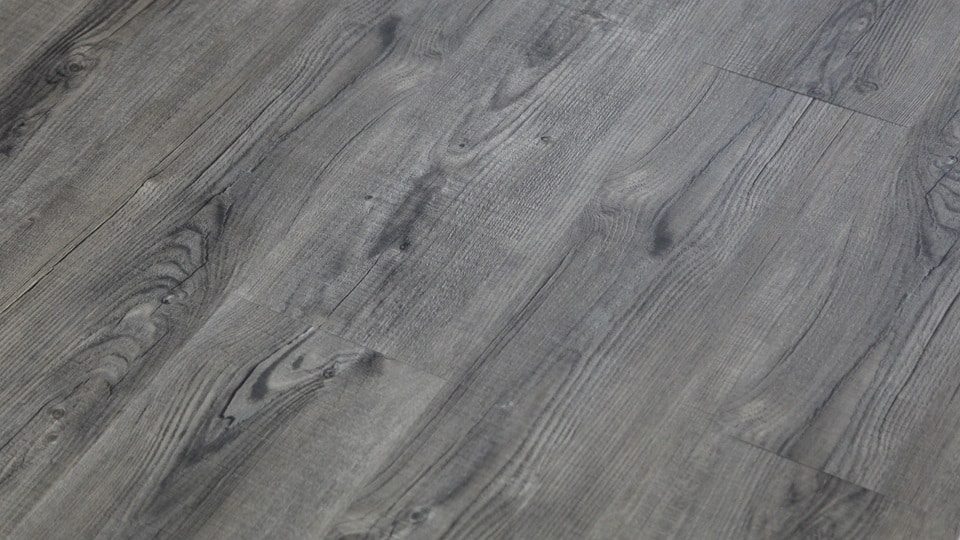


Examples from the current catalog in these material families; specifications on each product page are as listed by the manufacturer.
Related guides
All guides