Choosing flooring
Hand-scraped, wire-brushed or smooth floors?
Modern Wood Flooring team · Published November 16, 2026

For most busy homes, a wire-brushed floor is the easiest texture to live with. It hides everyday scratches well, still looks refined, and cleans almost like a smooth floor. Hand-scraped suits rustic and traditional rooms. Smooth gives the cleanest, most formal look but shows wear sooner. In vinyl, embossed surfaces play the same role.
Texture is one of the easiest things to overlook when you choose a floor, because samples are usually judged by color. But the surface changes how the floor catches light, how it feels underfoot and how it ages. Here is how the common options compare.
What is the difference between hand-scraped and wire-brushed flooring?
Both are ways of giving a wood floor a surface that is not perfectly flat. The difference is scale.
- Wire-brushed: a stiff brush removes some of the softer wood between the harder grain lines. The result is a fine, raised grain you can feel with your fingertips, while the board still looks flat from standing height.
- Hand-scraped: the surface is shaped with broad, shallow scoops and ripples, either by hand or by machines made to look like handwork. The variation is visible from across the room.
- Distressed: a broader term for floors made to look aged. It can include scraping, small knocks, saw marks, filled knots and color variation. Every brand uses the word a little differently.
- Smooth: sanded flat and finished, with no added texture. This is the classic look of a site-finished hardwood floor.
On our product pages you will see these labels in the texture filter. Treat them as a starting point. One brand's light wire brushing can be barely noticeable, while another's is deep, so it is worth seeing a sample in person.
How do the textures compare?
| Texture | Look | Hides scratches and dents | Cleaning | Best suited to |
|---|---|---|---|---|
| Smooth | Clean, formal, uniform | Least; fine scratches show, especially with a glossy sheen | Easiest | Formal rooms, contemporary interiors, lower-traffic spaces |
| Wire-brushed | Natural grain you can feel, subtle from a distance | Good; the grain texture breaks up fine scratches | Easy; a microfiber mop handles it | Most homes, families, pets, apartments and rentals |
| Hand-scraped | Rustic, visibly uneven, handcrafted | Very good; new marks blend into the existing texture | Dust can settle in the low spots, so vacuum rather than only sweeping | Traditional and rustic rooms, wide planks, country styles |
| Distressed | Aged, with deliberate knocks and marks | Very good | Similar to hand-scraped | Rooms where a lived-in look is the goal |
Does textured flooring hide scratches better?
Yes, in most cases. A scratch is noticeable on a smooth floor because it interrupts a flat, even reflection. On a textured floor, the light is already broken up by the grain or scraping, so a new scratch has less to stand out against. Small dents from dropped objects also tend to read as part of the character of a hand-scraped or distressed floor.
Texture works best together with a low sheen and a mid-tone color. A matte, wire-brushed oak in a natural or light brown tone is one of the most forgiving combinations you can choose. A smooth, high-gloss, very dark floor is one of the least. Our guide to matte, satin and gloss sheens explains why sheen matters so much.
Texture hides wear; it does not prevent it. Felt pads, doormats and rugs in busy spots still do most of the work of keeping any floor looking good.
Which wood species take wire brushing best?
Wire brushing shows best on woods with a clear difference between the softer and harder parts of each growth ring. Oak, both white and red, is the most common choice, because the brush opens up its grain into a distinct texture. Hickory and ash also brush well. On woods with a more even, fine grain, such as maple, the effect is usually more subtle. Our white oak guide covers grades and color treatments for the species most often sold brushed.
Hand-scraping is less dependent on species, because the shaping is cut into the surface rather than drawn out of the grain. You will find it on oak, maple, hickory, walnut and other woods.
What about texture on vinyl plank and tile?
Luxury vinyl plank and tile can't be brushed or scraped like wood, so manufacturers press a texture into the surface instead. This is called embossing.
- Standard embossing gives the surface a general wood-like texture that does not line up exactly with the printed grain.
- Registered embossing, sometimes called embossed-in-register, is pressed to match the printed grain pattern, so the texture you feel follows the knots and lines you see. It usually looks more convincing up close.
- Some vinyl products also add a hand-scraped or distressed look through the print and the embossing together.
As with wood, a textured vinyl surface can make light scuffs less visible. Its protection still comes from the wear layer and top coating, which you can read about in our wear layer guide.
Can you refinish a hand-scraped or wire-brushed floor?
It depends on whether you want to keep the texture. Solid hardwood and engineered floors with enough real wood on top can usually be sanded again. But a full sanding flattens the surface, which removes the hand-scraped or wire-brushed texture along with the old finish. The floor becomes smooth unless it is re-textured afterward, which is skilled extra work.
For textured floors, a screen and recoat is often the better route when the finish is worn but the wood is not damaged. The surface is lightly abraded, cleaned and given a fresh coat of finish, which keeps the texture. Factory-finished floors may need a specific cleaner or bonding step before a recoat will stick, so ask the manufacturer or an experienced refinisher what the product needs.
Whether an engineered floor can be fully sanded depends on how much wood is on top and the manufacturer's guidance. Check the product's specifications and warranty before any sanding.
Which texture suits Brooklyn homes?
There is no single right answer, but the building and how you use it often point one way.
- Apartments and rentals: a wire-brushed engineered floor or an embossed vinyl plank hides the scuffs that come with moving furniture in and out of tight halls and stairwells.
- Brownstones and row houses: many owners want new rooms to sit comfortably next to old floors. A lightly brushed, low-sheen oak often blends better with aged original boards than a glossy smooth plank.
- Homes with pets and children: texture plus a matte finish is the practical choice. See our guide to flooring for pets and kids.
- Formal or minimal interiors: smooth suits a calm, contemporary look, as long as you accept that it will show fine wear sooner.
Light matters too. Low winter sun across a deep hand-scraped floor shows every ripple, which some people love and others find busy. Look at samples on the floor of the actual room at different times of day before you decide. If you want to compare textures side by side, you can call us at (718) 252-6177 or visit the showroom.
Common questions
Is wire-brushed flooring hard to clean?
Not usually. The texture is fine, so a vacuum on the hard-floor setting and a barely damp microfiber mop handle it well. Deeply hand-scraped floors can hold a little more dust in the low spots, so vacuuming works better than sweeping alone.
Does wire-brushed flooring show scratches?
It shows them less than a smooth floor does, because the grain texture breaks up the reflection that makes scratches stand out. Deep gouges will still be visible on any wood floor.
Is hand-scraped flooring out of style?
Heavily scraped floors are less common in new designs than they once were, and lighter wire-brushed textures are more popular now. A hand-scraped floor still suits rustic, traditional and country interiors.
Is smooth or textured flooring better for rentals?
Textured is usually more forgiving. A wire-brushed engineered floor or embossed vinyl plank with a low sheen hides the scuffs and fine scratches that build up between tenants.
Can a smooth floor be wire-brushed after installation?
Some refinishers can wire brush a site-finished floor during a full sanding, but it is specialized work and results vary by species. It is far more common to choose a floor that comes textured from the factory.
Floors this guide covers
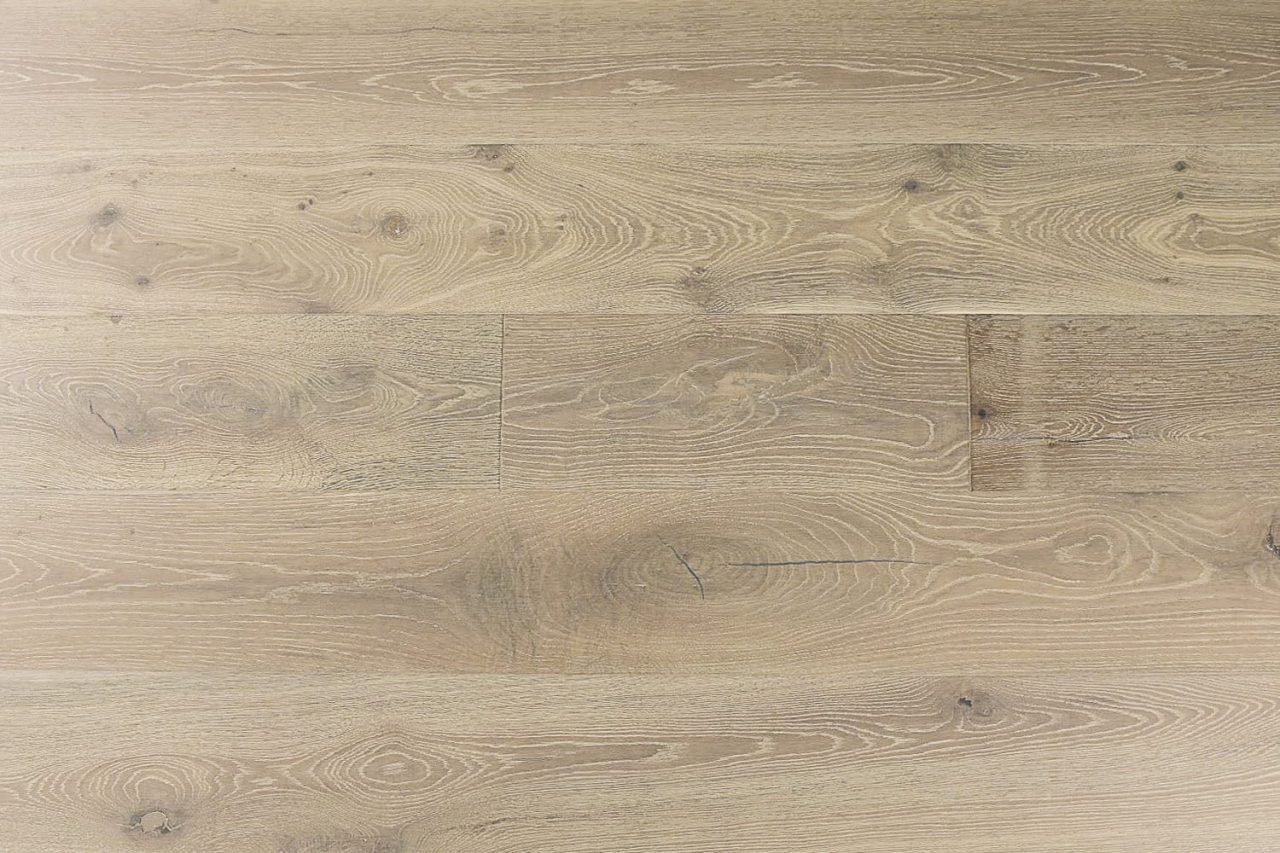
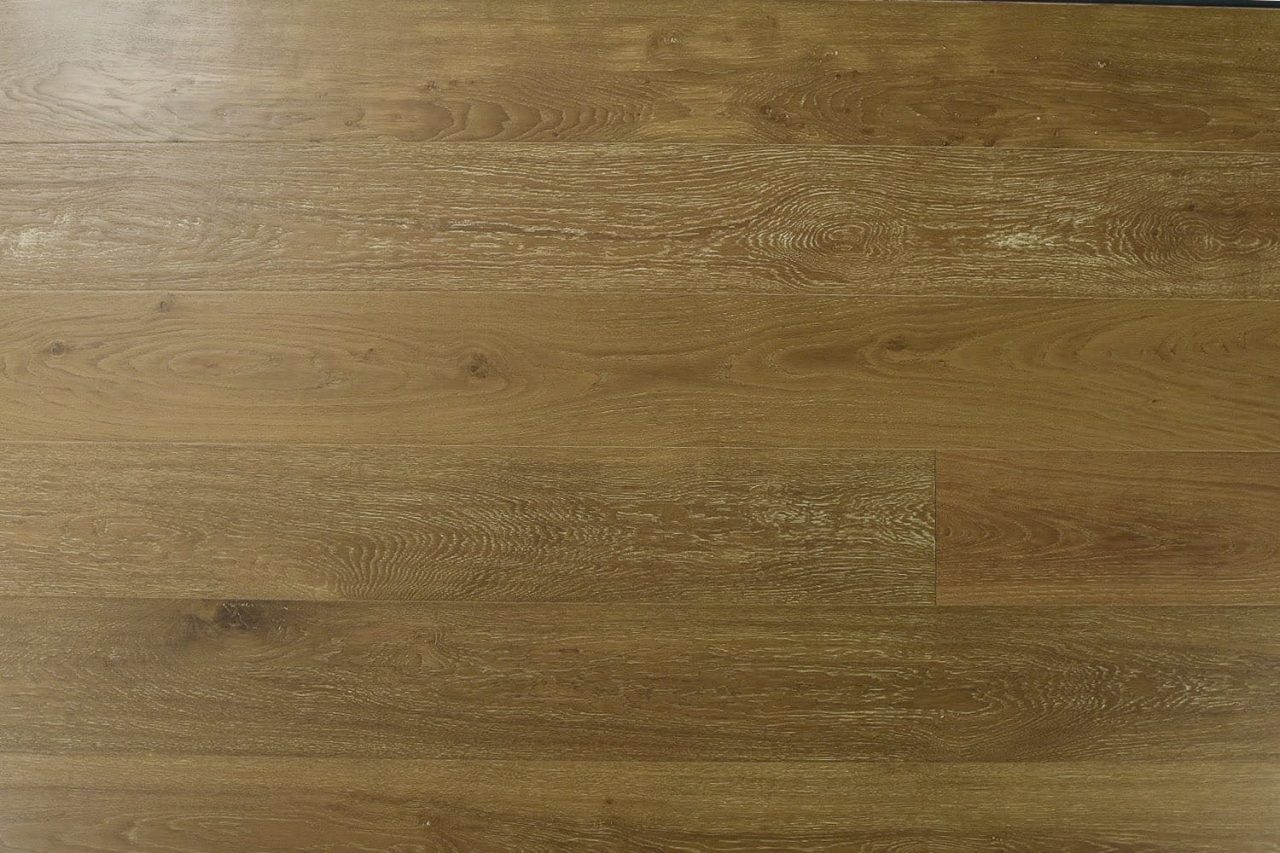
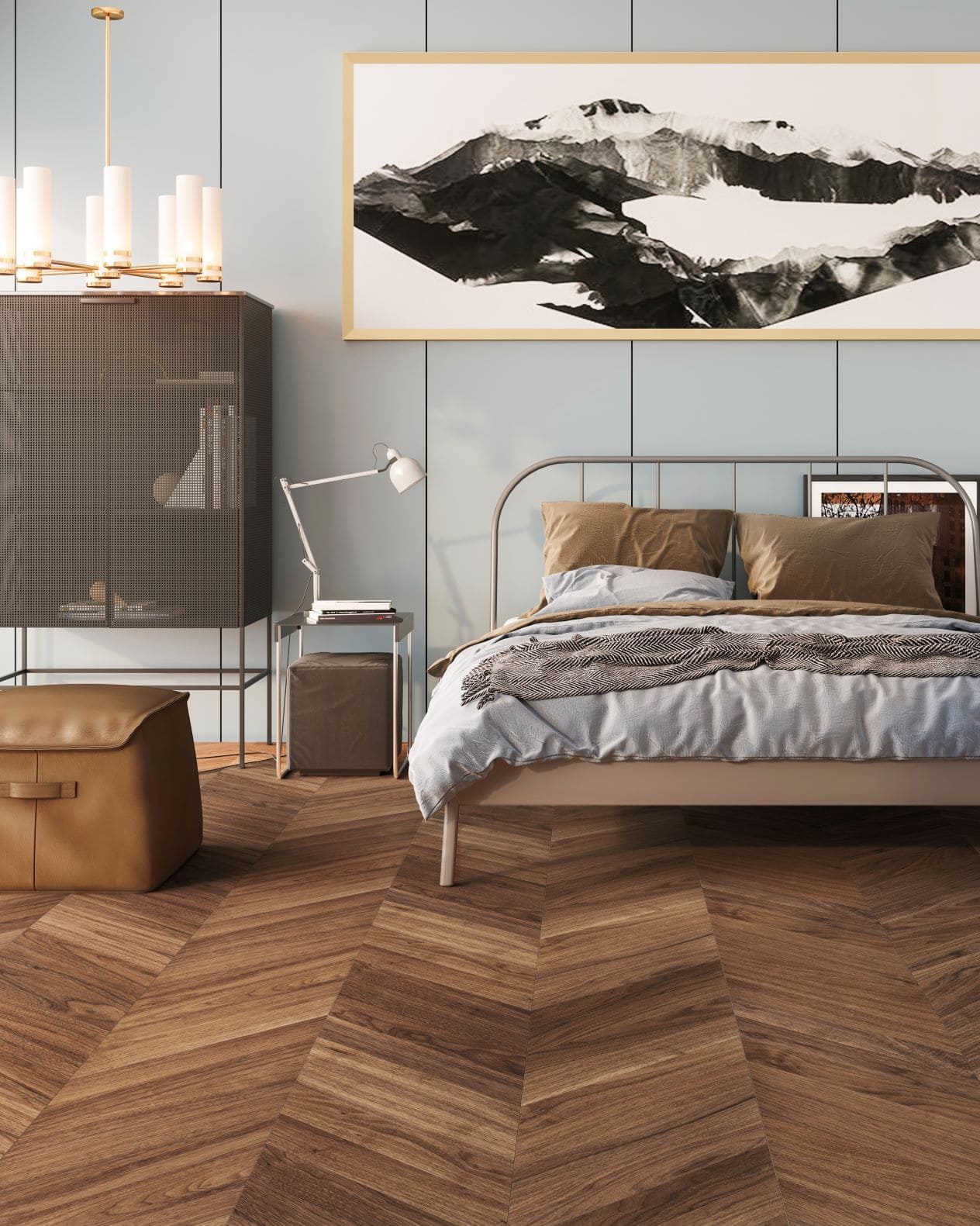
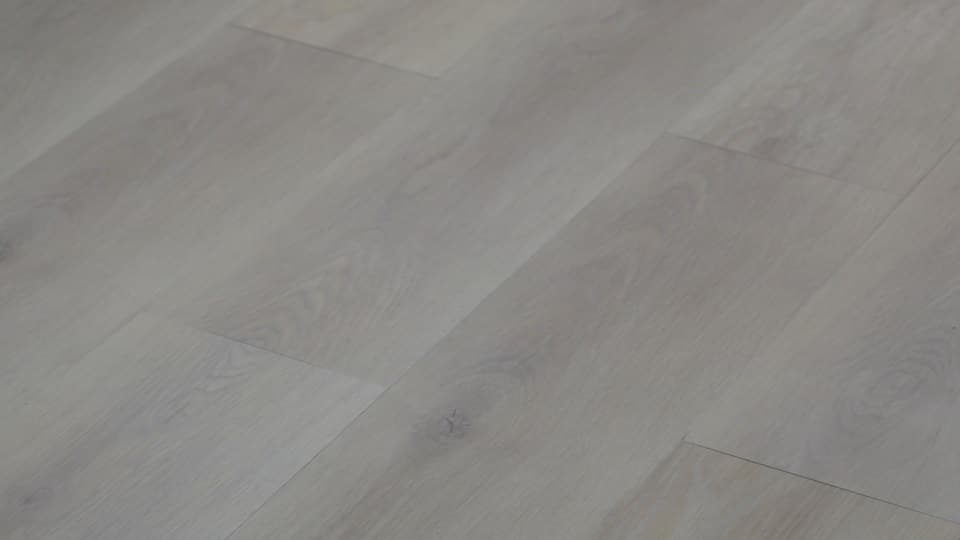


Examples from the current catalog in these material families; specifications on each product page are as listed by the manufacturer.
Related guides
All guides