Planning your project
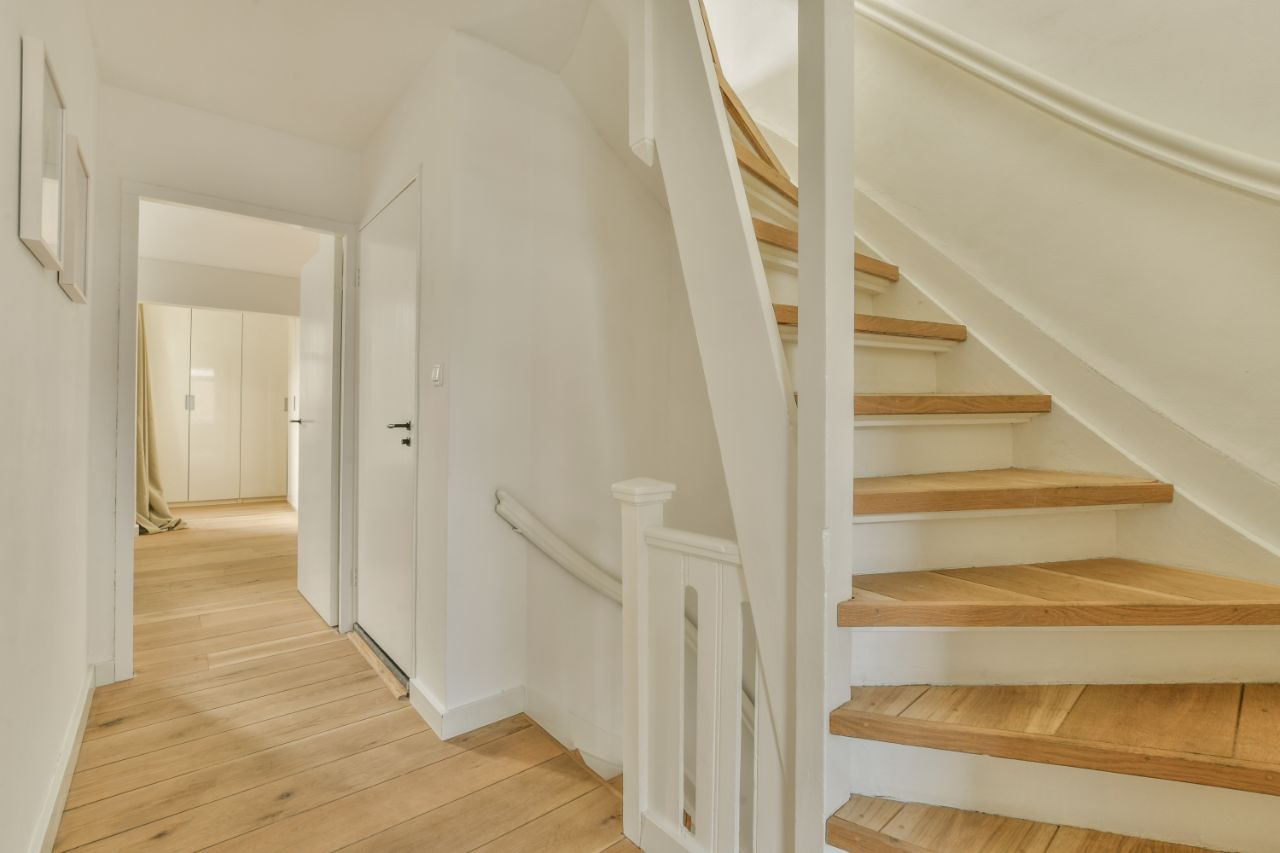
Getting new floors into a walk-up
Modern Wood Flooring team · Published November 16, 2026

To get new floors into a walk-up, plan around the stairs before you order. Measure the stairwell and its tightest turn, check the carton length and weight of the floor you like, and confirm whether delivery stops at the curb. Then line up enough people to carry, protect the stairs, and order everything in one delivery.
Flooring is heavy, and much of it comes in long cartons. In a building with an elevator, that is a booking problem. In a walk-up, it is a physical one: every box goes up by hand, and the old floor usually comes down the same way. A little planning keeps the job safe, keeps the neighbors on your side and keeps the boxes in good shape.
Why does a walk-up change a flooring project?
Three things make walk-ups different from elevator buildings.
- Every carton is carried. A whole apartment can mean dozens of heavy boxes, plus underlayment rolls, trim, adhesive and tools.
- Stairs limit length. Long cartons have to clear narrow flights, tight turns, low ceilings at landings and the door into the apartment.
- The stairwell is shared. It is also the building's exit route, so boxes and debris can't be left in it, and damage to walls, banisters and treads is your responsibility.
What should you measure before ordering?
Measure the path, not just the rooms. Ask your contractor to walk it with a tape measure, or do it yourself before you pick a product.
- The width of each flight and of the narrowest point, often where the banister turns.
- The tightest turn: a winder stair or a landing with a low ceiling is where long cartons get stuck.
- Door widths, including the street door, any vestibule door and the apartment door.
- The clear length you can carry a carton straight through on each landing.
- The distance from where a truck can stop to the building door, and any steps up to the stoop.
Then compare those measurements with the carton dimensions on the product's specification sheet. If a carton will not make the turn, that product will be slow, risky or impossible to carry, however much you like it.
Never open cartons and carry loose planks to get around a tight turn unless the installer is happy with it. Loose boards are easy to chip at the edges and the tongues, and the packaging protects them from dirt and moisture until installation.
Which flooring types are easier to carry up stairs?
Carton size and weight vary a great deal from product to product, so always check the specification sheet. In general:
| Flooring type | What to expect on the stairs | Things to check |
|---|---|---|
| Solid hardwood | Usually comes in bundles or cartons of mixed lengths, and some boards can be long | Longest board length, bundle weight, and whether boards can be sorted by length |
| Engineered wood | Often in long, flat cartons, especially wide or long planks | Carton length against your tightest turn; some lines offer shorter lengths |
| Rigid-core vinyl plank (SPC) | Dense material, so cartons can be heavy for their size | Carton weight, and how many people you need per trip |
| Flexible glue-down vinyl (LVT) | Thinner material; adhesive buckets add to the load | Carton count plus adhesive and primer |
Shorter planks and tiles are easier to carry and turn than long planks. If your stairwell is tight, that can be a reason to choose a standard-length plank or a tile format over an extra-long board. If you are torn between materials, our guide to floating, glue-down and nail-down installation explains what each method also needs to bring up the stairs.
How does delivery work when there is no elevator?
Ask exactly where delivery ends before you book it. Many deliveries are to the curb or the ground floor, and carrying up the stairs is a separate arrangement. Find out who will carry, how many flights, and whether there is an extra charge, so there are no surprises on the day.
- Plan for parking. On many Brooklyn blocks a truck can't stop right outside for long, so have people ready when it arrives.
- Check the weather. Cartons left on a wet sidewalk can take on moisture, which matters especially for wood.
- Count the boxes against the order before the truck leaves, and check the lot numbers match.
- Order the full quantity at once. A second trip for a few missing boxes is a real cost in a walk-up. Our guide on how much flooring to order shows how to work out the overage.
How do you protect the stairwell and keep neighbors happy?
If you rent, get your landlord's written permission before any flooring work, and check your lease for rules on floors, rugs and working hours. Co-ops and condos without elevators still have alteration rules, so read the alteration agreement and ask the managing agent what they need.
- Cover treads and landings with protective sheeting or board, and pad banister posts and tight corners.
- Give neighbors notice of the dates and the hours you will be carrying.
- Keep the stairs clear. Never stack cartons or debris in hallways or on landings, even for an hour.
- Clean the stairwell at the end of each day.
Where should the boxes go before installation?
Straight into the rooms where the floor will be installed. Wood flooring and many vinyl products need time in the space at normal living conditions before installation, and the right conditions are inside the apartment, not in a cold hallway or a damp basement. Stack cartons flat, off bare concrete, away from radiators, and leave a path for the installer. Our installation preparation guide covers acclimation in more detail.
What about removing the old floor?
Demolition can weigh as much as the new floor, and it all comes down the stairs. Old tile with mortar beds, layers of plywood and carpet with pad are bulky and heavy. Agree with your contractor on who removes it, how it will be bagged, and where it will go, since leaving construction debris at the curb is generally not allowed with household trash.
In older buildings, old resilient tiles and the dark adhesive beneath them can contain asbestos. Have suspect material tested before it is scraped, sanded or removed.
Are walk-ups common in Brooklyn?
Very. Many of the borough's brownstones, row houses and small prewar apartment buildings have no elevator, from Park Slope to Bay Ridge and south Brooklyn. Row-house stairs are often narrow with a tight turn near the top, and top-floor apartments can be four or five flights up. If you tell us the building type and floor when you ask about a product, we can point you toward formats that suit the stairs. Call (718) 252-6177 or visit the showroom with your measurements.
Common questions
Can long flooring planks fit up a narrow staircase?
Sometimes not. Measure the narrowest point and the tightest turn, then compare them with the carton length on the product's specification sheet before you order.
Is vinyl plank lighter to carry than hardwood?
Not always. Rigid-core vinyl is dense, so its cartons can be heavy for their size. Check the carton weight on each product's specification sheet rather than assuming.
Can I leave flooring boxes in the hallway of my building?
No. Stairs and hallways are exit routes and should be kept clear. Boxes also need to sit in the rooms where they will be installed so they adjust to the right conditions.
Do I need my landlord's permission to replace floors in a rental?
In most cases, yes. Most leases restrict alterations, so get written permission from the landlord before you order or schedule any work.
How many people does it take to carry flooring up a walk-up?
It depends on the number of cartons, their weight and the number of flights. Two people per long carton is a sensible minimum on stairs, and more people make a large order much safer and faster.
Floors this guide covers
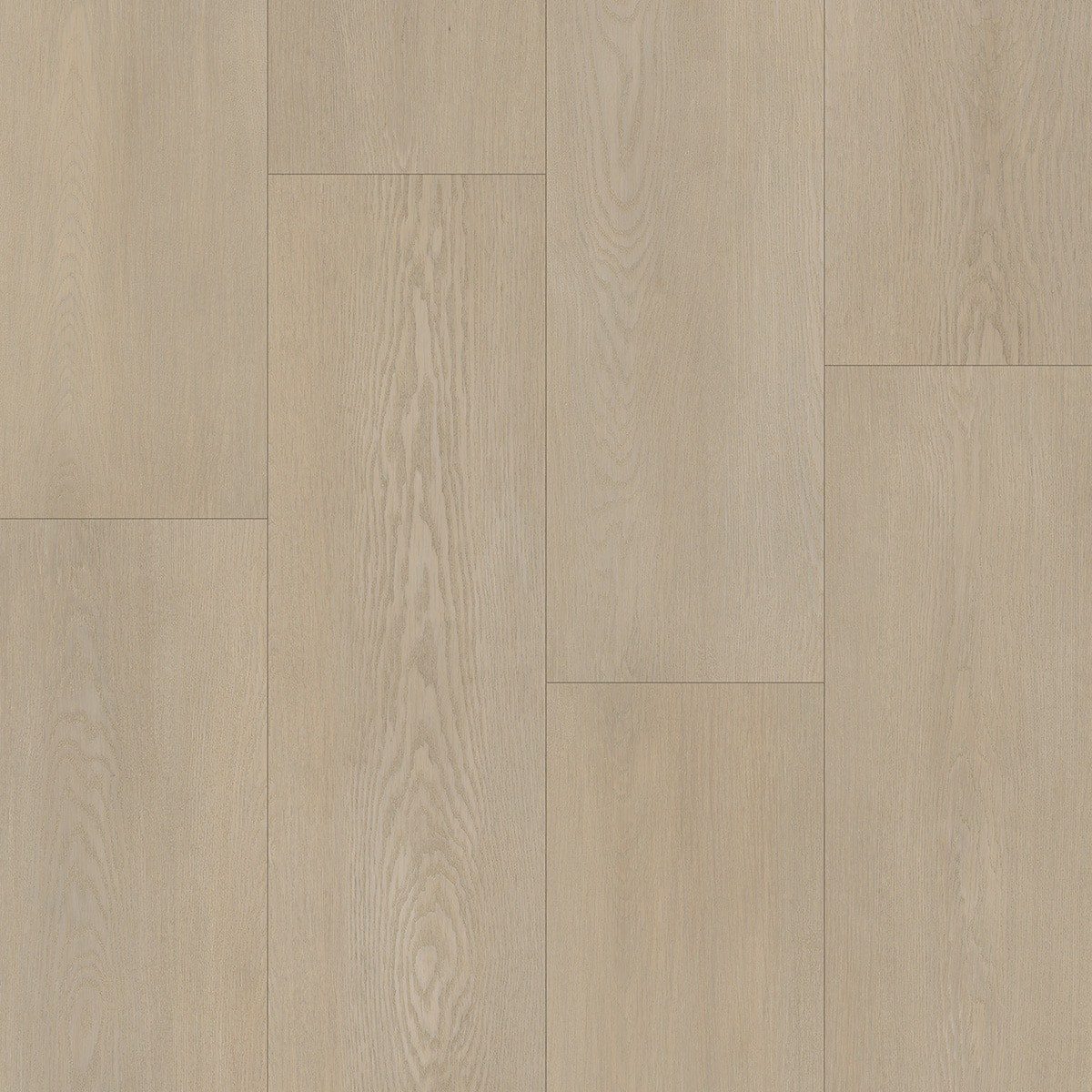
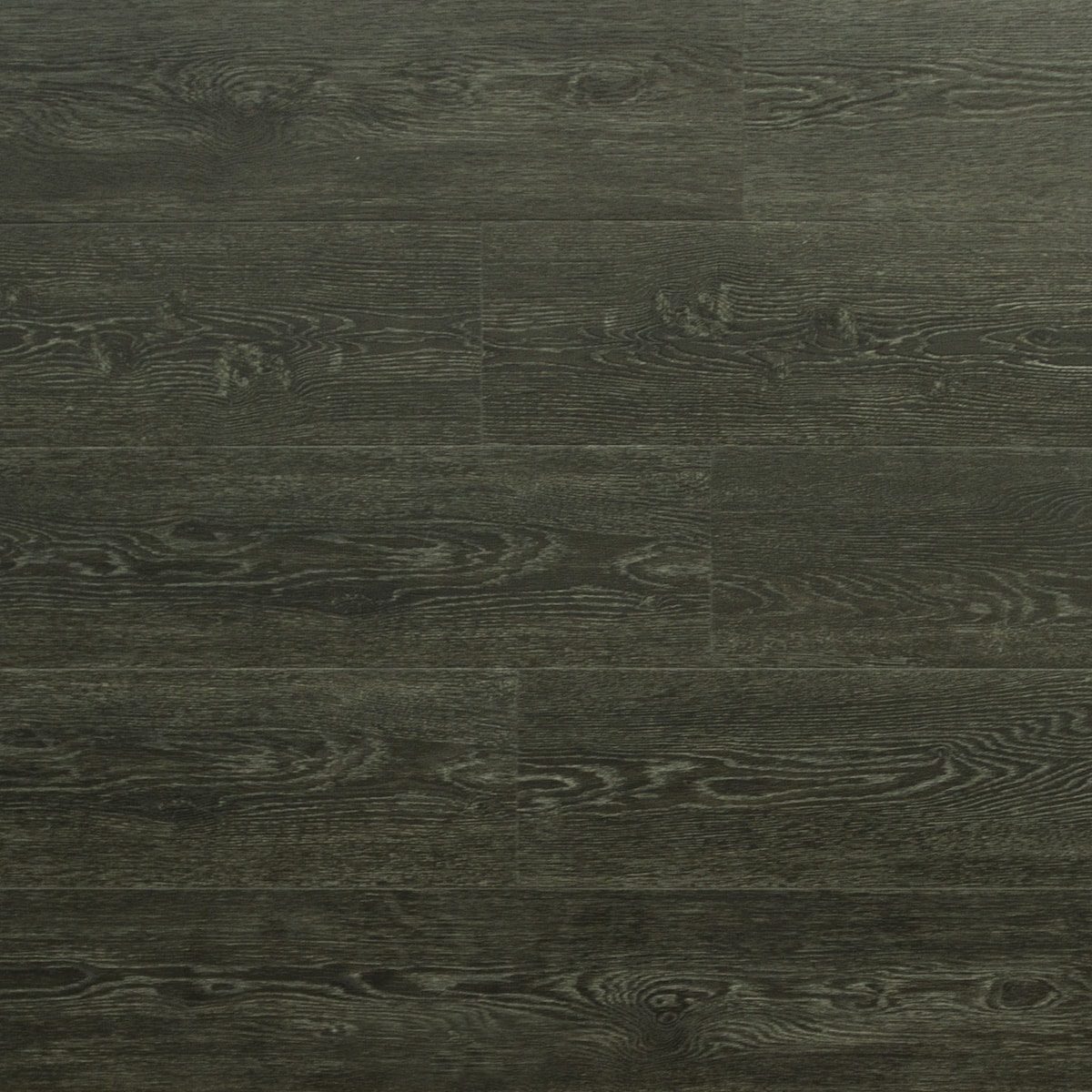
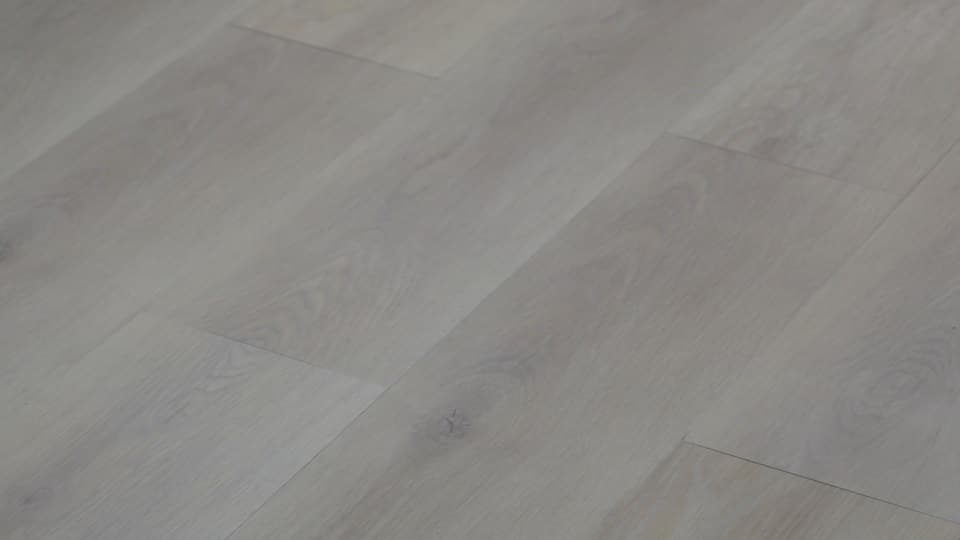


Examples from the current catalog in these material families; specifications on each product page are as listed by the manufacturer.
Related guides
All guides