Choosing flooring
Engineered hardwood thickness and core types explained
Modern Wood Flooring team · Published November 9, 2026

Most engineered hardwood is between 3/8 inch and 3/4 inch thick in total, with 1/2 inch and 5/8 inch among the most common sizes. Total thickness tells you only part of the story. The core construction decides how stable the board is, and the real wood on top decides whether it can be sanded later.
Spec sheets for engineered wood list several numbers, and they are easy to mix up. This guide explains how an engineered board is built, what the common thicknesses and core types mean, and how to compare products when you are choosing a floor for a Brooklyn apartment or house.
How is an engineered hardwood board built?
An engineered board is made of layers bonded together. Each layer has a job:
- The wear layer, also called the veneer or lamella, is the real hardwood you see and walk on. It carries the species, the color and the texture.
- The core sits underneath and gives the board its strength and stability. It is usually plywood, fiberboard, or strips of solid wood.
- Some products add a backing or balancing layer on the bottom to keep the board flat.
Because the layers are bonded with their grain running in different directions, engineered wood moves less with changes in humidity than a solid board of the same species. That is the main reason it is so widely used over concrete and in buildings with dry winter heat.
What are the common total thicknesses?
Thickness is usually given in fractions of an inch in the US, sometimes with millimeters alongside. The ranges below are general patterns, not rules. Two boards of the same thickness can perform very differently depending on how they are built.
| Total thickness | General character | Things to check |
|---|---|---|
| About 3/8 inch | Lighter and lower profile; often glued down or floated | Whether the product can be sanded at all, and its approved installation methods |
| About 1/2 inch | A common all-round size for homes | Core type and the real wood thickness on top |
| About 9/16 to 5/8 inch | Stiffer boards; often available in wider planks | Floor height at doorways and transitions |
| About 3/4 inch | Same height as standard solid strip; feels very solid | Weight, height and whether your subfloor suits it |
A thicker board is not automatically a better board. A thick product with a thin top layer of wood cannot be sanded more often than a thinner product with a thicker top layer. Look at the total thickness and the wear layer together, along with the core.
What are the main core types?
The core does most of the structural work. Here are the types you are likely to see on spec sheets.
Multi-ply plywood
Thin sheets of wood are stacked with the grain of each layer running across the one below. This cross-ply construction resists swelling and shrinking, and it is the traditional core for engineered flooring. Plywood cores are common in products that can be glued down, nailed down or floated, depending on the manufacturer.
HDF (high-density fiberboard)
HDF is made by pressing wood fibers and resin under heat. It is dense and flat, and it resists dents well. It is often paired with click-lock edges for floating installation. Standard HDF does not tolerate standing water well, so treat spills promptly, and look for products the maker rates for the rooms you have in mind.
Three-layer or lumber core
Common in European-style floors, this construction uses a hardwood top layer, a middle layer of solid wood strips laid crosswise, and a thin wood backing. It can feel close to solid wood underfoot. Installation methods vary by product.
Rigid or stone composite core
Some newer products bond a thin wood veneer to a rigid core of stone and plastic composite, similar to the core in rigid vinyl plank. These cores are dense and less affected by moisture than wood-based cores, but they are heavy, and the veneer on top is usually too thin to sand.
| Core | Stability | Dent resistance | Typical installation |
|---|---|---|---|
| Multi-ply plywood | High | Good | Glue, nail or float, by product |
| HDF | Good when dry | High | Usually floating click |
| Three-layer lumber | High | Depends on top species | Varies by product |
| Rigid composite | High, less moisture-sensitive | High | Usually floating click |
Why does the wear layer matter more than total thickness?
Sanding removes wood from the top layer. Once that layer is used up, the floor cannot be sanded again. So if you want the option to refinish in the future, the thickness of the real wood on top is the number to compare, not the total thickness of the board. Ask for the manufacturer's spec sheet, which lists it for each product. Our guide to wear layers explains how it relates to refinishing.
Textured surfaces also play a part. Wire-brushed and hand-scraped textures are cut into the wear layer, and sanding removes them. If you like a textured look and expect to refinish one day, talk to a flooring professional about what that will involve.
How does thickness affect installation in NYC homes?
In Brooklyn, the subfloor often decides the installation method before thickness does.
- Apartment buildings usually have concrete slabs. Engineered floors there are typically glued down or floated, often over an underlayment the building approves for sound.
- Brownstones, row houses and detached homes often have wood joists and a wood subfloor, which can allow nail-down installation where the product permits it.
- Floor height matters in apartments. Adding a thicker board plus underlayment can create a step at doorways, bathrooms and the entry, and can affect how a door or dishwasher fits.
- Steam heat and dry winters put stress on wood floors. A stable core helps, but the manufacturer's humidity range still applies.
Our guide to floating, glue-down and nail-down installation compares the methods, and engineered or solid wood in a New York apartment explains why engineered is so common on slabs. If you have radiant heat, see which flooring works over radiant heat.
Approved installation methods, subfloors and humidity ranges vary by product. Always follow the specific product's installation instructions and warranty, which take priority over any general guide.
How should you compare engineered floors?
- Start with the subfloor and the building's rules, which narrow the installation method.
- Check the approved installation methods for each product you like.
- Compare the real wood on top if you may want to sand in the future.
- Look at the core type, especially for rooms with spill risk or heavy furniture.
- Check total thickness against doorways, transitions and appliances.
- Read the warranty for humidity, subfloor and installation conditions.
You can browse our engineered wood collection online. Spec sheets for the products we carry are available on request, and we are happy to go through them with you at the showroom.
Common questions
What is the most common thickness for engineered hardwood?
Many residential engineered floors are about 1/2 inch or 5/8 inch thick in total, though products range from about 3/8 inch to 3/4 inch.
Is thicker engineered hardwood better?
Not on its own. The core construction and the thickness of the real wood on top matter more than total thickness for stability and for how many times the floor can be sanded.
Which core is best for engineered hardwood?
Multi-ply plywood is a stable, traditional choice. HDF resists dents well, and rigid composite cores are less affected by moisture. The best fit depends on the room, the subfloor and the installation method.
Can engineered hardwood be nailed down?
Some products can, over a suitable wood subfloor. Over concrete, engineered wood is usually glued down or floated. Check the product's installation instructions.
Can all engineered hardwood be refinished?
No. Products with a thin top layer, including most rigid-core wood floors, can usually only be recoated. Products with a thicker top layer can often be sanded, sometimes more than once.
Floors this guide covers
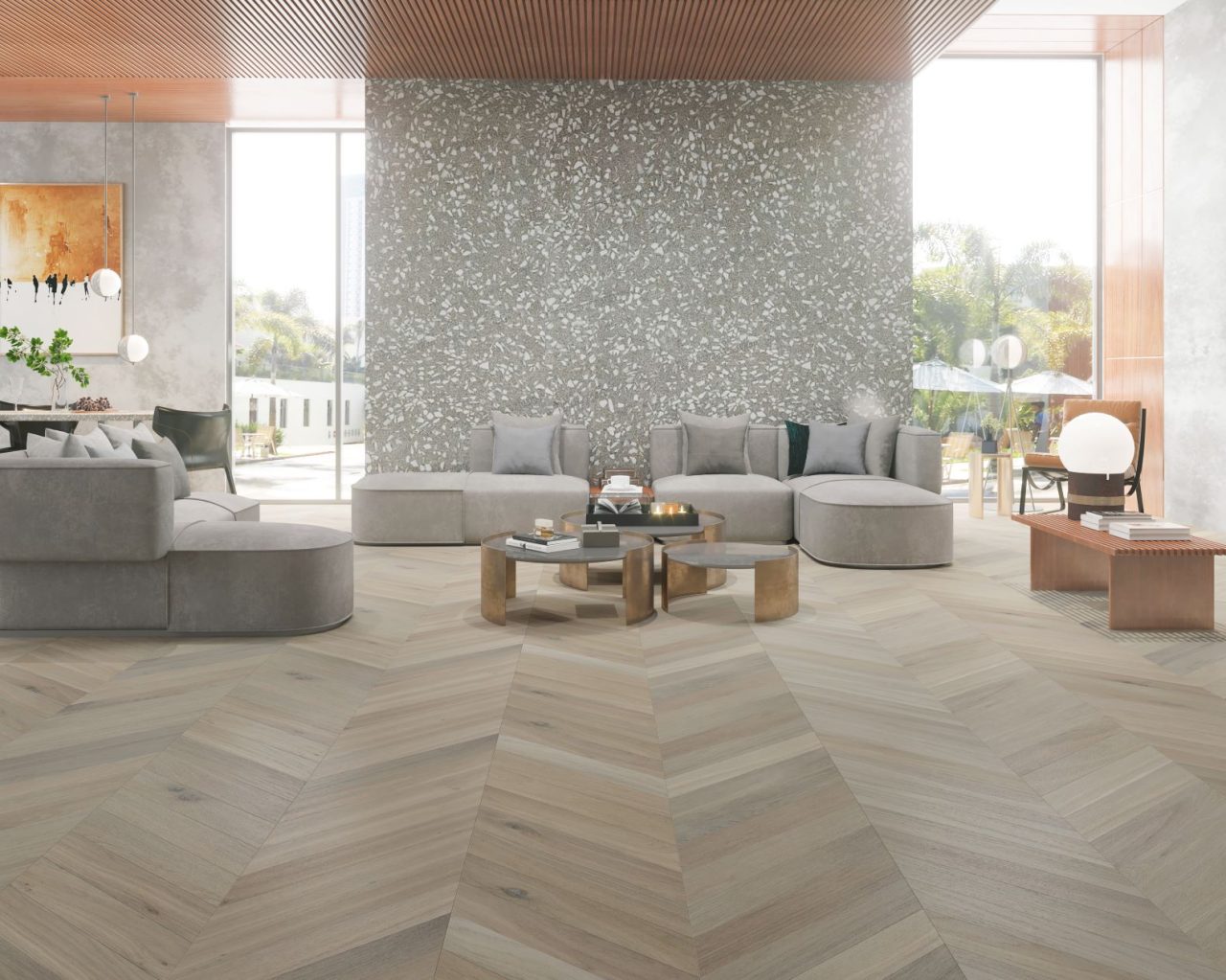
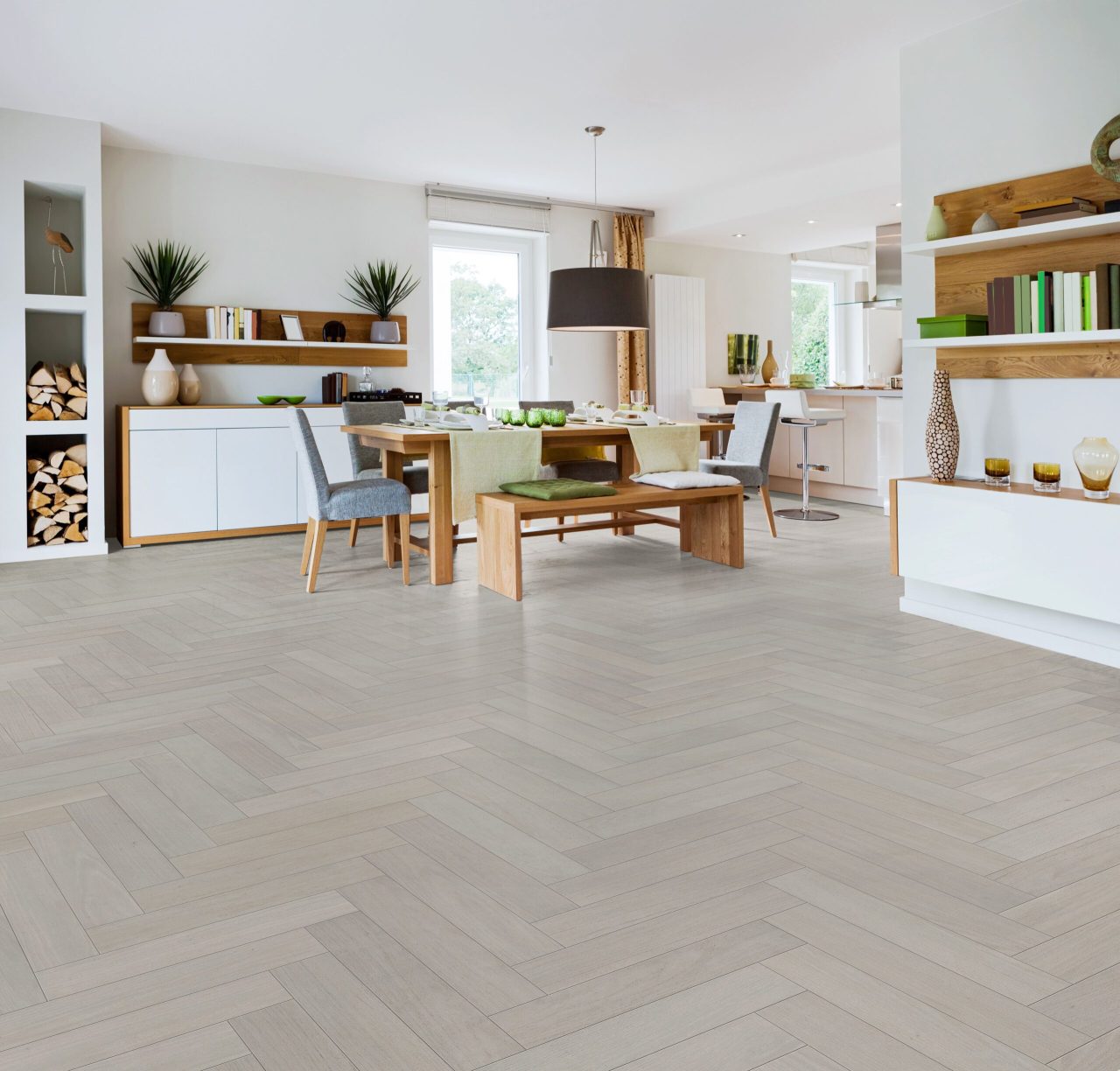
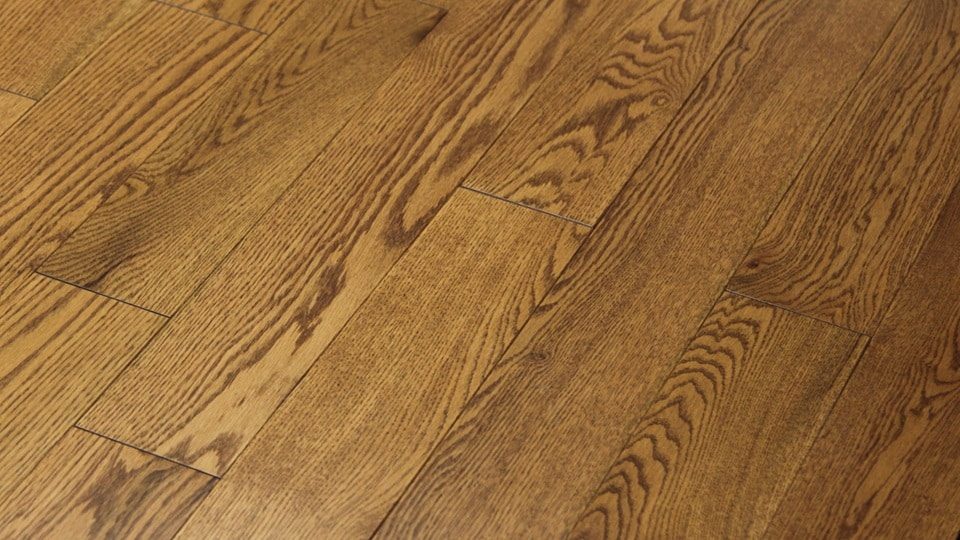
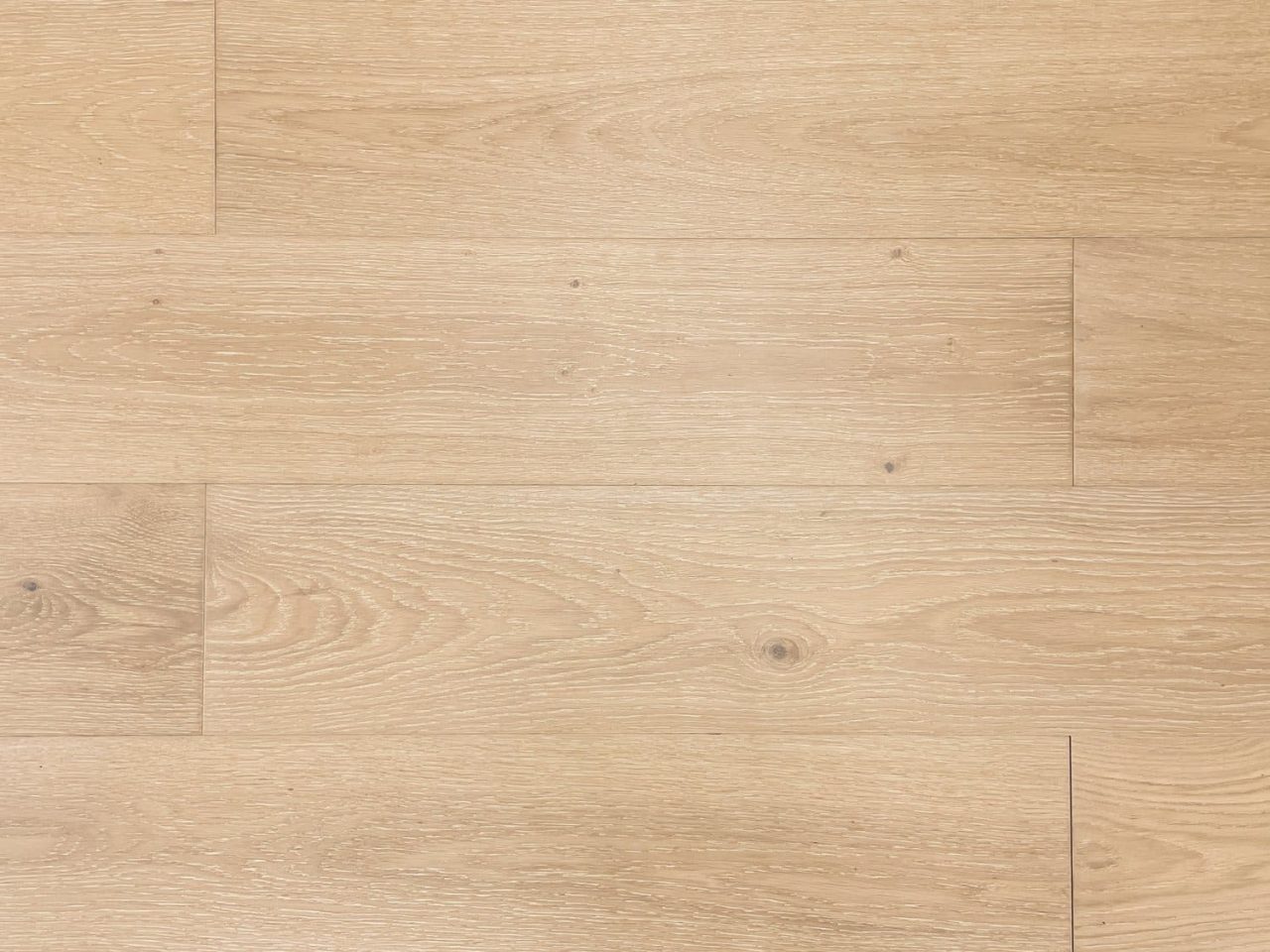


Examples from the current catalog in these material families; specifications on each product page are as listed by the manufacturer.
Related guides
All guides